Waking up with a sharp, burning pain that shoots from your neck down your arm, or experiencing pins and needles in your fingers when you turn your head, is a telltale sign of a trapped cervical nerve. Often called cervical radiculopathy in clinical settings, this condition happens when tissue presses on a nerve root exiting your cervical spine, causing radiating pain, numbness, or weakness that can make everyday tasks feel impossible. Most cases resolve with consistent, gentle at-home care, but knowing the right steps — and what to avoid — is critical to speed recovery and prevent long-term damage. This guide covers evidence-backed relief tips, red flags that require medical care, and long-term habits to keep your neck healthy, all aligned with 2026 clinical best practices.
What Is A Trapped Nerve In The Neck?
A trapped nerve in the neck, clinically termed cervical radiculopathy, occurs when soft tissue, bone, or disc material compresses a nerve root as it exits the spinal column in your neck. Unlike a general muscle strain, this compression disrupts the nerve’s ability to send signals properly, leading to symptoms that often radiate beyond the neck into the shoulder, arm, and hand. The condition is frequently mistaken for a simple pulled muscle, but without targeted care, the pressure on the nerve can lead to prolonged weakness or permanent damage if left unaddressed. The National Institute of Neurological Disorders and Stroke defines cervical radiculopathy as compression of a cervical nerve root that causes radiating pain, numbness, or weakness. You can also read our guide on sleep disorders guide.
 Diagram showing how herniated cervical discs compress nerve roots, a common cause of trapped neck nerves.
Source: nih.gov
Diagram showing how herniated cervical discs compress nerve roots, a common cause of trapped neck nerves.
Source: nih.gov
Common Causes & Warning Symptoms
Understanding what triggers a trapped nerve helps you avoid recurrence and choose the right relief steps for your specific case.
Most Common Causes
- Herniated or bulging cervical discs: The gel-like inner material of a spinal disc pushes through its outer layer, pressing directly on a nearby nerve root. This is often caused by sudden twisting, heavy lifting, or degenerative wear and tear.
- Bone spurs from cervical spondylosis: Age-related arthritis causes small, bony growths to form on the vertebrae, narrowing the small opening (foramen) that nerve roots pass through.
- Tight or spasming neck muscles: The scalene, upper trapezius, and levator scapulae muscles can spasm from poor posture, stress, or sleeping in an awkward position, pinching the nerve root against surrounding bone.
- Degenerative disc disease: As we age, spinal discs lose height and cushioning, reducing space between vertebrae and increasing pressure on nerve roots.
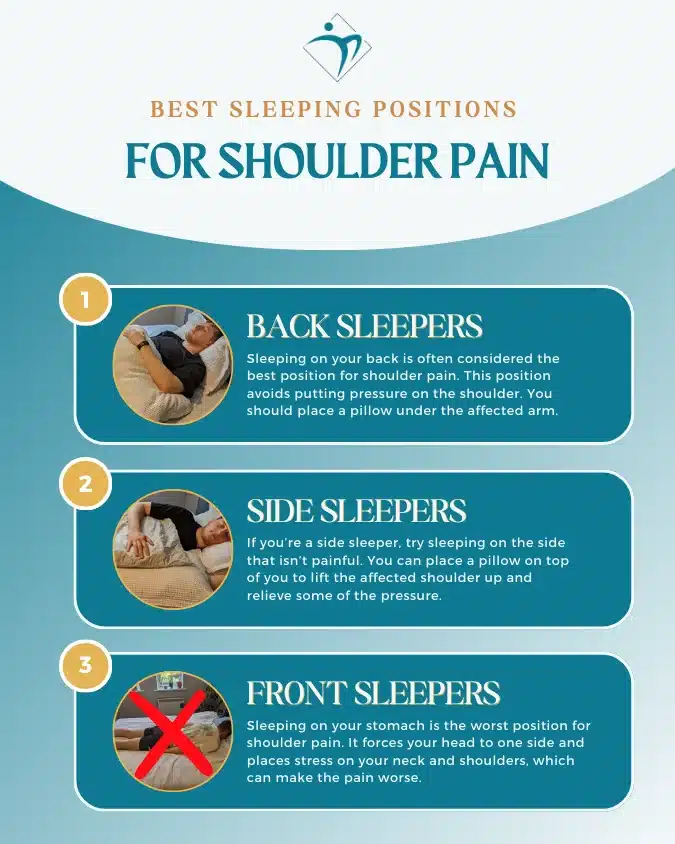
- Whiplash or trauma: Sudden force from a car accident or fall can damage cervical structures and compress nerve roots. Stomach sleeping or unsupported neck alignment during rest is a frequent, underrecognized trigger for trapped nerves, and sleep position guidance can help you adjust habits to reduce pressure.
Key Symptoms To Recognize
- Sharp, burning, or aching neck pain that radiates down the arm, following the path of the affected nerve (e.g., pain down the thumb side of the arm for a C6 nerve root, or to the pinky for a C8 root)
- Numbness, tingling, or pins-and-needles in the arm, hand, or specific fingers
- Unexplained weakness in the shoulder, arm, or hand, making it hard to grip objects, lift items, or perform fine motor tasks like buttoning a shirt
- Pain that worsens with coughing, sneezing, or straining (the Valsalva maneuver), as these actions increase pressure in the spinal canal Sleeping with wet hair can lead to overnight muscle stiffness and neck strain that irritates nerves, so healthy wet hair sleep habits can reduce this risk.
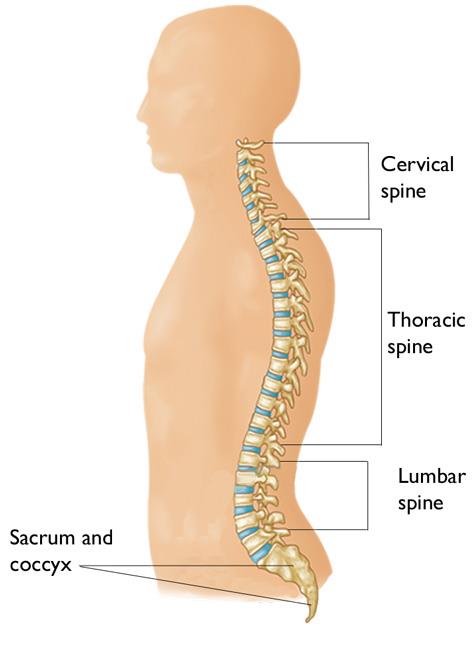 Illustration of the most frequent structural causes of trapped cervical nerves, per the American Academy of Orthopaedic Surgeons.
Source: aaos.org
Illustration of the most frequent structural causes of trapped cervical nerves, per the American Academy of Orthopaedic Surgeons.
Source: aaos.org
Safe At-Home Relief Steps To Try First
For most mild cases, these steps will reduce pressure on the nerve and ease symptoms within 3 days to 3 weeks. Stop any step if it causes sharp pain, worsening numbness, or increased weakness.
First 48 Hours: Reduce Inflammation
- Ice application: Apply an ice pack wrapped in a thin towel to the base of your neck and the most painful area of your shoulder for 10–15 minutes every 1–2 hours. Never apply ice directly to skin to avoid frostbite.
- Activity modification: Avoid heavy lifting (anything over 10 lbs), sudden neck twists, prolonged looking down at phones or laptops, and sleeping on your stomach, which twists the cervical spine.
- Over-the-counter pain relief: Ibuprofen (200–400mg every 6–8 hours) or naproxen (220mg every 8–12 hours) can reduce inflammation and pain when taken as directed on the label. Avoid these if you have a history of stomach ulcers, kidney disease, or bleeding disorders unless cleared by your doctor.
- Gentle walking: 5–10 minute slow walks 2–3 times a day keep circulation flowing and prevent stiffness without straining your neck.
After 48 Hours: Gentle Mobility & Heat
Switch to heat therapy: use a low-setting heating pad or warm shower for 15–20 minutes at a time to relax tight muscles and increase blood flow to the compressed area. Add these gentle, form-focused exercises to your routine, performing 2–3 short sessions per day instead of one long session:
- Chin tucks: Sit or stand with your back flat against a wall, shoulders relaxed. Gently tuck your chin like you are making a double chin, without tilting your head forward or back. Hold for 3 seconds, repeat 10 times.
- Side-to-side neck tilt: Tilt your ear toward your shoulder, keeping the opposite shoulder pulled down (no shrugging). Hold for 15 seconds, repeat 3 times per side.
- Levator scapulae stretch: Turn your head 45 degrees away from the side you are stretching, then look down toward your opposite hip. Gently pull the top of your head toward your shoulder with your opposite hand until you feel a mild stretch along the side of your neck. Hold for 20 seconds per side.
- Scapular squeezes: Sit tall, roll your shoulders back and down, then squeeze your shoulder blades together like you are holding a pencil between them. Hold for 5 seconds, repeat 15 times.
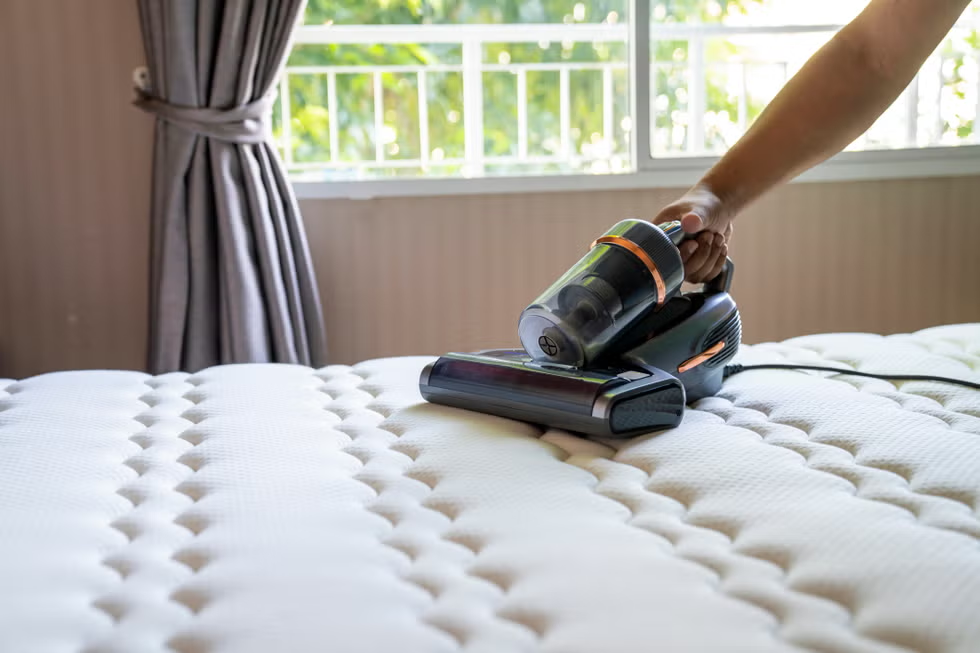
- Gentle nerve gliding: For nerve symptoms radiating down your arm, sit with your affected arm out to the side at a 90-degree angle, palm up. Slowly bend your wrist back toward you, then tilt your head away from the affected arm and back, 10 slow reps. Stop if you feel sharp pain. If your mattress or topper is sagging, it can strain your neck overnight, so supportive topper maintenance can help restore proper alignment.
Safe, low-impact exercises recommended by Mayo Clinic to reduce pressure on trapped cervical nerves.
Source: mayoclinic.org
When To Seek Professional Care
Most mild trapped nerves improve with at-home care within 1–2 weeks, but you should schedule an appointment with a healthcare provider if your symptoms do not improve after 7–10 days, or if they get worse over time. Seek urgent or emergency care immediately if you experience any of the following red flags:
- Sudden, severe weakness in an arm or hand, or difficulty gripping objects
- Loss of bladder or bowel control (a sign of severe spinal cord compression)
- Worsening numbness that spreads to both arms or legs
- High fever, unexplained weight loss, or night sweats alongside neck pain (possible signs of infection or underlying systemic condition) A provider will perform a physical exam and may order imaging such as an X-ray, MRI, or CT scan to confirm the cause of your compression and rule out more serious conditions. Prolonged immobility can worsen stiffness and delay recovery, so safe low-impact movement even on rest days can keep your neck mobile without aggravating the nerve.
Clinical Treatment Options For Persistent Cases
If at-home care does not resolve your symptoms, a healthcare provider will recommend targeted, evidence-based interventions tailored to the cause of your compression. Per American Physical Therapy Association best practices, physical therapy is the first-line clinical intervention for most persistent cases, as it addresses the root muscle and movement imbalances causing nerve pressure rather than just masking pain.
First-Line Clinical Care
- Physical therapy: A licensed therapist will assess your posture, movement patterns, and muscle strength to create a custom treatment plan. Sessions typically include targeted exercises, manual therapy (soft tissue massage, joint mobilizations) to reduce muscle tension, and posture training to eliminate the root cause of compression. Most courses last 4–8 weeks, with 1–2 sessions per week.
- Prescription medications: Short courses of oral corticosteroids to reduce inflammation, muscle relaxants for severe spasms, or neuropathic pain medications for nerve-related pain may be prescribed for 1–2 weeks to manage symptoms while you participate in therapy.
Minimally Invasive Interventions
- Epidural steroid injections: A provider injects a corticosteroid and local anesthetic near the affected nerve root to reduce inflammation, often providing 3–6 months of pain relief. This is commonly used to give patients enough relief to participate fully in physical therapy.
- Diagnostic nerve blocks: Targeted injections to a specific nerve root can both relieve pain and confirm the exact source of compression, guiding further treatment.
Surgical Options (Rare)
Surgery is reserved for a small subset of severe cases where conservative care has failed, including:
- Progressive, unrelenting weakness that does not improve with months of therapy
- Spinal cord compression causing balance issues, difficulty walking, or loss of fine motor control
- Severe, unresponsive pain that drastically impacts daily quality of life The most common procedure is anterior cervical discectomy and fusion (ACDF), where the damaged disc is removed and a spacer is placed to restore space for the nerve root. Newer options like cervical disc replacement preserve more neck mobility. A spine surgeon will evaluate your specific case with imaging to determine if surgery is appropriate.
Long-Term Prevention To Avoid Recurrence
Once you resolve a trapped nerve, small, consistent habit changes can reduce your risk of future episodes by addressing the root cause of compression.
- Ergonomic adjustments: Keep your computer monitor at eye level so you do not have to tilt your head down or up to work. Use a headset for phone calls to avoid cradling the phone between your ear and shoulder, and take 1–2 minute microbreaks every 30 minutes to roll your shoulders and do a few chin tucks.
- Sleep support: Sleep on your back or side, never on your stomach. Use a pillow that supports the natural curve of your neck: medium-loft for back sleepers, and a tall enough pillow for side sleepers to keep your neck aligned with your spine. A pillow that loses its support over time will not hold your neck in neutral alignment, so proper pillow care extends the life of your neck support.
- Strength training: Regular exercises that strengthen your upper back, shoulders, and core (like rows, planks, and scapular squeezes) reduce strain on your cervical spine by improving overall posture and support.
- Stress management: Chronic stress causes persistent muscle tension in the neck and shoulders, which can pinch nerves over time. Daily practices like deep breathing, meditation, or gentle stretching can reduce this tension.
Overview of evidence-based medical interventions for persistent trapped cervical nerves.
Source: healthline.com
Common Mistakes That Slow Recovery
Even with good intentions, many people make errors that prolong healing or worsen nerve irritation:
- Pushing through sharp pain: “No pain, no gain” does not apply to nerve compression. Sharp, shooting pain means you are aggravating the nerve, which will extend healing time and increase the risk of damage.
- Relying only on rest for weeks: Prolonged immobility leads to muscle weakness and joint stiffness, which increases pressure on the nerve long-term. Gentle, pain-free movement is critical for recovery.
- Self-manipulating or cracking the neck: Uncontrolled force from popping your own neck can damage discs, ligaments, or even blood vessels, and will not address the root cause of compression.
- Ignoring early symptoms: Waiting until pain is severe to seek care can lead to longer recovery times and higher risk of permanent nerve damage.
- Using poor posture while recovering: Slumping over your phone or computer while you have a trapped nerve will keep constant pressure on the affected nerve root and prevent healing.
Frequently Asked Questions
How long does it take to release a trapped nerve in the neck?
Most mild cases improve within 3 days to 3 weeks with consistent at-home care. Cases caused by more severe structural issues (like a large herniated disc or advanced arthritis) may take 6–12 weeks of combined at-home and clinical care. If symptoms worsen or fail to improve after 10 days, schedule a visit with a healthcare provider to rule out more serious underlying causes.
Can stretching make a trapped neck nerve worse?
Yes, aggressive, forced stretching or “cracking” the neck can increase pressure on the compressed nerve root, worsen inflammation, and even cause injury to surrounding blood vessels or ligaments. All stretches should be slow, gentle, and performed within a pain-free range of motion. If you feel sharp, shooting pain, numbness that intensifies, or weakness during a stretch, stop immediately and rest.
Are hot packs or ice better for a trapped nerve in the neck?
Ice is the better choice for the first 48 hours after symptom onset, as it reduces swelling and inflammation around the compressed nerve. After 48 hours, switch to heat to relax tight, spasming muscles and improve blood flow to the area to support healing. Many people find alternating 10 minutes of ice and 10 minutes of heat helpful for persistent pain, as long as it feels soothing.
Will physical therapy fix a trapped nerve in the neck?
For the vast majority of cases, physical therapy is highly effective at resolving trapped nerve symptoms and preventing recurrence. A licensed therapist will address the root cause of the compression, whether that’s poor posture, weak supporting muscles, or restricted joint mobility, rather than just masking pain. Most people see noticeable improvement within 4–6 weeks of consistent PT sessions.
When is surgery needed for a trapped nerve in the neck?
Surgery is reserved for a small subset of severe cases where: 1. There is progressive, unrelenting weakness that does not improve with months of conservative care; 2. There is spinal cord compression causing balance issues, difficulty walking, or loss of fine motor control; or 3. Pain is severe, unresponsive to other treatments, and drastically impacts quality of life. A spine surgeon will evaluate your specific case with imaging to determine if surgery is appropriate.
Conclusion
Most trapped neck nerves resolve with consistent, gentle care: reducing inflammation with ice, relaxing tight muscles with heat, moving safely to avoid stiffness, and correcting ergonomic and sleep habits to prevent recurrence. If your symptoms persist beyond 10 days, or you experience weakness, loss of bladder control, or worsening numbness, seek care from a licensed healthcare provider to get a targeted treatment plan. Start with one small, manageable habit today — like setting a timer to do 10 chin tucks every 2 hours while working — to take pressure off your nerve and support healing. For more evidence-based tips to protect your neck and improve your overall sleep quality, browse our full library of sleep health guides.

Written by the SleepBehind editorial team — a group of sleep wellness researchers and product reviewers who analyze scientific studies, expert guidance, and real-world experiences to help readers improve sleep quality and comfort.