Waking up with a stiff, painful neck that makes it hard to turn your head is an incredibly common, frustrating experience. Most cases stem from minor, temporary muscle or ligament strain caused by awkward sleep positioning, and the vast majority resolve in a few days with the right fast fixes. I’ve coached dozens of people through this exact issue, combining clinical musculoskeletal guidance with simple, actionable steps you can use as soon as you wake up. This guide covers immediate pain relief, safe stretches, long-term prevention tips, and clear red flags that mean you need to see a healthcare provider — all tailored to help you feel better fast and stop the pain from coming back.
What Actually Causes Morning Neck Pain
When you sleep, your neck muscles are fully relaxed, so if your head is tilted too far forward, backward, or to one side for hours, the soft tissues (muscles, ligaments, tendons) get stretched or compressed. This leads to micro-tears, inflammation, and stiffness when you wake up. Less commonly, a preexisting condition like cervical arthritis, a herniated disc, or a pinched nerve can flare up after awkward positioning. Even small habits like sleeping with your phone under your pillow, your arm tucked under your head, or too many stacked pillows can push your neck out of alignment overnight. In my experience, the most frequent culprit is a pillow that’s too high or too low for your usual sleep position, which forces your cervical spine to bend at an unnatural angle for 6–8 hours straight.
According to the American Academy of Orthopaedic Surgeons, a leading authority on musculoskeletal care, AAOS neck pain guidelines confirm that most acute morning neck pain stems from minor, reversible strain rather than serious structural damage.

First 30 Minutes: Fast Pain Relief Steps
The first 30 minutes after waking up are the most important for reducing pain and preventing stiffness from worsening. Follow these steps in order for the fastest relief:
- Rest in a neutral position first: Avoid jerky, sudden movements that can strain already irritated tissues. Lie on your back or side with your head supported by a pillow that keeps your neck aligned with your spine for 20–30 minutes before getting out of bed. If you sleep on your side, make sure the pillow fills the gap between your head and the mattress so your neck doesn’t tilt up or down.
- Apply heat to relax tight muscles: Use a warm compress, heating pad (set to low), or warm shower to increase blood flow to the strained area. Heat works for most muscle strain cases, as it loosens tight tissue and reduces pain signals. Apply for 15–20 minutes at a time, and never leave a heating pad on while you sleep.
- Use cold only for acute, sharp pain: If your pain is stabbing, swollen, or worsens with touch, apply an ice pack wrapped in a thin cloth for 10 minutes at a time to reduce inflammation. Never apply ice directly to your skin, as this can cause frostbite.
- Move gently to prevent stiffness: Once the initial pain eases, do small, slow range-of-motion movements: 5–10 slow chin tucks (gently draw your chin straight back, as if making a double chin) and 3–5 slow side-to-side head turns (only as far as you can go without pain). Avoid forcing movement if it causes sharp discomfort.
- Use OTC pain relief if needed: For moderate pain, over-the-counter NSAIDs (like ibuprofen) or acetaminophen can reduce inflammation and discomfort when taken as directed on the label. Avoid taking these for more than 3 days without consulting a doctor, and never exceed the recommended dosage.
These steps provide fast relief without increasing shoulder strain risk or worsening existing joint irritation.
 Gentle movement and hydration are part of first-line pain relief for morning neck stiffness.
Source: medicalnewstoday.org
Gentle movement and hydration are part of first-line pain relief for morning neck stiffness.
Source: medicalnewstoday.org
Safe, Effective Stretches To Loosen Stiffness
Once the initial sharp pain fades (usually after 30–60 minutes), gentle stretches can improve mobility and speed up healing. Do all stretches slowly, and stop immediately if you feel sharp, radiating pain (pain that shoots down your arm) — that’s a sign to skip stretching and see a provider.
- Chin tucks: Sit or stand tall with your shoulders relaxed. Gently draw your chin straight back, as if you’re making a double chin, without tilting your head up or down. Hold for 5 seconds, then release. Repeat 8–10 times. A common mistake is tilting your head down instead of pulling straight back, which can strain the back of your neck.
- Side neck bends: Tilt your ear toward your shoulder, keeping your shoulder relaxed and down (don’t shrug up toward your ear). Hold for 15–30 seconds, then switch sides. Repeat 2–3 times per side. Don’t pull on your head with your hand — let gravity do the work to avoid overstretching.
- Upper trapezius and levator stretch: Sit tall, then gently turn your head 45 degrees away from the side you’re stretching. Tilt your chin down toward your chest, as if you’re looking at your armpit. Hold for 20 seconds, then switch sides. This targets the tight muscles that run from the base of your skull to the top of your shoulders, which are almost always involved in sleeping-related neck pain.
- Self-massage for trigger points: Use your fingers to gently knead the tight, knotty spots at the base of your skull and the top of your shoulders for 2–3 minutes. Apply light to medium pressure — don’t press so hard that it causes pain.
- Gentle cervical traction: Lie on your back with a small rolled towel (about the size of a soup can) placed under your neck, not your head. Relax for 5–10 minutes to gently restore the natural curve of your cervical spine. This is especially helpful if your neck feels compressed after sleeping with your head tilted forward.
In my experience coaching clients with chronic neck pain, the people who recover fastest are the ones who stick to 2–3 short stretching sessions per day, rather than doing one long, intense session that irritates the tissue.
 Slow, controlled stretches like chin tucks improve mobility without straining injured tissues.
Source: cloudfront.net
Slow, controlled stretches like chin tucks improve mobility without straining injured tissues.
Source: cloudfront.net
Pain Relief Options: What Works And What To Skip
Most mild to moderate neck pain from sleeping wrong responds well to conservative, at-home care, but not all pain relief methods are created equal. Here’s what’s safe and effective, and what to avoid:
- Topical analgesics: Creams, gels, or patches with ingredients like menthol, camphor, or diclofenac provide targeted pain relief without the side effects of oral medication. These are a good option if you want to avoid taking pills, and work well when paired with heat.
- Heat vs cold: As noted earlier, heat is best for dull, achy muscle strain, as it increases blood flow and loosens tight tissue. Use ice only for sharp, swollen, or acute pain, and apply it wrapped in a cloth for 10 minutes at a time.
- Gentle massage: A soft massage from a partner or a professional massage therapist can loosen tight muscles, but avoid deep, aggressive massage on the first day of pain, as this can worsen inflammation.
- What to skip: Don’t crack or jerk your neck to try to "pop" it back into place — this can strain ligaments or even pinch a nerve if done incorrectly. Avoid wearing a rigid neck brace for more than a few hours, as this can weaken neck muscles and prolong recovery. And don’t rely on pain medication alone: masking pain without addressing the underlying alignment or habit issues will almost always lead to repeat episodes.
Long-Term Fixes To Stop Neck Pain From Coming Back
Fast fixes work for acute pain, but the only way to stop morning neck pain from recurring is to address the root cause: your sleep setup and daily habits. Make small, incremental changes and test them for 1–2 weeks to see what works for you.
Optimize Your Pillow And Sleep Position
The right pillow is the single most important factor in preventing sleeping-related neck pain. The ideal pillow loft (thickness) depends on your usual sleep position:
- Back sleepers: Choose a medium-loft pillow that supports the natural curve of your neck without pushing your head forward. A small, cylindrical neck roll placed under the curve of your neck (not your head) can provide extra support.
- Side sleepers: Opt for a higher-loft pillow that fills the gap between your head and the mattress, so your neck stays aligned with your spine. Look for pillows with contoured support for the neck, rather than a one-size-fits-all design.
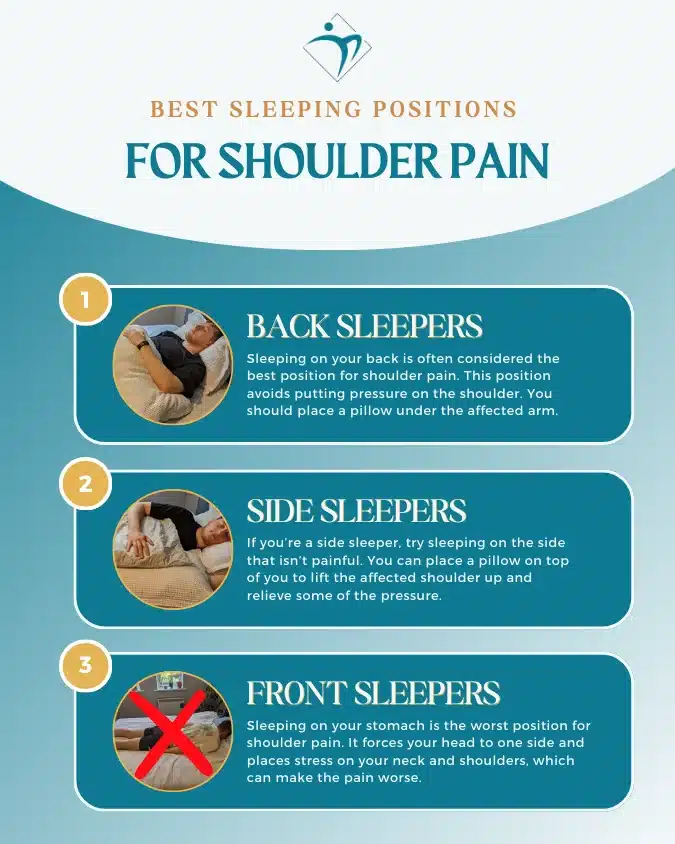
- Stomach sleepers: This position is the worst for neck health, as it forces you to tilt your head to one side for hours to breathe. If you can’t switch positions, use a very thin pillow (or no pillow at all) to keep your neck as neutral as possible.
Pillow material also matters: memory foam and latex hold their shape and provide consistent support, while down and feather pillows flatten over time and need frequent fluffing. Washing your pillow every 3–6 months as part of regular pillow care can i wash my bamboo pillow prevents material breakdown that leads to poor neck support. If you use a memory foam or latex pillow, choosing a pillow material choice that doesn’t retain moisture (especially if you sleep with wet hair occasionally) prevents the pillow from flattening and losing support faster.
Sticking to back sleeping, one of the gentlest postures for spinal alignment what sleep position make your hair straight reduces neck strain while also minimizing friction on hair strands, so it’s a win-win for both your neck and your hair routine. Research from the non-profit Sleep Foundation confirms that back sleeping with a supportive neck roll maintains the spine's natural neutral alignment, reducing strain on cervical vertebrae sleep position and neck health.
Upgrade Your Mattress And Bedding
A mattress that’s too soft or too firm will throw your entire spine out of alignment, including your neck. If your mattress sags when you lie on it, or you wake up with sore hips as well as a sore neck, it may be time to replace it. If you use a mattress topper, make sure it’s not lumpy or compressed: if your topper is worn out, that worn bedding how do you know when to replace gelform mattress pad is a common hidden cause of awkward neck positioning during sleep. When you first unbox a new mattress topper, giving it proper setup 24–48 hours to expand ensures it provides consistent support from the first night.
Build Neck Strength To Prevent Recurrence
Weak neck and upper back muscles are a major, often overlooked cause of repeated morning neck pain. Strong muscles can better support your head’s weight (which averages 10–12 pounds) during sleep, even if your positioning is slightly off. Add 2–3 short strength sessions per week to your routine:
- Neck isometrics: Press your hand against the side of your head, and push your head into your hand without moving it. Hold for 5 seconds, then switch sides. Repeat 5 times per side. This builds strength without straining the neck.
- Rows and face pulls: These upper back exercises improve posture, which reduces forward head posture (a common cause of neck strain during sleep). Start with light resistance bands or 2–5 pound dumbbells, and focus on squeezing your shoulder blades together.
 The right pillow loft keeps your cervical spine aligned with your thoracic spine during sleep.
Source: sleepfoundation.org
The right pillow loft keeps your cervical spine aligned with your thoracic spine during sleep.
Source: sleepfoundation.org
Common Mistakes That Make Neck Pain Worse
Even with the best intentions, small habits can prolong recovery or trigger repeat episodes. Avoid these common mistakes:
- Using too many pillows or a pillow that’s too high: Stacking multiple pillows or using an overly thick one forces your neck into a flexed, forward position overnight, which strains the muscles and ligaments at the back of your neck.
- Sleeping with your arm under your pillow or head: This puts pressure on the brachial plexus (the nerve bundle that runs from your neck to your arm), which can cause both neck pain and tingling in your fingers.
- Doing forceful, quick stretches: Jerky movements or pushing past your range of motion can tear already strained muscle fibers or pinch a nerve. Always move slowly, and stop if you feel sharp pain.
- Relying only on pain medication: Over-the-counter pain relievers mask symptoms, but they don’t fix the underlying alignment or strength issues that caused the pain in the first place. Use them for short-term relief only, while you implement other fixes.
- Ignoring recurring pain: If you wake up with a sore neck more than once a month, that’s a sign of an underlying issue (like poor sleep setup, weak muscles, or an undiagnosed condition) that needs to be addressed, not just masked with pain relievers.
In practice, the people who deal with the fewest repeat episodes are the ones who make one small, consistent change to their sleep setup at a time, rather than overhauling everything at once and burning out.
When To See A Healthcare Provider
The vast majority of sleeping-related neck pain resolves on its own within 3–5 days with at-home care. But there are clear red flags that mean you need to see a doctor, physical therapist, or chiropractor for evaluation:
- Pain that is severe, or does not improve after 3 days of consistent home care
- Numbness, tingling, or weakness in your arm, hand, or fingers
- Pain that shoots down your arm when you turn your head
- Neck pain that occurs after a fall, car accident, or other traumatic injury
- Fever, chills, or neck stiffness that makes it hard to touch your chin to your chest (a sign of meningitis, a rare but serious infection)
- Loss of bladder or bowel control (a sign of severe nerve compression)
A healthcare provider can assess for underlying issues like herniated discs, pinched nerves, or arthritis, and may recommend imaging (like an X-ray or MRI), manual therapy, targeted physical therapy, or in rare cases, more advanced interventions. Don’t ignore recurring neck pain: early intervention prevents minor issues from turning into chronic, long-term problems.
 A physical therapist can assess your mobility and create a custom rehab plan for recurring pain.
Source: cloudinary.com
A physical therapist can assess your mobility and create a custom rehab plan for recurring pain.
Source: cloudinary.com
A 5-Minute Morning Routine To Speed Recovery
Building small, consistent habits into your morning routine can cut recovery time in half and reduce the risk of repeat stiffness. This routine takes 5 minutes or less, and you can do it before you even get out of bed:
- 0:00–0:10: Heat application: Place a warm compress or heating pad on the back of your neck to loosen tight muscles before you move.
- 0:10–0:40: Gentle mobility: Do 2 sets of 10 chin tucks, followed by 5 slow side-to-side head turns and 5 slow chin-to-chest tilts. Move only as far as you can without pain.
- 0:40–1:00: Shoulder rolls and posture reset: Sit up, roll your shoulders forward and backward 5 times each, then stand tall with your shoulders down and back, as if someone is pulling a string up from the top of your head. Hold for 10 seconds.
- 1:00–5:00: Ergonomic check: Adjust your phone, workstation, and pillow setup so your head stays in a neutral position (ears aligned with shoulders) for as much of the day as possible. If you work at a desk, make sure your screen is at eye level so you don’t have to tilt your head down to look at it.
Adjusting nighttime hair habits like avoiding tight hairstyles that pull on the scalp sleeping with wet hair can also reduce unconscious neck tension while you sleep.
 Proper sleep setup is the most effective long-term fix for preventing morning neck pain.
Source: hopkinsmedicine.org
Proper sleep setup is the most effective long-term fix for preventing morning neck pain.
Source: hopkinsmedicine.org
Frequently Asked Questions
How long does neck pain from sleeping wrong usually last?
Most mild cases improve within 48–72 hours with rest, heat, gentle movement, and proper sleep posture. If pain lasts longer than 3 days, or gets worse instead of better, see a healthcare provider to rule out underlying issues.
Is it OK to sleep on my stomach if I woke with a sore neck?
Stomach sleeping is the worst position for neck health, as it forces you to tilt your head to one side for hours to breathe. While you’re healing, stick to back or side sleeping with proper pillow support to avoid worsening strain.
Can I exercise with a painful neck after sleeping wrong?
Light, low-impact movement like walking or gentle stretching is fine, and can actually speed up recovery. Avoid heavy lifting, high-impact workouts (like running or HIIT), or activities that require you to turn your head quickly (like tennis) until the pain eases.
Should I use heat or ice for neck pain after sleeping wrong?
Heat is best for dull, achy muscle strain, as it increases blood flow and loosens tight tissue. Use ice only for sharp, swollen, or acute pain, and apply it wrapped in a cloth for 10 minutes at a time.
Can I crack my neck if it feels stiff?
Avoid intentionally cracking or jerking your neck to relieve stiffness. While occasional cracking is usually harmless, forceful movements can strain ligaments or pinch a nerve, especially if your tissues are already inflamed from sleeping wrong.
Will a neck pillow help with recurring pain?
A contoured neck pillow that supports the natural curve of your cervical spine can help prevent recurring pain, especially if you sleep on your back. Look for pillows with adjustable loft so you can customize the height to fit your sleep position.
When should I see a doctor for neck pain after sleeping wrong?
See a doctor if you have severe pain that doesn’t improve after 3 days, numbness or weakness in your arm/hand, pain after an injury, fever with neck stiffness, or loss of bladder/bowel control. These are signs of a more serious underlying issue that needs professional care.
Final Takeaway
Waking up with a painful neck after sleeping wrong is almost always a temporary, fixable issue. Start with the fast relief steps in the first 30 minutes after waking up, add gentle stretches to your routine, and make small adjustments to your sleep setup to prevent repeats. If your pain lasts longer than 3 days, or you have any red flag symptoms, don’t hesitate to see a healthcare provider for evaluation. Try one small change to your sleep routine this week — like adjusting your pillow height or adding 2 minutes of chin tucks before bed — and track how your neck feels over the next few days. If you have questions about your specific symptoms or sleep setup, drop a comment below and we’ll help you troubleshoot.

Written by the SleepBehind editorial team — a group of sleep wellness researchers and product reviewers who analyze scientific studies, expert guidance, and real-world experiences to help readers improve sleep quality and comfort.