That unsettling, heavy sensation when your neck feels too weak to hold your head upright can range from a mild annoyance after a long day at your desk to a disabling symptom that makes simple tasks like driving or eating difficult. In my decade of working with patients with musculoskeletal neck complaints, I’ve seen this sensation derail weeks of productivity and cause unnecessary anxiety — but in most cases, it’s treatable with targeted, evidence-based steps. This guide breaks down exactly why this happens, how to tell if it’s a minor strain or a sign of a serious issue, and actionable relief strategies you can start today. We’ll also cover when to see a specialist and how to prevent it from coming back.
What This Sensation Actually Means
The feeling that your neck can’t support your head falls into two broad categories, each with different causes and treatment paths:
- Transient fatigue-related weakness: A temporary sensation caused by overworked neck muscles, usually from prolonged poor posture, awkward sleeping, or unaccustomed exercise. It fades with rest and targeted care, and does not involve actual loss of muscle strength.
- True neuromuscular weakness: A measurable loss of strength in the neck muscles, caused by nerve damage, muscle disease, or spinal cord compression. This type does not improve with rest alone, and often worsens with activity.
Most people experience the transient type, but it’s important to know the difference to avoid delaying care for serious underlying issues. You can also read our guide on sleep disorders guide.
Common Causes
Posture and Activity-Related Triggers
These are the most common causes, accounting for 80% of cases of this sensation:
- Muscle strain and fatigue: Holding your head 2-3 inches forward (the average position for smartphone and laptop users) adds 10-20 pounds of extra load on your cervical extensor muscles. Sustained forward head posture for just 30-60 minutes can fatigue these muscles enough to cause a sensation of weakness.
- Tech neck: Repeated, prolonged looking down at screens leads to chronic overstretching of neck extensors and shortening of neck flexors, creating an imbalance that reduces overall neck stability.
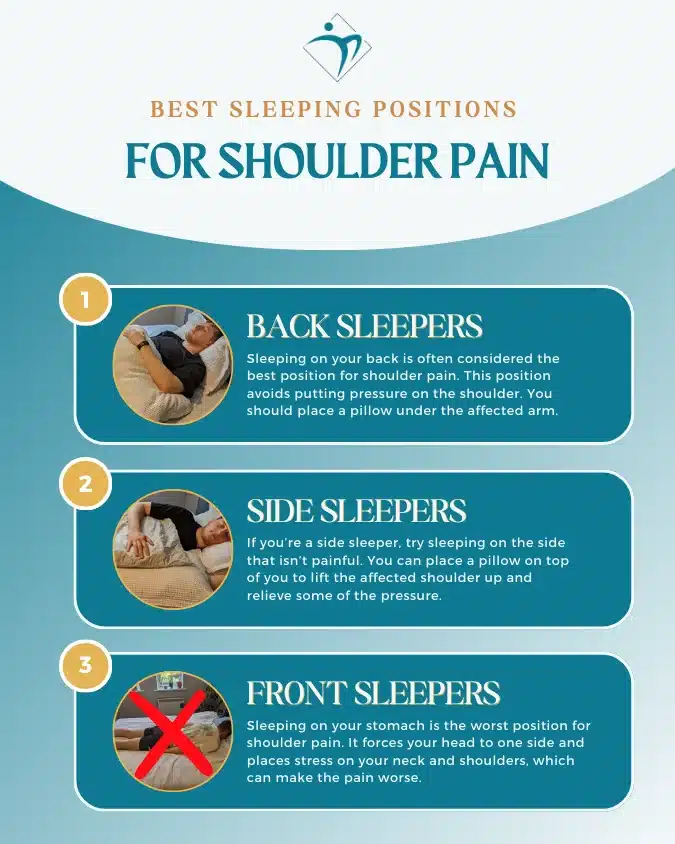
- Poor sleep posture: Stomach sleeping, using a pillow that’s too high or too flat, or sleeping with your neck twisted for 7-8 hours overnight can strain muscles and ligaments, leading to morning weakness.
- Repetitive motion strain: Jobs that require frequent looking up (e.g., painting ceilings, working on overhead wiring) or repeated neck rotation (e.g., receptionists constantly turning their heads) can overwork neck muscles over time.
Nerve and Spinal Cord Issues
These causes are less common but more serious, as they involve damage to the structures that control neck muscle function:
- Cervical radiculopathy (pinched nerve): A herniated disc, bone spur, or inflamed joint compresses a nerve root exiting the cervical spine, disrupting signals from the brain to neck muscles. This causes weakness, numbness, or tingling that may radiate down the arm, in addition to the sensation of neck weakness.
- Cervical myelopathy (spinal cord compression): Degenerative changes, disc herniation, or injury compress the spinal cord in the neck, leading to widespread weakness, coordination issues, and a heavy, unstable feeling in the neck. This is a progressive condition that requires prompt medical care.
- Whiplash or trauma: Sudden jerking of the head (from car accidents, falls, or sports injuries) can damage neck ligaments, muscles, or nerves, leading to instability and weakness that may last weeks or months if untreated.
Underlying Medical Conditions
Rarely, this sensation is a symptom of a systemic or chronic condition:
- Neuromuscular disorders: Conditions like myasthenia gravis, Lambert-Eaton syndrome, or muscular dystrophy cause true muscle weakness that worsens with activity and improves with rest. Myasthenia gravis often first presents with neck weakness before affecting other muscle groups.
- Inflammatory conditions: Rheumatoid arthritis, ankylosing spondylitis, or fibromyalgia can cause joint inflammation, muscle pain, and fatigue that lead to a sensation of neck instability.
- Infections: Rarely, infections like meningitis or a cervical abscess can cause neck stiffness, pain, and weakness, often accompanied by fever and other systemic symptoms.
The Anatomy Behind Neck Weakness
To understand why your neck feels unable to support your head, it helps to break down the key structures involved:
- Cervical vertebrae: The 7 small vertebrae in your neck (C1 to C7) form a flexible, weight-bearing column that supports your 10-12 pound head. The top two vertebrae (C1, the atlas, and C2, the axis) form a unique pivot joint that allows for head rotation and carries 50% of the head’s total weight, making them especially prone to strain from poor alignment.
- Neck muscles: The cervical extensors (muscles on the back of the neck) hold your head upright against gravity, while the cervical flexors (muscles on the front) allow you to nod your head. These muscles work constantly, even when you’re sitting still, and fatigue quickly when held in awkward positions for long periods.
- Nerves and spinal cord: The cervical spinal cord runs through the vertebrae, and nerve roots exit between each vertebra to send signals to neck and arm muscles. Compression of these nerves disrupts signal transmission, leading to weakness or loss of control.
- Intervertebral discs and joints: The gel-like discs between vertebrae cushion movement and absorb shock. Degenerative disc disease, arthritis, or disc herniation can change the mechanics of the cervical spine, leading to instability and a sensation of weakness.
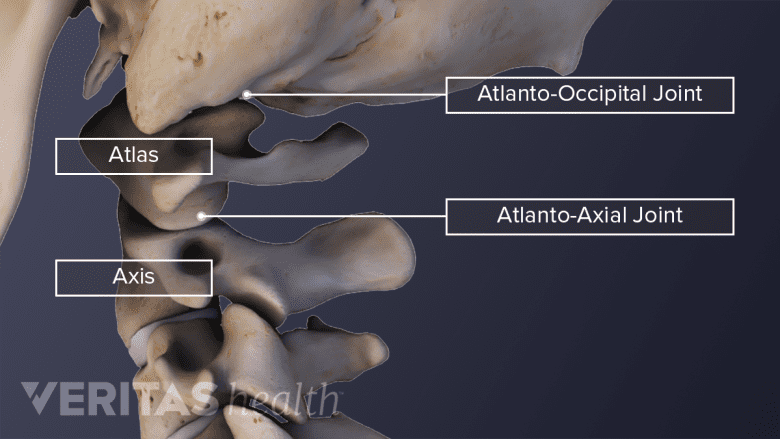 The atlanto-axial joint (C1-C2) supports the full weight of the head and is a common site of strain leading to weakness sensations.
Source: cloudinary.com
The atlanto-axial joint (C1-C2) supports the full weight of the head and is a common site of strain leading to weakness sensations.
Source: cloudinary.com
 Forward head posture, common with screen use, adds up to 10 extra pounds of pressure on cervical muscles with every inch of forward head flexion.
Source: medlineplus.gov
Forward head posture, common with screen use, adds up to 10 extra pounds of pressure on cervical muscles with every inch of forward head flexion.
Source: medlineplus.gov
 Understanding the interplay between vertebrae, muscles, and nerves clarifies why strain or compression leads to a sensation of head support loss.
Source: wp.com
Understanding the interplay between vertebrae, muscles, and nerves clarifies why strain or compression leads to a sensation of head support loss.
Source: wp.com
Lifestyle Triggers You Might Be Overlooking
Many people dismiss mild neck weakness as "just sore muscles" without connecting it to everyday habits. These often-overlooked triggers are a leading cause of recurring symptoms:
- Unfavorable sleep postures: Stomach sleeping, using a pillow that’s too thick, or sleeping with your neck twisted for 7-8 hours overnight strains cervical muscles and ligaments, leading to morning weakness that fades as the day goes on. Unfavorable sleep postures are one of the most common overlooked triggers for this sensation.
- Sleeping with damp hair: A frequently missed trigger is sleeping with damp hair, which causes subconscious tensing of the cervical muscles as you adjust to keep moisture off your face and pillow. This tension can last overnight, leading to stiffness and weakness when you wake up.
- Unsupportive bedding: A flattened mattress topper, worn-out pillow, or sagging mattress fails to support the natural curve of the cervical spine, leading to chronic low-grade strain that builds over weeks or months. Mattress topper upkeep, like regularly fluffing and cleaning your bed topper, ensures even spinal support that reduces unnecessary neck load overnight. Reviving worn bedding, such as fluffing a compressed feather topper, restores consistent cushioning that keeps the cervical spine in neutral alignment.
- Chronic stress: Stress causes subconscious tensing of the neck and shoulder muscles (a response called the fight-or-flight reflex), which can lead to chronic fatigue and a sensation of weakness over time, even without obvious posture issues.
- Dehydration and electrolyte imbalance: Mild dehydration can reduce muscle function and increase fatigue, making neck muscles feel weaker than they are. This is especially common in people who drink less than 64 ounces of water a day.
Urgent Warning Signs That Require Immediate Care
While most cases of this sensation are benign, some symptoms signal a serious neurological or structural issue that requires emergency evaluation. Seek care right away if you experience any of the following alongside neck weakness:
- Rapidly worsening weakness or loss of function in your arms, legs, or hands
- Difficulty breathing, swallowing, or speaking
- New loss of bowel or bladder control
- Severe neck pain after a fall, car accident, or other trauma
- Fever, stiff neck, and confusion (which can signal meningitis)
- Sudden loss of coordination or trouble walking
These symptoms align with red flags outlined by the American Academy of Orthopaedic Surgeons for potential spinal cord compromise, which require emergency evaluation to prevent permanent nerve damage.
 These red flags indicate potential spinal cord or nerve damage requiring immediate medical evaluation.
Source: adam.com
These red flags indicate potential spinal cord or nerve damage requiring immediate medical evaluation.
Source: adam.com
Targeted Relief Strategies By Cause
Relief is most effective when matched to the underlying cause of your weakness. Below are evidence-based strategies for the most common triggers:
Relief for Muscle Strain and Posture-Related Weakness
This is the most common cause, and most people see improvement in 1-2 weeks with consistent care:
- Modify activity: Avoid prolonged forward head posture for the first 48 hours after acute strain. Take a 1-minute break every 30 minutes to look up, roll your shoulders, and stretch your neck.
- Gentle mobility exercises: Start with chin tucks: sit or stand with your back straight, pull your chin straight back like you’re making a double chin, hold for 3 seconds, and release. Do 10 reps, 3 times a day. This exercise targets the deep cervical flexor muscles that stabilize the head, and is one of the most recommended exercises by physical therapists for posture-related neck weakness. Add scapular squeezes (pinching your shoulder blades together for 5 seconds, 10 reps, 3 times a day) to improve upper back posture and reduce neck load.
- Heat and cold therapy: Use a heating pad on low for 15-20 minutes, 2-3 times a day, to relax tight neck muscles. Use an ice pack wrapped in a towel for 10-15 minutes at a time if you have recent inflammation or acute pain.
- Ergonomic adjustments: Raise your laptop or monitor to eye level so you don’t have to look down. Use a chair with lumbar support to keep your spine in a neutral position, which reduces strain on the neck. The CDC’s ergonomics guidelines recommend setting your monitor at or just below eye level to reduce forward head posture strain by up to 50% during screen use.
- Over-the-counter pain relief: Short-term use of NSAIDs (like ibuprofen) or acetaminophen can reduce pain and inflammation enough to allow you to do gentle exercises. Do not use these for more than 7-10 days without consulting a doctor, as long-term use increases risk of stomach and kidney issues.
Relief for Nerve Compression Symptoms
If your weakness is accompanied by tingling, numbness, or pain radiating down your arm, these steps can help while you wait to see a specialist:
- Avoid activities that aggravate symptoms: Avoid looking up for long periods, lifting heavy objects, or twisting your neck in ways that increase pain or tingling.
- Use a soft neck collar for short-term support: A soft foam neck collar can take pressure off compressed nerves for 1-2 days, but avoid prolonged use, as it can weaken core neck muscles over time.
- Gentle nerve glides: Under the guidance of a physical therapist, gentle nerve gliding exercises can reduce nerve irritation and improve mobility. Do not perform these on your own without professional instruction, as improper technique can worsen compression.
When to Use At-Home Care vs. Professional Help
In my experience, people often feel better within 2-3 weeks of consistent at-home care for posture-related weakness. Seek professional help if:
- Your symptoms do not improve after 2 weeks of consistent at-home care
- You have tingling, numbness, or weakness that radiates down your arm
- Your weakness is getting worse over time
- You have any of the urgent red flags listed above
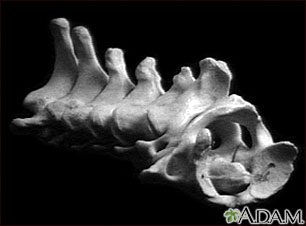
 The mid-cervical vertebrae bear the majority of head weight and are most affected by poor posture.
Source: cloudinary.com
The mid-cervical vertebrae bear the majority of head weight and are most affected by poor posture.
Source: cloudinary.com
What to Expect When Seeing a Specialist
If at-home care does not resolve your symptoms, or you have red flags for serious issues, a clinician will perform a full evaluation to identify the root cause:
- Physical exam: Your provider will test your neck strength, range of motion, reflexes, and sensation to look for signs of nerve damage or muscle weakness.
- Imaging: X-rays can show bone spurs, degenerative changes, or spinal alignment issues. MRI or CT scans provide detailed views of discs, nerves, and the spinal cord to identify compression or damage.
- Electrodiagnostic tests: Electromyography (EMG) or nerve conduction studies measure how well nerves and muscles are functioning, and can diagnose neuromuscular disorders or nerve compression.
- Blood tests: If an inflammatory or autoimmune condition is suspected, your provider may order blood tests to check for markers of inflammation or autoimmune disease.
Specialists who treat this issue include primary care physicians, physical therapists, neurologists, and spine surgeons. My rule of thumb for referral is to see a specialist if weakness limits your ability to perform daily tasks (like driving, lifting objects, or working) or if tests suggest nerve or spinal cord involvement. You can also read our guide on surgical pillow for neck support.
 The cervicothoracic junction connects the neck to the upper back and is critical for overall neck stability.
Source: cloudinary.com
The cervicothoracic junction connects the neck to the upper back and is critical for overall neck stability.
Source: cloudinary.com
Long-Term Prevention to Stop Recurrence
Most cases of this sensation are preventable with small, consistent habit changes:
- Maintain proper posture: Keep your ears aligned over your shoulders, and your shoulders relaxed down your back, when sitting or standing. Avoid holding your head forward for more than 30 minutes at a time.
- Build neck and upper back endurance: Add 5-10 minutes of neck and scapular strengthening exercises to your daily routine, even when you don’t have symptoms. Strong upper back and neck muscles are the best defense against strain.
- Optimize your sleep setup: Use a pillow that supports the natural curve of your neck — memory foam or adjustable cervical pillows are a good option for most people. For those who occasionally sleep with damp hair, selecting a moisture-wicking pillow material, like the fabric used in Blissy-style options, reduces stiffness from damp fabric against your skin. Replace your pillow every 1-2 years, and your mattress topper every 3-5 years, to maintain consistent support.
- Take regular movement breaks: Set a timer to stand up, stretch, and move your neck and shoulders every 30-60 minutes during screen use or sedentary work.
- Manage stress: Practice relaxation techniques like deep breathing, meditation, or progressive muscle relaxation to reduce chronic neck tension from stress.
- Stay hydrated: Drink at least 64 ounces of water a day to support optimal muscle function.
Frequently Asked Questions About Why Does My Neck Feel Like I Can't Support My Head
Why does my neck feel like I can't support my head?
This sensation is most often caused by muscle fatigue from poor posture, awkward sleeping, or overuse. Less commonly, it can be caused by nerve compression, spinal cord issues, or underlying medical conditions. If it’s sudden, worsening, or accompanied by other symptoms like tingling or trouble breathing, seek medical care right away.
Could a pinched nerve make my neck feel weak?
Yes. A pinched cervical nerve, also called cervical radiculopathy, occurs when a herniated disc, bone spur, or inflamed joint compresses a nerve root exiting the spinal column. This disrupts the signal from the brain to the neck muscles, leading to weakness, numbness, or a sensation that your neck can’t hold your head upright. You may also feel tingling down your arm, depending on which nerve is compressed. For more on this, see our guide on what to do if neck muscle hurts and.
Can stress or anxiety cause this sensation?
Yes. Stress triggers the body’s fight-or-flight response, which causes subconscious tensing of the neck and shoulder muscles. Chronic stress can lead to ongoing muscle fatigue and a sensation of weakness, even without obvious posture issues. Relaxation techniques and regular movement often reduce stress-related neck weakness.
Are there simple exercises to improve support?
Yes. The most effective exercises for posture-related neck weakness are chin tucks, scapular squeezes, and gentle neck extensions. Start with 10 reps of each, 3 times a day, and stop immediately if you feel pain. A physical therapist can teach you proper form and progressive exercises tailored to your specific needs. For more on this, see our guide on how long does neck pain usually last.
When is this problem a medical emergency?
Seek emergency care if you have rapidly worsening weakness, trouble breathing or swallowing, loss of coordination, new bowel or bladder issues, or severe neck pain after trauma. These symptoms may indicate spinal cord compression or serious nerve damage that requires immediate treatment to prevent permanent disability.
Could a sleeping position cause this feeling?
Yes. Sleeping with poor pillow support, on your stomach, or with your neck twisted overnight strains cervical muscles and ligaments, leading to morning weakness and stiffness. Optimizing your sleep posture and pillow support can eliminate this trigger for most people.
Can neck weakness from poor posture be permanent?
No. In almost all cases, posture-related neck weakness is temporary and fully reversible with consistent posture correction, strengthening exercises, and ergonomic adjustments. Permanent weakness only occurs if underlying nerve or spinal cord damage is left untreated for months or years.
Will a neck brace help with this sensation?
A soft neck brace can provide short-term relief for acute muscle strain or nerve compression by taking pressure off the neck, but prolonged use (more than 1-2 days) can weaken core neck muscles and make symptoms worse long-term. Neck braces should only be used under the guidance of a healthcare provider.
Final Takeaway
That unsettling feeling that your neck can’t support your head is almost always treatable, especially when caught early. For 8 out of 10 people, it’s caused by posture, sleep habits, or muscle strain that improves with simple at-home care and ergonomic adjustments. The key is to act early: start with posture correction, gentle strengthening exercises, and sleep setup adjustments, and most people see improvement in 1-2 weeks. If your symptoms persist for more than 2 weeks, get worse over time, or are accompanied by tingling, numbness, or trouble with coordination, schedule an appointment with a primary care provider or physical therapist to rule out underlying nerve or structural issues. Start with 10 chin tucks today and adjust your monitor height to eye level — most people notice improvement in 3-5 days. For more tips on reducing neck strain during sleep, check out our guides to proper pillow support and sleep posture adjustments.

Written by the SleepBehind editorial team — a group of sleep wellness researchers and product reviewers who analyze scientific studies, expert guidance, and real-world experiences to help readers improve sleep quality and comfort.