Waking up with a stiff, sore neck after a long day hunched over a laptop or sleeping in an awkward position is a universal frustration, and one of the first questions people ask is: how long does neck pain usually last? The short answer is that most uncomplicated cases resolve in a few days to three weeks, but timelines vary widely depending on the underlying cause, your overall health, and how you manage symptoms early on. This guide breaks down the typical recovery timeline for every common type of neck pain, highlights factors that speed up or slow down healing, and shares actionable, clinician-backed steps to reduce discomfort and prevent recurring flare-ups.
What Causes Neck Pain?
Neck pain can stem from a huge range of triggers, from minor, reversible muscle strain to long-term structural issues. Understanding the root cause of your pain is the first step to predicting how long it will last, and choosing the right treatment.
The most common causes include:
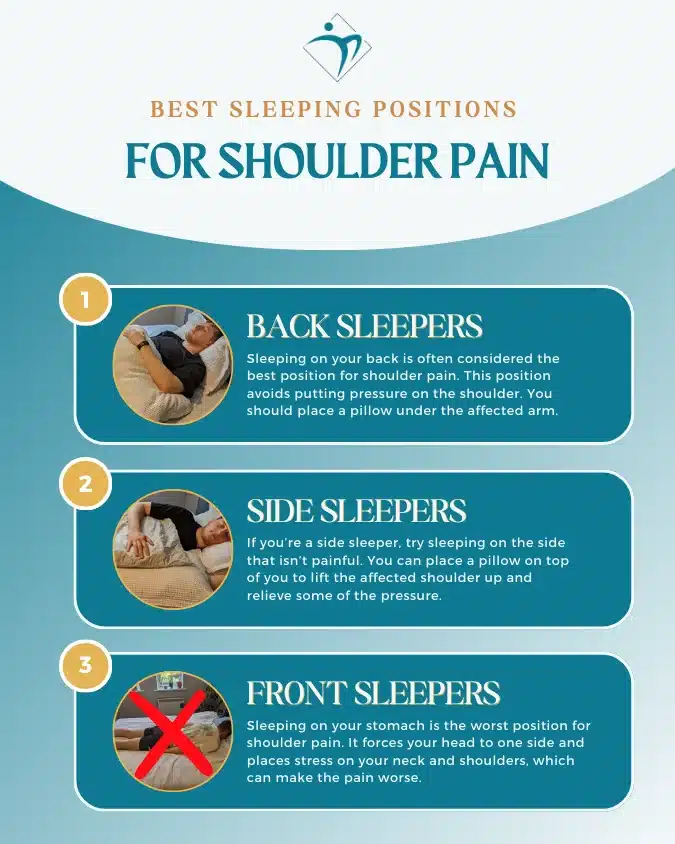
- Muscle strain: Overuse from hunching over a phone or laptop, sudden awkward movements (like jerking your head to look behind you), or sleeping with your neck twisted for hours are all common triggers. Awkward sleeping positions are one of the most frequent causes of acute neck stiffness, especially if you use an unsupportive pillow; you can review sleep positions that worsen neck discomfort to avoid common overnight triggers.
- Joint irritation: The small facet joints that connect your cervical vertebrae can become irritated from arthritis, repetitive motion, or age-related wear, leading to stiffness and pain that worsens when turning your head.
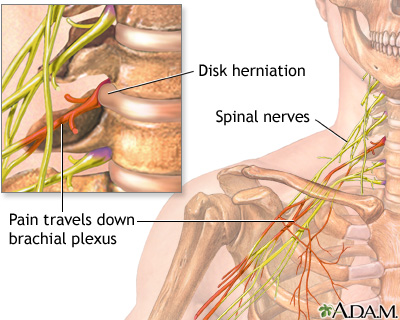
- Disc problems: The soft, cushioning discs between your vertebrae can bulge or herniate over time, or from sudden injury, pressing on nearby nerves and causing radiating pain, numbness, or tingling down the arm.
- Nerve compression: Bone spurs, herniated discs, or tight muscles can compress spinal nerves in the neck, leading to sharp, shooting pain that radiates past the shoulder into the hand.
- Referred pain: Pain originating in the shoulder, upper back, jaw, or even head can feel like it’s coming from the neck, making it harder to diagnose without a clinical evaluation.
- Sleep-related triggers: Using an old, unsupportive pillow that doesn’t keep your neck aligned can also trigger overnight stiffness; if your pillow is lumpy or flattened, you may benefit from learning how to properly care for a supportive bamboo pillow. Sleeping with wet hair can also lead to overnight muscle tension as your neck adjusts to keep damp hair off your face, a common issue many people don’t connect to morning neck pain.
 Illustration of common anatomical triggers for neck stiffness and pain, courtesy of Johns Hopkins Medicine.
Source: hopkinsmedicine.org
Illustration of common anatomical triggers for neck stiffness and pain, courtesy of Johns Hopkins Medicine.
Source: hopkinsmedicine.org
Typical Neck Pain Recovery Timelines
Most neck pain falls into one of three standard recovery categories, defined by how long symptoms persist. This framework makes it easier to understand how long your specific pain is likely to last, and when to seek extra care.
| Timeline Category | Duration | Common Causes | Typical Recovery Path |
|---|---|---|---|
| Acute | 1–14 days | Minor muscle strain, awkward sleeping position, mild joint irritation | Resolves with rest, ice/heat, and gentle movement; no medical care needed for most cases |
| Subacute | 2–12 weeks | Unresolved acute strain, mild disc irritation, repetitive stress from poor ergonomics | Improves with guided exercises, posture correction, and occasional manual therapy |
| Chronic | 12+ weeks | Degenerative cervical arthritis, untreated herniated discs, long-term poor posture, unresolved injuries | Requires a mix of physical therapy, lifestyle adjustments, and sometimes medical interventions to manage symptoms |
Most people experience acute neck pain at some point in their lives, and it almost always stems from a minor, reversible issue. You might feel sharp soreness when turning your head, or stiffness that makes it hard to look over your shoulder. Most cases improve on their own within a week, especially if you avoid aggravating activities and use basic self-care. For example, a stiff neck from sleeping with your head twisted will usually fade in 2–3 days with gentle stretches and a supportive pillow. If you frequently sleep with wet hair, choosing safe overnight hair styles for wet hair that don’t pull on your scalp or neck can also reduce overnight tension and prevent morning stiffness.
Subacute neck pain lasts between 2 and 12 weeks, and it usually develops when acute pain isn’t properly managed early on. For example, if you ignore a mild strain from hunching over your laptop for 8 hours a day and keep repeating the same aggravating motions, pain can linger and become harder to resolve. This stage often responds well to physical therapy, ergonomic adjustments to your workspace, and consistent gentle stretching. Many people see significant improvement within 4–6 weeks of consistent care.
Chronic neck pain lasts 12 weeks or longer, and it’s usually tied to underlying structural issues or long-term lifestyle habits. Conditions like cervical osteoarthritis, degenerative disc disease, or unresolved whiplash injuries often fall into this category. Chronic pain rarely goes away on its own, and it usually requires a multi-faceted approach: physical therapy to build strength, pain management strategies, and long-term changes to posture and daily habits. For some people, chronic neck pain can fluctuate, with flare-ups triggered by stress, overexertion, or poor sleep.
 Graphic breaking down the three standard recovery stages for neck pain, from acute to chronic.
Source: cloudfront.net
Graphic breaking down the three standard recovery stages for neck pain, from acute to chronic.
Source: cloudfront.net
Key Factors That Change Your Recovery Timeline
Two people with the exact same neck injury can have wildly different recovery times, depending on a range of personal and lifestyle factors. According to the National Institute of Arthritis and Musculoskeletal and Skin Diseases, these are the most common variables that impact how long neck pain lasts:
- Age and overall health: As we age, spinal discs naturally lose hydration and cushioning, making them more prone to irritation and slower to heal. People with underlying chronic conditions like diabetes, autoimmune disorders, or chronic pain conditions also often experience longer recovery times, as these issues can reduce the body’s natural healing capacity.
- Severity of the initial injury: A mild muscle strain from a single night of awkward sleeping will resolve far faster than a herniated disc pressing on a spinal nerve, or a whiplash injury from a car accident. More severe injuries damage more tissue, requiring more time and targeted care to heal.
- How quickly you start care: In practice, people who begin basic self-care (gentle movement, ice/heat, over-the-counter pain relief) within 48 hours of pain onset often recover much faster than those who wait a week or more to address symptoms. Delaying care can also increase the risk of acute pain becoming chronic.
- Daily habits and sleep quality: People who work sedentary desk jobs, hunch over their phones for hours a day, or repeat the same neck-straining motions daily will have slower recovery than those who take regular movement breaks and practice good posture. Poor sleep quality is also a major factor: sleeping on an unsupportive pillow or a worn-out mattress topper can aggravate neck pain nightly, delaying healing. If you’re using an old mattress topper that’s lost its cushioning, you may want to review signs it’s time to replace your gelform mattress pad to improve spinal alignment overnight.
- Stress levels: High chronic stress tightens neck and shoulder muscles, increases inflammation, and can amplify pain signals, all of which slow recovery. People who manage stress with regular movement, breathing exercises, or mindfulness often see faster improvement.
 Key factors that can lengthen or shorten your neck pain recovery timeline, per MedlinePlus.
Source: medlineplus.gov
Key factors that can lengthen or shorten your neck pain recovery timeline, per MedlinePlus.
Source: medlineplus.gov
Evidence-Based Treatments to Shorten Recovery Time
The right treatment can cut your recovery time in half, but the best option depends on the cause and severity of your pain.
At-Home Care for Acute Neck Pain (First 1–2 Weeks)
For mild, uncomplicated neck pain, start with these evidence-backed self-care steps:
- Gentle movement, not bed rest: A common mistake people make is wearing a neck brace or staying in bed for days, which actually weakens neck muscles and slows healing. Instead, do gentle range-of-motion stretches (slowly turning your head side to side, tilting your ear toward your shoulder) 3–4 times a day, as long as they don’t increase pain.
- Ice and heat therapy: For the first 48 hours of acute pain from a strain or injury, apply an ice pack wrapped in a thin towel to the sore area for 15–20 minutes at a time, 3 times a day, to reduce inflammation. After 48 hours, switch to a heating pad or warm shower to relax tight muscles and improve blood flow.
- Over-the-counter pain relief: Nonsteroidal anti-inflammatory drugs (NSAIDs) like ibuprofen or naproxen can reduce pain and inflammation for short-term use, but follow dosage instructions and avoid long-term use without a clinician’s guidance.
- Posture adjustments: Avoid hunching over your phone or laptop, and keep your screen at eye level so you don’t have to tilt your head down for hours. If you work at a desk, take a 2–3 minute movement break every 30 minutes to roll your shoulders and stretch your neck.
Professional Care for Persistent or Severe Neck Pain
If pain lasts longer than 2 weeks, or you have radiating symptoms, see a clinician to rule out underlying structural issues. Common professional treatments include:
- Physical therapy: A licensed physical therapist will create a personalized plan of stretches, strengthening exercises, and posture training to address the root cause of your pain. Most people see improvement within 4–8 weeks of consistent therapy.
- Manual therapy: Chiropractic adjustments, massage, or myofascial release can relieve tight muscles and improve range of motion for short-term pain relief, especially for subacute pain.
- Medical interventions: For severe nerve-related pain, a clinician may recommend prescription muscle relaxants, corticosteroid injections to reduce inflammation around compressed nerves, or (in rare cases) surgery to address structural issues like herniated discs or spinal instability. Surgery is only recommended for a small subset of people with severe, treatment-resistant nerve compression or spinal instability.
 Overview of medical and at-home treatments for neck pain and how they affect healing time, via NHS.
Source: nhs.uk
Overview of medical and at-home treatments for neck pain and how they affect healing time, via NHS.
Source: nhs.uk
When to See a Doctor for Neck Pain
Most neck pain is benign and resolves with self-care, but you should seek medical attention immediately if you experience any of the following red flag symptoms:
- Neck pain after a fall, car accident, or other traumatic injury, especially if it’s accompanied by severe headache, dizziness, or confusion (this could signal a concussion or spinal injury)
- Radiating pain, numbness, tingling, or weakness in your arms, hands, or fingers, which can indicate a pinched nerve or spinal cord compression
- Pain that gets worse instead of better after 1–2 weeks of consistent self-care
- Fever, chills, or unexplained weight loss alongside neck pain, which can be a sign of infection or other underlying medical conditions
- Loss of bladder or bowel control, or difficulty walking, which are emergency signs of serious spinal cord compression
The CDC recommends seeking immediate care for neck pain accompanied by loss of bladder control, difficulty walking, or severe weakness, as these can be signs of serious spinal cord compression. If you have chronic neck pain that lasts 3 months or longer, schedule an appointment with a primary care provider or spine specialist to rule out underlying structural issues and get a personalized treatment plan.
 Infographic outlining warning signs that indicate you should see a clinician for neck pain, courtesy of Verywell Health.
Source: verywellhealth.com
Infographic outlining warning signs that indicate you should see a clinician for neck pain, courtesy of Verywell Health.
Source: verywellhealth.com
Prevention Tips to Avoid Recurring Neck Pain
Once your neck pain resolves, small, consistent habits can drastically reduce your risk of future flare-ups and shorten recovery time if you do experience pain again:
- Optimize your sleep setup: Use a pillow that keeps your neck in a neutral alignment (not too high, not too flat). Memory foam or latex pillows are often good for side and back sleepers, while stomach sleepers should use a very thin pillow to avoid tilting the head up. If you often sleep with wet hair, opt for a loose, low-tension style to avoid pulling on neck muscles overnight; you can find safe overnight hair styles for wet hair that won’t cause tension. If your mattress topper is lumpy or worn out, it can throw off your spinal alignment at night; check how to know when to replace your feather mattress topper to ensure you have proper support. For people who regularly sleep with wet hair, the healthiest way to sleep with wet hair can also reduce overnight neck tension and prevent morning stiffness.
- Practice good desk ergonomics: Keep your computer monitor at eye level, so your head is not tilted down or up for hours. Use a headset for phone calls instead of cradling your phone between your shoulder and ear, and keep your shoulders relaxed and back supported with a lumbar pillow if needed.
- Take regular movement breaks: If you work at a desk, set a timer to stand up, stretch, and roll your shoulders every 30–60 minutes. Even 2 minutes of movement every hour can reduce muscle tension and prevent stiffness.
- Build neck and upper back strength: Simple exercises like shoulder blade squeezes, chin tucks, and upper back rows can strengthen the muscles that support your cervical spine, reducing the risk of strain. Many physical therapists recommend adding these to your routine 2–3 times a week.
- Manage stress: Chronic stress causes muscles in the neck and shoulders to tense up, increasing the risk of pain and slowing recovery. Try short daily breathing exercises, yoga, or mindfulness practices to reduce overall tension.
 Practical self-care and ergonomic tips to reduce neck pain flare-ups, courtesy of Mayo Clinic.
Source: mayoclinic.org
Practical self-care and ergonomic tips to reduce neck pain flare-ups, courtesy of Mayo Clinic.
Source: mayoclinic.org
Frequently Asked Questions
How long does neck pain usually last after a muscle strain?
Most mild muscle strains resolve in 3–7 days with basic self-care, while more severe strains may take 2–3 weeks to fully heal. If pain lasts longer than 3 weeks, or you have trouble moving your head, see a clinician to rule out more serious injury.
How long does neck pain usually last from a pinched nerve?
Pinched nerve pain in the neck (cervical radiculopathy) typically improves within 6–12 weeks with physical therapy and conservative care. Some cases take 3–6 months to resolve, and surgery is only recommended if symptoms don’t improve after 6 months of consistent treatment, or if there is significant muscle weakness.
How long does neck pain usually last after whiplash?
Whiplash pain usually peaks in the first 24–72 hours after injury, and most people see significant improvement within 4–6 weeks. However, a subset of people develop chronic whiplash-associated disorder that lasts longer than 3 months, especially if they don’t start gentle movement and physical therapy early.
How long does neck pain usually last without treatment?
Mild, uncomplicated neck pain may resolve on its own in 1–2 weeks, but lack of care increases the risk of the pain becoming chronic. Delaying treatment can also lead to muscle weakness, reduced range of motion, and a higher risk of recurring flare-ups.
When does neck pain become chronic?
Neck pain is classified as chronic when it lasts 12 weeks or longer, or when it recurs frequently over several months. Chronic neck pain is often tied to underlying structural issues, long-term poor posture, or unresolved injuries, and requires a long-term management plan rather than just short-term pain relief.
Can stress change how long neck pain usually lasts?
Yes. Chronic stress causes persistent muscle tension in the neck and shoulders, increases systemic inflammation, and can amplify pain signals, all of which prolong recovery and increase the risk of recurring pain. Managing stress with regular movement, sleep hygiene, and relaxation techniques can shorten recovery time for many people.
Conclusion
Most neck pain is temporary and resolves with basic self-care, but understanding the typical timeline for your specific symptoms can help you know when to take action and when to see a clinician. Start with gentle movement, ergonomic adjustments, and good sleep hygiene to speed up healing, and don’t hesitate to seek professional care if pain lasts longer than 2 weeks or you have red flag symptoms. For more tips to reduce overnight muscle tension and avoid morning stiffness, explore our guide to sleeping with wet hair safely.

Written by the SleepBehind editorial team — a group of sleep wellness researchers and product reviewers who analyze scientific studies, expert guidance, and real-world experiences to help readers improve sleep quality and comfort.