Sleep hygiene tips improve sleep quality by fixing habits, routine, environment, and stress.
I’ve spent years studying and testing sleep hygiene tips, helping friends and clients sleep better. This guide pulls together research, real-world experience, and clear steps you can use tonight. Read on for simple, proven sleep hygiene tips that fit real life.
Why sleep hygiene matters
Good sleep hygiene sets the stage for deep, restorative sleep each night. Poor habits make it hard to fall asleep and leave you tired during the day. Consistent sleep hygiene tips help regulate your body clock and reduce nighttime wake-ups. Improving these habits improves mood, focus, and health.
:max_bytes(150000):strip_icc()/what-is-sleep-hygiene-5085887-FINAL-831b8421e75249f0952fbf4efb0adda7.png)
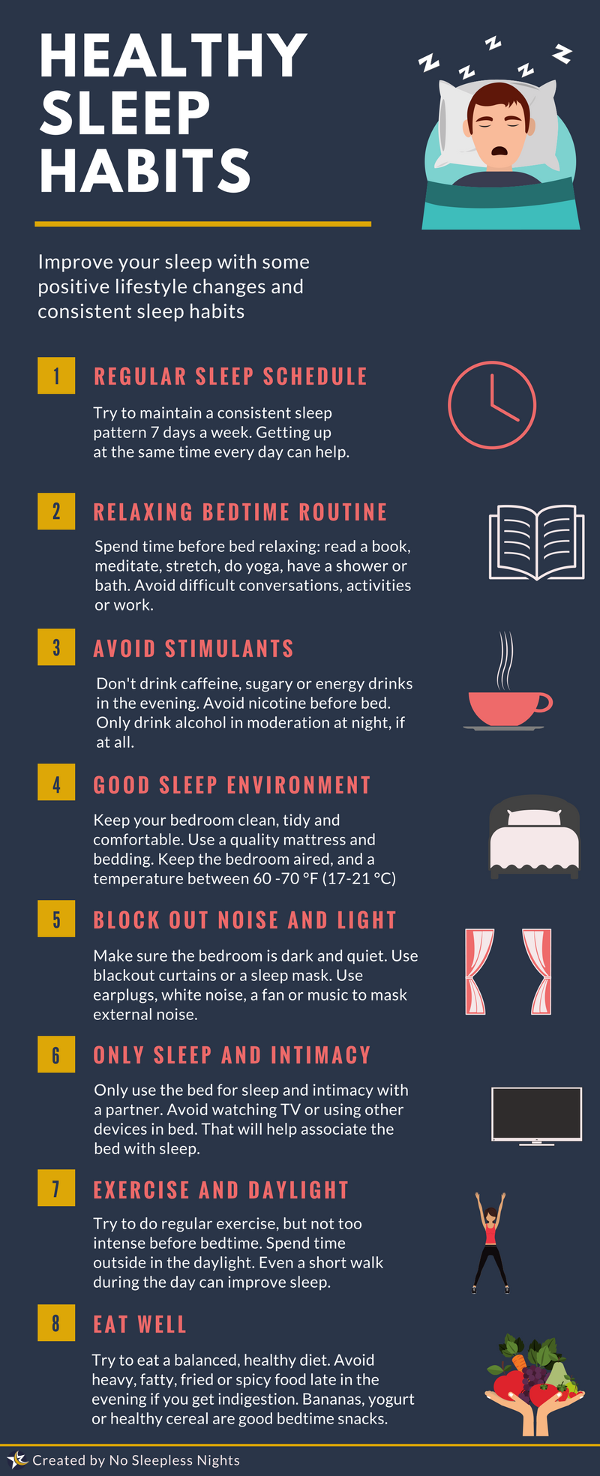
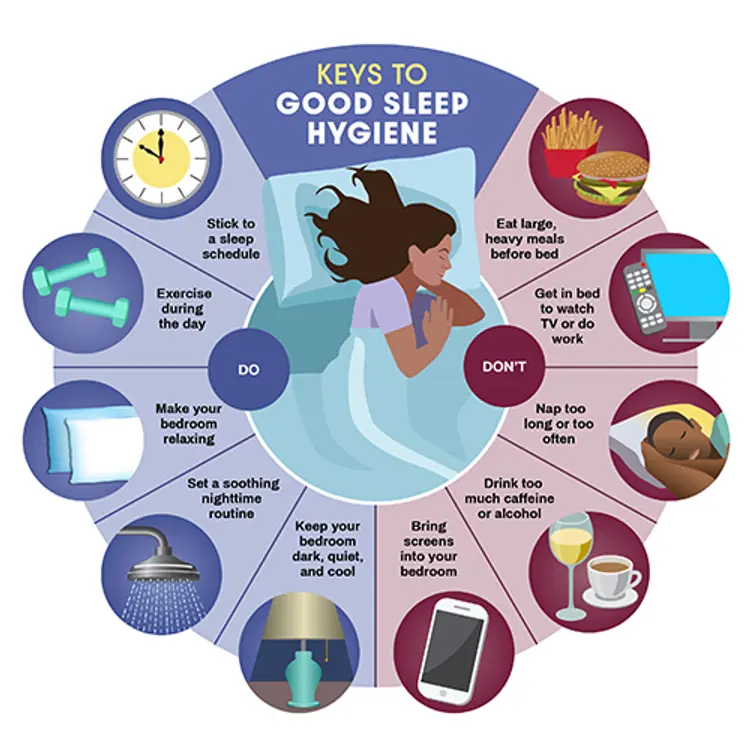
Core sleep hygiene tips
Below are practical sleep hygiene tips you can use now. Each tip is short and actionable. Try one change at a time and track how you feel.
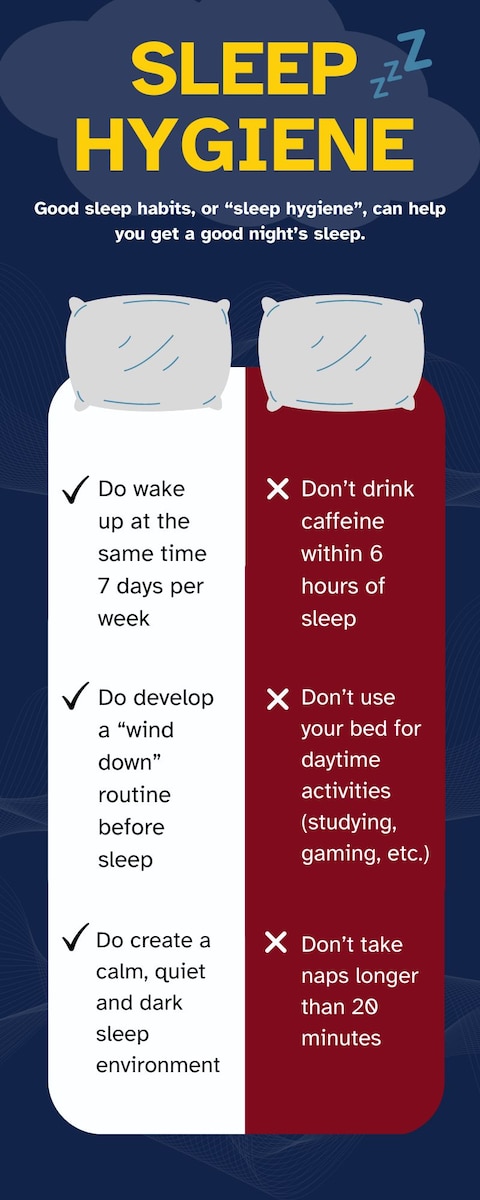
Keep a consistent schedule
- Go to bed and wake up at the same times every day, even on weekends.
- A regular schedule trains your circadian rhythm.
- Start with 15–30 minute shifts if your current times vary widely.
Create a calming bedtime routine
- Do the same low-key activities before bed, like reading or light stretching.
- Avoid heavy tasks or stress right before sleep.
- A routine signals your brain it’s time to wind down.
Optimize your sleep environment
- Make the room cool, quiet, and dark.
- Use blackout curtains and remove bright electronics.
- A tidy, comfortable bedroom invites calm sleep.
Limit screens and blue light before bed
- Stop screens 60–90 minutes before sleep when possible.
- If you must use devices, enable blue light filters or wear blue-blocking glasses.
- Light from screens can delay your sleep hormone release.
Watch caffeine and alcohol
- Avoid caffeine 8–10 hours before bedtime.
- Alcohol may make you sleepy but harms deep sleep later in the night.
- Pay attention to hidden caffeine in tea, chocolate, and some meds.
Time your exercise
- Regular exercise helps sleep, but avoid intense workouts close to bedtime.
- Aim for moderate exercise earlier in the day or at least 3 hours before bed.
- Gentle evening movement, like yoga, can be calming.
Manage naps wisely
- Short naps (20–30 minutes) can refresh you without harming night sleep.
- Long or late naps can make it hard to fall asleep at night.
- If naps are needed, keep them early afternoon.
Mind your meals and fluids
- Finish large meals 2–3 hours before sleep.
- Limit heavy or spicy foods that can cause reflux.
- Reduce fluid intake close to bedtime to avoid night awakenings.
Practice stress and worry management
- Try journaling, deep breathing, or a short meditation before bed.
- Write down worries earlier in the evening so they don’t replay in bed.
- Cognitive strategies can shorten time to fall asleep.
When to seek professional help
- If insomnia lasts more than a few weeks, consult a provider.
- Persistent sleep problems may need cognitive behavioral therapy for insomnia or a sleep study.
- Ask for help if daytime function suffers despite good sleep hygiene.

My real-life experience improving sleep
I once struggled with light and late-night work emails. I used several sleep hygiene tips over eight weeks and tracked results. First, I set a strict screen cut-off at 9 p.m. Then I fixed my room temperature and made a 30-minute wind-down routine. Within two weeks I fell asleep faster and woke up less during the night. The lesson: small, consistent changes compound into big wins.
Common mistakes to avoid
- Relying on sleep aids as a long-term solution. They mask problems but don’t fix habits.
- Ignoring morning light. Exposure to daylight helps set your internal clock.
- Doing work in bed. Your brain should link bed with sleep, not tasks.
- Drastic changes overnight. Large shifts can backfire; make gradual adjustments.
- Skipping evaluation when problems persist. Chronic issues deserve a professional check.

How to build a 4-week sleep hygiene plan
Follow this step-by-step plan to improve sleep hygiene tips and habits.
Week 1: Assess and set schedule
- Track sleep and habits for seven days.
- Pick realistic bed and wake times.
- Adjust by 15–30 minutes if needed.
Week 2: Tweak environment and routine
- Make the bedroom dark, cool, and quiet.
- Create a 30–60 minute pre-sleep routine.
- Remove work and screens from bed.
Week 3: Adjust diet and activity
- Cut caffeine after mid-day.
- Plan exercise earlier in the day.
- Try light evening stretching or breathing.
Week 4: Fine-tune and evaluate
- Note changes in sleep quality and daytime energy.
- Drop one bad habit you still have.
- If little improves, reach out to a healthcare provider.
Tools and products that help
- White noise machine or fan to mask sounds.
- Blackout curtains to block street and morning light.
- Comfortable mattress and pillows that support good posture.
- Sleep tracker or a simple sleep diary for patterns.
- Blue light filters on devices or blue-blocking glasses.
- Relaxation apps for guided breathing and sleep stories.

Frequently Asked Questions of sleep hygiene tips
What are basic sleep hygiene tips to start with?
Start with a consistent sleep schedule, a calm bedtime routine, and a dark, cool bedroom. These three changes often yield quick improvements in sleep.
Can screen time ruin sleep hygiene?
Yes. Blue light from screens delays melatonin and keeps your brain alert. Stopping screens 60–90 minutes before bed helps most people.
How long before bed should I stop caffeine?
Aim to stop caffeine 8–10 hours before bedtime. People vary, so adjust based on how sensitive you are.
Are naps bad for sleep hygiene?
Short naps can boost alertness without harming night sleep. Avoid long or late naps that reduce sleep pressure at night.
When should I see a sleep specialist?
See a specialist if sleep problems last several weeks, you feel very tired daytime, or you suspect sleep apnea or another disorder.
Conclusion
Good sleep hygiene tips give you a clear path to better nights and brighter days. Start small, be consistent, and track your changes. Try one tip tonight and build from there—your body will thank you. Leave a comment with what worked for you, or subscribe to get more practical sleep tips and updates.

Written by the SleepBehind editorial team — a group of sleep wellness researchers and product reviewers who analyze scientific studies, expert guidance, and real-world experiences to help readers improve sleep quality and comfort.