Sleep environment optimization boosts rest by controlling light, noise, temperature, and air quality.
I’ve spent years helping people sleep better by testing setups, measuring changes, and reading the science. This article gives practical, research-backed steps for sleep environment optimization you can use tonight, with budget tips, common mistakes, and real-life lessons from my work with clients.
Why sleep environment optimization matters
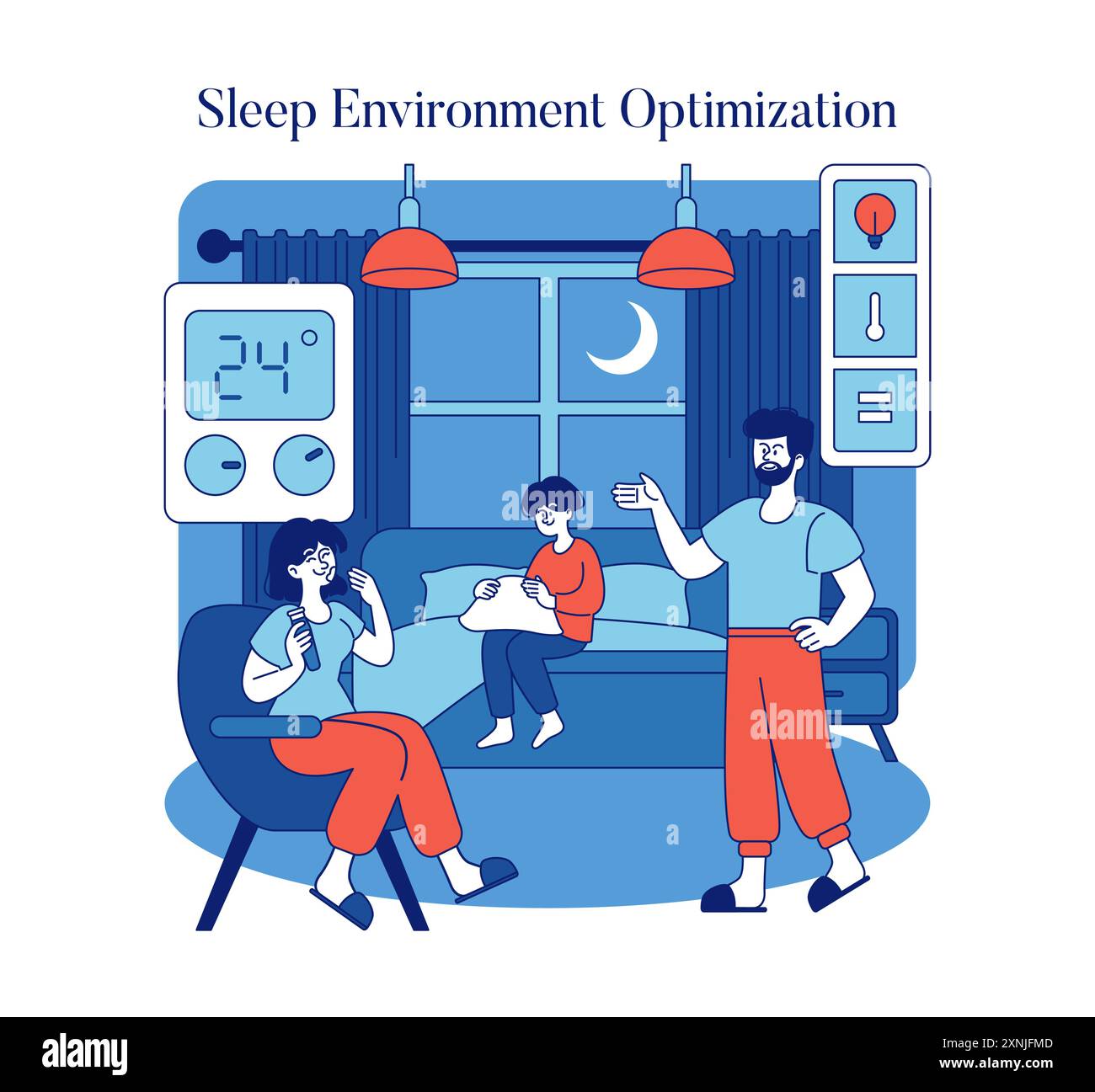
A calm bedroom helps your body fall asleep faster and stay asleep longer. Sleep environment optimization shapes the cues your brain uses to relax. Light, sound, temperature, and air quality tell your body whether it is safe to sleep or stay alert.
Poor sleep increases stress, hurts mood, and erodes focus. Simple changes in the room often give the biggest gains. Good sleep environment optimization can improve sleep quality without pills or big lifestyle overhauls.

Core elements of sleep environment optimization
Below are the main areas to optimize. Tuning them together creates a strong foundation for better sleep.
Temperature
- Aim for 60 to 68°F (15 to 20°C) for most people. Cooler rooms help the body lower core temperature.
- Use a fan, thermostat, or breathable bedding to control heat.
- Avoid heavy pajamas and thick duvets if you run hot.
Light
- Block bright sources with blackout curtains or eye masks.
- Reduce blue light from screens 60 to 90 minutes before bed.
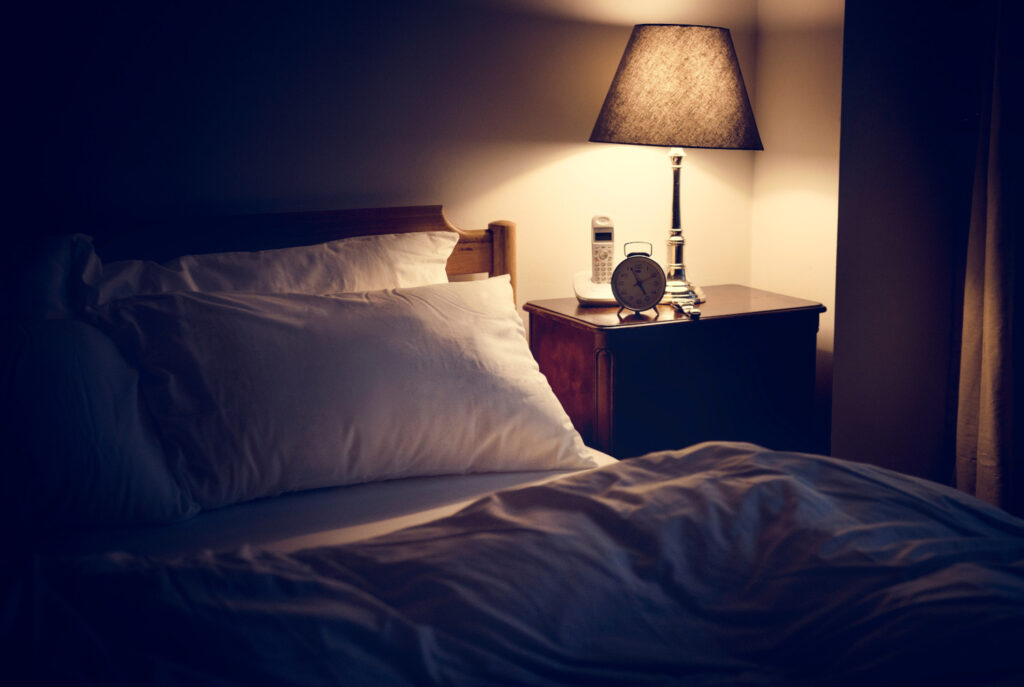
- Use warm, dim bedside lamps for pre-sleep routines.
Noise
- Use white noise, fans, or sound machines to mask intermittent sounds.
- Seal gaps around windows and doors if street noise wakes you.
- Earplugs work well for people who prefer silence.
Bedding and mattress
- Choose a mattress that supports your spine and reduces pressure points.
- Replace pillows every 1–3 years depending on wear.
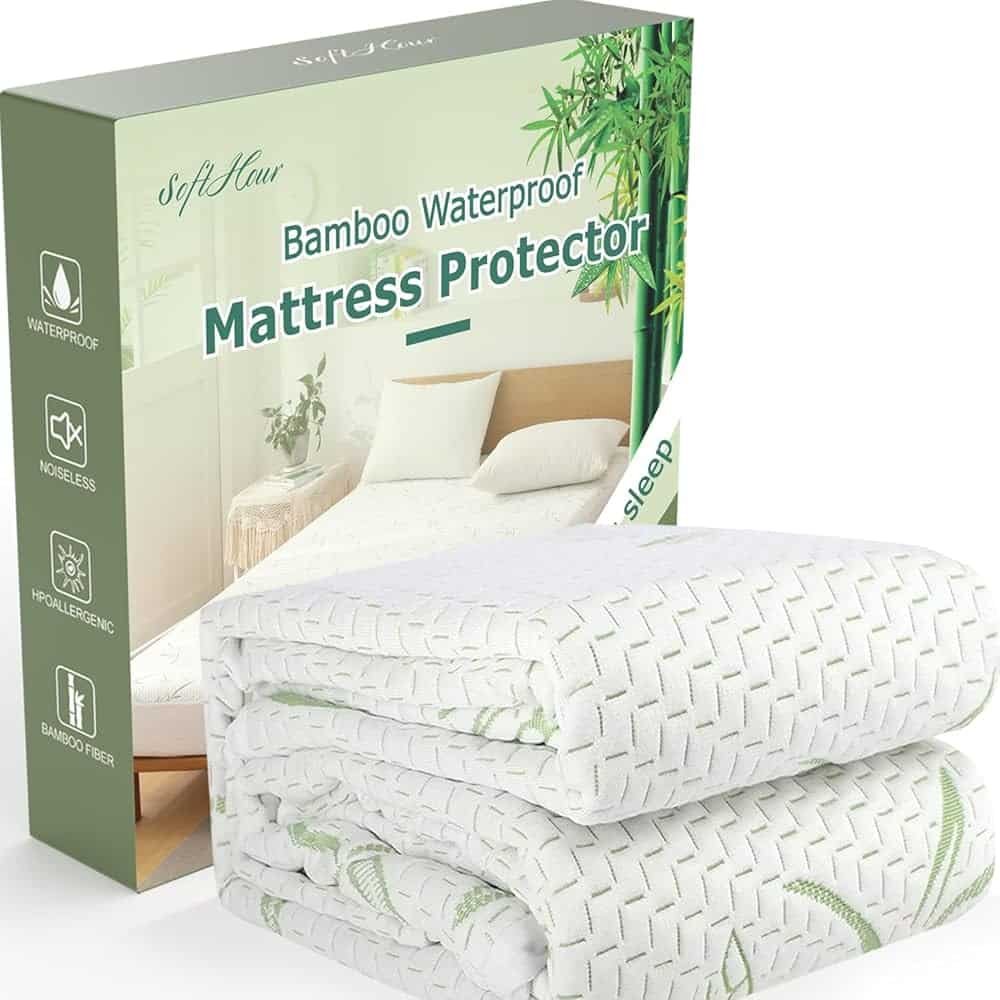
- Use breathable sheets and moisture-wicking fabrics to regulate heat.
Air quality and humidity
- Keep humidity between 40% and 60% to avoid dry air or mold risks.
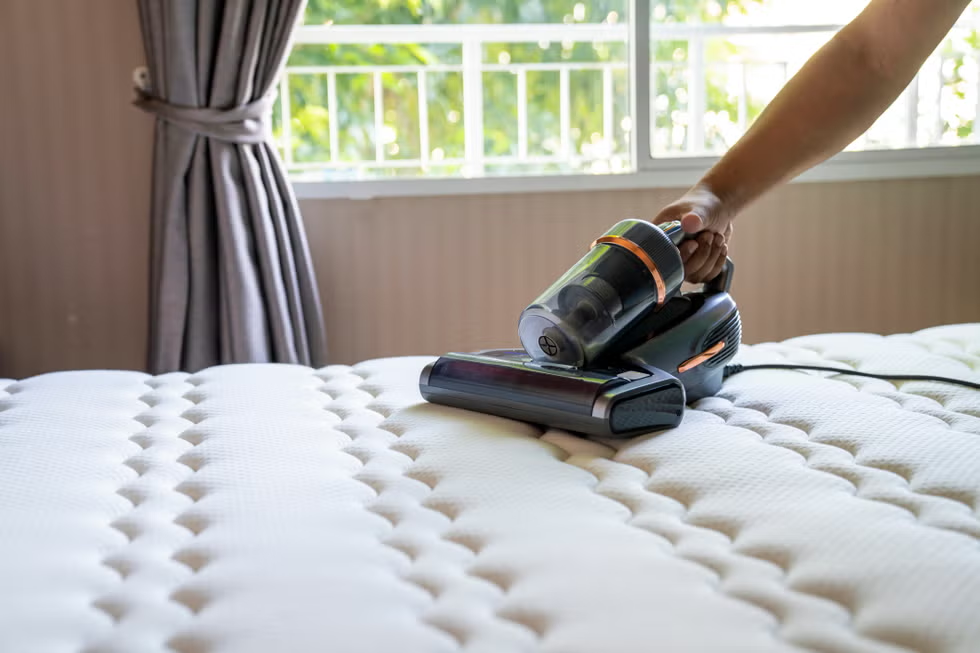
- Ventilate daily and consider a small air purifier if triggers are present.
- Plants can help a bit, but don’t overdo them in small rooms.
Layout and clutter
- Keep sleep surfaces for sleep only. Remove work and screens from the bed.
- A tidy room signals calm and reduces cognitive load at night.
- Position the bed away from noisy windows when possible.

Step-by-step bedroom checklist for sleep environment optimization
Follow these steps to make measurable changes in a week.
- Evaluate and measure
- Track sleep for 3–7 nights with a simple app or sleep diary.
- Note wake times, light sources, and noises that interrupt sleep.
- Control light
- Install blackout curtains or use an eye mask.
- Replace bright bulbs with warm, dimmable bulbs.
- Tame temperature
- Set bedroom thermostat to 60–68°F.
- Use breathable bedding and adjust pajamas.
- Reduce noise
- Try a white noise machine for 1–2 nights and compare sleep.
- Use earplugs if noise remains an issue.
- Improve air and humidity
- Ventilate for 10 minutes daily or use an air purifier.
- Use a humidifier in dry climates.
- Upgrade bedding and mattress
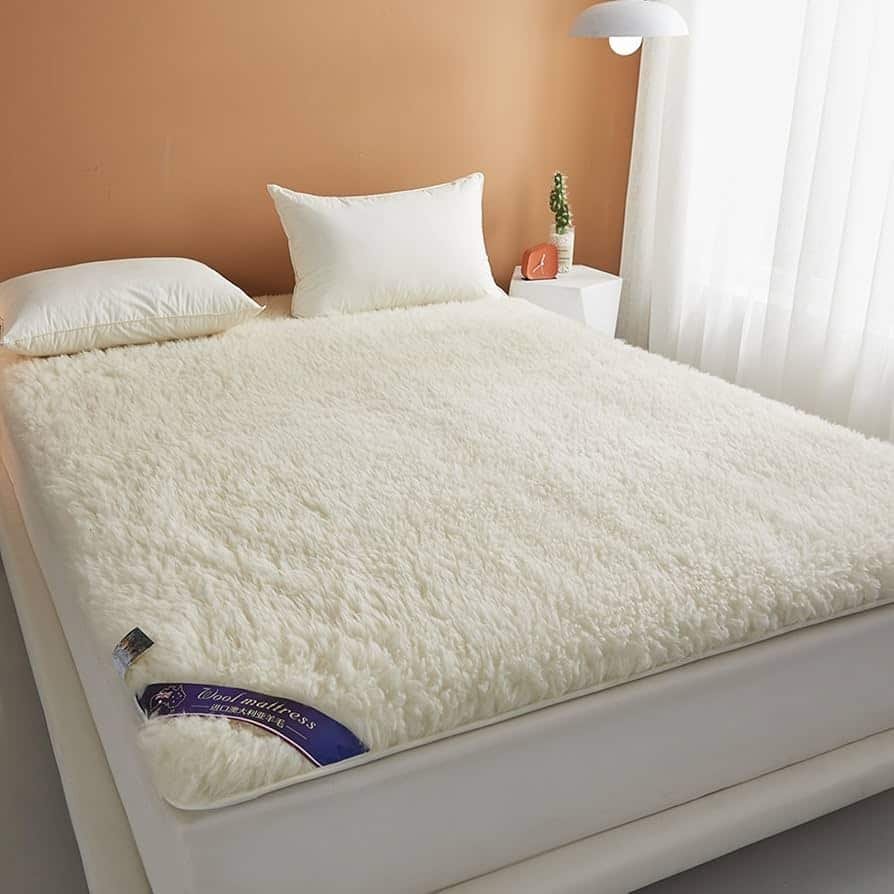
- Test mattress toppers if a full replacement is not affordable.
- Replace pillows that no longer support your neck.
- Create a pre-sleep ritual
- Wind down with 20–30 minutes of low-light, low-stimuli activities.
- Avoid screens and stressful tasks before bed.

Advanced tweaks and tech for sleep environment optimization
If basic changes aren’t enough, try these options.
- Smart thermostats
- Program a cooler temperature at night to match natural rhythms.
- Sleep-friendly lighting
- Use warm, programmable bulbs that dim on a schedule.
- Sound and vibration tools
- Low-frequency sound or pillow speakers can help deep sleep for some people.
- Air sensors and purifiers
- Monitor VOCs, particulates, and humidity for better air decisions.
- Mattress tech and wearables
- Sleep trackers and smart bedding can show how changes affect sleep time and awakenings.
Use tech as a tool, not a crutch. Track one change at a time so you know what works.
Common mistakes to avoid in sleep environment optimization
Avoid these traps that waste time and money.
- Changing many variables at once
- Makes it hard to know what helped or hurt.
- Relying only on supplements or gadgets
- Environment matters most; pills can mask but not fix poor cues.
- Overheating the room
- Warm rooms fragment sleep for most adults.
- Ignoring daytime habits
- Day light exposure and exercise shape nighttime sleep cues.
- Using mattresses without testing
- A mattress trial is key; comfort is personal.
My personal experience and lessons learned
I’ve redesigned bedrooms for friends and clients and tested dozens of products. Small shifts often gave the biggest wins. For one client, moving the bed away from a thin window and adding blackout curtains cut wake-ups in half within a week.
I once bought a costly smart mattress topper before adjusting room temperature. It helped, but the biggest gain came after fixing light and noise. Lesson: prioritize basic sleep environment optimization first. Save money for upgrades only after testing low-cost fixes.

Measuring and tracking results for sleep environment optimization
Track what you change and how you sleep. Keep metrics simple.
- Use a sleep diary to record bed time, wake time, and awakenings.
- Try a wearable or phone app to measure sleep duration and awakenings.
- Change one factor at a time for 7–14 nights and compare results.
- Note daytime energy, mood, and focus as part of your tracking.
Small, consistent wins add up. Data helps you keep what works.

Costs and return on investment for sleep environment optimization
Costs vary by choice. Start with low-cost items.
- Low-cost fixes (under $100)
- Blackout curtains, eye masks, earplugs, a fan, or new pillow.
- Mid-range upgrades ($100–$500)
- Quality mattress topper, white noise machine, smart bulbs, humidifier.
- High-end investments ($500+)
- New mattress, smart thermostat, advanced air purifier.
Return on investment shows up as better mood, fewer sick days, and sharper focus. Think of sleep environment optimization as a small home upgrade with a big payoff.

Frequently Asked Questions of sleep environment optimization
What is sleep environment optimization and why is it important?
Sleep environment optimization means designing your bedroom to support sleep through light, sound, temperature, and air quality control. It is important because the bedroom sends signals that help or hinder your body’s sleep system.
How long does it take to see results from sleep environment optimization?
Many people notice changes in 3 to 7 nights after making key adjustments like darkening the room and cooling the temperature. For other changes, allow 2 to 4 weeks to measure consistent improvement.
Can I improve sleep without buying expensive products?
Yes. Low-cost steps like blackout curtains, a fan for white noise, and decluttering often deliver the biggest gains before any big purchases.
Is a cool room always better for sleep?
Most adults sleep better in cool rooms, generally 60 to 68°F. Individual comfort varies, so test within that range and track how you feel.
Should I use tech like sleep trackers and smart devices?
Tech can help you measure and automate changes, but use it to track results, not replace basic habits. Start simple and add tech when you need clearer data.
Conclusion
Sleep environment optimization is a practical path to better rest. Focus first on light control, cool temperature, noise reduction, and breathable bedding. Make one change at a time, track results, and scale investments based on what actually helps you sleep.
Try one small change tonight—close the curtains, lower the thermostat, or add a fan. If this guide helped, share your results, subscribe for more tips, or leave a comment about what worked for you.

Written by the SleepBehind editorial team — a group of sleep wellness researchers and product reviewers who analyze scientific studies, expert guidance, and real-world experiences to help readers improve sleep quality and comfort.