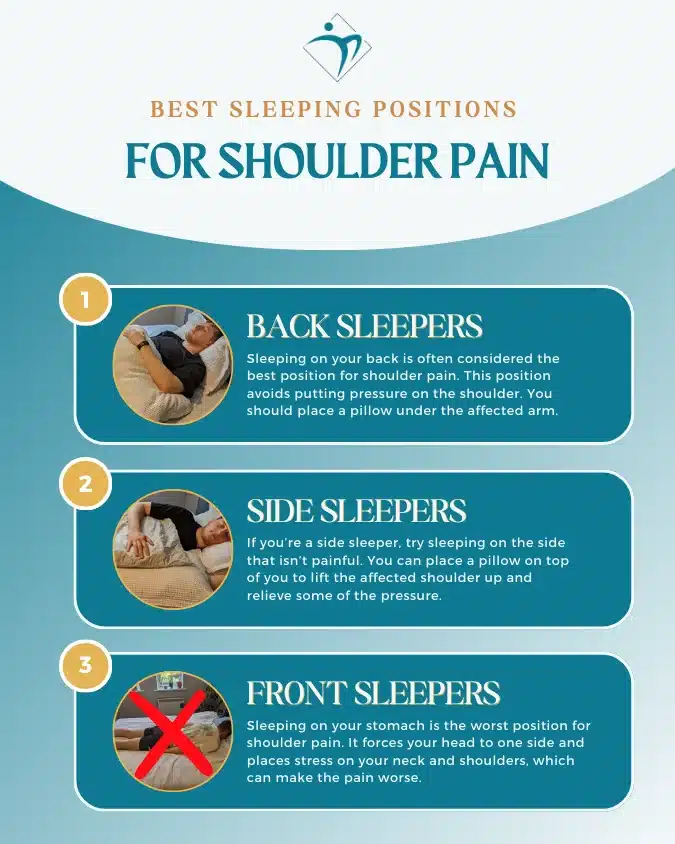
Pillow height & sleep position should match your neck and spine to prevent pain and improve rest.
I have spent years studying sleep ergonomics and testing pillows with clients and friends. This article explains pillow height & sleep position in clear, practical steps. You will learn how to pick the right pillow height for back, side, and stomach sleepers. I share simple measurements, common mistakes, and real tests I run when fitting pillows. Read on for proven tips you can use tonight to sleep better.
Why pillow height matters for sleep quality and health
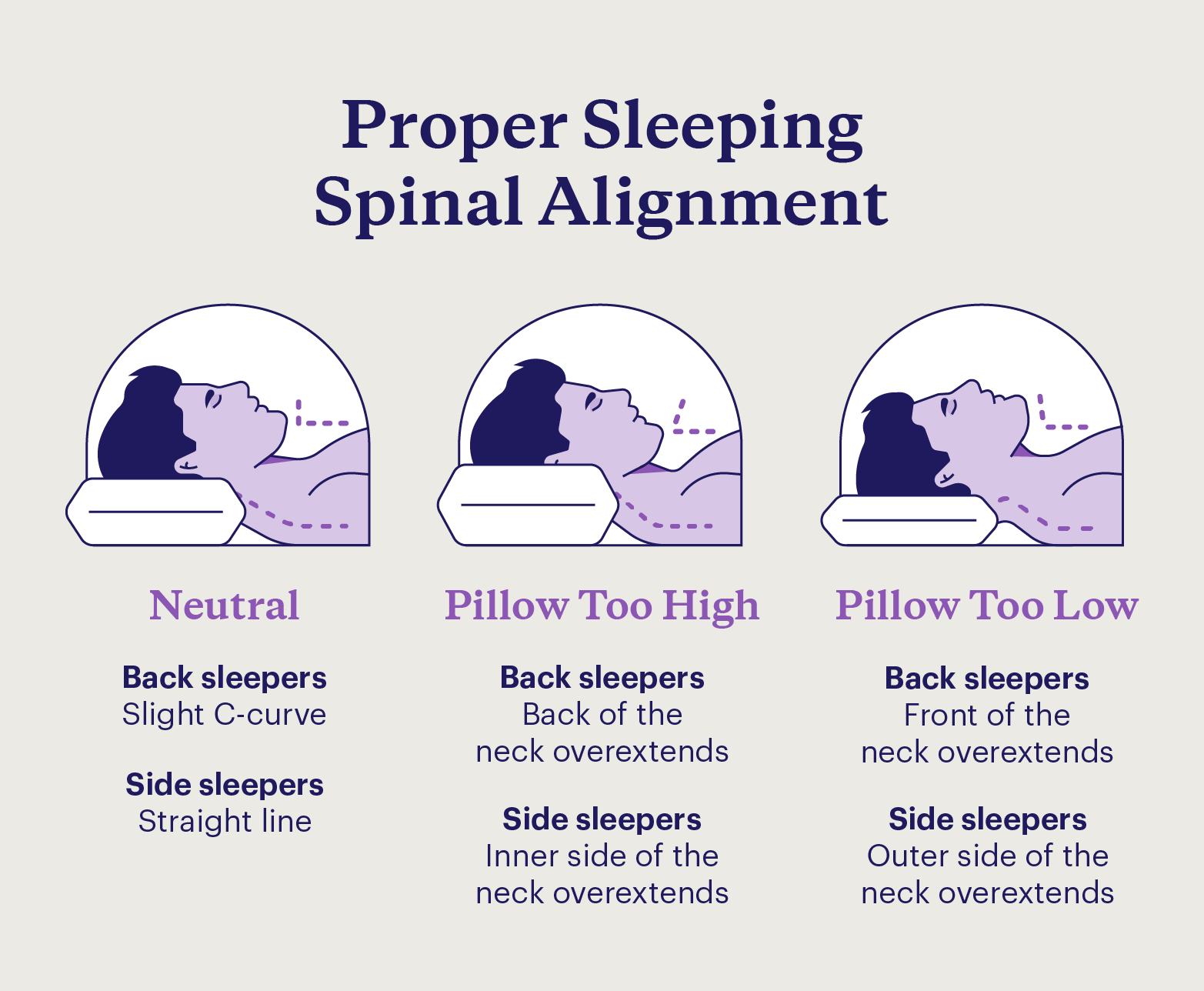
Pillow height affects neck alignment. Poor height can strain muscles and cause pain. Good height keeps the head aligned with the spine. That reduces snoring, numbness, and morning stiffness.
Pillow height & sleep position work together. Each position needs a different height to keep the airway clear and the neck neutral. Getting this right helps you sleep deeper and wake up refreshed.
How to match pillow height to your sleep position
Matching pillow height to your sleep position is simple when you know what to look for. The goal is a neutral neck. Neutral means your head is neither tilted up nor dropped down.
Back sleepers
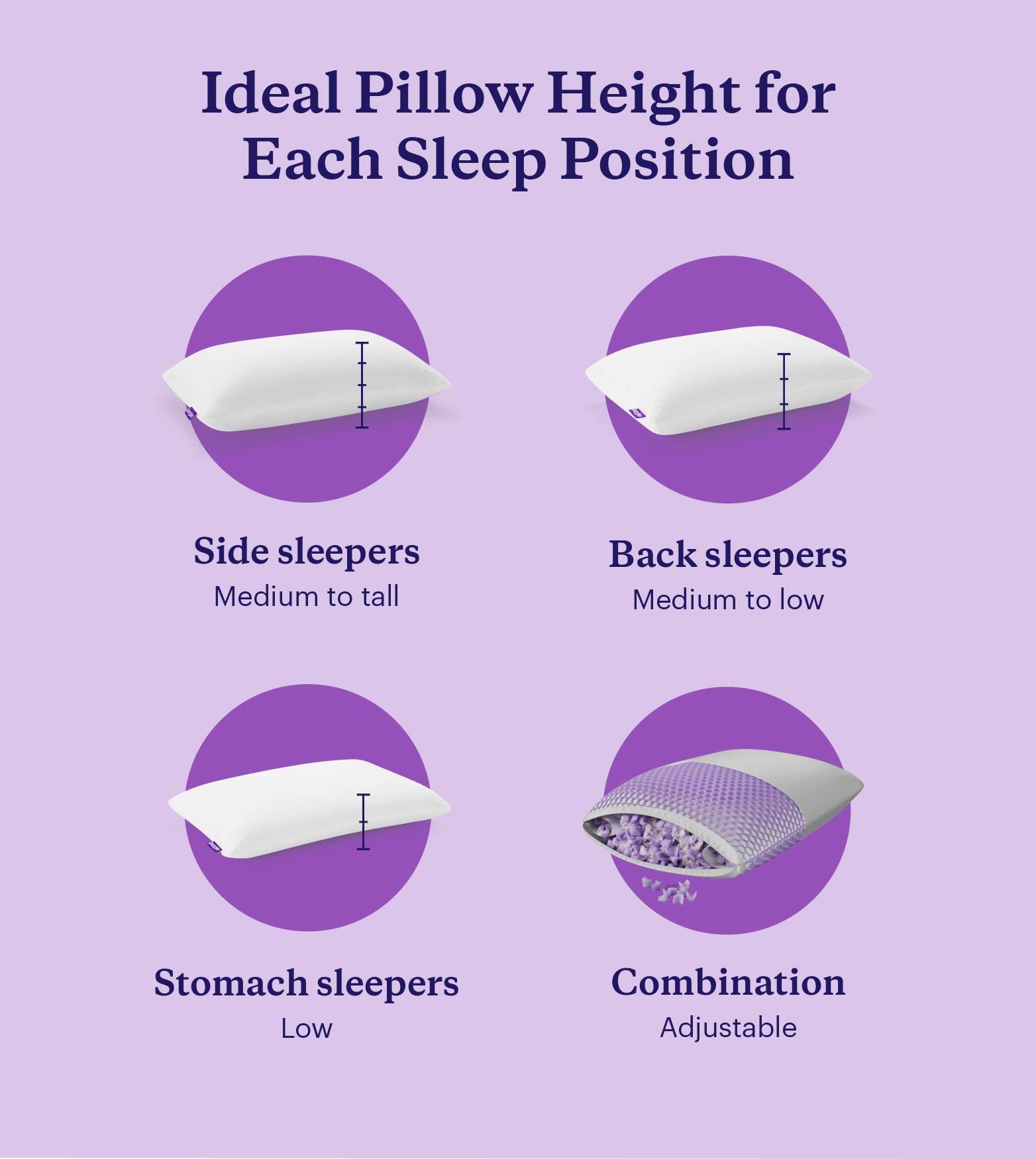
- Aim for a medium pillow height that fills the gap under the neck.
- Look for support in the curve of the neck rather than a tall stack under the head.
Side sleepers
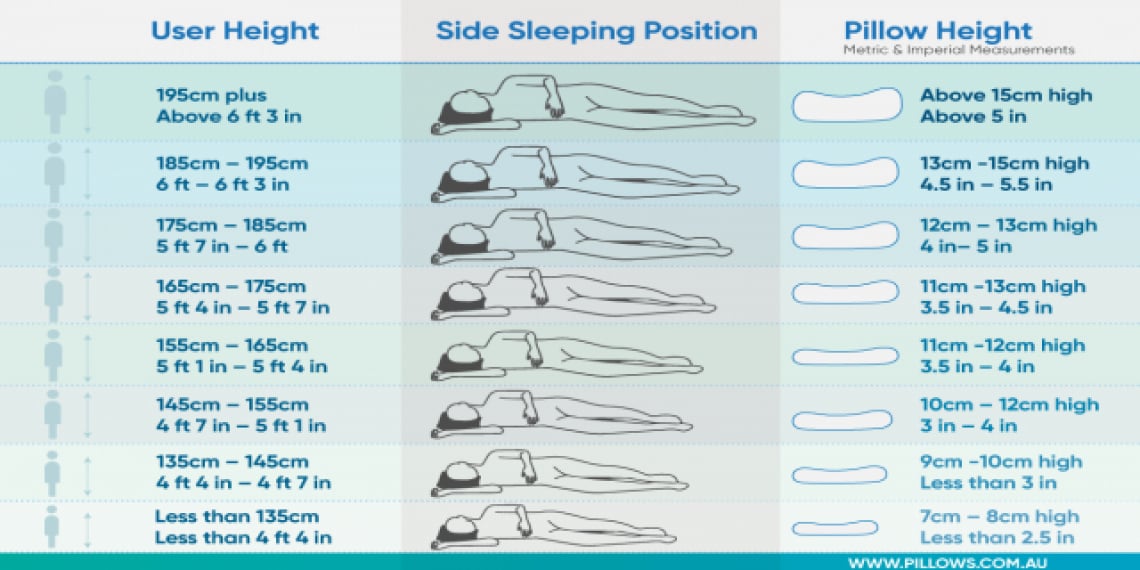
- Choose higher pillow height to keep the head level with the spine.
- The pillow should fill the space from shoulder to ear.

Stomach sleepers
- Use a thin, soft pillow or no pillow at all.
- A low profile helps keep the neck from twisting too far backward.
Understanding these basics of pillow height & sleep position makes choosing easier. Try small changes first. Small moves often fix the problem without buying a new pillow.
How to measure your ideal pillow height at home
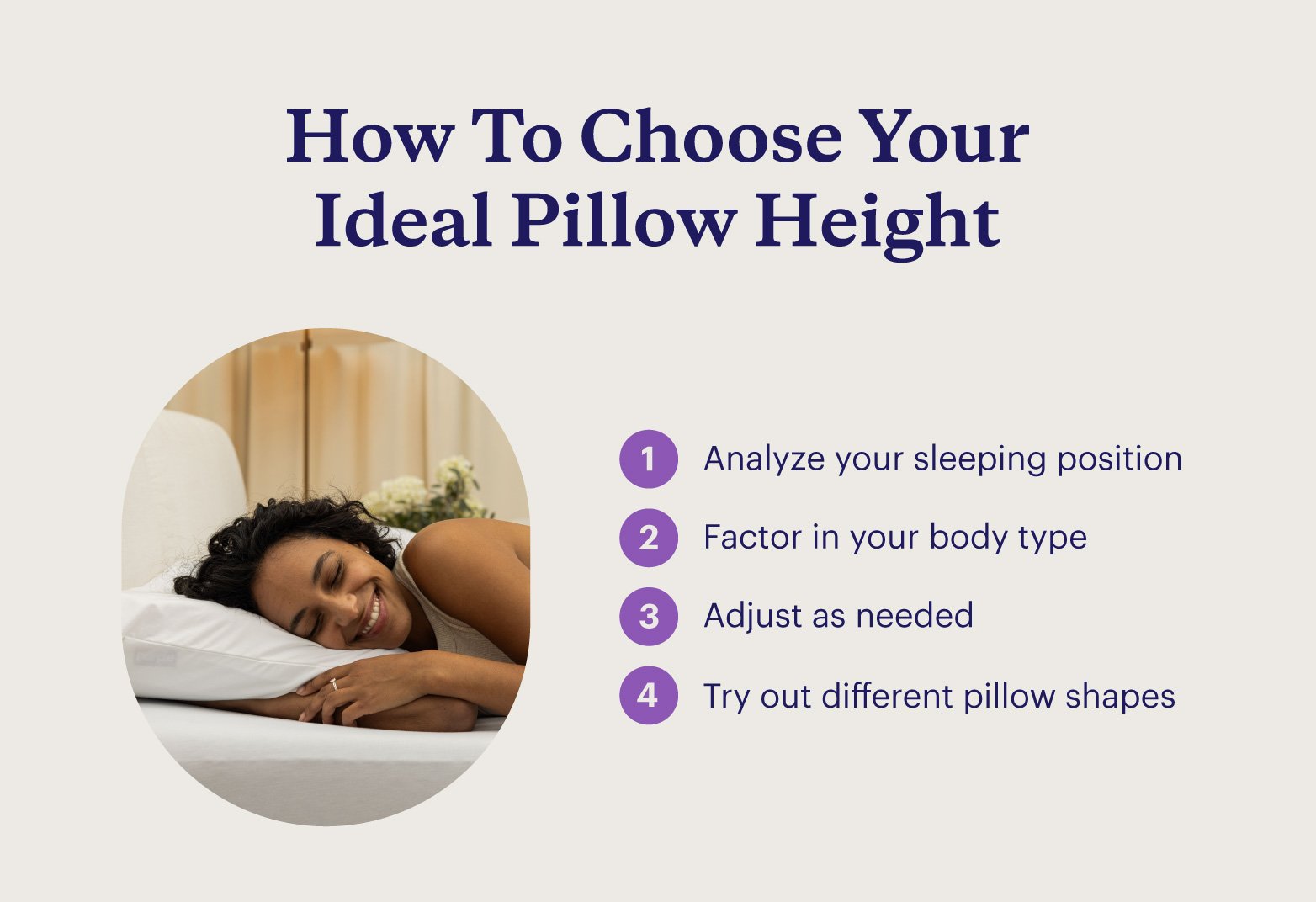
You can measure ideal pillow height with a few simple steps. These are accurate and fast.
Step 1: Lie on your mattress in your usual sleep position.
Step 2: Ask someone to check the neck alignment or use a mirror.
Step 3: Measure the gap between shoulder and ear for side sleeping. That depth is your pillow height.
Step 4: For back sleeping, measure the curve from neck base to back of the head. That gives a good starting height.
If you don’t have help, use a stack of folded towels or thin blankets. Adjust until your neck feels neutral. This makes testing different heights easy and low cost.
Pillow height & sleep position tests like this are what I use with clients to find a fast fix. The method reduces guesswork and saves money.
Pillow types, materials, and recommended heights
Different pillow materials change the effective height. Choose one that holds shape and supports your measured height.
- Good for contouring and back sleepers.
- Offers steady support at the measured pillow height.
Latex
- Resilient and breathable.
- Works well for side sleepers who need stable height.
Down and down alternatives
- Soft and compressible.
- Best for stomach sleepers or those who like low profile.
Adjustable pillows
* Have inserts or zippers to raise or lower height.
- Ideal when you are unsure of your perfect pillow height.
When you consider pillow height & sleep position, pick a material that keeps its shape through the night. That prevents your head from sinking too far by morning.
How to adjust and test pillow height over time
A pillow may feel right at first and then change with use. Test and adjust regularly.
Try these steps
- Sleep with the pillow for a few nights and note any neck pain.
- Add or remove loft using folded towels or an adjustable insert.
- Track sleep quality, pain, and snoring for a week after each change.
If you wake with new pain, re-evaluate height and firmness. My clients often think they need a new pillow. Often, a 1/4 to 1/2 inch change fixes the issue.
Pillow height & sleep position are not fixed. They can change with mattress type, weight, or even hair style. Test periodically to keep alignment right.

Categories
- BeautyRest Mattress Guide and Comparison
- Blog
- Buyer Guides And Comparison
- CPAP and Sleep Apnea Pillows
- DreamCloud Guide and Comparison
- Earbuds vs Headphones
- Mattress And Sleep Product
- Mattress Tips
- Neck and Cervical Pillows
- Nectar Guide and Comparison
- Novilla Mattress Guide and Comparison
- Pillows And Bedding
- Product Reviews
- Sealy Dreamlife Guide and Comparison
- Sleep Accessories
- Sleep Earbuds and Sleep Headphones
- Sleep Lifestyle And Wellness
- Sleep Tips
- Sweetnight CoolNest Guide and Comparison
- ZINUS Mattress Guide and Comparison
Personal experience: lessons from fitting pillows
I have fitted pillows for people of different ages and body types. Here are honest lessons I learned.
Real test that helped
- A friend with chronic neck pain thought a taller pillow would help. It made pain worse. Lowering the pillow solved the issue in three nights.
- A client who snored less after raising pillow height by a half inch reported better breathing and energy.
Common mistakes I see
- Choosing pillow by feel in the store rather than testing in your sleep position.
- Ignoring mattress depth and shoulder width when picking height.
These real-world examples show small changes matter. The right pillow height & sleep position combo can change sleep quality drastically.

Common problems and solutions for pillow height issues
Problem: Neck pain after sleeping
- Solution: Lower pillow height if your chin points up. Raise if your head falls down.
Problem: Waking with hand numbness or shoulder pain


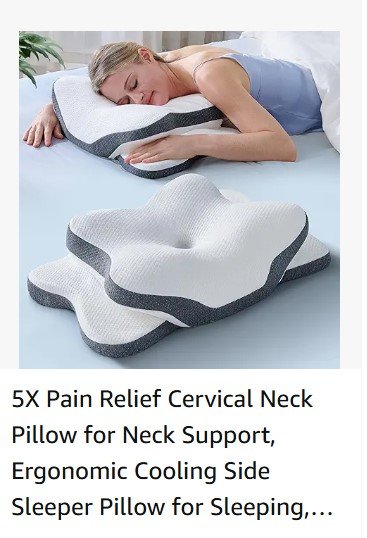
Check on Amazon
- Solution: Check pillow height and mattress firmness. Side sleepers often need a higher pillow.
Problem: Increased snoring
- Solution: Try slightly raising pillow height for back sleepers to open the airway. Avoid overly tall pillows.
Problem: Pillow loses loft quickly
- Solution: Choose durable fill or an adjustable pillow so you can restore height when needed.
Fixing these issues often requires small, testable shifts. I recommend trying one change for a week before switching again.

How mattress and body shape affect pillow height
Mattress softness and body shape change how much pillow height you need. Soft mattresses let your shoulder sink more. That can require a taller pillow for side sleepers.
Tall or wide-shouldered people usually need more height. Slim or narrow-shouldered people often do better with lower height. Back and stomach sleepers are less affected by shoulder width but may need different support depending on spine curve.
Think of pillow height & sleep position as a system. Adjust one part and check the others. This approach helps you find a lasting solution.

Frequently Asked Questions of pillow height & sleep position
What is the best pillow height for side sleepers?
Side sleepers usually need a higher pillow height to keep the head level with the spine. Aim to fill the gap between shoulder and ear for neutral alignment.
Can the wrong pillow height cause headaches?
Yes, the wrong pillow height can strain neck muscles and cause morning headaches. Adjusting to a neutral height often reduces headaches after a few nights.
How often should I change my pillow for proper height?
Pillows vary, but test height every three to twelve months depending on fill. Replace or refill when the pillow no longer supports your measured height.
Is a firmer pillow always better for alignment?
Not always. Firmness and height work together. A pillow must hold the measured height and support the neck; too firm can tilt your head and cause misalignment.
Can mattress type change my pillow needs?
Yes, softer mattresses can require taller pillows for side sleepers. Firm mattresses may need lower pillows. Test pillow height after changing mattresses.
Conclusion
Choosing the right pillow height & sleep position is simple when you focus on neck and spine alignment. Measure the gap between shoulder and ear for side sleep, and fill the neck curve for back sleep. Test small changes, track results, and pick materials that hold shape. Start tonight: adjust height by a towel or try an adjustable pillow, then note how you feel in the morning. Take action now to sleep better and reduce pain, and share your results or questions below to keep improving your sleep.

Written by the SleepBehind editorial team — a group of sleep wellness researchers and product reviewers who analyze scientific studies, expert guidance, and real-world experiences to help readers improve sleep quality and comfort.