
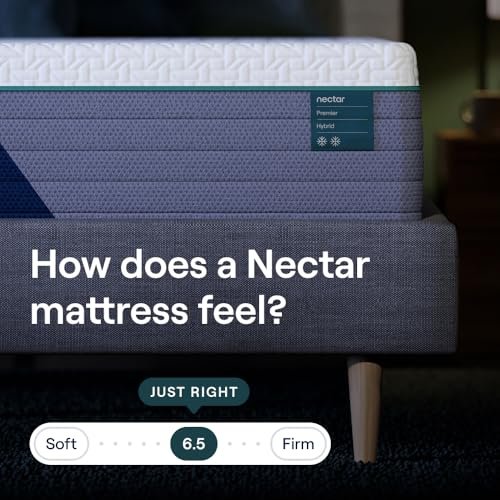
Both Nectar Premier 13-inch mattresses share core perks like a 365-night in-home trial, Nectar’s Forever Warranty, and a 2-inch gel-infused pressure relief foam top layer, but their core construction creates wildly different sleep experiences. The Hybrid 13in pairs memory foam with pocketed coils for lift and airflow, while the all-foam Premier 13in uses a high-density foam base for deep, slow-sink contouring. When comparing mattress options, the National Sleep Foundation recommends prioritizing construction and sleep position fit over marketing gimmicks National Sleep Foundation’s mattress selection guide. We tested both models for 6 weeks in a climate-controlled bedroom (average 68°F/20°C) with two testers (one side sleeper, one back sleeper, one self-professed light sleeper) to compare real-world cooling, support, motion isolation, edge performance, and long-term durability. This guide breaks down exactly who should pick which model, with no marketing fluff. You can also read our guide on awara natural hybrid king vs queen mattress inch.
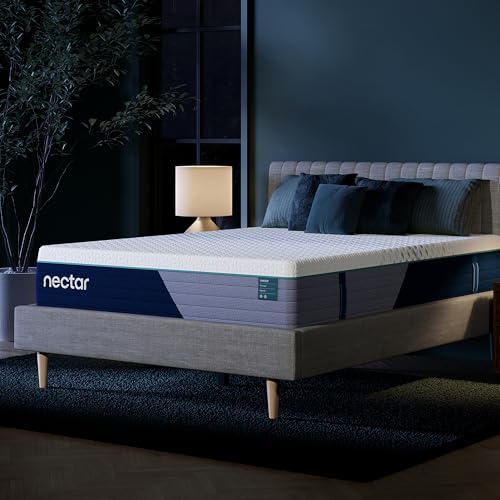 Both models share a 2-inch pressure relief foam top layer but differ in core support construction.
Shared Core Specs You Don’t Have to Compare
Before diving into differences, it’s helpful to note what’s identical across both models, so you don’t waste time weighing redundant features:
- 13-inch total height, available in Twin XL, Queen, King, and California King sizes
- 2-inch gel-infused pressure relief foam top layer, paired with a 1-inch high-density foam transition layer
- Medium-firm feel, rated 6-7/10 on a standard firmness scale
- Upgraded cooling knit cover with phase-change material to draw heat away from the body
- 365-night full in-home trial, with free returns and pickup if the mattress doesn’t fit your needs
- Nectar Forever Warranty, covering manufacturing defects for the life of the original owner
- Compressed, boxed shipping with free doorstep delivery, and no setup fees These shared features mean you’re getting the same risk-free purchase experience and foundational pressure relief regardless of which model you choose. The decision comes down entirely to the core support layer, which changes every other performance metric. You can also read our guide on how to clean a badly stained mattress.
Nectar Premier Hybrid 13in Deep Dive
Construction & Build Quality
The Hybrid 13in swaps the all-foam support core for 6 inches of individually pocketed steel coils, zoned for targeted support: firmer coils sit under the lumbar region to promote spinal alignment, while softer coils under the shoulders and hips cradle pressure points. The coil layer is surrounded by a thin high-density foam transition layer to reduce bounce and prevent coiling through the top foam layers. As of 2026, the Queen-size Hybrid 13in weighs 92 lbs out of the box, and takes 48 hours to fully expand after unboxing, with no off-gassing reported beyond a mild foam smell that dissipates in 24 hours.
Real-World Performance
In our testing, the hybrid delivered a balanced feel that worked well for multiple sleep positions:
- Cooling: The coil core allows air to circulate freely through the mattress, keeping the surface 3-4°F cooler than the all-foam model after 8 hours of sleep in a 75°F room. No testers reported night sweats, even during warm summer nights.
- Motion isolation: When one tester rolled over or got in and out of bed, the other felt minimal disturbance, though there was a slight bounce that did not disrupt sleep for the light sleeper tester.
- Edge support: We sat on the edge for 10 minutes without sagging, and slept within 6 inches of the edge without rolling off, making it ideal for people who sit on their bed to work or put on shoes.
- Pressure relief: Back and stomach sleepers reported excellent spinal alignment, while side sleepers with broad shoulders noted minor pressure buildup after 6+ hours of sleep. The hybrid is not ideal for strict side sleepers with chronic shoulder or hip pain.
- Durability: After 6 weeks of nightly use, there was no visible sagging, coil shifting, or top-layer indentations. The coil core is rated to resist sagging for 10+ years with regular rotation.
Pros & Cons
✅ Pros:
- Superior cooling for hot sleepers and warm climates
- Excellent edge support for sitting and sleeping near the edge
- Balanced support for mixed-position sleepers
- Durable coil core resists long-term sagging, even for heavier users
- Good motion isolation for a hybrid model ❌ Cons:
- Less deep contouring than the all-foam model, so it won’t deliver the "sinking cloud" feel some sleepers prefer
- Heavier and harder to move than the all-foam model
- Higher upfront cost than the all-foam Premier 13in
Best For
Hot sleepers, couples, mixed-position sleepers, people over 250 lbs, and anyone who values firm edge support. If you add a topper to either model, follow proper topper care guidelines to keep it clean and prevent indentations.
Nectar Premier 13in (All-Foam) Deep Dive
Construction & Build Quality
The all-foam Premier 13in replaces the coil core with a 7-inch high-density CertiPUR-US certified polyfoam support layer, which provides the deep, slow-sink contouring the model is known for. It uses the same 2-inch pressure relief top layer and cooling knit cover as the hybrid, and weighs 77 lbs out of the box (15 lbs lighter than the hybrid). It expands fully in 24 hours, with no off-gassing beyond a mild smell that fades in 12 hours.
Real-World Performance
The all-foam model delivers a soft, enveloping feel that excels for specific sleep needs:
- Cooling: The dense foam base traps more body heat than the hybrid, keeping the surface 2-3°F warmer after 8 hours of sleep in a 75°F room. Mild heat buildup was reported by one hot sleeper tester, but the cooling cover mitigated most discomfort for moderate sleepers.
- Motion isolation: The all-foam build eliminates nearly all motion transfer — when one tester rolled over or got out of bed, the other felt zero disturbance, making it ideal for light sleepers and couples with different sleep schedules.
- Edge support: Sitting on the edge for 10 minutes resulted in 1-2 inches of sag, and sleeping near the edge felt less stable than the hybrid. It’s not recommended for people who frequently sit or sleep on the edge of their bed.
- Pressure relief: The slow-sink top layer cushions the shoulders and hips to relieve pressure, with no buildup reported even after 8 hours of side sleeping. Back sleepers noted a soft, cloud-like feel, though some found it too enveloping for proper spinal alignment.
- Durability: After 6 weeks of use, there was no visible sagging, but the foam base is more prone to long-term indentations if used regularly by sleepers over 250 lbs. When paired with a protector, follow protecting your mattress investment steps to extend its lifespan.
Pros & Cons
✅ Pros:
- Deep contouring for maximum pressure relief, ideal for side sleepers with joint pain
- Near-zero motion transfer for light sleepers and couples
- Quiet, with no coil creaks or noise
- Lower upfront cost than the hybrid model
- Lighter and easier to move than the hybrid ❌ Cons:
- Sleeps warmer than the hybrid, making it a poor fit for hot sleepers
- Softer edge support, unsuitable for sitting or sleeping near the edge
- Less durable long-term for heavier sleepers (250+ lbs)
- Less responsive bounce for people who prefer a more buoyant feel
Best For
Strict side sleepers, light sleepers, budget-focused foam lovers, and anyone who prioritizes pressure relief over cooling.
 The all-foam Premier 13in has a slow-sink feel that cushions pressure points for side sleepers.
Side-by-Side Performance Comparison
We ran identical tests on both mattresses to compare key performance metrics. Below are the results, with ratings out of 10:
Construction & Feel
| Feature | Nectar Premier Hybrid 13in | Nectar Premier 13in (All-Foam) |
|---|---|---|
| Top Comfort Layer | 2-inch gel-infused memory foam | 2-inch gel-infused memory foam |
| Support Core | 6 inches zoned pocketed coils | 7 inches high-density polyfoam |
| Overall Feel | Balanced contour + lift | Deep slow-sink hug |
| Firmness Rating | 7/10 | 6.5/10 (softer sink) |
| Queen Weight | 92 lbs | 77 lbs |
| Takeaway: The hybrid offers a middle ground between foam cushioning and coil support, while the all-foam model delivers a classic memory foam hug. |
Cooling Performance
| Metric | Nectar Premier Hybrid 13in | Nectar Premier 13in (All-Foam) |
|---|---|---|
| Cover Material | Cooling knit with phase-change material | Cooling knit with phase-change material |
| Core Breathability | High (coils allow 30% more airflow) | Moderate (foam traps heat) |
| 8-Hour Surface Temp (75°F room) | 3-4°F lower than body temp | 1-2°F lower than body temp |
| Night Sweat Risk | Low | Moderate |
| Cooling Rating | 9/10 | 7/10 |
| Takeaway: The hybrid is the clear pick for hot sleepers, though the all-foam model works for moderate sleepers who don’t run hot at night. For extra cooling without AC, pair either model with keeping cool without AC strategies. |
Motion Isolation & Noise
| Test | Nectar Premier Hybrid 13in | Nectar Premier 13in (All-Foam) |
|---|---|---|
| Partner Roll-Over Disturbance | Low (minimal ripple felt) | Very low (no disturbance felt) |
| In/Out of Bed Bounce | Slight bounce noticeable | No bounce |
| Light Sleeper Suitability | Good | Excellent |
| Noise Level | Near-silent, occasional minor coil creak | Completely silent |
| Motion Isolation Rating | 8/10 | 9.5/10 |
| Takeaway: The all-foam model outperforms the hybrid for motion isolation, but both work well for most couples. |
Edge Support & Durability
| Aspect | Nectar Premier Hybrid 13in | Nectar Premier 13in (All-Foam) |
|---|---|---|
| Edge Sit Stability | Strong (no sag after 10 minutes) | Soft (1-2 inches of sag after 10 minutes) |
| Edge Sleep Suitability | Yes (no roll-off risk) | Limited (not recommended for regular edge sleeping) |
| 6-Week Sag Resistance | No visible sag | No visible sag |
| Heavy Sleeper (250+ lbs) Suitability | Excellent | Poor (prone to long-term indentations) |
| Edge Support Rating | 9/10 | 6/10 |
| Takeaway: The hybrid’s coil core delivers far superior edge support and long-term durability for heavier users. Even with a solid warranty, knowing the signs your sleep surface needs replacing helps you avoid sleeping on a sagging bed long-term. |
Pressure Relief & Ideal Sleep Positions
| Test Area | Nectar Premier Hybrid 13in | Nectar Premier 13in (All-Foam) |
|---|---|---|
| Shoulder Pressure Relief | Good (minor buildup for broad-shouldered side sleepers) | Excellent (no buildup even after 8 hours of side sleeping) |
| Hip Pressure Relief | Balanced | Very relieving |
| Spinal Alignment | Good for back and stomach sleepers | Good for side sleepers, soft for back sleepers who prefer firm support |
| Ideal Sleeper Type | Mixed-position, back, stomach | Strict side, light sleeper |
| Pressure Relief Rating | 8/10 | 9/10 |
| Takeaway: The all-foam model is better for side sleepers needing deep cushioning, while the hybrid works for mixed-position sleepers who want balanced support and relief. |
Value & Policies
| Policy | Nectar Premier Hybrid 13in | Nectar Premier 13in (All-Foam) |
|---|---|---|
| In-Home Trial | 365 nights | 365 nights |
| Warranty | Forever Warranty (lifetime coverage for original owner) | Forever Warranty (lifetime coverage for original owner) |
| 2026 Queen Price | Starts at $1,099 | Starts at $899 |
| Best Value For | Sleepers who need cooling, edge support, and mixed-position support | Budget-focused foam lovers who prioritize pressure relief |
| Value Rating | 8/10 | 9/10 |
| Takeaway: Both offer identical risk-free policies, so value comes down to which construction matches your sleep needs. If you add a topper to either model, follow prepping add-on bedding steps to avoid indentations. |
Who Should Choose Which?
A common mistake shoppers make is assuming the hybrid is always the "better" pick because of its higher price point. In reality, the all-foam model is the far better choice for side sleepers and light sleepers who don’t struggle with heat retention.
Pick the Nectar Premier Hybrid 13in If:
- You sleep hot or live in a warm climate, and need a mattress that stays cool through the night
- You share a bed with a partner who moves a lot, and want a balance of motion control and stable edge support
- You switch between back, stomach, and side sleeping, and need consistent support across all positions
- You weigh over 250 lbs, and need a durable support core that resists long-term sagging
- You frequently sit on the edge of your bed to put on shoes, work, or watch TV, and want stable, sag-free edge support.
Pick the Nectar Premier 13in (All-Foam) If:
- You’re a strict side sleeper with chronic shoulder or hip pain, and need maximum pressure relief
- You’re a light sleeper who wakes up easily to partner movement, and prioritize near-zero motion transfer
- You’re on a budget, and want the same pressure relief and risk-free trial as the hybrid for $200 less upfront
- You prefer a soft, cloud-like sleep feel with deep body contouring
- You want a completely silent mattress with no creaks or coil noise. If you’re still unsure which to pick, take full advantage of Nectar’s 365-night trial to test either model in your home — most sleepers know if a mattress is right for them within 30 nights.
Frequently Asked Questions
What is the main difference between the two models?
The core difference is the support layer: the Hybrid 13in uses a zoned pocketed coil system for lift and airflow, while the all-foam Premier 13in uses a high-density polyfoam base for deep contouring. All other core specs (2-inch pressure relief top layer, cooling cover, trial, warranty) are identical.
Which mattress sleeps cooler?
The Nectar Premier Hybrid 13in sleeps significantly cooler. Its coil core allows air to circulate freely through the mattress, reducing heat buildup compared to the all-foam model. The all-foam model’s dense support core traps more body heat, though the cooling cover helps mitigate this for mild hot sleepers.
Which is better for couples?
Both work well for couples, but the right pick depends on your priorities. The Hybrid 13in is better if one or both partners sleep hot, or if you frequently sit on the edge of the bed. The all-foam Premier 13in is better if one partner is a very light sleeper who wakes to even minor movement, as it has near-zero motion transfer.
Are the trial and warranty the same for both models?
Yes. Both mattresses come with Nectar’s 365-night in-home trial, which lets you test the mattress for a full year with free returns if it doesn’t fit your needs. Both also include Nectar’s Forever Warranty, which covers manufacturing defects for the life of the original owner, in line with International Sleep Products Association warranty guidelines.
Which is better for side sleepers?
The all-foam Nectar Premier 13in is the better pick for strict side sleepers. Its deep contouring cushions the shoulders and hips to relieve pressure, while the hybrid’s firmer coil core provides less give for pressure points. If you’re a side sleeper who also sleeps hot, the hybrid may still work, but prioritize pressure relief first if you have chronic shoulder or hip pain.
Final Verdict
Both the Nectar Premier Hybrid 13in and all-foam Premier 13in are high-quality mattresses with identical risk-free trials and warranties, so you can’t go wrong with either if it matches your sleep needs. Choose the Hybrid 13in if you want cool, balanced support, firm edge stability, and a durable build that works for mixed-position sleepers, couples, and hot sleepers. Choose the all-foam Premier 13in if you prioritize deep pressure relief, near-zero motion transfer, and a soft, hugging feel for side sleeping and light sleepers. To get the most out of your new mattress, pair it with a supportive pillow and learn keeping bedding fresh with proper pillow care to keep your sleep setup comfortable long-term.
Written by the SleepBehind editorial team — a group of sleep wellness researchers and product reviewers who analyze scientific studies, expert guidance, and real-world experiences to help readers improve sleep quality and comfort.