Use ice first to reduce sharp pain, then heat to relax muscles and restore motion.
I’ve worked with many people who wake up with a stiff neck, and I’ll walk you through clear, practical steps. This article answers the common question "Is heat or ice better for a stiff neck?" with evidence-based guidance, simple rules, and real-world tips. You’ll learn when to choose ice, when to choose heat, how long to use each, and safe ways to speed recovery. Read on for a straightforward plan you can use today.
Why your neck gets stiff and how to think about treatment
A stiff neck can start from a bad sleep position, poor posture, or sudden movement. It can also come from muscle strain, inflammation, or a pinched nerve. Knowing the cause helps answer the question "Is heat or ice better for a stiff neck?" because ice and heat treat different problems.
Most stiff necks are soft-tissue problems. That means muscles and connective tissue are the main players. If pain is sharp and recent, icing is often best. If the neck feels tight and achy after the first day or two, heat usually helps.

Heat vs ice: how each one works
Ice lowers skin and tissue temperature. It reduces blood flow and numbs nerve endings. This helps pain and swelling in the first 24 to 48 hours after an acute injury.
Heat raises tissue temperature. It increases blood flow, relaxes tight muscles, and improves flexibility. Heat helps chronic stiffness and muscle spasm more than new inflammation.
When you ask "Is heat or ice better for a stiff neck?" think timing and symptoms. Use ice for new, sharp pain. Use heat for lasting tightness and reduced range of motion.

When to use ice for a stiff neck
Ice works best for acute pain and swelling. Use ice if the pain started within the last 48 hours. Choose ice when pain is sharp, throbbing, or came from a sudden movement.
How to use ice safely:
- Wrap a cold pack or bag of ice in a thin towel.
- Apply for 10 to 15 minutes at a time.
- Repeat every 1 to 2 hours while symptoms are strong.
Avoid direct skin contact with ice to prevent frostbite. If symptoms ease in the first two days, switch to gentle heat. Asking "Is heat or ice better for a stiff neck?" often means starting with ice, then switching to heat as swelling drops.
When to use heat for a stiff neck
Use heat for muscle tightness, stiffness, and soreness that lasts more than 48 hours. Heat is best for chronic neck tightness from bad posture, desk work, or slow-onset pain.
How to use heat safely:
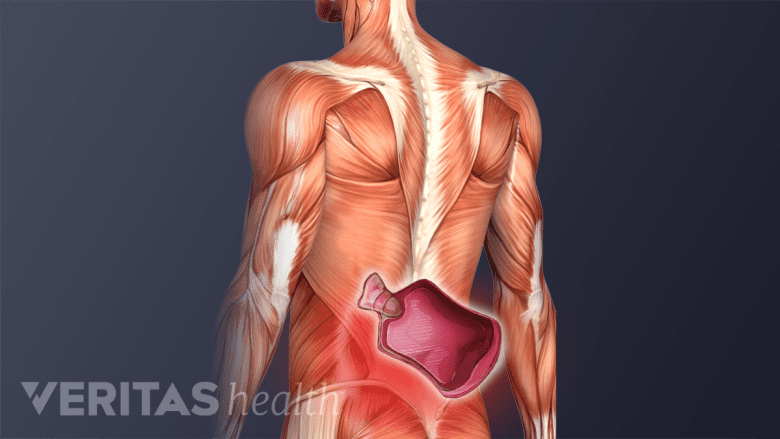
- Use a warm towel, heating pad, or hot water bottle.
- Apply for 15 to 20 minutes.
- Check skin often to avoid burns.
Avoid heat if the neck is red, warm, or swollen. If pain flares after heat, stop and try ice instead. For many people the answer to "Is heat or ice better for a stiff neck?" is: heat after the acute phase or for muscle tightness.
Combining ice and heat and other therapy options
Sometimes alternating helps. Use ice for pain relief, then heat to relax muscles once the worst pain eases. A common pattern is ice for the first 48 hours, then heat for muscle tightness.
Other useful options:
- Gentle neck stretches to restore motion.
- Posture fixes at work and during sleep.
- Over-the-counter pain relievers for short-term relief.
- Professional care if pain is severe or lasts more than a week.
If you wonder "Is heat or ice better for a stiff neck?" remember both have roles. Combine them with movement and posture work for best results.

Timeline, safety, and red flags to see a clinician
Most simple stiff necks improve in a few days to two weeks with home care. Use ice early for sharp pain and heat later for stiffness. Monitor your progress and adjust.
See a clinician right away if:
- Pain follows a fall or trauma.
- You have numbness, weakness, or pins-and-needles.
- Fever, unexplained weight loss, or severe unrelenting pain occurs.
Be honest about limits. Evidence supports ice for acute inflammation and heat for chronic tightness, but not every case is typical. If you’re unsure which to use, get professional advice.
Practical tips and a few things I learned helping people with stiff necks
From working with many people, I learned small changes matter. Sleep on a low or medium pillow. Keep screens at eye level. Move often during long sitting sessions.
Quick practical tips:
- Use ice for sharp pain the first two days.
- Then use heat to loosen muscles and improve motion.
- Do small neck range-of-motion exercises three times daily.
- Avoid heavy lifting and sudden neck twists until you feel better.
A mistake I see is overdoing heat or ice. Too much causes skin problems or little benefit. Ask "Is heat or ice better for a stiff neck?" and then apply the simple rule: ice early, heat later, and add motion.
Frequently Asked Questions of Is heat or ice better for a stiff neck?
Is it safe to use heat and ice on the same day for a stiff neck?
Yes. Many people alternate ice and heat after the first 48 hours. Use ice for sharp pain and heat for muscle tightness, keeping each treatment to 10–20 minutes.
Can heat make swelling worse in a stiff neck?
Yes. Heat increases blood flow and can worsen swelling when inflammation is active. Avoid heat during the first 48 hours after a new injury.
How long should I ice a stiff neck?
Ice for 10 to 15 minutes at a time. Repeat every 1 to 2 hours while pain and swelling are present. Always protect skin with a thin towel.
When should I call a doctor for a stiff neck?
Call a doctor if you have fever, severe pain after trauma, numbness, weakness, or symptoms that do not improve in a week. These can be signs of a more serious problem.
Can exercise help a stiff neck more than ice or heat?
Yes. Gentle movement and targeted stretches often speed recovery more than passive treatments alone. Use ice or heat to control symptoms so you can move comfortably.
Conclusion
Most of the time, start with ice for the first day or two, then switch to heat to ease muscle tightness. Use simple home care, add gentle movement, and fix posture habits to reduce recurrence. If you have severe or lasting symptoms, see a clinician to rule out serious conditions. Try the ice-then-heat approach this week, add short neck mobility exercises, and leave a comment about what worked for you.

Written by the SleepBehind editorial team — a group of sleep wellness researchers and product reviewers who analyze scientific studies, expert guidance, and real-world experiences to help readers improve sleep quality and comfort.