
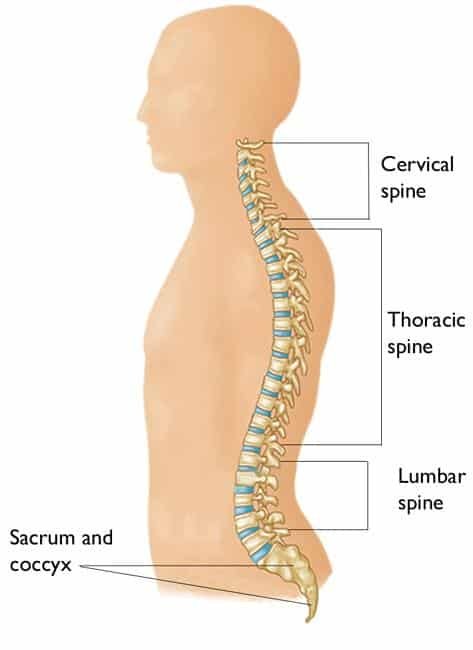
A pinched nerve, medically called radiculopathy when it occurs in the spine, is a common but often misunderstood cause of neck, back, and extremity pain. It happens when surrounding tissue—such as a herniated disc, bone spur, or tight muscle—compresses a nerve, disrupting its ability to send normal signals to the brain and body. While many cases resolve with simple at-home care, unrecognized or untreated nerve compression can lead to permanent weakness or numbness. This guide breaks down clear, specific signs of a pinched nerve, actionable help you can try immediately, and red flags that require urgent medical attention, so you can act early and avoid long-term complications.
What Is a Pinched Nerve?
A pinched nerve occurs when nearby tissue applies sustained pressure to a nerve, interrupting its normal function. This compression can happen anywhere nerves pass through narrow spaces: in the spine (where nerves exit the spinal column), the wrist (carpal tunnel syndrome), the elbow (cubital tunnel syndrome), or other joints. When compressed, nerves may send incorrect signals, leading to the pain, numbness, and weakness most people associate with nerve compression. Symptoms almost always follow the exact path of the affected nerve, which is a key clue for identifying the source of the problem. You can also read our guide on sleep disorders guide.
 Visual of how surrounding tissue presses on a spinal nerve, disrupting normal signal transmission
Source: clevelandclinic.org
Visual of how surrounding tissue presses on a spinal nerve, disrupting normal signal transmission
Source: clevelandclinic.org
Common Causes of a Pinched Nerve
Pinched nerve causes fall into two broad categories: chronic, long-term pressure, and acute, sudden compression. Chronic causes include degenerative spine conditions like osteoarthritis (which creates bone spurs that narrow nerve passages), degenerative disc disease, poor posture (especially forward head hunch from desk work or prolonged phone use), and repetitive strain from activities like typing, assembly line work, or overhead sports. Acute causes include herniated discs from improper lifting, trauma from falls or car accidents, swelling from injuries, and temporary compression from holding an awkward position for hours (such as sleeping with your arm under your head).
Additional risk factors include pregnancy (fluid retention increases pressure on nerves), obesity (extra weight strains the spine and joints), diabetes (pre-existing nerve damage makes compression more likely), and thyroid disease (which can cause tissue swelling that presses on nerves). Temporary, avoidable causes include sleeping in a position that bends the neck or wrist sharply for hours, or improper overnight hair care routines that force you to hold your head at an unnatural angle to keep wet hair off your face.
 Breakdown of how herniated discs, bone spurs, and muscle strain compress nerves
Source: cloudfront.net
Breakdown of how herniated discs, bone spurs, and muscle strain compress nerves
Source: cloudfront.net
Core Signs and Symptoms of a Pinched Nerve
Pinched nerve symptoms fall into three clear categories, and almost always follow the specific path of the affected nerve. Paying attention to where sensations occur and what triggers them can help you identify the issue early.
Sensory Symptoms
The most common early signs are sensory changes related to disrupted nerve signaling:
- Sharp, burning, or electric shock-like pain that radiates along the nerve’s path (called radicular pain). For example, cervical radiculopathy causes pain that shoots down the arm into the fingers, while lumbar radiculopathy (sciatica) travels from the lower back down the leg into the foot.
- Numbness or a "pins and needles" tingling sensation (paresthesia) in the area served by the compressed nerve, such as the thumb and index finger for median nerve compression in the wrist, or the pinky and ring finger for ulnar nerve compression at the elbow.
- Increased sensitivity to light touch in the affected area, so even a gentle brush of clothing feels uncomfortable.
Many people first notice these symptoms at night, as lying down reduces blood flow to compressed nerves and certain sleep positions can increase pressure on the affected nerve.
Motor Symptoms
When compression disrupts the nerve’s ability to send signals to muscles, you may notice:
- Unexplained muscle weakness in the area served by the nerve, such as difficulty gripping objects, dropping items, or stumbling when walking. Severe lumbar compression can cause foot drop, or difficulty lifting the front of the foot when walking.
- Loss of fine motor control, such as trouble buttoning shirts, holding a pen, or performing small, precise hand movements.
- Decreased or absent reflexes in the affected area, which a clinician checks during a physical exam.
Positional and Trigger-Related Symptoms
Pinched nerve pain often follows predictable patterns tied to movement and posture:
- Pain that worsens with movements that narrow the nerve passage, such as coughing, sneezing, or straining (which increases spinal pressure and worsens lumbar radiculopathy), or tilting your head back and to the side (which worsens cervical radiculopathy, a test called Spurling’s maneuver).
- Pain that eases when you change position, such as standing up to relieve lumbar compression, or adjusting your arm to reduce pressure on the ulnar nerve at the elbow.
- Symptoms that flare after prolonged static positions, such as sitting at a desk for hours or sleeping in an awkward position.
According to the American Academy of Orthopaedic Surgeons, this radiating, nerve-specific pain pattern is one of the reliable indicators of a compressed spinal nerve, as it follows the exact path of the affected nerve root.
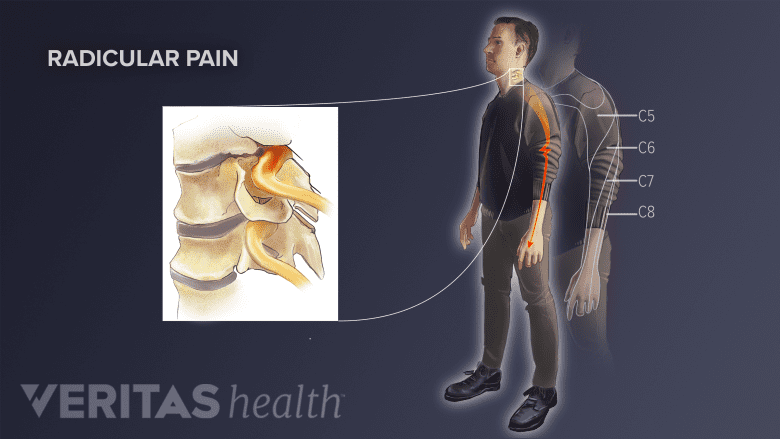 Map of common nerve pain paths for cervical and lumbar compression
Source: cloudinary.com
Map of common nerve pain paths for cervical and lumbar compression
Source: cloudinary.com
How To Differentiate Pinched Nerve Symptoms From Other Conditions
Pinched nerve symptoms often overlap with other common musculoskeletal issues, but a few key differences can help you tell them apart:
- Muscle strain: Pain is localized to the strained muscle, does not radiate, and does not cause numbness or tingling. It worsens with specific movements of the affected muscle but does not follow a nerve path.
- Tendinitis: Pain is focused over the affected tendon, worsens with movement of the connected joint, and does not cause numbness, tingling, or weakness.
- Circulatory issues: Tingling or numbness from poor blood flow usually goes away within a few minutes of moving the affected limb, while nerve-related symptoms persist even after movement.
- Peripheral neuropathy: Usually affects both sides of the body (bilateral) and is most often linked to systemic conditions like diabetes, rather than a single site of compression. It also causes a more uniform "glove and stocking" numbness, rather than following a specific nerve path.
If you are unsure of the cause of your symptoms, a healthcare provider can perform a neurological exam to confirm a diagnosis.
How Doctors Diagnose a Pinched Nerve
Diagnosis starts with a full medical history and focused neurological exam. Your clinician will test your strength, sensation, and reflexes in the affected area, and may perform specific maneuvers to reproduce your symptoms, such as Spurling’s test for cervical compression or the straight leg raise test for lumbar radiculopathy. They will also ask about your symptoms, when they started, and what activities make them better or worse.
If the exam is inconclusive, imaging and nerve tests may be ordered:
- X-rays to look for bone spurs, spinal alignment issues, or other structural causes of compression.
- MRI to visualize soft tissue, including herniated discs, swollen tendons, and the exact site of nerve compression.
- CT scans if an MRI is contraindicated (e.g., for patients with certain metal implants).
- Nerve conduction studies and electromyography (EMG) to measure how fast electrical signals travel through the nerve and how well the connected muscle responds, pinpointing the exact location of compression and ruling out other nerve conditions.
 Visual of a herniated disc pressing on a cervical spinal nerve root
Source: wp.com
Visual of a herniated disc pressing on a cervical spinal nerve root
Source: wp.com
At-Home Help and Medical Treatments
The majority of pinched nerves improve with conservative, non-surgical care. Treatment is tailored to the cause and severity of your symptoms.
Immediate At-Home Relief (First 72 Hours)
If you suspect a recent pinched nerve from an injury or sudden strain:
- Avoid movements and positions that trigger your pain, but avoid prolonged bed rest: short, gentle walks (5-10 minutes at a time) keep blood flowing to the nerve and prevent muscle stiffness.
- Apply an ice pack wrapped in a cloth to the affected area for 15-20 minutes every 2-3 hours to reduce inflammation and swelling.
- Do not force stretches or exercises that cause sharp pain, as this can worsen irritation.
Ongoing Conservative Care
After the first 48 hours, switch to a heating pad to relax tight surrounding muscles that may be adding pressure to the nerve. Over-the-counter NSAIDs like ibuprofen or naproxen can reduce inflammation and ease pain, but follow dosing instructions and consult a doctor first if you have stomach, kidney, or heart conditions. Gentle range-of-motion exercises (such as slow neck tilts for cervical compression or knee-to-chest stretches for lumbar compression) can relieve pressure, but stop if pain increases. Ergonomic adjustments are also critical: if you work at a desk, adjust your monitor to eye level, keep your elbows at 90 degrees, and use a lumbar support pillow for your lower back. For wrist or elbow compression, a soft splint worn at night can keep the joint in a neutral position and reduce pressure on the nerve. A common mistake many people make is resting completely for days, which leads to muscle weakness and stiffness that slows recovery; gentle, low-impact movement is almost always better than prolonged bed rest.
Medical Interventions
If at-home care does not improve symptoms after 1-2 weeks, or if you have moderate to severe pain, see a healthcare provider. Options include:
- Physical therapy: A therapist will design a personalized program of stretches, strengthening exercises, and posture corrections to reduce pressure on the nerve and prevent recurrence. They may also use ultrasound or manual therapy to relax tight surrounding tissue.
- Corticosteroid injections: Injected near the compressed nerve to reduce inflammation, these provide temporary relief for several weeks to months, and can help you participate more fully in physical therapy.
- Surgery: Reserved for severe or refractory cases, including those with progressive weakness, loss of function, or red flag symptoms that do not improve after 6-12 weeks of conservative care. Common procedures include discectomy to remove a herniated disc fragment, decompression surgery to remove bone spurs or excess ligament tissue, or carpal tunnel release for wrist compression. The majority of people with pinched nerves experience meaningful relief from non-surgical care, so surgery is only recommended after other options have been exhausted.
 Comparison of conservative self-care and clinical interventions for nerve compression
Source: verywellhealth.com
Comparison of conservative self-care and clinical interventions for nerve compression
Source: verywellhealth.com
When To Seek Urgent Medical Care
Most pinched nerves are not medical emergencies, but a small number of cases signal serious, permanent nerve damage that requires immediate care. Seek urgent medical attention if you experience any of the following red flag symptoms:
- Sudden, severe weakness in an arm or leg that makes it hard to lift or move the limb.
- Loss of bladder or bowel control, or numbness in the groin and inner thigh (called saddle anesthesia, a sign of cauda equina syndrome, a serious spinal nerve compression condition).
- Severe, unrelenting pain that does not ease with rest, over-the-counter pain relievers, or positional changes.
- Sudden onset of symptoms after a fall, car accident, or other trauma.
- Progressive numbness or weakness that gets worse over hours or days.
Quick treatment for these severe cases dramatically reduces the risk of permanent nerve damage and long-term disability.
 Visual of how spinal structures compress peripheral nerves, highlighting sites of common injury
Source: harvard.edu
Visual of how spinal structures compress peripheral nerves, highlighting sites of common injury
Source: harvard.edu
Prevention Tips to Avoid Recurrence
Most pinched nerve recurrences are preventable with small, consistent lifestyle and habit changes:
- Improve your posture: When sitting, keep your feet flat on the floor, back supported, shoulders relaxed, and avoid hunching over phones or laptops. Adjust your chair, monitor, and keyboard to keep your spine neutral.
- Take frequent breaks: If you do repetitive work, take a 2-3 minute stretch break every 30 minutes to avoid prolonged pressure on nerves. The CDC’s workplace ergonomics guidelines to reduce musculoskeletal strain recommend this as a key step to prevent nerve compression and other repetitive strain injuries.
- Strengthen supporting muscles: Core-strengthening exercises like planks and bridges support the spine and reduce pressure on spinal nerves, while strength training for the neck, back, and shoulders improves support for nerves passing through those areas.
- Maintain a healthy weight: Excess body weight increases pressure on the spine, especially the lumbar region, raising your risk of nerve compression.
- Use proper lifting technique: Bend at the knees, not the waist, keep the load close to your body, and avoid twisting while lifting heavy objects.
- Adjust your sleep setup: Choose a mattress that supports your spine’s natural curve, and use a pillow that keeps your neck aligned (a cervical pillow for back sleepers, a thick enough pillow for side sleepers to keep the head and neck in line with the spine). Side sleepers should place a pillow between their knees to keep the hips aligned and reduce lumbar nerve compression, while back sleepers should use a thin pillow under their neck to maintain the spine’s natural curve, and keep hair off your face overnight to avoid straining the neck to brush hair out of the way while you sleep. Avoid sleeping with your arm under your head or in a position that bends your wrist or elbow sharply for hours. If you sleep with wet hair regularly, dry it before bed to avoid holding your head at an awkward angle to keep it off your face. For people who style their hair before bed, avoid styling wavy hair with gel without a silk bonnet or wrap that lets you sleep with your head in a neutral position, rather than flattened against the pillow to protect your style. If you go to bed with wet hair often, use a loose hair tie or scrunchie to keep it off your face and neck to avoid strained sleep postures.
Common Myths About Pinched Nerves
Misinformation about nerve compression can lead to delayed care or unnecessary worry. Here are the most common myths, debunked:
- Myth: Only older adults get pinched nerves. Fact: While degenerative changes like arthritis are more common with age, pinched nerves affect people of all ages, especially those who do repetitive work, play high-impact sports, or have poor posture.
- Myth: Surgery is the only solution for severe pinched nerve pain. Fact: Most cases, even those with significant pain, improve with 6-12 weeks of conservative care. Surgery is only recommended for cases with progressive nerve damage or red flag symptoms that do not respond to other treatments.
- Myth: Pain from a pinched nerve means permanent nerve damage. Fact: Most nerve compression is temporary, and once pressure is relieved, nerve function usually returns to normal within weeks to months. Permanent damage is rare and only occurs if severe compression is left untreated for months or years.
- Myth: You should rest completely until the pain goes away. Fact: Prolonged bed rest leads to muscle weakness and stiffness, which slows recovery. Gentle, low-impact movement like walking or stretching is encouraged as long as it does not worsen symptoms.
Frequently Asked Questions About Pinched Nerve Signs
How long does a pinched nerve take to heal?
Healing time varies based on the cause and severity. Mild compression from temporary strain or poor posture often improves in a few days to 2 weeks with at-home care. Compression from a herniated disc or bone spur may take 4-12 weeks of consistent treatment. Severe cases requiring surgery may take several months to fully recover. Early intervention almost always shortens healing time.
Can a pinched nerve heal on its own?
Yes, many mild to moderate pinched nerves heal on their own with conservative care. Reducing pressure on the nerve, improving posture, and gentle movement allow the nerve to recover. However, if symptoms persist for more than 2 weeks, worsen, or include red flag symptoms like progressive weakness, you should see a healthcare provider to avoid permanent damage.
Is tingling always a sign of a pinched nerve?
No. Tingling (paresthesia) can be caused by many issues, including poor circulation (if it goes away when you move the affected limb), vitamin B12 deficiency, diabetic neuropathy, or a pinched nerve. If tingling persists for more than a few days, is accompanied by weakness or numbness, or occurs after an injury, see a doctor for an accurate diagnosis.
Can a pinched nerve cause numbness in my toes?
Yes. A pinched nerve in the lower back (lumbar radiculopathy, or sciatica) often causes numbness, tingling, or weakness that travels down the leg into the toes. Compression of the peroneal nerve near the knee can also cause numbness in the top of the foot and toes, while compression of the tibial nerve can cause numbness in the sole of the foot.
When is surgery necessary for a pinched nerve?
Surgery is only recommended if conservative treatments (physical therapy, activity modification, injections) fail to improve symptoms after 6-12 weeks, or if you have progressive muscle weakness, loss of bladder or bowel control, or severe unrelenting pain that impacts daily function. A spine or nerve specialist will evaluate your specific case to weigh the risks and benefits of surgery.
Final Thoughts
Recognizing the early signs of a pinched nerve—sharp radiating pain, tingling, numbness, or weakness—gives you the best chance of recovery with simple, non-invasive care. Start with at-home steps like posture correction, gentle movement, and ice or heat to reduce inflammation, and avoid activities that worsen your symptoms. If your pain persists for more than two weeks, worsens, or is accompanied by red flag symptoms like loss of bladder control or progressive weakness, book an appointment with a healthcare provider immediately to prevent permanent nerve damage. With timely, appropriate care, most people recover fully and return to their regular activities without long-term issues.

Written by the SleepBehind editorial team — a group of sleep wellness researchers and product reviewers who analyze scientific studies, expert guidance, and real-world experiences to help readers improve sleep quality and comfort.