

Waking up unable to turn your head without wincing can throw off your entire day, and the fear of worsening the pain at night makes getting rest feel impossible. Neck strains—tears or overstretching of the soft tissues supporting your cervical spine—are one of the most common musculoskeletal complaints, affecting millions of people annually per the National Institute of Arthritis and Musculoskeletal and Skin Diseases. They’re usually triggered by poor daytime posture, sudden movements, or sleeping in an awkward position, and with the right adjustments, you can sleep comfortably while your body heals.
What Causes a Strained Neck?
A strained neck happens when the muscles, tendons, or ligaments in your cervical spine are overloaded or overstretched. The most common triggers include hunching over a laptop or phone for hours at a time, craning your neck to look at a screen, sudden jerks during exercise or daily movement, and carrying heavy bags on one shoulder. Stress also plays a major role: when you’re anxious, you subconsciously hold tension in your upper traps and sternocleidomastoid muscles, which tightens the area and makes even small movements painful. Knowing your trigger helps you avoid repeat strains and pick the right relief strategies for your specific situation. You can also read our guide on sweetnight coolnest vs sweetnight queen mattress.
Immediate Pre-Sleep Relief Steps
The hour before bed is your window to reduce acute pain and set yourself up for a restful night. Stick to these gentle, evidence-backed steps to avoid irritating the strain:
- Apply ice wrapped in a thin towel to the sore area for 10 to 15 minutes if the strain is new (within the first 48 hours of injury) to reduce inflammation and numb sharp pain. A common mistake is applying heat immediately, which can increase swelling and prolong healing in the early stages.
- Do slow, pain-free range-of-motion moves: tuck your chin to your chest and hold for 2 seconds, then slowly turn your head side to side as far as is comfortable, repeating 3 to 5 times each direction. Never force or yank your neck, as this can worsen the tear.
- Take an over-the-counter NSAID like ibuprofen if needed and cleared for your health profile, and avoid heavy lifting or strenuous activity for the rest of the day. For people who wake up with a “kink” in their neck, this routine often reduces pain enough to fall asleep within a few hours.
Best Sleep Positions for a Strained Neck
Your sleep position has an outsized impact on neck strain recovery, as the wrong posture can put hours of pressure on injured soft tissues each night. These positions minimize strain:
- Back sleeping: This is the most supportive option for neck strain, as it evenly distributes weight across your spine and keeps your cervical spine in neutral alignment. Use a contoured cervical pillow to fill the gap under your neck and maintain its natural C-shape.
- Side sleeping: A safe alternative if back sleep feels uncomfortable, as long as your pillow is high enough to keep your head aligned with your spine (no tilting up or down). Tuck a small rolled towel between your shoulder and the mattress to fill the gap and prevent your neck from sagging.
- Avoid stomach sleeping: This position forces you to turn your head 90 degrees to breathe, putting constant torque on your cervical spine and prolonging healing. If you absolutely cannot sleep on your back or side, use a thin pillow under your forehead to reduce neck rotation, but treat this as a temporary last resort. Your sleep position doesn’t just impact your neck—it can also affect your hair’s texture and health over time. If you’re adjusting your position to reduce neck strain, you may also notice changes to your hair’s appearance, which our guide to sleep positions and hair texture explains in detail.
Choosing the Right Pillow & Support
Pillow choice is one of the most impactful adjustments you can make to sleep with a strained neck. The right pillow keeps your head aligned with your spine, reducing pressure on injured muscles and discs. Keep these tips in mind when selecting support:
- Prioritize loft (height) over material first: side sleepers need a 4-6 inch tall pillow, while back sleepers do best with a 3-4 inch loft to avoid tilting the head forward.
- Contoured cervical pillows are designed to cradle the neck and maintain its natural curve, but adjustable fill pillows (with added or removed stuffing) let you customize the height to your exact needs.
- Latex and high-density memory foam offer the most consistent support for neck strain, while down pillows are softer and may not provide enough structure for moderate to severe pain.
- Replace your pillow every 12 to 18 months, as most lose their structural support long before they look worn. If you use a bamboo pillow, our guide to cleaning and maintaining bamboo bedding walks through the correct steps to keep its support intact without damaging the fill.
Mattress & Sleep Environment Adjustments
Even the best pillow won’t fix neck pain if your mattress is causing your spine to fall out of alignment. A medium-firm mattress (rated 6-7 on a 10-point firmness scale) is ideal for most people with neck strain, as it keeps the spine straight from head to hips without putting excess pressure on the shoulders. If your mattress sags more than 1 inch when you lie on it, it’s no longer providing adequate support:
- A 2-3 inch high-density foam topper can rebalance support if you can’t replace your mattress right now. For feather topper owners dealing with flattened fill, reviving your topper’s loft can also extend its usable life and improve spinal alignment.
- If your topper is too thick and causes your head to tilt upward while sleeping, you can adjust it to better fit your needs. Our guide to adjusting overfilled toppers outlines safe ways to modify support without ruining the fill.
- Keep your bedroom between 60-67°F (15-19°C): cooler temperatures reduce muscle tension and improve deep sleep quality, which is critical for tissue repair. If you struggle with allergies, use hypoallergenic bedding and a washable mattress guard to reduce congestion that can make you crane your neck to breathe at night.
Gentle Bedtime Exercises & Routine
A short 5-10 minute pre-sleep routine can release built-up tension in your neck and upper back, making it easier to fall asleep without pain. Stick to slow, gentle movements, and avoid any exercise that causes sharp discomfort:
- Chin tucks: Sit or lie flat, gently tuck your chin toward your chest like you’re making a double chin, hold for 2 seconds, and release. Repeat 8-10 times to stretch tight neck extensors.
- Upper trap stretches: Tilt your head to one side, bringing your ear toward your shoulder, and use your hand to apply gentle pressure to the top of your head. Hold for 20-30 seconds, then switch sides, to release tension in the muscles that connect your neck to your shoulders.
- Shoulder blade squeezes: Sit or stand with your arms at your sides, pull your shoulder blades back and together like you’re holding a pencil between them, hold for 5 seconds, and release. Repeat 10 times to reduce upper back tension that contributes to neck strain.
- Progressive muscle relaxation: Starting at your toes, tense each muscle group for 5 seconds then release, working up to your neck and shoulders. This helps you identify and release hidden tension that can cause you to tense up in your sleep. Avoid strenuous exercise or heavy lifting 2-3 hours before bed, as this can increase muscle inflammation and worsen strain.
Safe Sleep Aids for Short-Term Relief
For moderate to severe neck pain, short-term sleep aids can help you get the rest you need while your body heals. Use them carefully and as part of a broader recovery plan, not a long-term solution:
- Topical analgesics with menthol or capsaicin provide localized pain relief without the side effects of oral medication. Test a small patch of skin first to avoid irritation, and wash your hands thoroughly after application.
- A soft cervical collar worn for 1-2 nights can prevent you from moving your neck in your sleep and aggravating the strain, but avoid wearing it for longer than a few days, as it can weaken neck muscles over time.
- Short-term prescription muscle relaxants may be recommended by your provider to break the cycle of pain and muscle spasms, but they can cause drowsiness, so avoid driving or operating machinery while taking them.
- Avoid relying on over-the-counter sleep aids long-term, as they can disrupt your natural sleep cycle and lead to dependence. Medication alone rarely fixes the root cause of neck strain, so pair it with posture adjustments and gentle exercises for the best results.
When to See a Healthcare Provider
Most mild neck strains heal fully within 3 to 7 days with self-care, and moderate strains take 2 to 4 weeks. However, some symptoms require professional evaluation to avoid long-term damage:
- Seek immediate emergency care if you have neck pain after a fall or accident, pain accompanied by high fever, difficulty swallowing or breathing, or loss of bowel or bladder control, as these can indicate serious underlying conditions.
- See a healthcare provider within a few days if you have severe or worsening pain, numbness, tingling, or weakness in your arms or hands, as these can signal nerve irritation or compression.
- Consult a specialist if your pain disrupts your sleep for longer than 4 weeks, keeps recurring, or doesn’t improve with self-care. A physical therapist can create a personalized rehab plan with targeted exercises to strengthen your neck muscles and prevent future strains.
Frequently Asked Questions
What is the best position to sleep in with a strained neck?
Back sleeping is generally the most supportive for a strained neck, as it evenly distributes weight and keeps the cervical spine in neutral alignment. If back sleep feels uncomfortable, side sleeping is a safe alternative, as long as your pillow is adjusted to keep your head aligned with your spine. Stomach sleeping is not recommended, as it forces your neck into prolonged rotation and increases strain on soft tissues.
Can I use heat and ice together for a strained neck at night?
No, it’s best to use them separately. Apply ice wrapped in a thin towel for 10 to 15 minutes at a time during the first 48 hours after injury to reduce inflammation and numb acute pain. After 48 hours, switch to a warm (not hot) heating pad for the same duration to relax tight muscles and improve blood flow. Never apply heat or ice directly to your skin, and avoid falling asleep with either on to prevent burns or frostbite.
Is it okay to sleep in a recliner when my neck is strained?
For some people, a slightly reclined position reduces pressure on the cervical spine and makes it easier to sleep, especially if lying flat causes sharp pain. As long as your head and neck are fully supported with a pillow and you’re not slouching, short-term use is safe. Try to transition back to your bed as your pain improves to avoid developing poor sleep posture long-term.
Should I take pain medicine to help sleep with a strained neck?
Over-the-counter NSAIDs like ibuprofen or acetaminophen can help reduce pain enough to get rest, but always follow label dosing instructions and check with your provider first if you have underlying health conditions, take other medications, or have a history of stomach or kidney issues. Pain medication is a short-term aid, not a long-term fix—addressing the root cause with proper support and exercises is key to lasting relief.
How long will a strained neck affect my sleep?
Most mild strains improve within 3 to 7 days with proper self-care, and sleep returns to normal as pain decreases. Moderate strains may take 2 to 4 weeks to heal. If pain disrupts your sleep for longer than 4 weeks, keeps recurring, or is accompanied by numbness, tingling, or weakness, see a healthcare provider to rule out more serious issues.
Can I use a regular pillow instead of a cervical pillow for a strained neck?
Yes, you don’t need a specialized pillow to get adequate support. For back sleepers, roll up a small hand towel and tuck it under your neck (not your head) to fill the gap between your neck and the mattress. For side sleepers, fold a regular pillow in half or add a thin topper to increase height, so your head stays aligned with your spine. Ensure the support is firm enough that your neck doesn’t sag during the night.
Final Tips for Restful Recovery
A strained neck doesn’t have to mean weeks of sleepless nights. By focusing on gentle pain relief, proper support, and neutral sleep positions, you can reduce discomfort and support your body’s natural healing process while you rest. Stick to short, pain-free stretches, avoid aggravating movements, and prioritize consistent sleep hygiene to give your muscles the best chance to recover quickly.
If you’ve struggled with neck pain disrupting your sleep, try adjusting one variable at a time—start with your pillow support, then add pre-sleep stretches, then adjust your sleep position—to identify what works best for your body. If your pain persists for more than four weeks, or you experience numbness, tingling, or weakness, reach out to a healthcare provider or physical therapist for personalized care.
Have you used any of these tips to sleep with a strained neck? Share your experience in the comments below, and check out our other guides for more practical sleep and recovery advice.
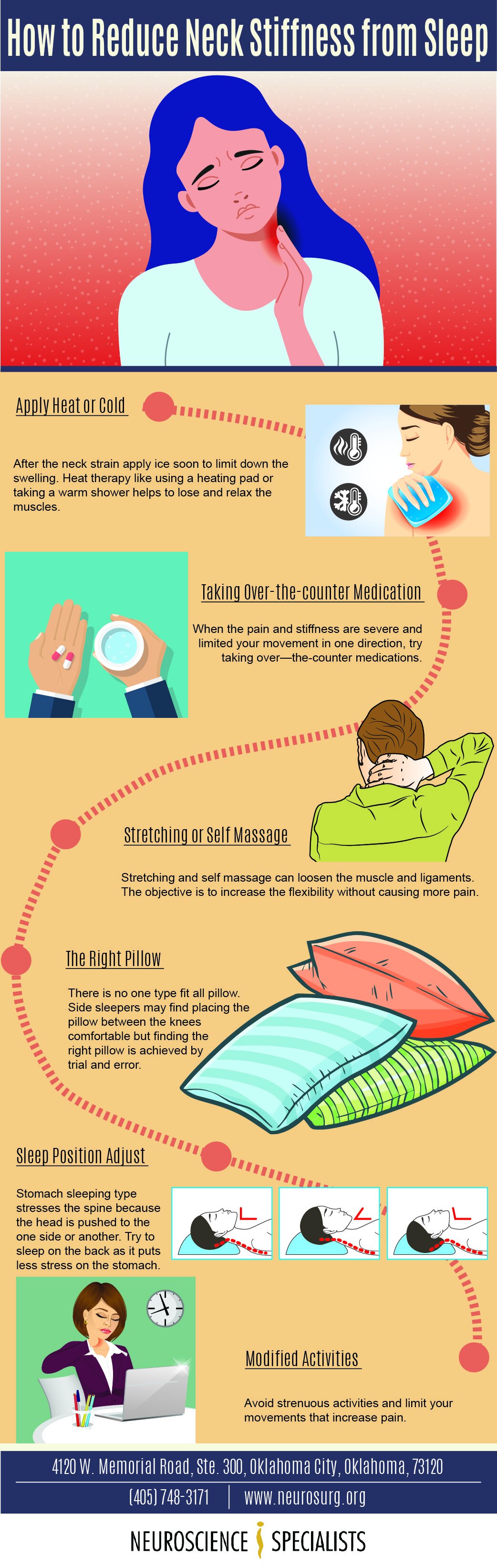 Image source: neurosurg.org
This diagram outlines the most common triggers of neck strain, from poor posture to sudden movement.
Image source: neurosurg.org
This diagram outlines the most common triggers of neck strain, from poor posture to sudden movement.
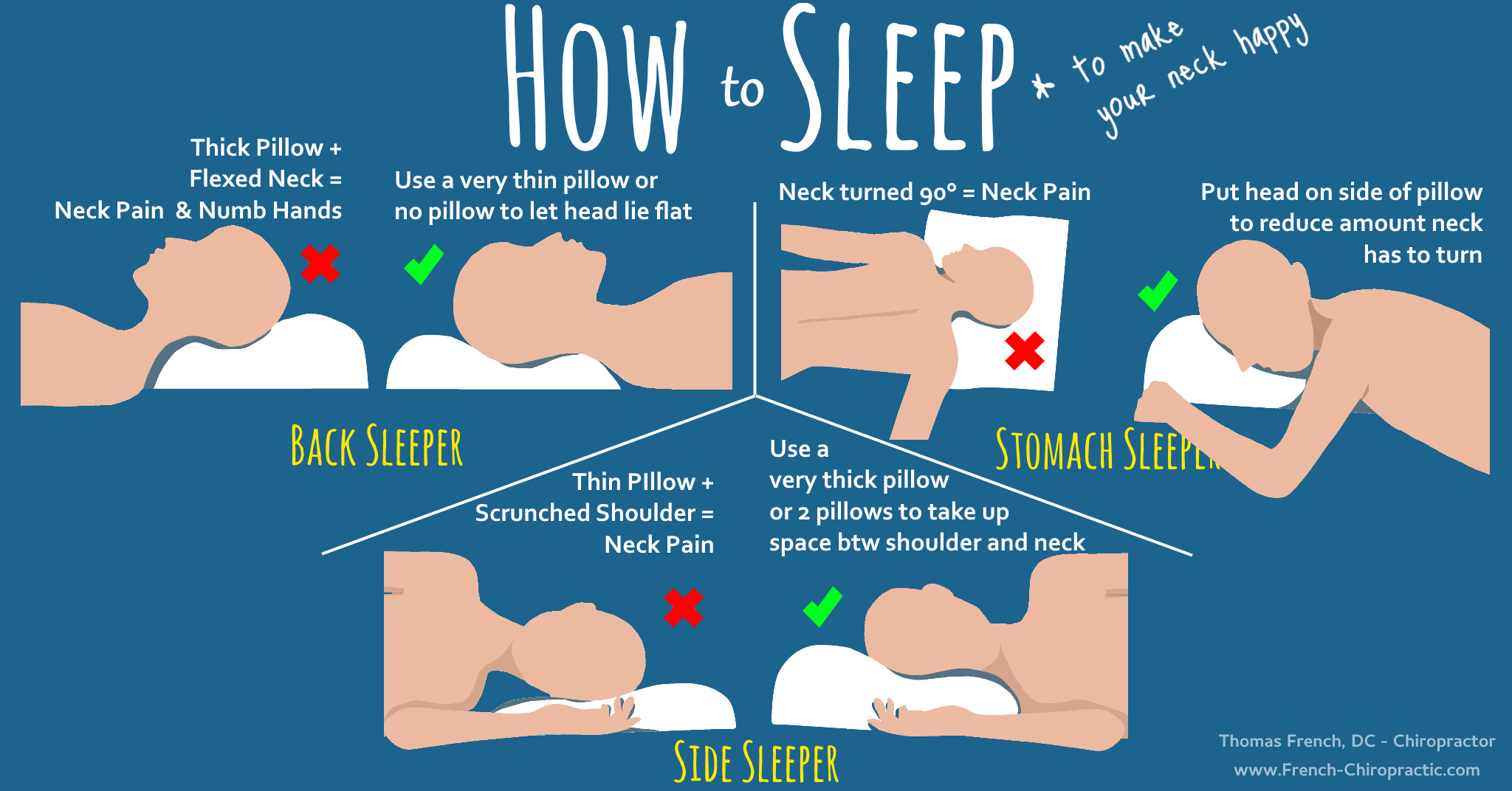 Image source: ntec-eg.org
A cold pack applied for 10-15 minutes can reduce acute inflammation in the first 48 hours after strain.
Image source: ntec-eg.org
A cold pack applied for 10-15 minutes can reduce acute inflammation in the first 48 hours after strain.
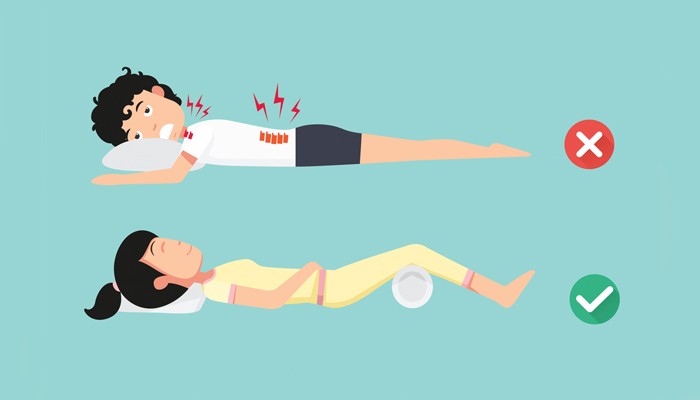 Image source: co.uk
Back and side sleeping keep the cervical spine neutral, while stomach sleeping twists the neck out of alignment.
Image source: co.uk
Back and side sleeping keep the cervical spine neutral, while stomach sleeping twists the neck out of alignment.
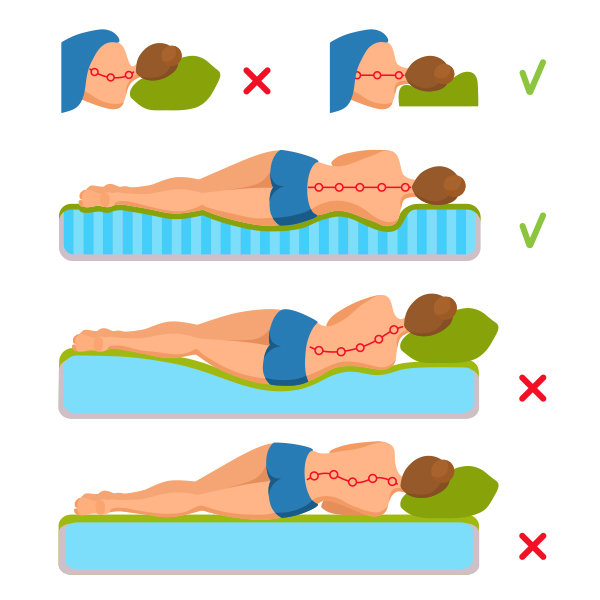 Image source: com.au
Cervical pillows have a contoured design that cradles the neck to maintain its natural curve.
Image source: com.au
Cervical pillows have a contoured design that cradles the neck to maintain its natural curve.
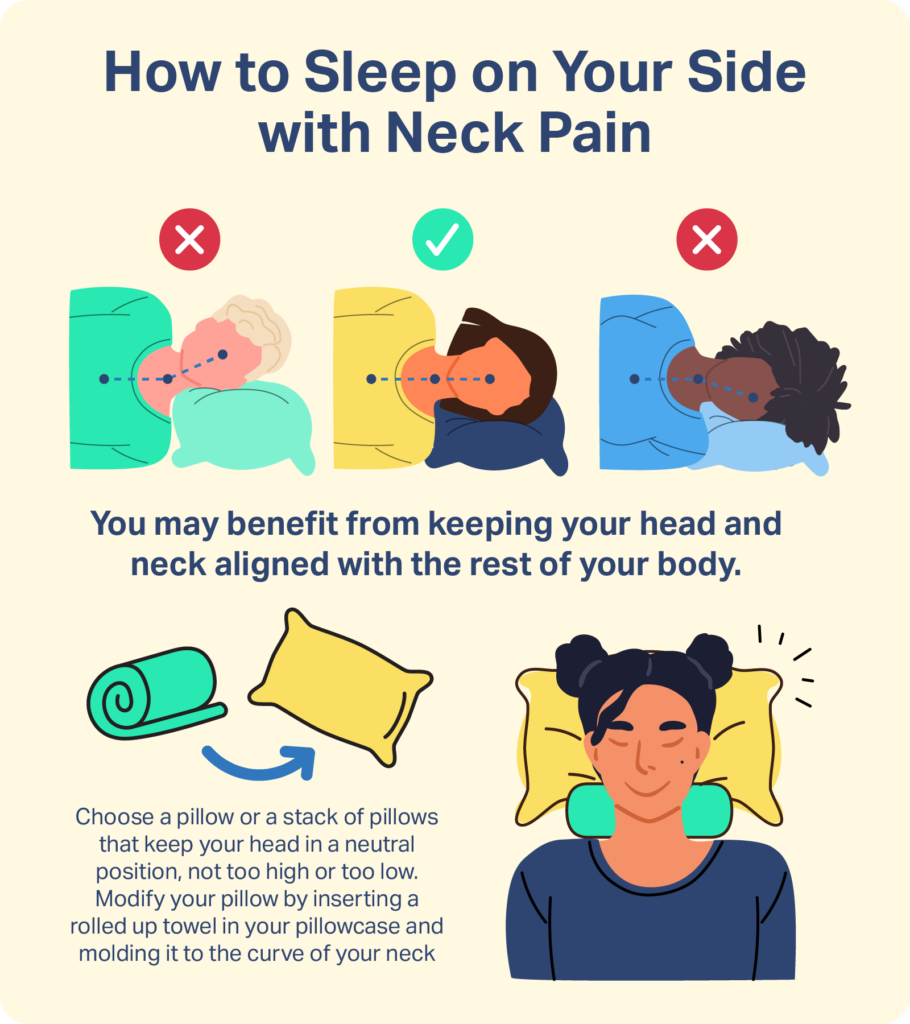 Image source: sipim.com
A medium-firm mattress keeps the spine in a straight line from head to hips, reducing pressure on neck muscles.
Image source: sipim.com
A medium-firm mattress keeps the spine in a straight line from head to hips, reducing pressure on neck muscles.
 Image source: youtube.com
Gentle, pain-free stretches before bed release tension without irritating strained tissues.
Image source: youtube.com
Gentle, pain-free stretches before bed release tension without irritating strained tissues.
 Image source: germantenhospitals.com
Topical analgesics provide localized relief without the side effects of oral pain medication.
Image source: germantenhospitals.com
Topical analgesics provide localized relief without the side effects of oral pain medication.
 Image source: youtube.com
A physical therapist can create a personalized rehab plan to address recurring neck strain.
Image source: youtube.com
A physical therapist can create a personalized rehab plan to address recurring neck strain.
When to See a Healthcare Provider
Most mild to moderate neck strains heal fully within 2 to 4 weeks with consistent self-care, but certain symptoms signal that you need professional evaluation to avoid long-term complications or missed diagnoses. A common mistake people make is pushing through persistent pain, assuming it will “work itself out,” which can turn an acute soft tissue strain into a chronic issue that takes months to resolve.
Seek emergency medical care immediately if your neck pain follows a fall, car accident, or other traumatic event, especially if it’s accompanied by numbness, tingling, or weakness in your arms or hands, loss of bladder or bowel control, difficulty swallowing or breathing, or a high fever. These can indicate a herniated disc, spinal cord injury, or infection that requires urgent treatment to prevent permanent damage.
Schedule an appointment with a primary care provider, orthopedist, or licensed physical therapist within a few days if your pain is severe enough that you can’t perform basic daily tasks (like dressing or driving), or if it worsens instead of improving after 3 days of consistent self-care. For recurring neck strain that disrupts your sleep for longer than 4 weeks, a physical therapist can assess your posture, sleep mechanics, and muscle imbalances to create a targeted rehab plan. Most insurance plans cover physical therapy for musculoskeletal pain without a referral, so check your benefits to avoid unnecessary out-of-pocket costs.
If your neck strain is linked to poor sleep habits that also cause other discomforts—like waking up with hair matted from sleeping on wet strands, or neck strain from craning to keep hair out of your face—small adjustments to your bedtime routine can reduce unnecessary stress on your cervical spine. Our guide to low-effort bedtime hair wraps for wet hair offers simple, pain-free tips to avoid awkward head tilts while you sleep.
Frequently Asked Questions
What is the best position to sleep in with a strained neck?
Back sleeping is generally the most supportive for a strained neck, as it evenly distributes weight across your spine and keeps your cervical spine in neutral alignment, reducing pressure on injured muscles and ligaments. If back sleep feels uncomfortable, side sleeping is a safe alternative, as long as your pillow is adjusted to keep your head aligned with your spine (no tilting up or down that bends the neck). Stomach sleeping is not recommended, as it forces your neck into prolonged 90-degree rotation to breathe, putting constant torque on cervical soft tissues and prolonging healing time.
Can I use heat and ice together for a strained neck at night?
No, it’s best to use them separately to avoid confusing your body’s natural inflammatory response. Apply ice wrapped in a thin towel for 10 to 15 minutes at a time during the first 48 hours after injury to reduce inflammation and numb sharp, acute pain. After 48 hours, switch to a warm (not hot) heating pad for the same duration to relax tight muscles, improve blood flow, and reduce stiffness. Never apply heat or ice directly to your skin, and avoid falling asleep with either on to prevent burns or frostbite.
Is it okay to sleep in a recliner when my neck is strained?
For some people, a slightly reclined position reduces pressure on the cervical spine and makes it easier to sleep, especially if lying flat causes sharp pain or you have trouble breathing when flat on your back. As long as your head and neck are fully supported with a pillow and you’re not slouching to one side, short-term use (1-2 nights) is safe. Try to transition back to your bed as your pain improves to avoid developing poor sleep posture that could cause new strain long-term.
Should I take pain medicine to help sleep with a strained neck?
Over-the-counter NSAIDs like ibuprofen or acetaminophen can help reduce pain enough to get rest, but always follow label dosing instructions and check with your provider first if you have underlying health conditions, take other medications, or have a history of stomach ulcers, kidney disease, or liver issues. Pain medication is a short-term aid, not a long-term fix—addressing the root cause with proper support and gentle exercises is key to lasting relief.
How long will a strained neck affect my sleep?
Most mild strains improve within 3 to 7 days with proper self-care, and sleep returns to normal as pain decreases. Moderate strains may take 2 to 4 weeks to heal fully. If pain disrupts your sleep for longer than 4 weeks, keeps recurring, or is accompanied by numbness, tingling, or weakness in your extremities, see a healthcare provider to rule out more serious issues like a herniated disc or spinal stenosis.
Can I use a regular pillow instead of a cervical pillow for a strained neck?
Yes, you don’t need a specialized pillow to get adequate support. For back sleepers, roll up a small hand towel and tuck it under your neck (not your head) to fill the gap between your neck and the mattress. For side sleepers, fold a regular pillow in half or add a thin foam topper to increase height, so your head stays aligned with your spine. Ensure the support is firm enough that your neck doesn’t sag during the night, and test adjustments for at least 3 nights to see if they reduce pain.
Can I sleep with wet hair if I have a strained neck?
Sleeping with wet hair won’t directly cause or worsen a neck strain, but if you’re craning your neck to keep wet hair off your face or pillow, that awkward posture can add extra tension to already sore muscles. If you prefer to sleep with wet hair, use a loose silk scrunchie or sleep with your hair piled on top of your head to avoid tilting your neck, and choose an absorbent pillow cover to keep moisture from seeping into your pillow and causing you to adjust your position unnecessarily.
Final Tips for Restful Recovery
A strained neck doesn’t have to mean weeks of sleepless nights. By focusing on gentle pain relief, proper spinal support, and neutral sleep positions, you can reduce discomfort and support your body’s natural healing process while you rest. Stick to short, pain-free stretches, avoid aggravating movements, and prioritize consistent sleep hygiene to give your muscles the best chance to recover quickly.
Start by adjusting one variable at a time: first, test a new pillow or cervical support for 3 to 5 nights, then add pre-sleep stretches to your routine, then adjust your sleep position if needed. This method helps you identify exactly what works for your body without overwhelming yourself with too many changes at once. If your pain persists for more than four weeks, or you experience numbness, tingling, or weakness, reach out to a healthcare provider or licensed physical therapist for personalized care.
If you’re also looking to optimize your overall sleep comfort while you recover, small adjustments to your pre-sleep routine—like choosing a gentle hairstyle for wet hair to avoid awkward neck tilts—can make a big difference. Our guide to low-friction bedtime hairstyles for wet hair offers simple, quick options that won’t add extra strain to your neck while you sleep.
Have you used any of these tips to sleep with a strained neck? Share your experience in the comments below, and check out our other guides for more practical sleep and recovery advice.

Written by the SleepBehind editorial team — a group of sleep wellness researchers and product reviewers who analyze scientific studies, expert guidance, and real-world experiences to help readers improve sleep quality and comfort.