Wash most waterproof mattress protectors on a gentle, cold cycle and air-dry to preserve the barrier.
I’ve cleaned dozens of mattress protectors in my home and for clients. I know how to wash waterproof mattress protector safely so it lasts and stays effective. This guide walks you through every step, from prep to stain removal, with practical tips I learned from real-life use and testing. Read on to keep your protector clean, odor-free, and waterproof for years.
Why washing your protector matters
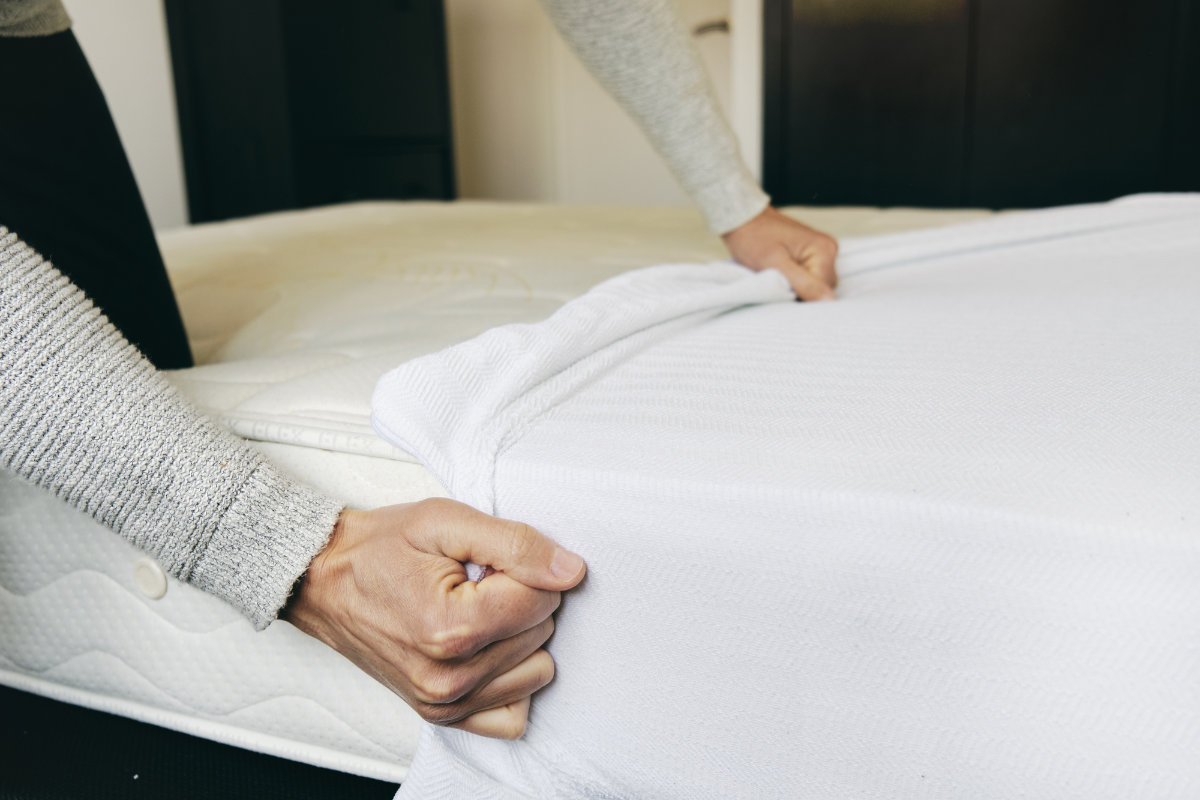
A clean protector keeps your mattress healthy. Washing removes sweat, oils, allergens, and spills that can build up over time. If you know how to wash waterproof mattress protector, you protect both the pad and the mattress beneath it. Regular cleaning also keeps the waterproof layer intact and prevents odors.
I once let a protector go two years without washing. It smelled bad and the waterproof layer felt stiff. After washing it properly, the smell was gone and the fabric was soft again. That experience taught me to clean protectors more often.

What you need before you start
Gather a few items first. This saves time and reduces risk of damage.
- A washer with a gentle cycle or a basin for hand washing
- Mild liquid detergent (free of bleach and fabric softener)
- Towels for blotting or extra weight in the dryer if allowed
- Baking soda and white vinegar for odors and stains
- A drying line or a low-heat dryer setting, if the protector allows
Knowing how to wash waterproof mattress protector starts with these basics. Read the care label on your protector. The label will tell you which methods are safe.

Step-by-step: how to wash waterproof mattress protector (machine wash)
Follow these steps for most machine-washable protectors.
- Check the care label for temperature and dryer instructions.
- Pre-treat stains with a mix of mild detergent and cold water. Let sit for 10 minutes.
- Turn the protector inside out if the label suggests it.
- Use a gentle cycle and cold water to protect the waterproof backing.
- Use a small amount of mild liquid detergent. Do not use bleach or fabric softener.
- Rinse twice if your washer has that option to remove detergent residue.
I washed a protector weekly for a while. I used cold water and a mild detergent every time. The waterproof backing stayed flexible and intact. Using hot water once made the backing slightly stiff. That taught me to avoid heat.
How to hand wash a waterproof mattress protector
Hand washing is best for delicate or unlabelled protectors.
- Fill a bathtub or large basin with cool or lukewarm water.
- Add a small amount of mild liquid detergent and swirl to mix.
- Submerge the protector and gently agitate it for a few minutes.
- Let it soak for 15–30 minutes for heavy soil.
- Rinse thoroughly with cool water until soap is gone.
- Press out excess water gently. Do not wring or twist the protector.
Hand washing is a safe option when you’re unsure how to wash waterproof mattress protector. It limits stress on seams and the waterproof layer.

How to dry and care for the waterproof layer
Drying is the step that most often damages protectors. Keep it gentle.
- Air-dry flat or hang to dry away from direct sun. Direct sun can crack the backing.
- If the label allows a dryer, use the lowest heat or air-dry setting.
- Add a few clean towels in the dryer to balance load and absorb moisture.
- Do not iron the protector. Heat can melt the waterproof coating.
- Once dry, store in a cool, dry place if you won’t use it immediately.
I dry most protectors on a clothesline in the shade. This keeps the backing soft. If I must use a dryer, I set it to air-dry and check often.

Stain removal and deep-cleaning tips
Stains need quick action. Different stains respond to different treatments.
- Urine or bodily fluids: Rinse cold, then soak in cool water with a bit of enzyme-free detergent. Add 1 cup white vinegar to the rinse to neutralize odor.
- Blood: Use cold water and a dab of mild detergent. Avoid hot water until stain is gone.
- Grease or oil: Sprinkle baking soda to absorb oil, let sit 15 minutes, then brush off and wash.
- Sweat and odor: Soak in a solution of cool water and 1 cup white vinegar for 30 minutes before washing.
For deep cleaning, do not use harsh solvents. They can break down waterproof membranes. Repeat treatments as needed, but test any cleaning mix on a corner first.

Common mistakes to avoid
Avoid these errors to extend protector life.
- Using hot water often. Heat can warp the backing.
- Using bleach or fabric softener. These chemicals degrade waterproof coatings.
- Wringing or twisting the protector. This can cause de-lamination.
- Ignoring the care label. The maker’s directions are tailored to the material.
- Drying in direct sunlight for long periods. UV can dry out and crack the backing.
In my early days, I used too much detergent. The residue made the protector feel sticky. I learned to use only a little detergent and to rinse well.

How often to wash your waterproof mattress protector
Frequency depends on use and needs.
- Every 1–2 months for regular use if you don’t have allergies.
- Monthly if you sweat heavily, have pets, or children use the bed.
- Immediately after spills, accidents, or visible stains.
I wash mine monthly and more often in summer. This routine kept odors away and prevented build-up.

Caring for different protector materials
Protector materials vary. Adjust care by material type.
- Cotton-faced protectors: Gentle wash and air-dry. Cotton tolerates washing well.
- Polyester or knit protectors: Use cool water and gentle cycle.
- Vinyl-backed protectors: Wipe clean if not machine-washable. If washable, use cold water only.
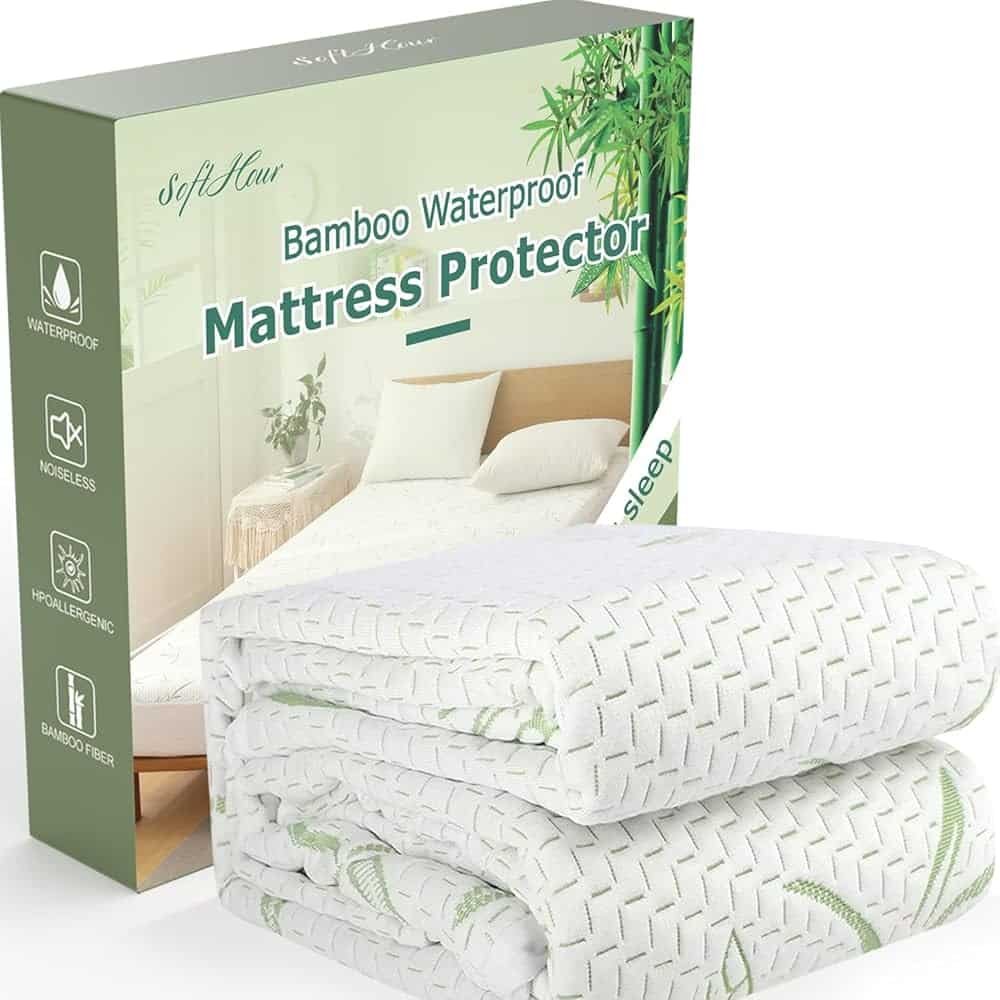
- Bamboo or natural fibers: Use mild detergent. Air-dry to maintain fiber quality.
If you’re unsure how to wash waterproof mattress protector made from a new material, hand wash first or contact the manufacturer.
Frequently Asked Questions of how to wash waterproof mattress protector
Can I use bleach to clean my waterproof mattress protector?
No. Bleach can damage the waterproof backing and weaken fabric fibers. Use mild detergent and vinegar for odors instead.
Will washing ruin the waterproof layer?
Not if you follow care instructions. Cold, gentle washes and low heat drying keep the backing intact. Avoid bleach and high heat.
How long does a waterproof mattress protector last?
With proper care, many protectors last 3–5 years or more. Lifespan depends on material, frequency of washing, and treatment. Replace if the waterproof layer peels or leaks.
Can I tumble dry my protector?
Only if the care label allows it. Use the lowest heat or air-dry setting. Air-drying is safest for the waterproof layer.
How do I remove urine smell from a protector?
Rinse with cold water, then wash with mild detergent and add white vinegar to the rinse. Air-dry fully in shade to remove odor.
Conclusion
Washing a waterproof mattress protector correctly keeps your sleep space clean and protects your mattress. Use cold water, mild detergent, and gentle cycles. Avoid bleach, high heat, and rough handling. Follow the care label and treat stains promptly. Try the simple routine here and you’ll extend your protector’s life and maintain its waterproof function. If this guide helped, leave a comment, share your tips, or subscribe for more practical cleaning advice.

Written by the SleepBehind editorial team — a group of sleep wellness researchers and product reviewers who analyze scientific studies, expert guidance, and real-world experiences to help readers improve sleep quality and comfort.