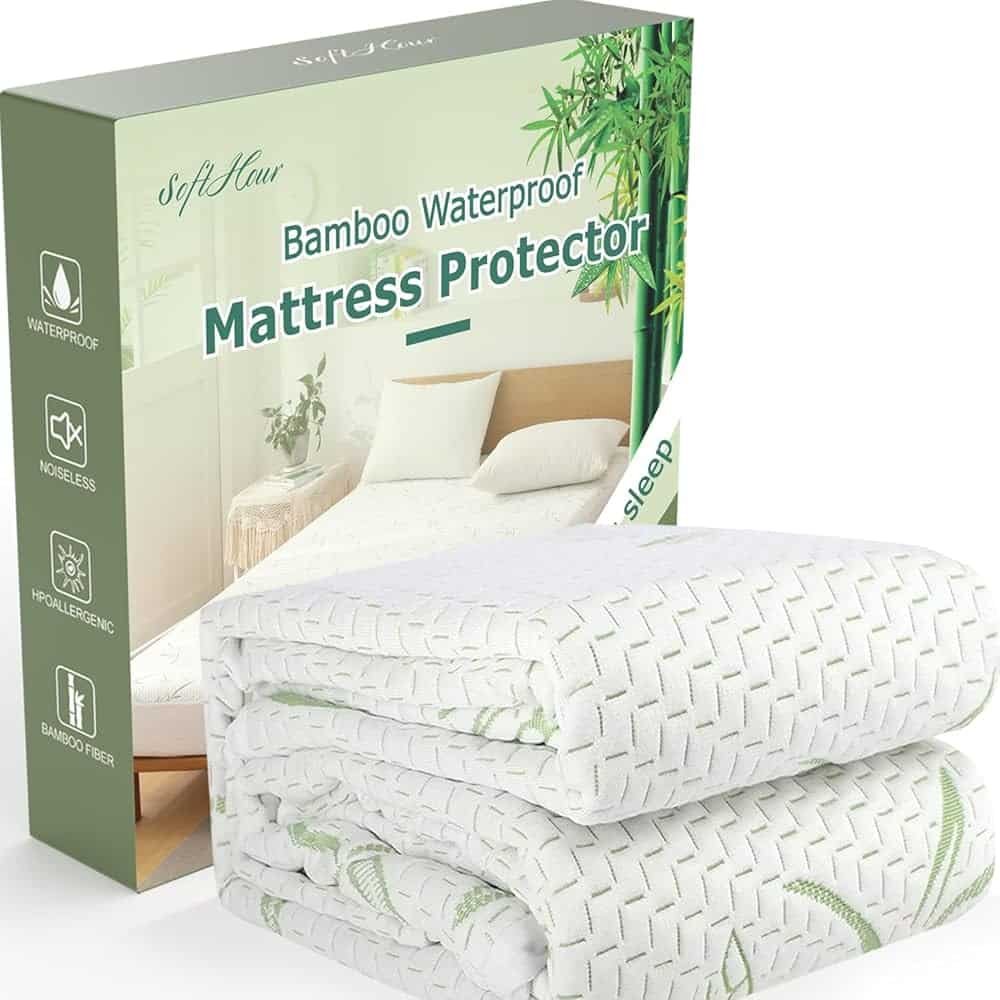
Wash it by machine or hand using cool water, mild detergent, gentle cycle, then air-dry or low heat.
I’ve cleaned dozens of mattress covers in homes and rental properties, and I’ll walk you through every step you need to know about how to wash a mattress cover safely and effectively. This guide covers fabrics, stains, waterproof layers, drying tips, frequency, and real-world mistakes I’ve learned from. You’ll get clear, practical steps and confidence to keep your mattress cover clean, fresh, and lasting longer.
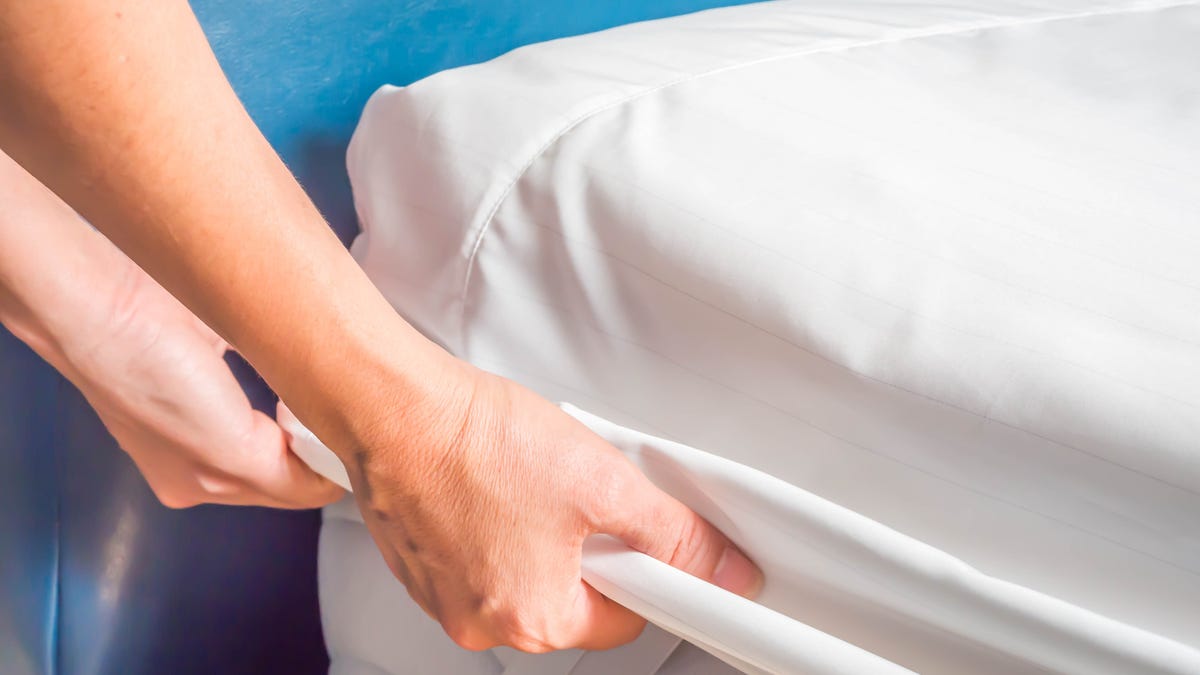
Why wash your mattress cover?
Keeping your mattress cover clean protects your mattress, your health, and your sleep. A mattress cover collects sweat, skin cells, dust mites, spills, and pet hair. Washing a mattress cover helps reduce odors, allergies, and stains. When you know how to wash a mattress cover properly, you also extend the life of the cover and the mattress underneath.
From my experience, small spills left too long become stubborn. Regular cleaning prevents that. If you or someone in your home has allergies, knowing how to wash a mattress cover is one of the cheapest ways to reduce triggers.
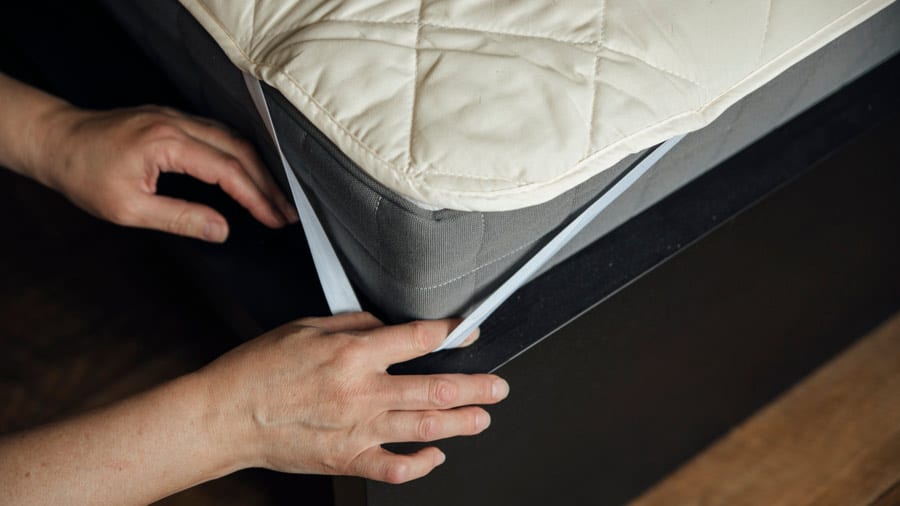
How to wash a mattress cover: step-by-step guide
Follow this clear routine when you want to learn how to wash a mattress cover. Read the care label first. It will tell you if the cover is machine-washable, hand-wash only, or dry-clean only.
-
Check the care tag and zipper
- Confirm machine-wash instructions, water temp, and drying limits.
- Zip the cover closed to protect the zipper and prevent snagging.
-
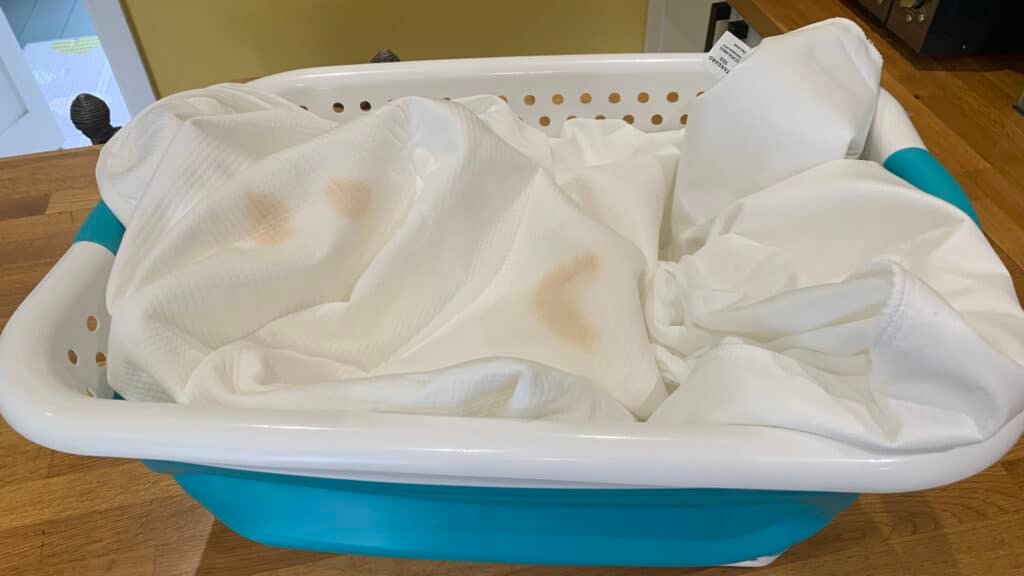
Pre-treat stains
- Blot fresh spills with a clean cloth; do not rub.
- Use a mild stain remover or a mix of water and gentle detergent on stains. For protein stains (blood, sweat), use cold water and an enzyme cleaner.
-
Choose detergent and cycle
- Use a mild liquid detergent or a detergent formulated for delicate fabrics.
- Wash on a gentle or delicate cycle to protect seams and coatings.
- Use cool or warm water per care tag; avoid hot water on waterproof coatings.
-
Load and balance the machine
- Wash the cover by itself or with a few towels to balance the load.
- Avoid overloading; it needs room to move so water rinses fully.
-
Rinse and spin
- If your washer has an extra rinse feature, use it to remove soap fully.
- Too much soap can leave residue that traps odors.
-
Dry carefully
- Air-dry flat or hang to dry for foam-backed or waterproof covers.
- If machine-drying is allowed, use low heat or tumble-dry low.
- Remove promptly to avoid wrinkles and to keep waterproof membranes intact.
Regularly following these steps makes learning how to wash a mattress cover simple and reliable. I’ve found extra rinses and low heat to be the two most useful habits.
:max_bytes(150000):strip_icc()/how-to-wash-mattress-protector-5220415-01-695e0b05a7464531a0a5a8e58a9b55a9.jpg)
Special materials and care
Different covers need different care. Knowing the fabric makes learning how to wash a mattress cover easier and safer.
Waterproof and vinyl-backed covers
Waterproof covers often have a thin membrane. Hot water and high heat can melt or warp that layer. Wash in cold or warm water on a gentle cycle. Air-dry or tumble on low only if the tag allows.
Memory foam or foam-backed covers
Foam can retain water and take long to dry. Spot-clean most foam-backed covers. If fully washable, use quick, gentle machine cycles and lay flat to dry away from direct heat.
Cotton, polyester, and blended covers
These are usually machine-washable. Use a mild detergent and normal gentle cycles. They tolerate low heat drying but check tags for specifics.
Wool or specialty fabrics
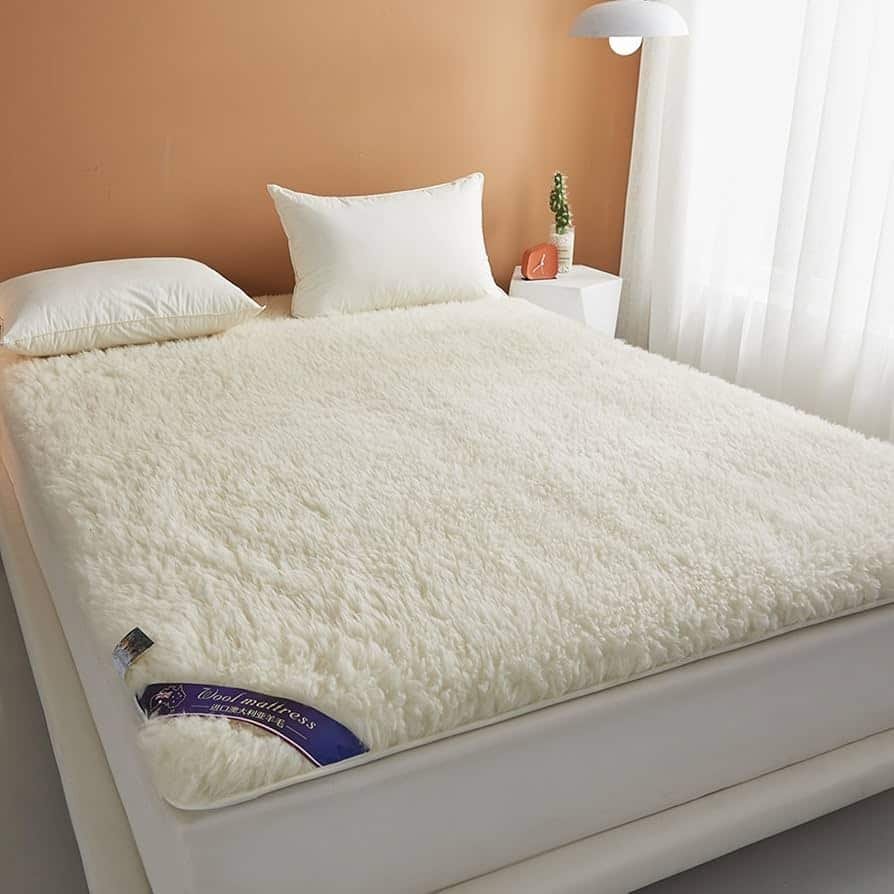
Wool and delicate fibers often require hand washing or dry cleaning. Use cool water and a wool-safe detergent when hand-washing. Press gently to remove water—do not wring.
Check each label before washing. When in doubt, hand-wash and air-dry to protect the material. From my experience, treating specialty materials gently avoids costly damage.

Drying, stains, and odor removal
Drying right prevents damage and smells. Stains respond best when treated quickly. Odors often come from built-up sweat, oils, and detergent residue.
Stain removal tips
- Blot fresh spills immediately with a clean cloth.
- Use cold water for blood or protein stains and warm or room temperature water for other spills.
- Apply an enzyme cleaner for organic stains and let sit 10–15 minutes before washing.
Odor removal tips
- Wash with a cup of white vinegar during the rinse cycle to neutralize odors.
- Avoid overusing scented detergents, which can leave residues.
- Sunlight can naturally deodorize and sanitize many fabrics—air dry in sun when safe for fabric.
Drying tips
- Air-drying is safest for waterproof and foam-backed covers.
- Use a low-heat tumble setting only if allowed by the care label.
- Ensure full dryness before putting the cover back on the mattress to stop mold or mildew.
I once left a foam-backed cover slightly damp and learned the hard way—mildew developed in a week. Now I always test dryness before reinstalling.
/how-to-wash-mattress-protector-5220415-05-4aed9eee4652482ea04bfc8fb40bf7a6.jpg)
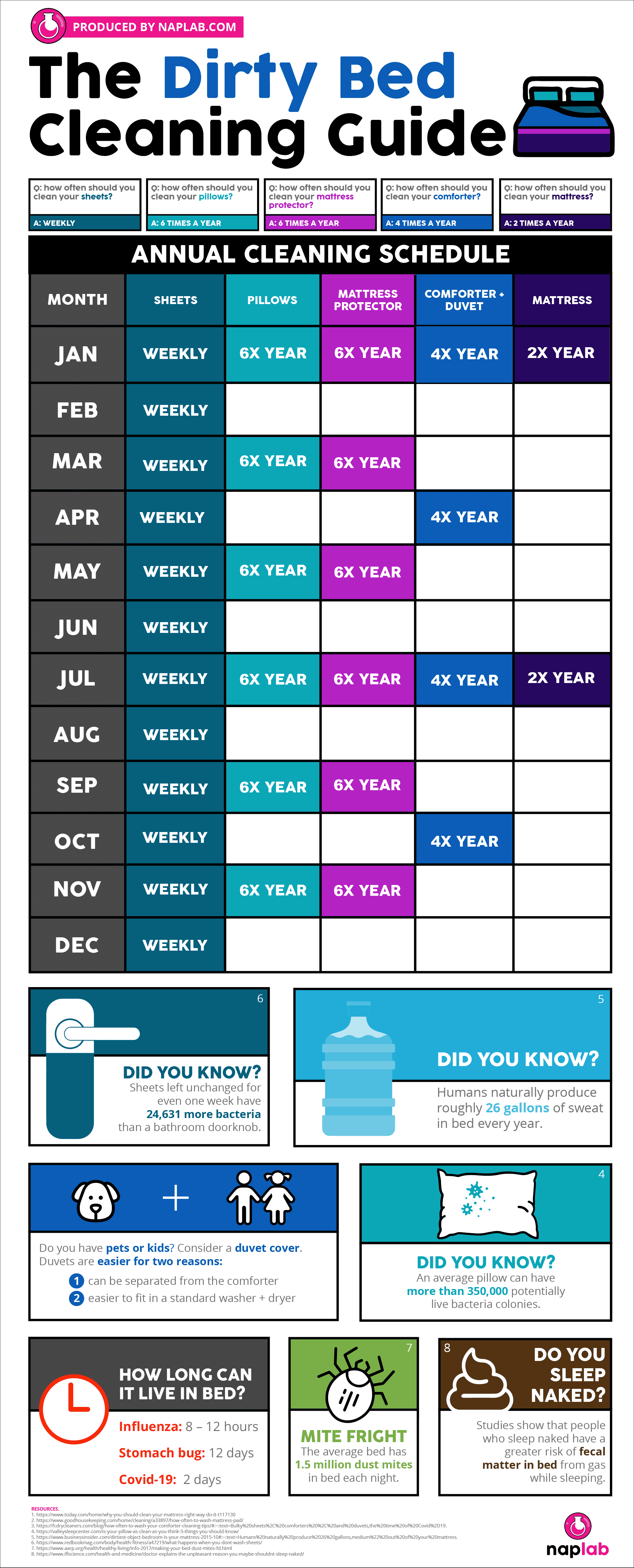
How often to wash a mattress cover and routine maintenance
How often to wash a mattress cover depends on use and risks. Here are practical guidelines.
Washing frequency
- Wash every 1 to 2 months for regular use.
- Wash monthly if you sweat heavily or have allergies.
- Wash immediately after spills or accidents and after caring for a sick person.
- Wash pet-used covers every 2 to 4 weeks if pets sleep on the bed nightly.
Quick maintenance between washes
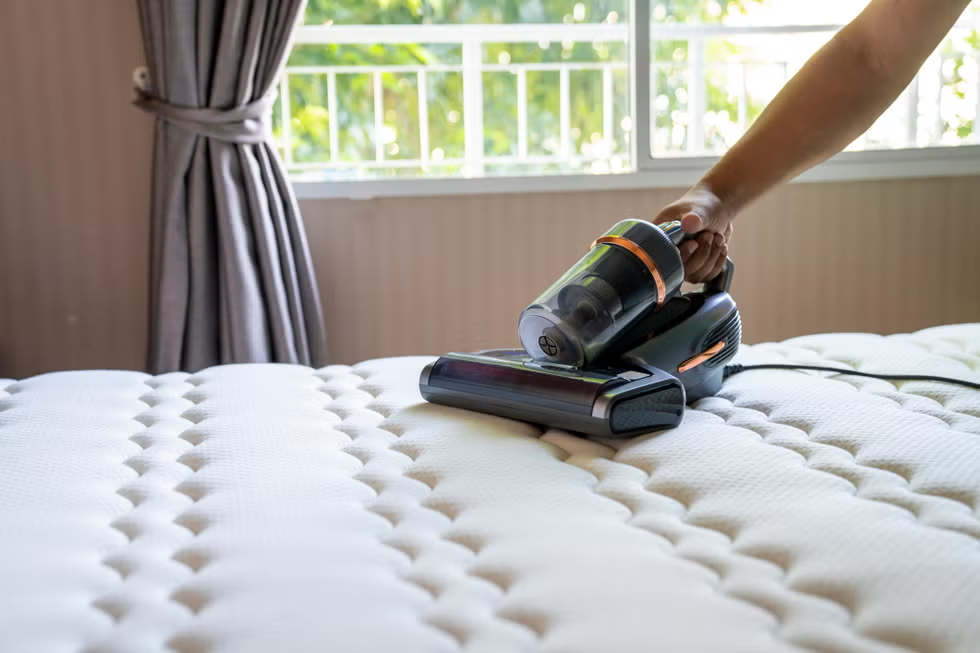
- Vacuum the cover monthly to remove dust and hair.
- Spot-clean spills right away.
- Air the cover on a sunny day when weather allows.
Routine care keeps your mattress cover fresh and shows how to wash a mattress cover in a way that extends its life. I recommend setting calendar reminders for washing and vacuuming. This small habit avoids big cleaning jobs later.
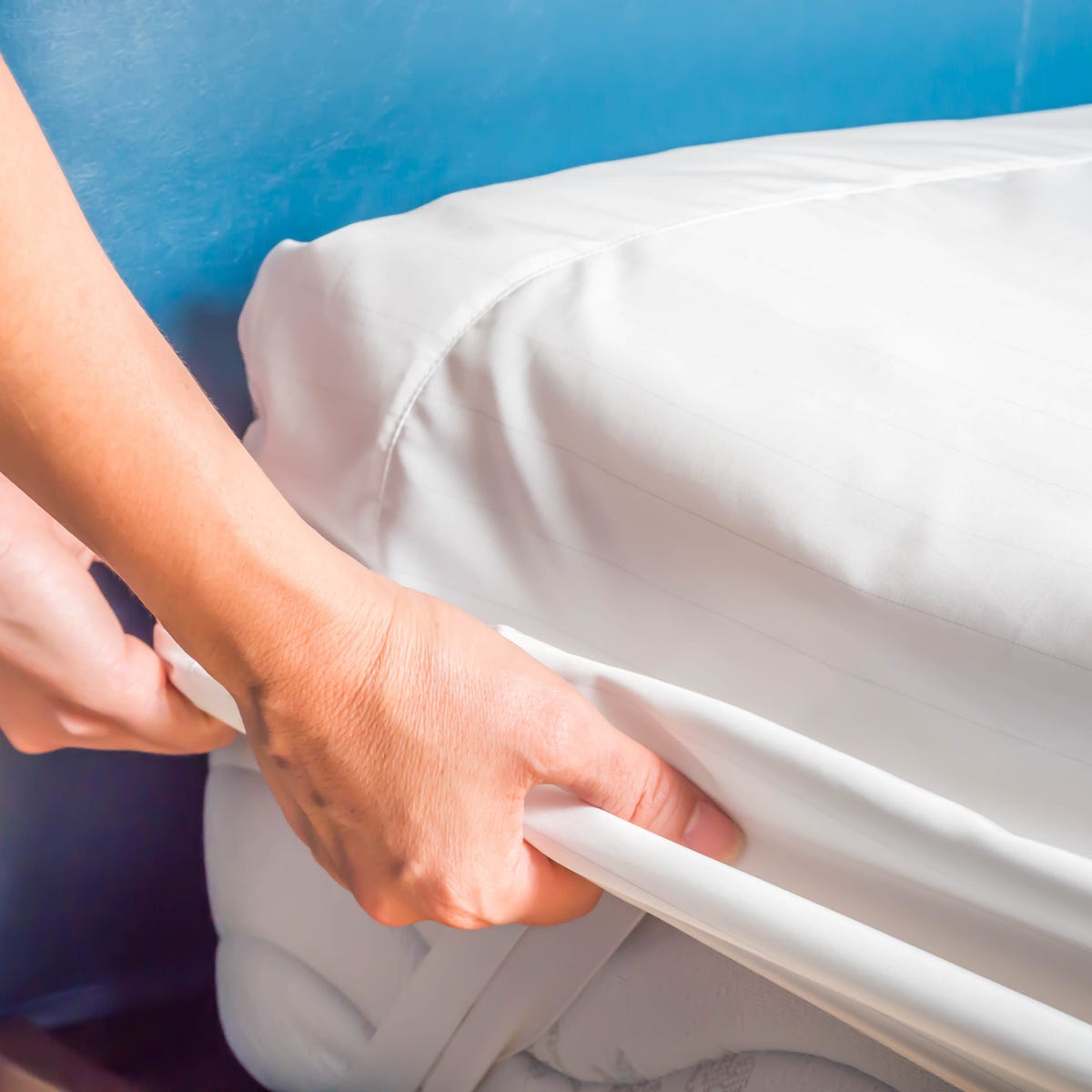
Troubleshooting and mistakes to avoid
Avoid these common errors when learning how to wash a mattress cover.
Common mistakes
- Using hot water on waterproof or coated covers, which can melt membranes or damage coatings.
- Skipping the care label; it’s the fastest way to ruin a cover.
- Overusing detergent, causing residue and trapped odors.
- Drying foam-backed covers in high heat, which deforms foam.
- Washing unzipped or unbuttoned covers, leading to snags and zipper damage.
Quick fixes
- If a cover shrinks slightly, stretch it gently while damp and air-dry flat.
- For lingering smells, rewash with vinegar and an extra rinse.
- If zipper teeth bend, carefully realign with pliers and zip slowly.
From years of cleaning, I’ve seen covers ruined by heat and detergent build-up. Treat the fabric gently and follow tags.
Frequently Asked Questions of how to wash a mattress cover
How do I know if my mattress cover is machine washable?
Check the care label sewn into the seam. If it lists machine wash and a water temperature, you can safely use the washer on a gentle cycle.
Can I use bleach to remove stains on my mattress cover?
Avoid bleach unless the care label explicitly allows it; bleach can break down fabrics and damage waterproof membranes. Use oxygen-based bleach or stain removers for safer whitening.
How long should a mattress cover take to dry?
Drying time varies by fabric. Most cotton covers dry in a few hours when tumble-dried low; foam-backed and waterproof covers may take 24 hours or more when air-dried.
Can I iron a mattress cover to remove wrinkles?
Only iron if the care label permits and use a low heat setting. Avoid ironing over waterproof membranes or elastic panels.
What’s the best way to remove urine stains from a mattress cover?
Blot excess liquid, apply an enzyme cleaner, let it sit, then wash in cold water. Rinse thoroughly and air-dry; heat can set protein stains.
Conclusion
Washing your mattress cover correctly protects your health and keeps your bed fresh. Follow the care label, treat stains quickly, use gentle cycles and mild detergent, and dry with care. Start a simple routine: check the tag, pre-treat stains, wash gently, and air-dry when possible. Try cleaning one cover this week and see how much fresher your bed feels. If you found these tips helpful, leave a comment, share your own tricks, or subscribe for more practical cleaning guides.

Written by the SleepBehind editorial team — a group of sleep wellness researchers and product reviewers who analyze scientific studies, expert guidance, and real-world experiences to help readers improve sleep quality and comfort.