Sleep on your side with pillows to support hips and relieve pain nightly.
I’ve helped many people learn how to sleep with uneven hips, using practical tips that work. I’m a writer who has researched, tested, and used sleep setups for hip pain. This guide explains causes, positions, pillow strategies, exercises, and when to see a clinician so you can sleep better tonight.

Why uneven hips affect sleep
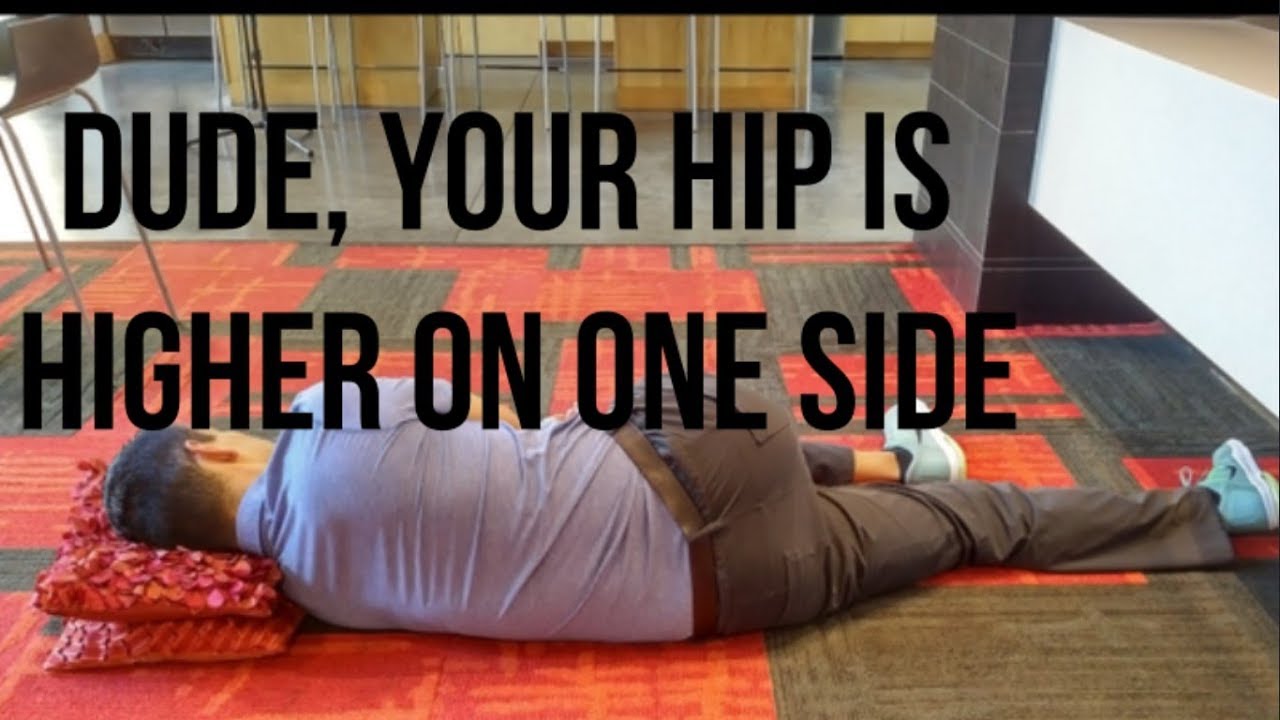
Uneven hips change how your body lies on the bed. One side drops or tilts. That change puts extra pressure on joints and nerves.
When you don’t know how to sleep with uneven hips, muscles tense up. Tension leads to pain and broken sleep. Knowing why helps you choose the right fix.
How to identify causes and diagnose uneven hips
Start with a simple self-check in front of a mirror. Stand barefoot, relax, and note whether one hip bone looks higher. Walk and see if one leg swings differently.
Common causes include:
- Muscle tightness around the hips and pelvis such as tight hip flexors or glutes.
- Leg length differences, either true bone length or functional from pelvis tilt.
- Arthritis, injury, or scoliosis that shifts hip alignment.
- Habitual posture patterns from work or sport.
If you suspect a structural problem, get a formal assessment from a physical therapist or doctor. Imaging or measurement can confirm leg length issues and rule out serious causes.
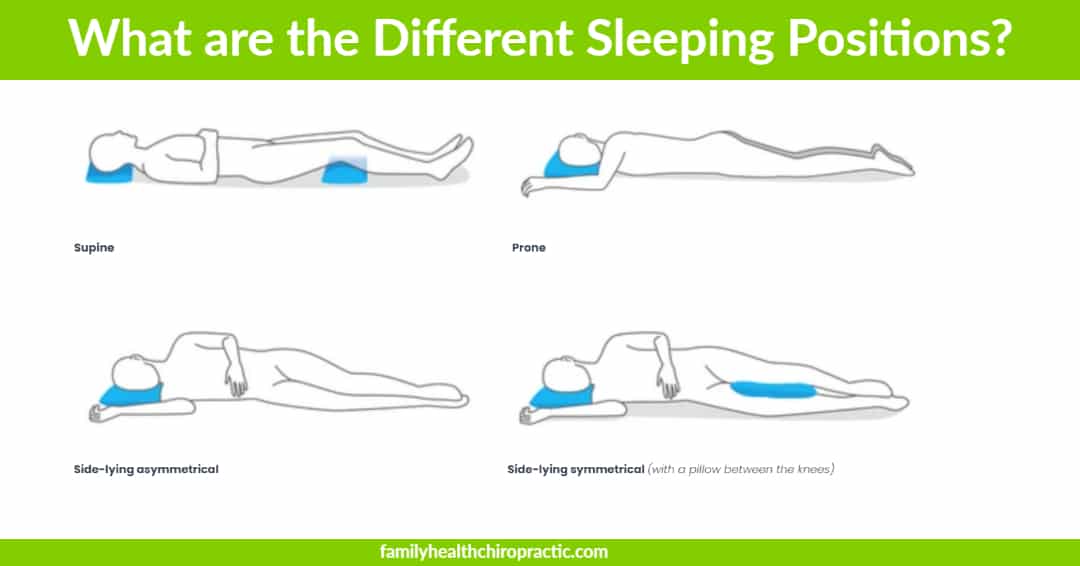
Best sleeping positions for uneven hips
Side sleeping is often best when you learn how to sleep with uneven hips. It helps keep the pelvis aligned with simple pillow support.
Side position setup:
- Lie on the side with the higher hip on top.
- Place a firm pillow between your knees. This keeps hips stacked.
- Add a small pillow under the waist if you feel a gap.
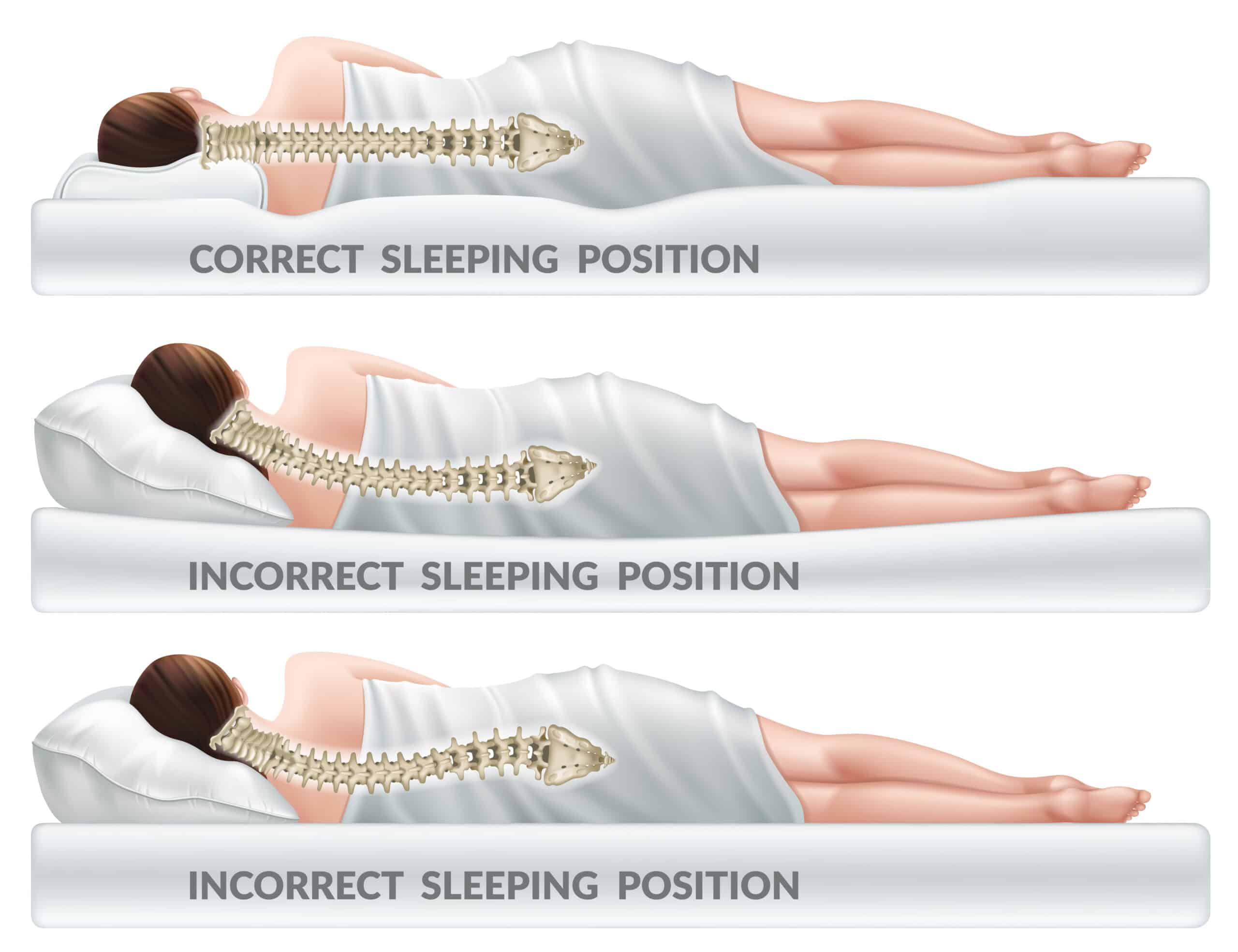
- Keep a thin pillow under your head to align the neck with the spine.
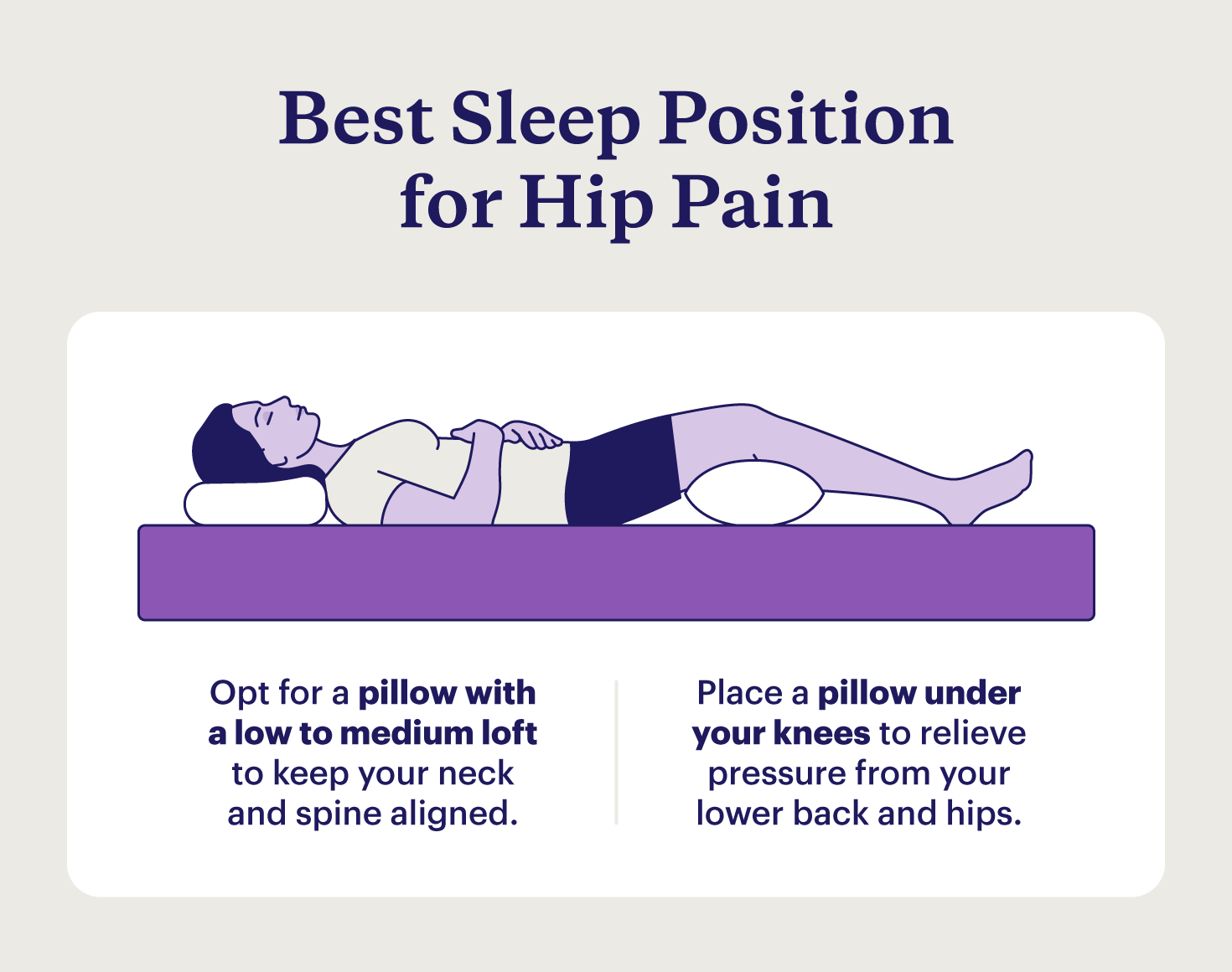
Back sleeping can work if side sleep hurts. Back setup:
- Lie flat on your back.
- Place a pillow under each knee or one wedge under your knees. This reduces lumbar strain.
- Use a small lumbar roll if you need lower back support.
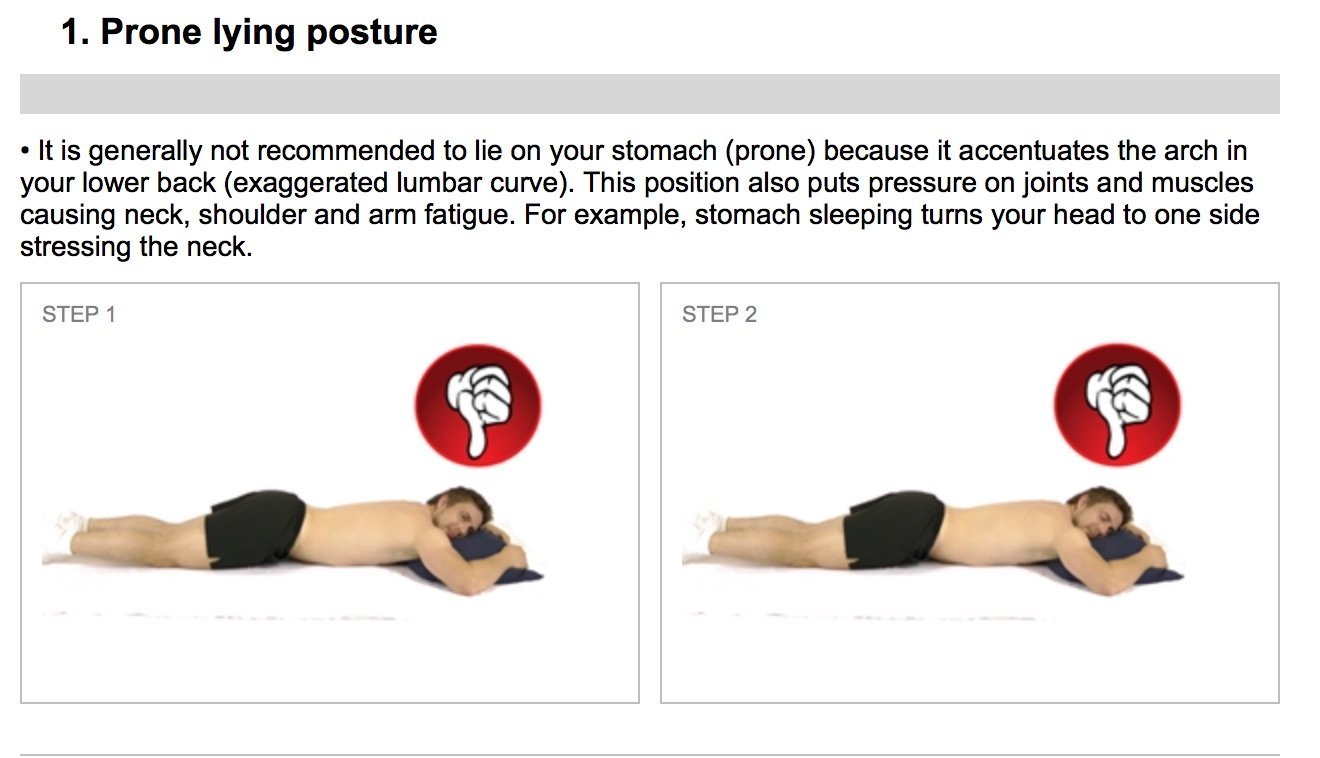
Stomach sleeping is usually the worst for uneven hips. It forces the pelvis to twist and increases strain. Try to avoid sleeping on your stomach if you have hip asymmetry.
 mattress choices, and gear to support hips”
style=”max-width: 100%; height: auto; border: 2px solid black; border-radius: 10px; display: block; margin: 0 auto;”
loading=”lazy”
/>
Pillows, mattress choices, and gear to support hips
Choosing the right mattress and pillows is a big part of learning how to sleep with uneven hips. Comfort and support matter more than brand names.
Mattress tips:
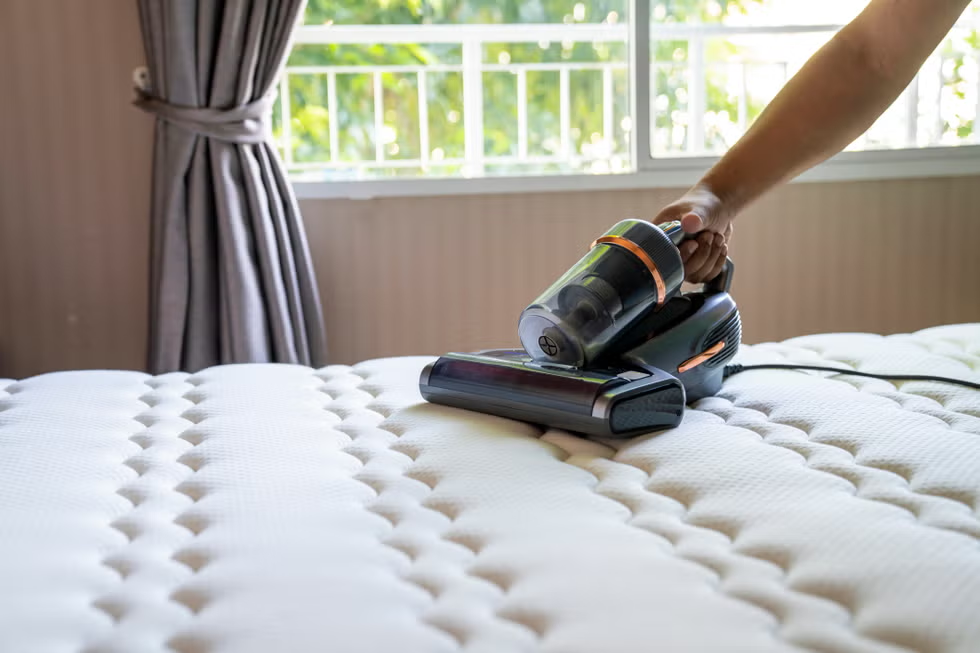
- Medium-firm mattresses often give the best balance of support and cushioning.
- A mattress that is too soft lets the pelvis sink and worsen tilt.
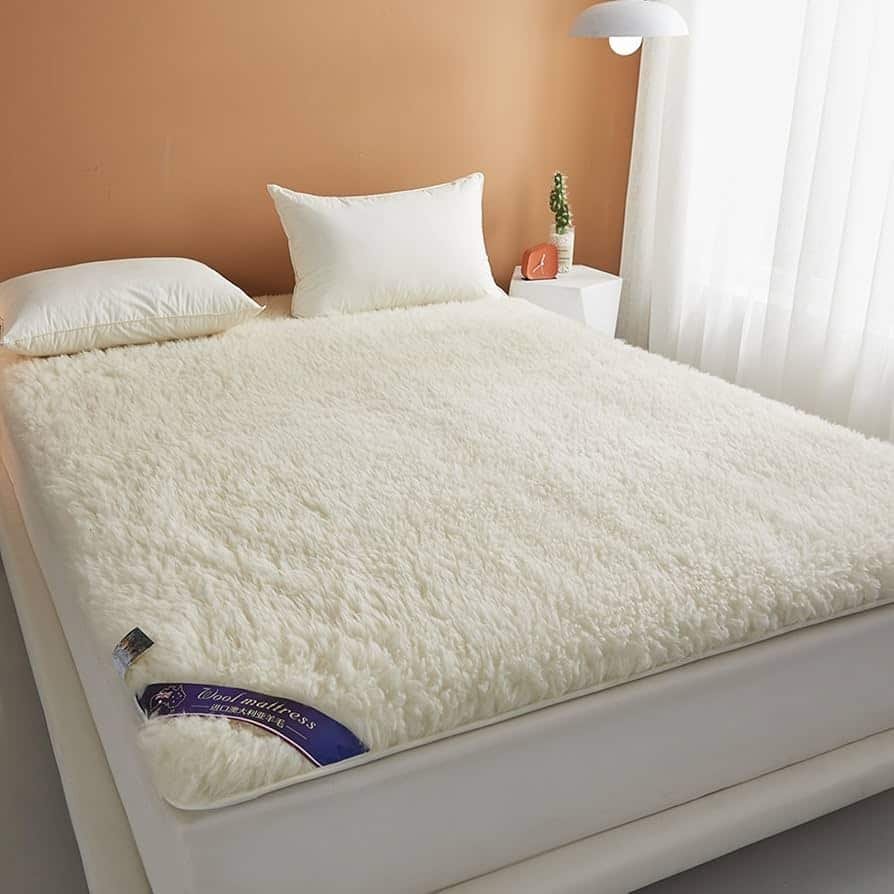
- If cost is a concern, use a mattress topper with moderate firmness to improve support.
Pillow and prop ideas:
- Knee pillows: use a contoured knee pillow for stable hip stacking.
- Wedge pillow: place a wedge under the waist or knees for lumbar support.
- Body pillow: hug a long body pillow to keep legs aligned and reduce rolling.
- Small lumbar roll: use under the lower back on your side or back to fill the gap.
Other gear:
- Adjustable bed or incline wedge can help reduce pressure.
- Cooling mattress covers help if pain wakes you due to heat.
I tested several pillows over months. Pairing a firm knee pillow with a thin lumbar pillow made the biggest difference for me. It kept my hips neutral and cut night wakings by half.
Pre-bed exercises and stretches
Daily stretching and gentle strength work help correct muscle imbalances that cause uneven hips. Doing these before bed also relaxes muscles so you sleep easier.
Simple nightly routine:
- Hip flexor stretch: kneel on one knee and gently push hips forward for 20–30 seconds. Repeat each side.
- Glute stretch: lie on your back and pull one knee toward the opposite shoulder for 20–30 seconds.
- Piriformis stretch: cross one leg over the other while seated and lean forward gently.
- Core activation: do 1–2 sets of 8–12 pelvic tilts to engage lower abdominals.
Strength moves to balance hips:
- Side-lying leg lifts: 2 sets of 10 per side to strengthen abductors.
- Clamshells: 2 sets of 12 per side to target glute medius.
- Bridges: 2 sets of 10 to build glute strength and pelvic control.
Be consistent. I found that three weeks of nightly stretches made pillow setups more effective. If stretches increase pain, stop and consult a clinician.

Bedtime routine and sleep hygiene tips
Good sleep habits boost the benefits of positional fixes for uneven hips. A calm routine reduces muscle tension and helps you stay in the right position.
Routine suggestions:
- Wind down 30–60 minutes before bed. Read or use low-light activities.
- Keep a consistent sleep and wake time to regulate your body clock.
- Use heat or cold therapy before bed if it helps reduce pain. Ten to twenty minutes can relax muscles.
- Apply topical pain relief if recommended, and avoid heavy meals late at night.
Small habits to try:
- Practice your chosen sleep position for 10–20 minutes before you intend to sleep.
- Place pillows where you can reach them and adjust easily in the dark.
- If you wake with hip pain, reposition to side sleep with the knee pillow and relax breathing.

Long-term care, medical treatments, and when to see a professional
If home measures don’t help, seek professional care. Persistent pain, numbness, or loss of function need prompt attention.
Medical and therapy options:
- Physical therapy for targeted correction and manual therapy.
- Orthotics or lifts if leg length difference is confirmed.
- Injections or medications for inflammatory causes as advised by a doctor.
- Surgery is rare but may be suggested for structural problems that don’t respond to conservative care.
When to see a clinician:
- Night pain that won’t ease with position and affects sleep.
- Numbness or weakness in the leg.
- Significant leg length discrepancies or recent trauma.
Be transparent about what you’ve tried. Bring notes about sleep positions, pillow setups, and which exercises improved or worsened symptoms.
My personal tips and lessons learned
I learned several practical things while helping friends and testing fixes for uneven hips. Small changes add up.
What helped me most:
- Commit to a single pillow setup for two weeks before switching.
- Combine stretches with sleep position changes for faster results.
- Keep pillows accessible so you don’t skip repositioning at night.
Mistakes to avoid:
- Using too soft a mattress without extra support.
- Skipping strength work and relying only on pillows.
- Waiting too long to get a professional assessment if pain grows.
These steps made a clear difference in my sleep quality. They are simple, and they work when applied consistently.

Frequently Asked Questions about how to sleep with uneven hips
How do I know if my hips are uneven and affecting my sleep?
Stand barefoot in front of a mirror and check if one hip bone sits higher. Notice walking patterns and sleep pain; if pain changes with position, uneven hips may play a role.
Can pillows really fix hip alignment at night?
Pillows can support hip alignment and reduce pressure while you sleep. They don’t fix the underlying cause but often cut pain and improve sleep significantly.
Which sleep position is best for uneven hips?
Side sleeping with a pillow between the knees is generally best for uneven hips. Back sleeping with a pillow under the knees is a good alternative.
How long before I see improvement using these tips?
Many people notice better sleep in a few nights, but true muscle balance can take weeks. Try a consistent plan for 2–6 weeks and track changes.
When should I see a doctor about uneven hips and sleep pain?
See a doctor if pain is severe, gets worse, or comes with numbness, weakness, or recent injury. Professional assessment is important for persistent symptoms.
Are leg length lifts useful for sleep and hip balance?
If tests show a true leg length difference, lifts can help balance the pelvis and reduce night pain. A clinician or orthotist should recommend the correct lift.
Conclusion
You can learn how to sleep with uneven hips by using the right positions, supportive pillows, targeted stretching, and sensible sleep habits. Start with side sleep and a knee pillow, add nightly stretches, and be patient as muscles respond. If pain persists, get a professional assessment to find any structural issues. Try one change tonight, keep notes on what helps, and consider sharing your results or questions below to learn more.

Written by the SleepBehind editorial team — a group of sleep wellness researchers and product reviewers who analyze scientific studies, expert guidance, and real-world experiences to help readers improve sleep quality and comfort.