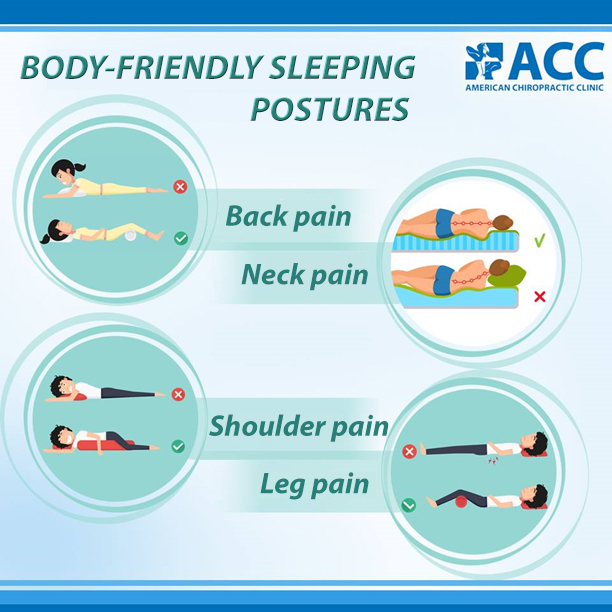
Sleep on your back or the non-painful side with a supportive pillow between the arm and torso.
I’ve spent years helping friends and clients sleep better with shoulder pain. This guide walks you through how to sleep with shoulder pain. I’ll explain why shoulder pain wakes you, which positions help, how to set up your bed, and simple routines to reduce pain before sleep. I write from both research and hands-on experience, so you get clear, practical steps you can try tonight.

Why shoulder pain disrupts sleep
Shoulder pain hurts more at night because you move less and tissues tense up. Lying down changes how pressure sits on the shoulder. This can pinch nerves or stress inflamed tissues. Pain also interrupts sleep cycles and makes it hard to fall back asleep.
Shoulder pain often starts from injury, overuse, or conditions like bursitis, tendonitis, or rotator cuff problems. Stress and poor posture can make pain worse. Knowing this helps you pick the best sleep setup and habits.

Best sleeping positions to reduce shoulder pain
Choosing the right position is a key way to learn how to sleep with shoulder pain. Try these positions and adjust to comfort.
- Back sleeping with padding
- Place a thin pillow under the painful shoulder.
- Put a pillow under the knees to keep the back neutral.
- Keep arms relaxed at your sides or one arm on the chest.
- Side sleeping on the non-painful side
- Use a thick pillow to keep your neck aligned.
- Place a small pillow between your arms or hug a pillow.
- Keep hips stacked with a pillow between the knees.
- Modified fetal or reclined position
- Sleep slightly upright in a recliner or with many pillows.
- This helps if lying flat increases pressure on the shoulder.
Avoid sleeping on the painful shoulder. That direct pressure often increases pain. Test each position for a few nights to find what works best.
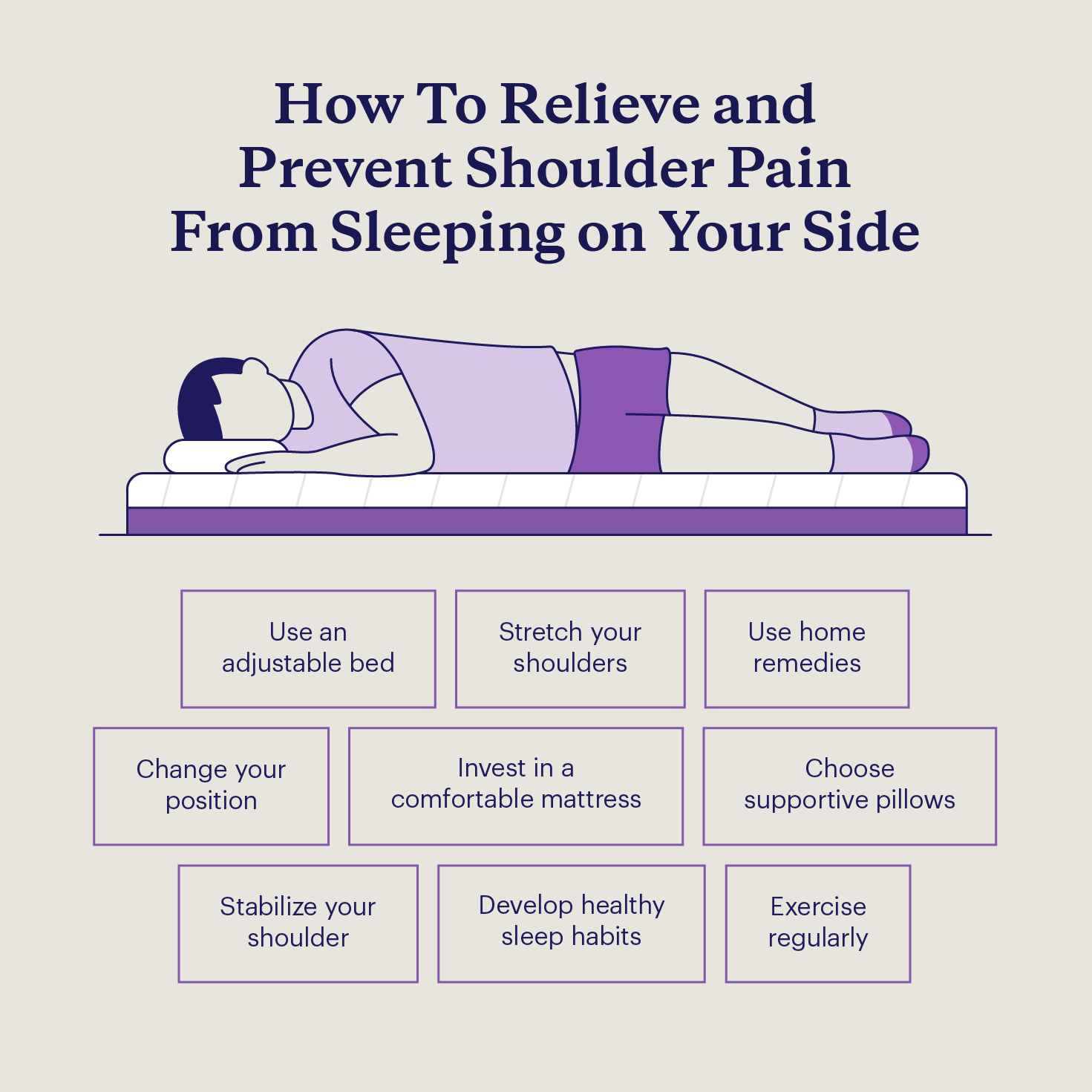
Mattress, pillows, and supports that help
Your bed setup plays a big role in how to sleep with shoulder pain. The right mattress and pillows keep your spine and shoulder aligned.
- Mattress advice
- Choose medium-firm to medium support for most people.
- Avoid very soft mattresses that let the shoulder sink too deep.
- Consider a mattress topper if your mattress feels too hard or too soft.
- Pillow choices
- Use a pillow that keeps your neck aligned with your spine.
- Contour or memory foam pillows can help side and back sleepers.
- Place a small support pillow under the painful shoulder or hug a pillow to keep the area open.
- Extra supports
- A wedge pillow can lift your upper body and ease pressure.
- Use a shoulder brace only if recommended by a clinician.
- Ice packs in a thin cover can be used briefly before bed to reduce inflammation.
Try small changes. I once swapped a flat pillow for a contoured one and slept with much less pain within days. Your ideal setup may need short trials.

Pre-sleep routine and pain management
A calm routine can make learning how to sleep with shoulder pain faster and easier. Gentle steps before bed reduce pain and help you fall asleep.
- Gentle stretches and mobility
- Do light pendulum swings and shoulder rolls for a few minutes.
- Hold each stretch for 15–30 seconds without pain.
- Heat or cold therapy
- Use ice for 10–15 minutes to reduce swelling if the pain is new or inflamed.
- Use heat for 10–15 minutes to relax tight muscles if pain is chronic.
- Pain relief and medication
- Over-the-counter anti-inflammatories can help short-term. Follow dosing rules.
- Topical creams may provide targeted relief without systemic effects.
- Sleep hygiene tips
- Keep a regular bedtime and wake time.
- Avoid screens 30 minutes before sleep.
- Use calming breathing or progressive muscle relaxation to lower tension.
I learned to keep a small ice pack and a contoured pillow by the bed. That routine reduced my wake-ups and made mornings easier.

When to see a doctor and treatment options
Knowing when to seek help is part of how to sleep with shoulder pain safely. Seek care if pain is severe, lasts more than a few weeks, or follows an injury.
- Red flags to get medical help
- Constant pain at rest or at night that limits sleep.
- Weakness or numbness in the arm or hand.
- Fever, sudden swelling, or a shoulder that looks deformed.
- Common professional treatments
- Physical therapy for targeted exercises and manual therapy.
- Injections for persistent inflammation when conservative care fails.
- Imaging and specialist care if injury or structural issues are suspected.
- Long-term strategies
- Strength and mobility programs to prevent reoccurrence.
- Posture and ergonomic changes at work and home.
- Guided return-to-activity plans after injury.
I once referred a friend to physical therapy after six weeks of poor sleep. Consistent therapy and a better sleep plan cut her nightly pain in half within two months.
Frequently Asked Questions of how to sleep with shoulder pain
How should I sleep if I have a rotator cuff injury?
Sleep on your back or on the non-painful side with a pillow supporting the injured arm. Avoid lying directly on the injured shoulder and follow your provider’s rehab plan.
Can ice or heat help shoulder pain before bed?
Yes. Ice for recent inflammation and heat for chronic tightness usually help. Use each for 10–15 minutes and stop if it increases pain.
Will a shoulder brace help me sleep better?
A brace can help if it reduces movement that causes pain. Use it short-term and follow medical advice to avoid stiffness from overuse.
How long should I try a new sleep position before switching?
Try a new position for at least three nights to judge its effect. Small changes can take a few nights to show benefits.
When is shoulder pain at night an emergency?
Seek urgent care for sudden severe pain after trauma, visible deformity, fever, or loss of limb function. These signs may indicate a serious issue.
Conclusion
You can learn how to sleep with shoulder pain by changing positions, using the right mattress and pillows, and building a simple pre–sleep routine. Start with back or non-painful side sleeping, support the shoulder with pillows, and use gentle stretches and short ice or heat sessions. If pain is severe or does not improve, see a clinician for targeted care.
Try one change tonight. Track what helps and ask a professional if pain lasts longer than a few weeks. Share your results, subscribe for more tips, or leave a comment about what worked for you.

Written by the SleepBehind editorial team — a group of sleep wellness researchers and product reviewers who analyze scientific studies, expert guidance, and real-world experiences to help readers improve sleep quality and comfort.