Getting good sleep after a C-section can feel nearly impossible—between incision pain, limited mobility, hormonal changes, breastfeeding demands, and caring for a newborn, rest becomes surprisingly complicated. Many mothers describe the first few weeks after a cesarean as a “sleep puzzle,” where finding a safe, pain-free sleeping position takes time and patience.
A C-section is a major abdominal surgery, and the body undergoes extensive healing afterward. That means everything from rolling over to getting in and out of bed becomes harder, and lying in certain positions may pull on the incision or strain the abdominal muscles. Add fluctuating postpartum hormones, discomfort, emotional stress, and breastfeeding challenges—and sleep becomes even more essential for your recovery. This guide breaks down medically approved, safe sleeping positions, doctor-backed strategies to reduce discomfort, and practical tips to make rest easier while your body heals.
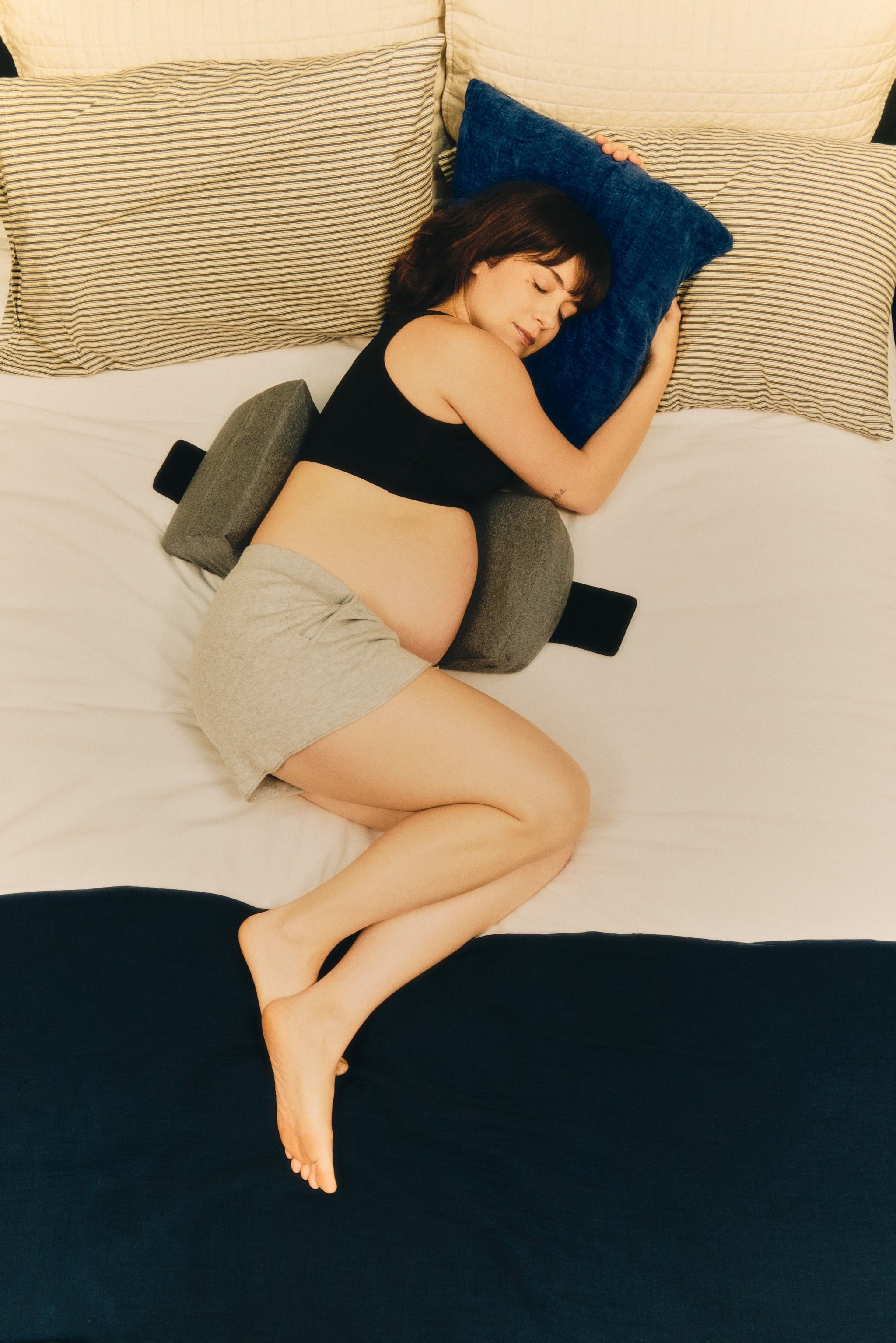
Why Sleep Matters After a Cesarean
Sleep is not just a luxury—it is a critical part of recovery, especially after a surgical birth. Research shows that postpartum women who sleep poorly have slower wound healing, higher rates of infection, and increased risk of mood disorders like postpartum depression.
Physical Healing & Tissue Repair
During sleep, the body releases growth hormones that support:
- Tissue repair
- Incision healing
- Muscle recovery
- Immune system function
A study in The Journal of Sleep Research found that inadequate sleep slows wound healing and increases inflammation.
Immune Support
Post-surgery, the immune system needs more energy to prevent infection—especially around the incision site. Poor sleep weakens immune function and increases vulnerability to complications.
Emotional Well-Being & Postpartum Mood
Sleep plays a major role in mental health. Multiple studies show that postpartum people who sleep less than four hours consecutively are at greater risk of:
- Postpartum depression
- Anxiety
- Irritability
- Difficulty bonding with the baby
(American Psychological Association, 2019) By prioritizing sleep after a C-section, mothers support both physical and emotional recovery—making these early weeks smoother and safer.
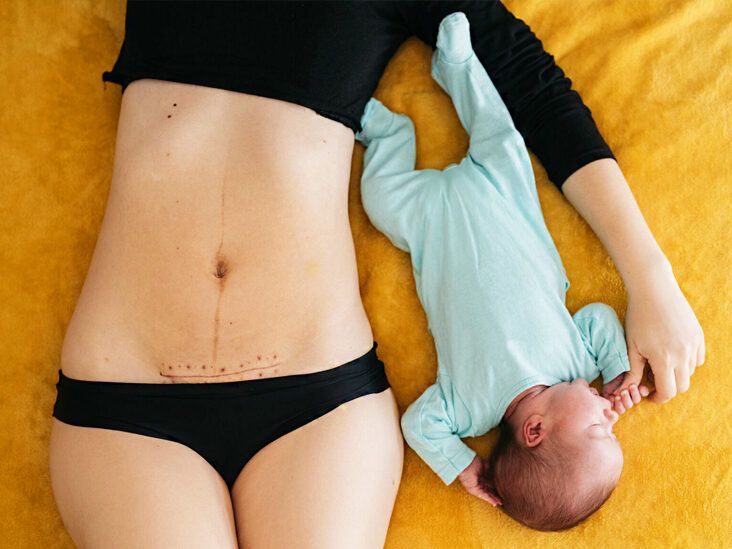
How Long Does It Take to Sleep Comfortably After a C-Section?
Most women begin to sleep more comfortably within 2–4 weeks, but full comfort can take 6–8 weeks depending on:
Factors That Affect Sleep Comfort
- Pain levels
- Incision healing speed
- Whether complications occur
- Body weight and fitness
- Sleeping positions used
- Breastfeeding patterns
- Hormonal changes
Doctors generally recommend avoiding strenuous movement and stomach sleeping until your 6-week postpartum check-up.
Remember: every recovery timeline is different. If you had an emergency C-section, additional procedures, or complications, your healing may take longer.
9 Safe Tips for Sleeping After a C-Section
Below are medically approved, doctor-endorsed tips to improve your sleep after a cesarean.
Tip 1: Sleep on Your Back Safely
Why It Works
Sleeping on your back is often the most comfortable position during the first two weeks because it puts minimal pressure on the incision.
How to Do It Safely
- Place a pillow under your knees to reduce lower back strain.
- Support your upper body slightly with another pillow if lying flat pulls on your abdomen.
- Consider using a wedge pillow for gradual elevation.
If you want to Buy Wedge pillow from Amazon please check the link

Doctor-Approved Suggestion
Back sleeping is recommended in early recovery because it reduces the risk of incision pulling and is easiest for getting out of bed slowly using the “log roll technique.”

Tip 2: Try Side-Sleeping With Pillow Support
Why It Works
Side sleeping—especially on the left—improves blood circulation, reduces acid reflux, and relieves pressure on the incision.
How to Do It
- Use a pillow between your knees to align your spine.
- Hug a pillow to prevent rolling onto your stomach.
- Support your belly with a soft pillow to reduce tugging.
Doctor-Approved Tip
Many obstetricians recommend side sleeping once pain begins to improve because it encourages natural rest positions and supports circulation.
Tip 3: Use the Recliner Position (Elevated Head Position)
Why It Works
Sleeping slightly upright reduces abdominal strain, helps with breathing, eases gas pain, and minimizes incision pressure.
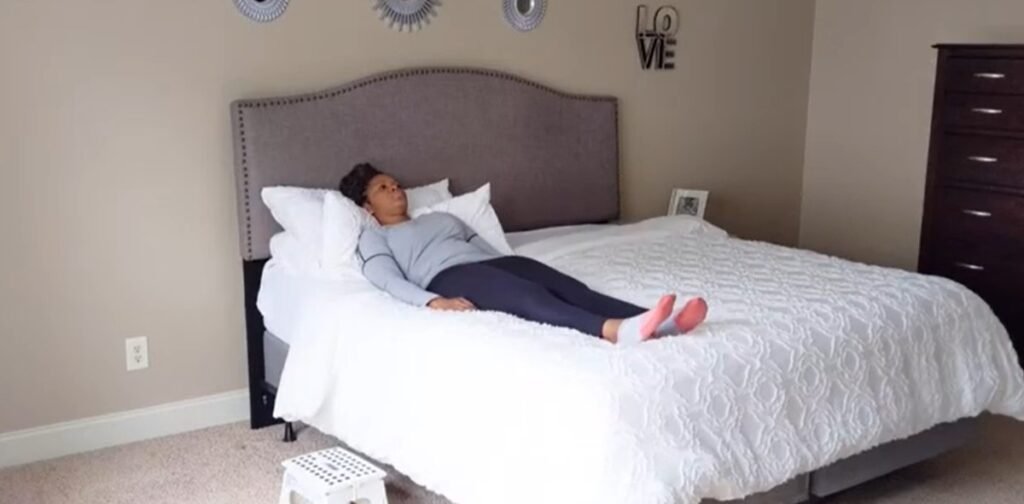
Safe Ways to Try This
- Use an adjustable bed, recliner, or stacked pillows.
- Keep your torso elevated at a 30–45° angle.
- Use a rolled towel behind the lower back to maintain support.
Check out the Stacked pillows after c section

Doctor Insight
Many women find this method the most comfortable for the first 1–2 weeks, especially if they experience swelling or incision pulling.
Tip 4: Avoid Stomach Sleeping Until Cleared by Your Doctor
Why It Matters
Stomach sleeping places direct pressure on the incision, interferes with healing, and can cause sudden pain if you move abruptly.
How Long to Avoid It
Generally, wait 6–8 weeks or until your doctor confirms the incision is fully healed.
Doctor Tip
Even after clearance, ease into stomach sleeping gradually using extra pillows for support.
Tip 5: Support Your Incision With a Pillow (Splinting)
Why It Works
Pillow splinting stabilizes the incision area when you:
- Cough
- Laugh
- Sit up
- Change positions
This reduces pain and protects healing tissues.
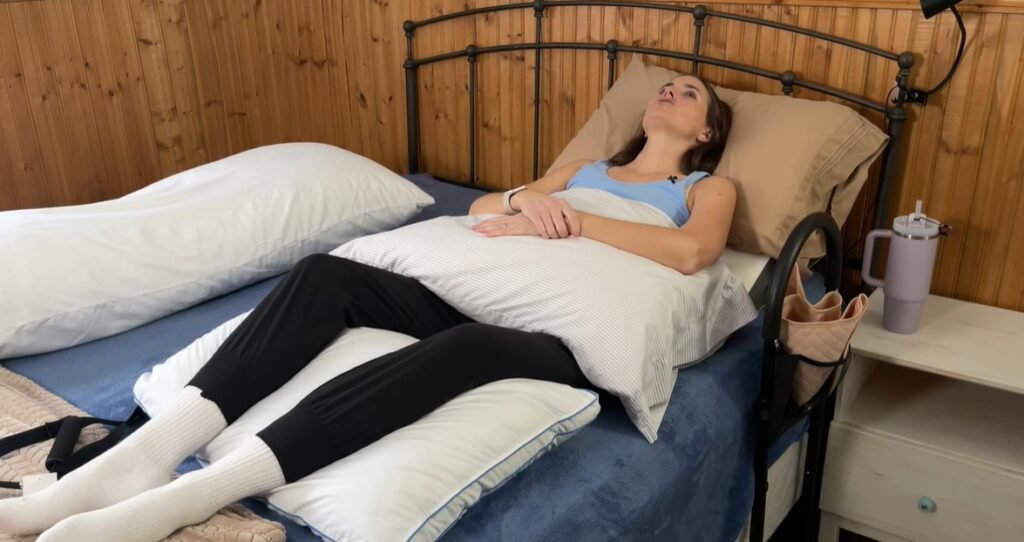
How to Do It
Hold a soft pillow gently over your incision area while adjusting your position or getting out of bed.
Doctor Tip
Splinting is commonly recommended in hospitals to reduce abdominal strain during early recovery.
Tip 6: Use Pain Medication as Prescribed for Better Sleep
Why It Helps
Pain is one of the biggest obstacles to good sleep after a C-section. Using medications properly improves mobility and reduces nighttime discomfort.
Safe Use Guidelines
- Follow your doctor’s schedule for pain relief.
- Take medicines before bedtime for maximum comfort.
- Avoid medications not approved for breastfeeding if you are nursing.
Evidence-Based Note
Studies show that adequate pain control promotes better sleep, reduces inflammation, and improves wound healing.
Tip 7: Practice Gentle Mobility Before Bed
Why It Works
Light activity improves circulation and reduces gas pain, which is common after abdominal surgery. Gas buildup can be surprisingly painful and disrupt sleep.
Examples of Gentle Mobility
- Slow walking
- Gentle stretching
- Pelvic tilts (if approved)
Doctor Tip
Avoid strenuous exercises, but keep your body moving to reduce stiffness and improve sleep quality.
Tip 8: Keep Your Sleep Environment Comfortable and Distraction-Free
Why It Matters
A calm environment supports deeper sleep at a time when your body desperately needs uninterrupted rest for healing.
Ways to Optimize Your Room
- Use blackout curtains
- Keep the temperature between 18–20°C (65–68°F)
- Reduce noise with a fan or white-noise machine
- Ask your partner to handle nighttime non-feeding tasks
Doctor Tip
Good sleep hygiene plays a major role in recovering faster after birth—especially a surgical birth.
Tip 9: Ask for Help at Night to Reduce Physical Strain
Why It Works
You should avoid sudden bending, lifting, or twisting during recovery. Having help reduces stress on the incision and prevents overexertion.
How to Implement This
- Ask your partner to bring the baby to you for feeds.
- Have someone else handle diaper changes at night.
- Use a bassinet that opens from the side to avoid bending.
New parents can also benefit from learning how often to change diapers, which helps keep newborns comfortable during night-time care.
Doctor Tip
Overexertion is one of the top causes of delayed incision healing. Delegating tasks protects your body and promotes better rest.

When NOT to Ignore Sleep Problems
Seek medical attention if you notice:
• Severe or worsening pain
Could indicate complications or infection.
• Incision infection signs
- Redness
- Pus
- Fever
- Swelling
• Blood clot symptoms
- Leg swelling
- Warmth
- Sharp calf pain
(Deep vein thrombosis is more common after C-sections.)
• Sleep apnea symptoms
- Gasping during sleep
- Loud snoring
- Pauses in breathing
• Depression or anxiety symptoms
- Persistent sadness
- Feeling hopeless
- Panic attacks
- Loss of interest
- Trouble bonding with the baby
Postpartum depression affects 1 in 7 mothers (CDC), and sleep problems are often one of the earliest warning signs.
Frequently Asked Questions of how to sleep after a cesarean
Is it safe to sleep on your right side after a C-section?
Yes. Both right and left side positions are safe once pain decreases. Use a pillow for support.
How soon can I sleep on my stomach?
Most doctors recommend waiting 6–8 weeks. Always get clearance first.
Should I use a belly binder at night?
During the day, binders can help support your abdomen. At night, some women find them uncomfortable. Use only if your doctor approves and if it does not restrict breathing.
Do sleeping positions affect incision healing?
Yes. Positions that strain the abdomen—like stomach sleeping—can slow healing or increase pain.
How soon can I lie on my side after a cesarean?
You can usually lie on your side right after surgery, once staff clear your vital signs and you feel stable. Use pillows to support your knees and protect the incision while you roll and move.
Is it safe to sleep on my back after a cesarean?
Short periods on your back are okay, but many women find back sleep uncomfortable due to incision pressure. If you sleep on your back, place a pillow under your knees and avoid it if you feel dizzy or short of breath.
Can I use sleep aids or sedatives while breastfeeding?
Only use sleep aids that your provider approves, because some pass into breast milk. Many doctors recommend non-drug strategies first and advise caution with sedatives while nursing.
How can I get more sleep when the baby wakes often?
Nap when the baby naps and share nighttime tasks with a partner or helper. Create a calm night routine and set up supplies near the bed to reduce time out of bed between feeds.
Will my incision keep me from turning in bed?
The incision can make turning stiff and painful at first, but using the log-roll technique helps protect the area. Practice slow, supported turns and use pillows to keep comfort while you heal.
Conclusion
Recovering from a C-section is a journey, and sleep plays a central role in helping your mind and body heal. Every woman’s recovery timeline is different, so be patient with yourself and follow the strategies that feel safest and most comfortable.
The key is to use supportive sleeping positions, manage pain wisely, keep your environment soothing, and ask for help when needed. If sleep remains extremely difficult or pain gets worse, always reach out to your doctor—your comfort and recovery matter.
You’re doing an incredible job. With time, rest, and the right support, sleeping after a cesarean becomes easier and more comfortable.

Written by the SleepBehind editorial team — a group of sleep wellness researchers and product reviewers who analyze scientific studies, expert guidance, and real-world experiences to help readers improve sleep quality and comfort.