Improve REM sleep quality by fixing your sleep routine, controlling light, and reducing stimulants.
I write about sleep from years of study and personal trial. I know how to improve rem sleep quality in practical, science-backed ways. This guide gives clear steps, simple rules, and real tips I used to boost dreaming sleep and wake up alert. Read on to learn what works, why it works, and how to track progress.

Understanding REM sleep
REM sleep stands for rapid eye movement sleep. It is the stage when vivid dreams occur and the brain processes emotions and memories. REM makes up about 20–25% of a normal night, but timing matters more than raw time. Knowing how to improve REM sleep quality starts with knowing when REM happens and what helps it occur reliably.
REM happens in cycles. Each cycle grows longer for REM as the night goes on. Disrupting late-night sleep cuts REM time and reduces its benefits. If you want to improve REM sleep quality, you must protect the second half of the night.

Practical ways to improve REM sleep quality
Below are clear, simple steps you can use tonight. I tested many of these myself and found big gains when I stuck to the routine.
- Keep a steady sleep schedule
- Go to bed and wake up at the same time daily.
- Regular sleep helps REM cycles fall into a stable rhythm.
- Tip: Set a gentle alarm for bedtime, not just wake time.
- How to improve REM sleep quality: consistency is the foundation.
- Control light exposure
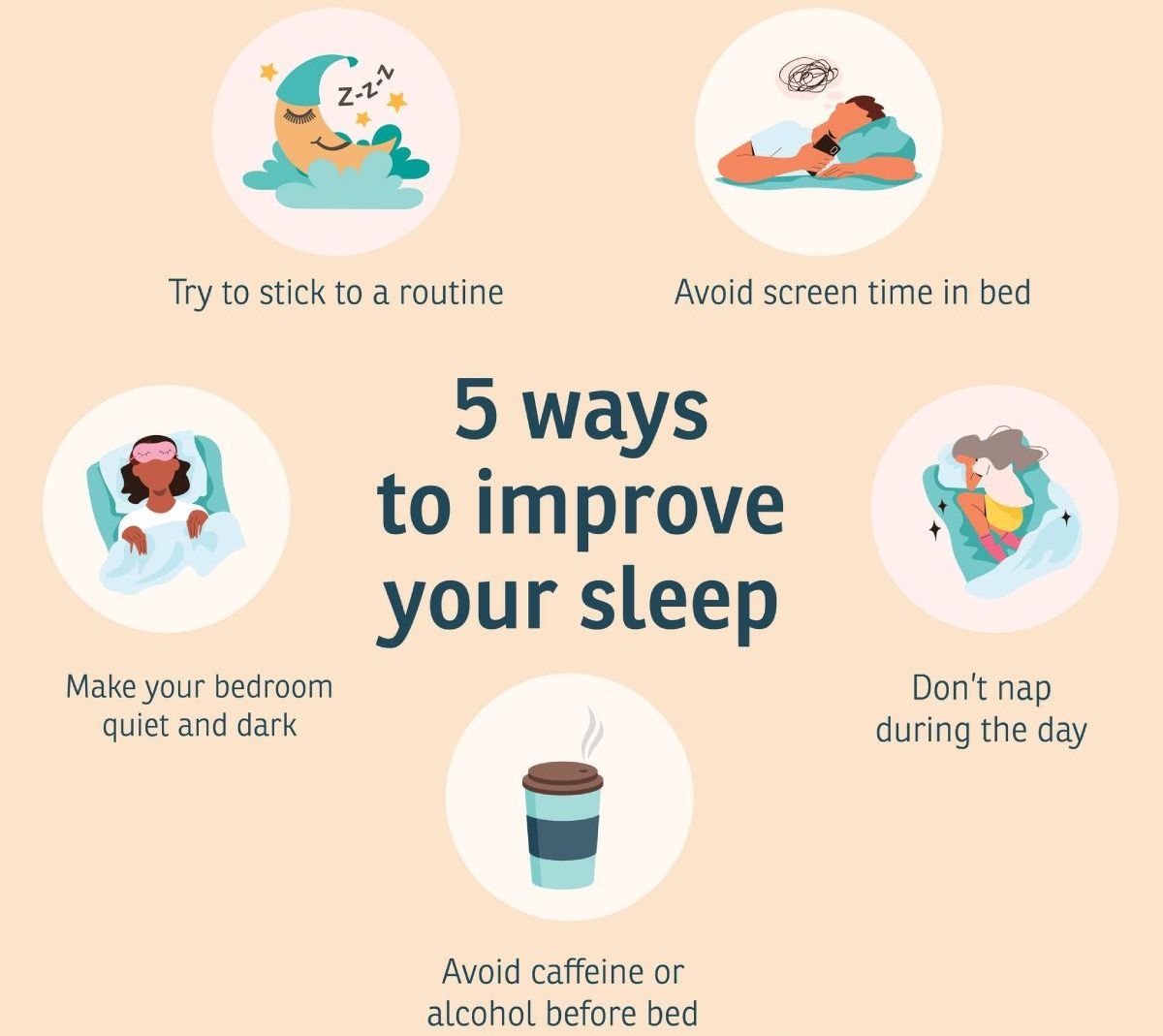
- Dim lights in the evening and avoid blue screens for 60–90 minutes before bed.
- Use blackout curtains to block early morning light.
- Melatonin and REM respond to dark. Less light improves REM timing.
- How to improve REM sleep quality: make night very dark and morning bright.
- Create a sleep-friendly bedroom
- Keep the room cool, quiet, and comfortable.
- Use a supportive mattress and breathable bedding.
- A calm room reduces brief wakes that fragment REM.
- How to improve REM sleep quality: reduce interruptions and noise.
- Manage stress and emotions
- Practice short evening routines: journaling, breathing, or a warm shower.
- Therapy or mindfulness can lower night-time worry.
- Stress shortens and fragments REM sleep.
- How to improve REM sleep quality: calm the mind before bed.
- Watch caffeine and alcohol
- Avoid caffeine after early afternoon. It shortens REM even if you fall asleep.
- Skip alcohol close to bed; it fragments REM later in the night.
- How to improve REM sleep quality: time stimulant and depressant use earlier.
- Time your meals and exercise
- Finish large meals two to three hours before bed.
- Do moderate exercise but not intense workouts right before sleep.
- Digestion and late exercise can delay REM onset.
- How to improve REM sleep quality: time food and activity for earlier in the day.
- Nap smartly
- Short naps (20–30 minutes) help energy without harming REM at night.
- Avoid long late-afternoon naps that cut night REM.
- How to improve REM sleep quality: keep naps short and early.
- Review medications and substances
- Some antidepressants and other drugs reduce REM. Talk to your clinician.
- Never stop meds abruptly. Work with a doctor to balance benefits and sleep.
- How to improve REM sleep quality: get medical review when needed.
- Build a sleep routine you like
- Repeat the same calming steps each night.
- Small, pleasant rituals signal the brain it’s time to enter REM-friendly sleep.
- How to improve REM sleep quality: routines make the brain predictable and safe.

When to seek medical help
If you still struggle after trying routine changes, see a clinician. Conditions like sleep apnea and REM behavior disorder clearly affect REM. A sleep study can measure your REM time and fragmentation. If you use meds that alter REM, a doctor can adjust them safely. Getting a professional check is often the fastest route to real change in how to improve rem sleep quality.
Tracking REM and measuring progress
Track sleep to know what works. Wearables and apps give estimates of REM. They are not perfect but they show trends. Keep a simple sleep diary too. Note bedtime, wake time, alcohol, caffeine, and mood. Over weeks you will see what helps REM improve. I found mixing a tracker with notes cut my guesswork and made progress clear.

Common mistakes and troubleshooting
Watch out for these traps. Fixing them often boosts REM fast.
- Sleeping in on weekends
- This shifts your clock and hurts REM later in the week.
- Keep wake time within one hour even on days off.
- Binge drinking to fall asleep
- Alcohol can make you sleep faster but fragments REM later.
- Replace night drinks with a warm beverage or walk.
- Over-reliance on trackers
- Devices can mislabel sleep stages. Use them for trends, not exact minutes.
- Pair data with how you feel in the morning.
- Ignoring daytime stress
- Day pressure carries into night and blocks REM.
- Use short breaks and breathing to avoid bedtime rumination.
- How to improve REM sleep quality: treat day stress as a sleep issue too.

Frequently Asked Questions of how to improve rem sleep quality
What exactly reduces REM sleep?
Certain meds, alcohol, shift work, irregular sleep schedules, and untreated sleep disorders can reduce REM. Controlling these factors usually helps.
How much REM sleep do I need?
Adults usually get 20–25% REM. Quality matters more than a fixed number. Aim for consistent cycles and fewer night wakes.
Can I boost REM quickly?
Small changes can help in a week. Stick to a bedtime, cut late caffeine, and fix bedroom light for faster gains. Long-term habits give the best results.
Do naps affect REM at night?
Short naps rarely harm night REM. Long late naps can reduce REM at night. Keep naps short and early if REM is your goal.
Is dreaming a sign of good REM?
Dreaming happens in REM and can mean REM is occurring. Vivid dreams alone don’t prove high-quality REM. Look for consistent sleep and feeling refreshed.
Conclusion
You can improve REM sleep quality by shaping your routine, sleep space, and habits. Start with a steady schedule, better light control, stress tools, and smart timing of food, drink, and exercise. Track results with simple tools and ask a clinician if problems persist. Try one change this week and build slowly. Share what works, subscribe for more tips, or leave a comment about your sleep wins.

Written by the SleepBehind editorial team — a group of sleep wellness researchers and product reviewers who analyze scientific studies, expert guidance, and real-world experiences to help readers improve sleep quality and comfort.