Dispose of a mattress protector by donating if clean, recycling fabric if possible, or trashing responsibly.
I have worked with home goods and waste programs for years, so I know the smart, safe ways to handle old bedding. This guide explains how to dispose of mattress protector step by step. I will show options that save money, help the planet, and keep your home healthy. You will learn when to donate, when to recycle, and when to throw away a mattress protector. Practical tips and personal lessons are included so you can act with confidence.
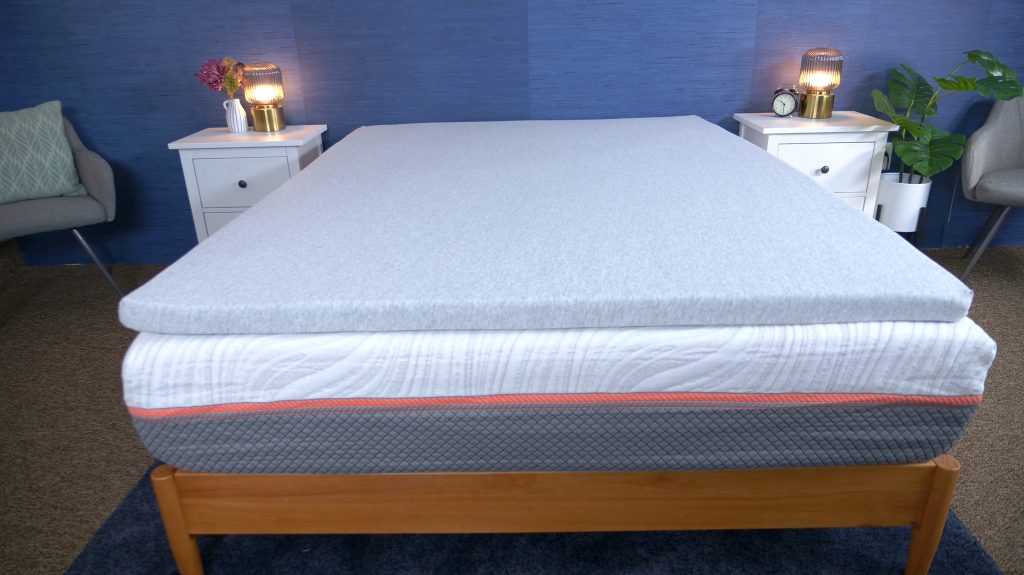
Why proper disposal matters
A mattress protector is small, but how you dispose of it matters. The wrong choice can spread allergens, waste useful materials, or add to landfill problems. Learning how to dispose of mattress protector helps you avoid those pitfalls. It also saves you money and protects your health.

Types of mattress protectors and how they affect disposal
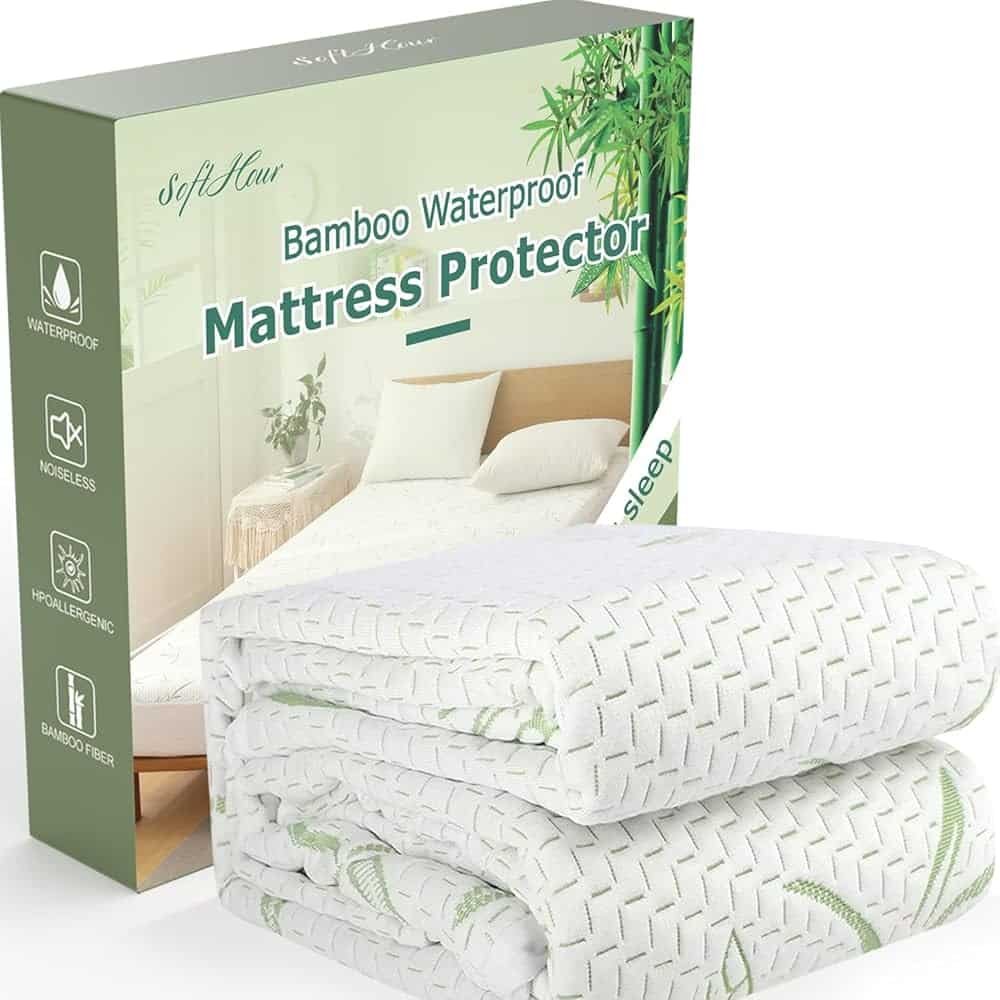
Different materials change your options. Know what you have before you decide how to dispose of mattress protector.
- Cotton or fabric protectors
- Often machine washable and can be reused or donated if clean.
- Waterproof or vinyl-backed protectors
- These include a thin plastic layer that limits recycling choices.
- Disposable protectors
- Usually made from thin plastic and fiber. They are meant to be thrown away.
- Allergen-barrier or medical-grade protectors
- May have special coatings; check label for cleaning and disposal rules.
I once had a waterproof protector that looked fine but had a waxy backing. I learned it could not be recycled curbside, so I reused it as a pet mat before discarding. That small step extended its life and avoided landfill waste for a while.

Step-by-step: How to dispose of mattress protector
Follow these simple steps to decide the best route. Each step helps you handle the protector safely and responsibly.
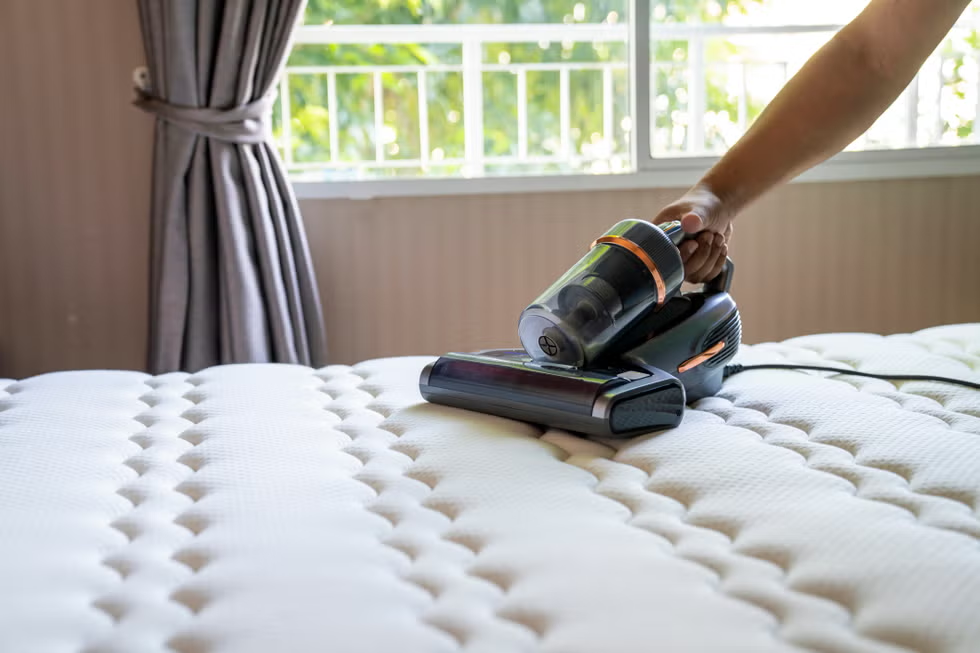
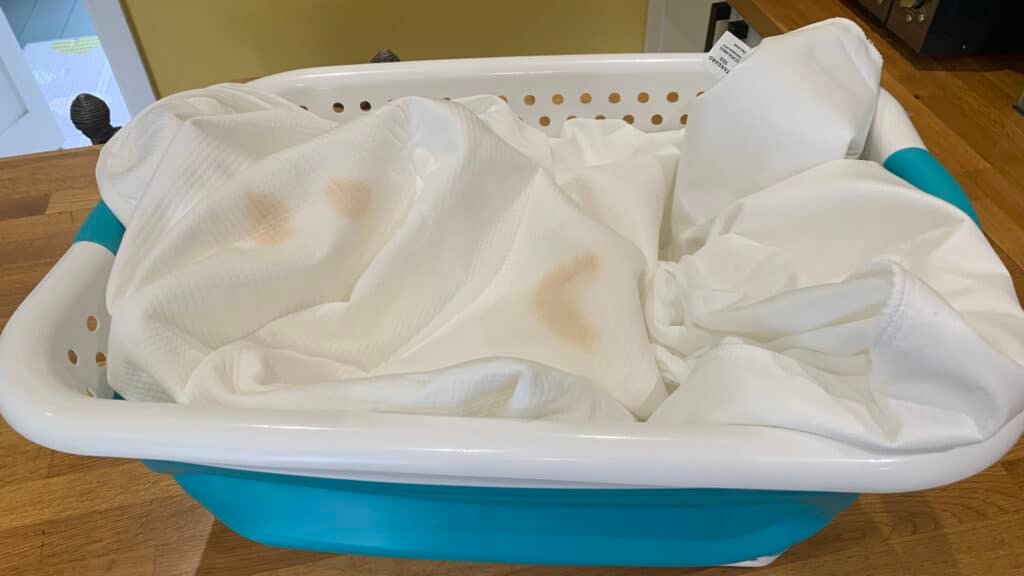
- Inspect the protector
- Look for stains, tears, odor, and labels with material info.
- Clean if reusable
- Machine wash or spot clean per label. Dry completely.
- Decide reuse, donate, recycle, or trash
- If clean and intact, donate or give away.
- If made of recyclable fabric and accepted by local programs, recycle.
- If heavily soiled or containing mixed materials that can’t be separated, trash.
- Prepare for disposal
- Fold or roll. Place in a bag for donation or trash to keep transport tidy.
- Label when donating
- Note if protector is waterproof or allergen-rated so recipients know what they get.
I tested these steps by cleaning and donating two protectors last year. One went to a shelter after a quick wash. The other had a tear and I cut it into cleaning rags. These choices felt efficient and practical.

Where to donate, recycle, or sell a mattress protector
Not all places accept bedding. Here are good options and how to approach them.
- Local charities and shelters
- Call ahead. Ask if they accept bedding and mattress protectors.
- Thrift stores and consignment shops
- Some accept only new or like-new items. Confirm before dropping off.
- Online marketplaces
- Sell or give away if the protector is in good shape and clearly described.
- Textile recycling programs
- Some cities run fabric recycling or have drop-off centers.
- Community swap groups
- Freecycling groups value clean, reusable protectors.
When I donated, a local shelter asked only for bedding with no stains. Calling saved me a wasted trip. If you plan to donate, always confirm rules first.

When to trash a mattress protector and how to do it right
Sometimes trash is the only option. Here’s how to discard responsibly.
- Trash if the protector is heavily stained, torn, or has a plastic backing that local recycling won’t accept.
- Cut or tear large items to fit your trash bag and prevent reuse by others.
- Seal in a bag to contain odors and allergens.
- Check bulky waste rules if disposing of many items at once.
I once kept a ruined protector too long. It developed a smell and had to be bagged carefully. That taught me to act sooner and accept that some items can’t be saved.
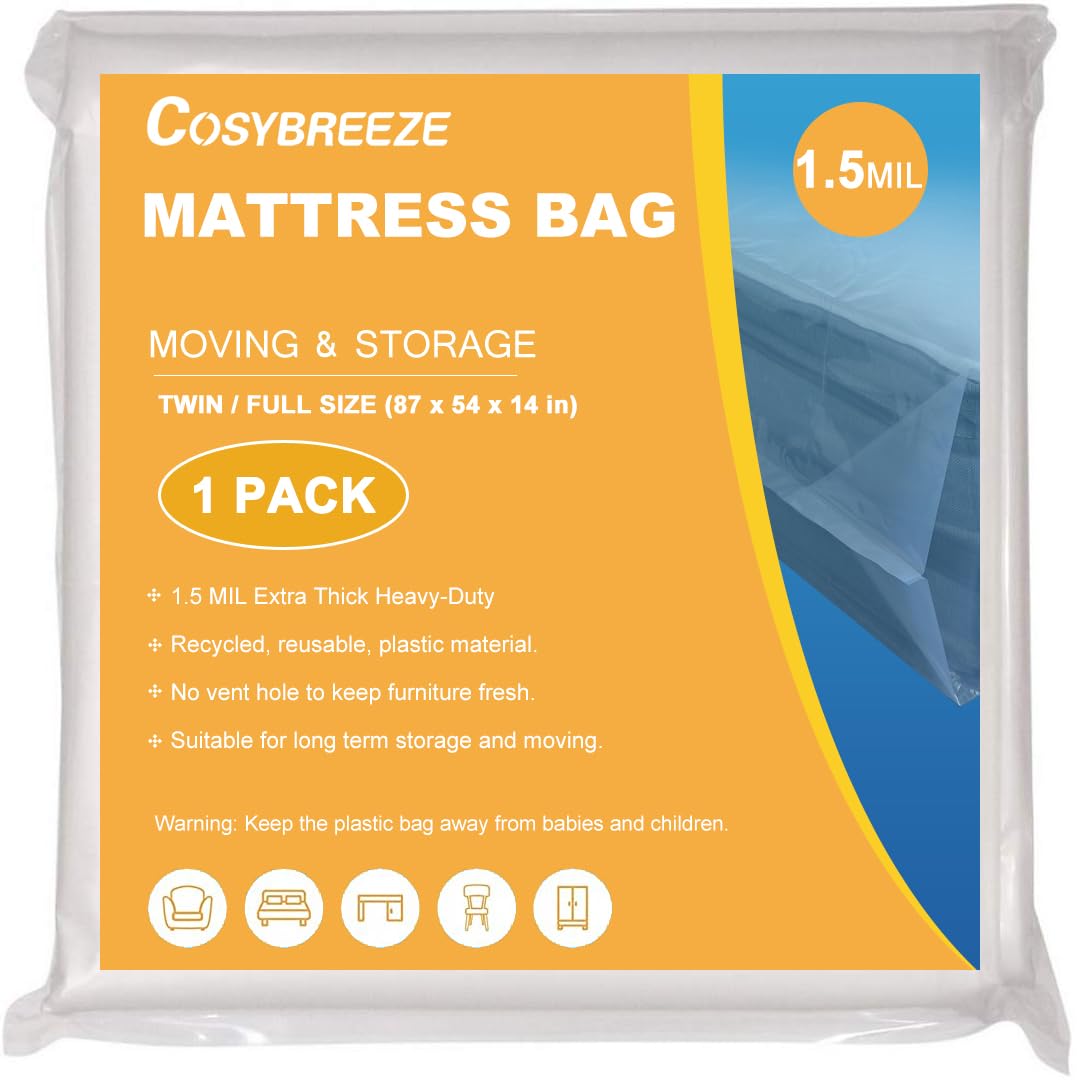
Tips to reduce waste and extend protector life
Small habits extend life and reduce the need to learn how to dispose of mattress protector often.
- Use a washable top sheet to reduce protector soiling.
- Wash protectors on recommended cycles and air dry when possible.
- Patch small tears with fabric glue or sew them.
- Rotate protectors and mattresses to avoid spot wear.
- Consider higher-quality protectors that last longer and are easier to recycle.
I switched to a higher-quality protector three years ago. It saved me one replacement and helped me avoid frequent disposal decisions. The upfront cost was worth it.
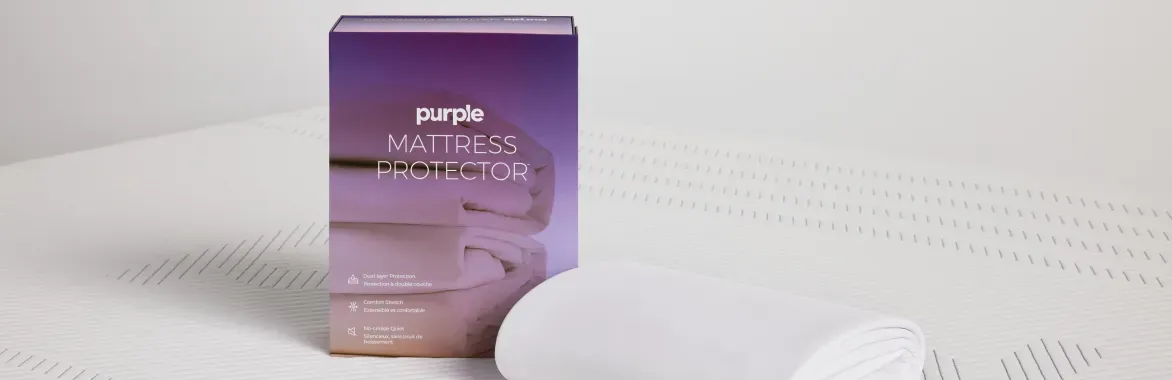
Frequently Asked Questions of how to dispose of mattress protector
How can I tell if my mattress protector is recyclable?
Look for care labels and material info. Natural fibers are more likely to be recycled than plastic-coated protectors, but check local programs for rules.
Can I donate a used mattress protector?
Yes, if it is clean and free of stains or tears. Call the charity first to confirm their bedding policy.
Are waterproof mattress protectors trash only?
Not always, but many waterproof protectors have mixed materials that curbside recycling won’t accept. Consider reuse or drop-off textile recycling when available.
Is it safe to cut a mattress protector into rags?
Yes, cutting a damaged protector into cleaning rags is a good reuse option. It keeps useful material out of landfill for longer.
What if my city has no textile recycling?
Try donation, resale, or specialized mail-in textile recycling programs. If none exist, dispose of the protector in the trash after sealing it in a bag.
Conclusion
Knowing how to dispose of mattress protector helps you make a smart, eco-friendly choice. Inspect the item, clean when possible, and prefer donation or recycling before trashing. Small fixes, higher-quality buys, and local program checks reduce waste and save you time. Try one change today: wash and donate a usable protector or cut a ruined one into rags. Share your experience or questions below and consider subscribing for more practical home-care tips.

Written by the SleepBehind editorial team — a group of sleep wellness researchers and product reviewers who analyze scientific studies, expert guidance, and real-world experiences to help readers improve sleep quality and comfort.