Hand wash with mild soap and air dry; machine wash on gentle only if the label allows.
I’ve cleaned dozens of sleeping masks over the years, tested fabrics, and learned what really works. This guide explains how to clean sleeping mask items safely and simply, with step-by-step methods, tricks for different materials, and mistakes to avoid. You’ll get practical tips that protect fabric, keep straps soft, and make the mask last longer.
Why cleaning your sleeping mask matters
Sleeping masks sit close to your face all night. They collect oil, sweat, makeup residue, and skin cells. Left uncleaned, masks can cause skin irritation, acne, or odors. Knowing how to clean sleeping mask properly keeps it fresh and safe.
Regular care also extends the life of the mask. Fabrics like silk and foam can break down if cleaned too roughly. Learning the right way to clean sleeping mask helps you avoid damage.
Cleaning also preserves fit and comfort. Elastic straps can stretch if exposed to hot water or harsh detergents. When you know how to clean sleeping mask, you keep its shape and cushioning.

How often to clean your sleeping mask
Frequency depends on use and skin type. If you wear a sleeping mask every night and have oily skin, wash it once a week. If you wear it less often or only for naps, wash every two to three weeks.
For makeup wearers, wash after heavy use. If you sweat a lot or use skincare products before bed, wash more often. Make a simple schedule to avoid buildup and to remember how to clean sleeping mask regularly.
If your mask starts to smell, looks stained, or feels grimy, wash it immediately. Don’t wait for scheduled cleaning if the mask shows signs of dirt.

Materials and tools you need
Before you start, gather gentle supplies. This makes cleaning fast and safe when you learn how to clean sleeping mask.
- Mild liquid detergent or baby shampoo
- Lukewarm water in a clean bowl or sink
- Soft towel for blotting
- Mesh laundry bag for machine washing
- Towel or drying rack for air drying
- Clean hands and a clear workspace
Using mild detergent matters. Harsh soaps can strip natural fibers and irritate skin. These simple tools make the process gentle and effective when you clean sleeping mask.

Step-by-step hand-wash method (best for most masks)
Hand washing is the safest way to clean sleeping mask. It protects delicate fabrics and keeps foam in good shape.
- Fill a basin with lukewarm water and add a small amount of mild detergent.
- Submerge the mask and gently squeeze the water through the fabric. Avoid twisting or wringing.
- Gently rub strap areas and places with visible makeup or oils.
- Rinse thoroughly under cool running water until all soap is gone.
- Press the mask between two clean towels to remove excess water. Do not wring.
- Lay flat on a towel to air dry in a shaded area away from direct heat or sun.
Hand washing protects padding and keeps elastic from stretching. Repeat this process whenever you need to refresh and maintain your mask.

Machine-wash method (when safe)
Some masks are labeled machine washable. If so, follow these steps when you clean sleeping mask in the machine.
- Place the mask inside a mesh laundry bag to protect shape and straps.
- Use a gentle cycle and cold water with mild detergent.
- Avoid heavy loads that can crush the mask.
- Skip the dryer. Remove from the bag and reshape while damp. Air dry flat.
Only machine-wash if the care label allows. Machine washing can be convenient but can also damage delicate materials if not done correctly.

Special care for different mask types
Different materials need different care. Here’s how to clean sleeping mask based on material type.
Silk masks
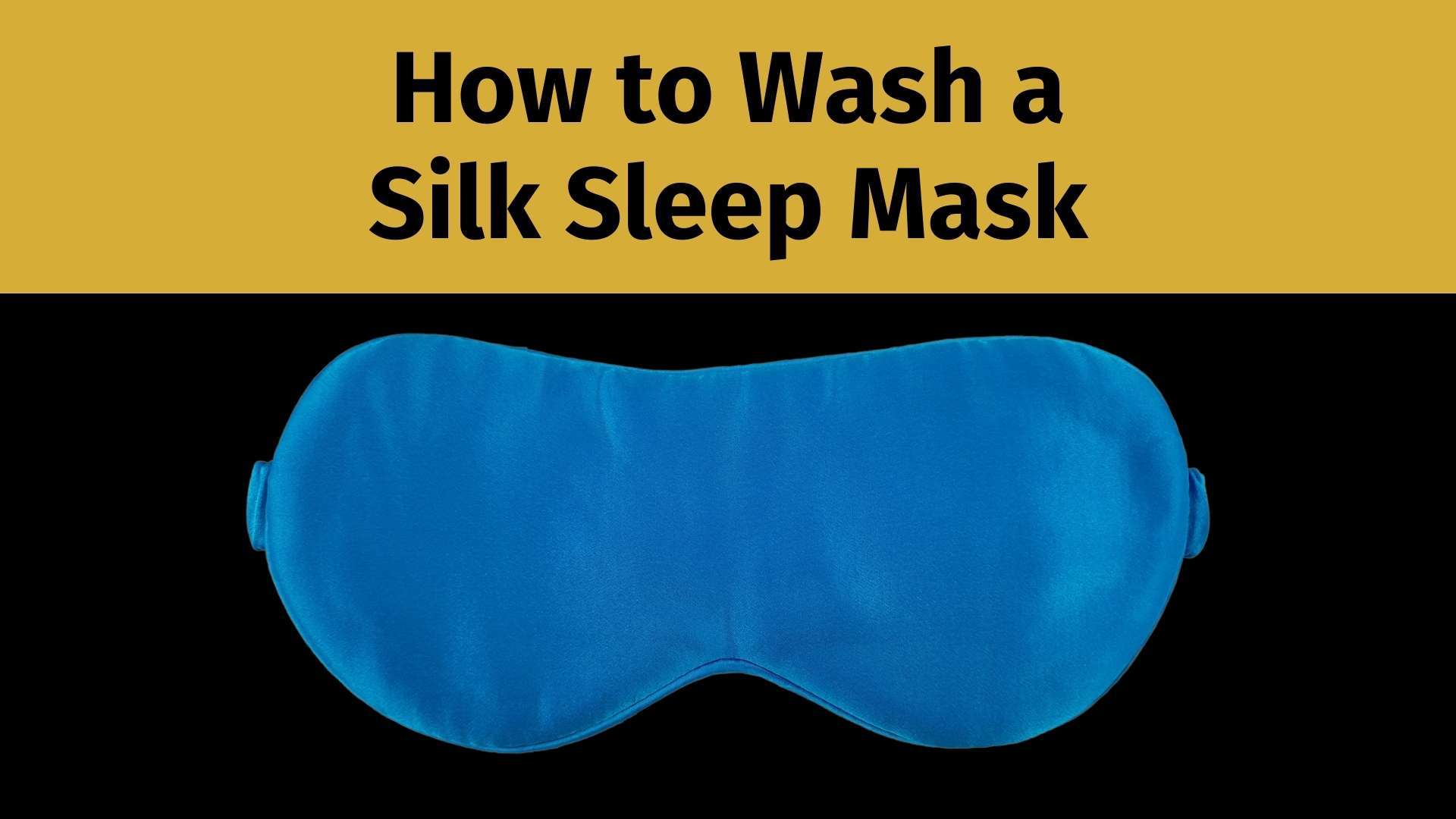
Silk is delicate. Hand wash in cold water with silk-friendly detergent. Do not twist or expose silk to direct sunlight. Silk can shrink or lose sheen if treated roughly.
Memory foam masks
Avoid soaking memory foam. Spot clean the fabric cover and gently dab the foam with a damp cloth. If the cover is removable, wash the cover only. Let foam air dry completely before using.
Heated or electronic masks
Unplug and remove any batteries. Wipe the surface with a damp cloth and mild soap. Never submerge heated masks in water. Follow the manufacturer’s care instructions.
Beaded or embellished masks
Spot clean around beads. Use a soft brush and mild soap for gentle cleaning. Avoid machine washing unless the label explicitly allows it.
When you know how to clean sleeping mask by type, you reduce risk of damage and keep the mask usable for longer.

Drying, storage, and maintenance tips
Drying and storage are as important as cleaning when you clean sleeping mask.
- Always air dry flat. This preserves shape and elastic.
- Avoid direct sunlight and high heat. Heat deforms foam and fades fabric.
- Store in a clean, dry drawer or a breathable pouch to avoid dust buildup.
- Rotate between two masks to let each one fully air out between uses.
- Reapply makeup remover before bed to reduce stains and lower cleaning frequency.
Treat drying and storage as part of the cleaning routine. They help maintain comfort and hygiene.

Common mistakes to avoid
Avoid missteps that shorten the life of your mask.
- Do not use bleach or strong detergents. They damage fibers and irritate skin.
- Do not wring or twist. That ruins shape and seams.
- Do not tumble dry unless the label allows it. Heat can shrink or warp material.
- Do not ignore care labels. They are the safest guide for how to clean sleeping mask.
- Do not store in a damp place. Moisture invites mildew and odors.
Steer clear of these mistakes to keep the mask clean and comfy.

My personal routine and lessons learned
I test masks and wash them weekly. I hand wash silk and spot clean foam covers. I once ruined a silk mask with hot water and learned to always use cool water.
I keep a small basin by the sink for quick washes. I use a mesh bag for any machine-safe masks. These small habits make cleaning easy and keep masks lasting longer.
If you wear a mask nightly, a weekly wash keeps buildup low and skin calm. Small routines prevent big problems and save money over time.
Frequently Asked Questions of how to clean sleeping mask(make it h2 tag)
How do I clean a silk sleeping mask without ruining it?
Hand wash the silk mask in cold water with a silk-safe detergent. Gently press out water and air dry flat away from sunlight.
Can I use a washing machine to clean my sleeping mask?
Only if the care label says machine washable. Use a mesh bag, gentle cycle, cold water, and never tumble dry.
How do I clean a memory foam sleeping mask?
Spot clean the cover and gently wipe the foam with a damp cloth. If the cover is removable, wash the cover and let foam air dry.
How often should I clean my sleeping mask?
Wash weekly if you wear it every night or after heavy use. If you wear it infrequently, clean every two to three weeks.
Will cleaning remove odors from my sleeping mask?
Yes. Proper washing removes oil and sweat, which are the main sources of odor. For persistent odors, repeat hand washing and air dry thoroughly.
Can I use vinegar or baking soda to clean a sleeping mask?
A mild vinegar rinse can help remove odors, but use it sparingly and rinse well. Avoid abrasive scrub or concentrated solutions on delicate fabrics.
Conclusion
Keeping a mask clean is simple. Hand wash with mild soap, air dry flat, and follow care labels to protect fabric and fit. Regular cleaning stops buildup, protects your skin, and extends the life of your sleeping mask.
Try a small weekly routine. Pick one gentle method above and make cleaning part of your sleep prep. If this guide helped, leave a comment, share your tips, or subscribe for more practical care advice.

Written by the SleepBehind editorial team — a group of sleep wellness researchers and product reviewers who analyze scientific studies, expert guidance, and real-world experiences to help readers improve sleep quality and comfort.