Clean most mattress toppers with gentle soap, spot-clean, and air-dry fully.
I have cleaned dozens of mattress toppers over the years, and I will walk you through exactly how to clean a mattress topper safely and well. This guide covers every topper type, step-by-step methods, stain fixes, drying tips, and pro maintenance. Read on to learn simple, reliable ways to keep your topper fresh and long-lasting.

Why cleaning matters for your mattress topper
A clean mattress topper keeps sleep healthy and comfortable. Dust mites, sweat, and spills build up fast. Regular cleaning reduces odors, allergens, and stains. It also stretches the life of the topper so you get more value.
Cleaning matters even more if you have allergies or pets. I once ignored a wet spill and regretted it when a mold smell set in. A quick, right cleaning method can stop that from happening.
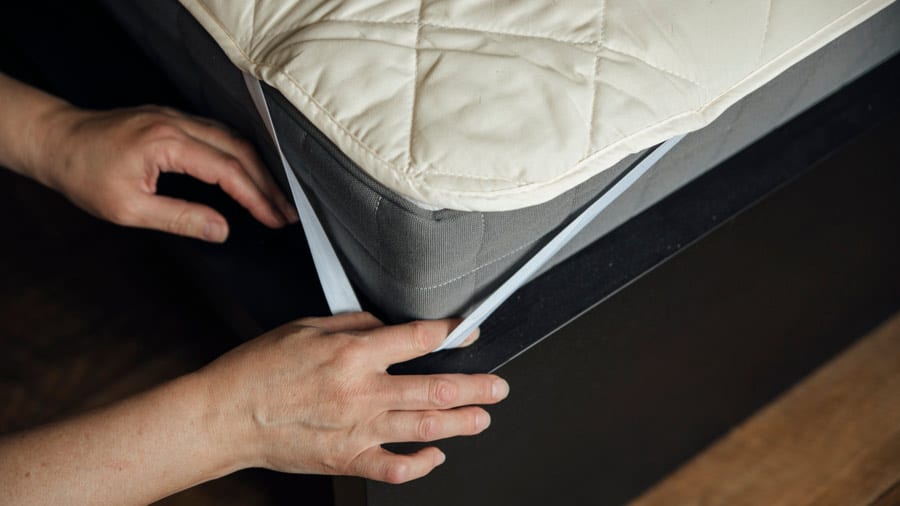
Know your topper type and care label before you start
The first rule for how to clean a mattress topper is to check the care label. Each topper material needs its own method.
Common types and quick care notes:
- Memory foam — Avoid soaking; spot clean or use a gentle foam-safe shampoo.
- Latex foam — Use mild soap and air dry; do not wring or machine wash.
- Feather or down — Often machine washable on gentle; dry fully in a dryer with low heat and dryer balls.
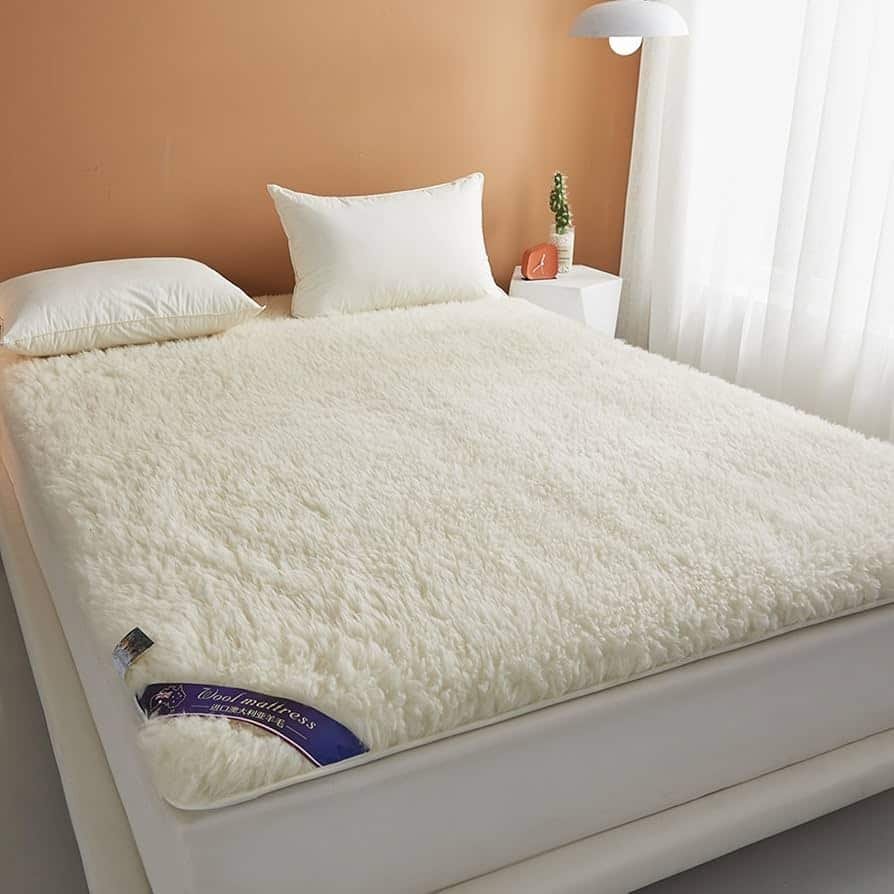
- Wool — Spot clean and air; some wool toppers are hand-washable only.
- Polyester or fiberfill — Usually machine washable, but check size limits.
- Egg crate foam — Spot clean and air dry; do not machine wash.
If the label says “dry clean only,” follow that advice. When in doubt, treat the topper as delicate and use spot-cleaning first.
:max_bytes(150000):strip_icc()/How-To-Clean-A-Foam-Mattress-Topper-7814384-Method-1-Step-5_preview-9f84df0f176d4c06b7fbf337d80ea1cc.jpg)
Step-by-step: how to clean a mattress topper (general method)
These are safe steps to follow for most toppers when learning how to clean a mattress topper.
- Remove covers and protectors
- Take off any removable covers. Wash them per their label.
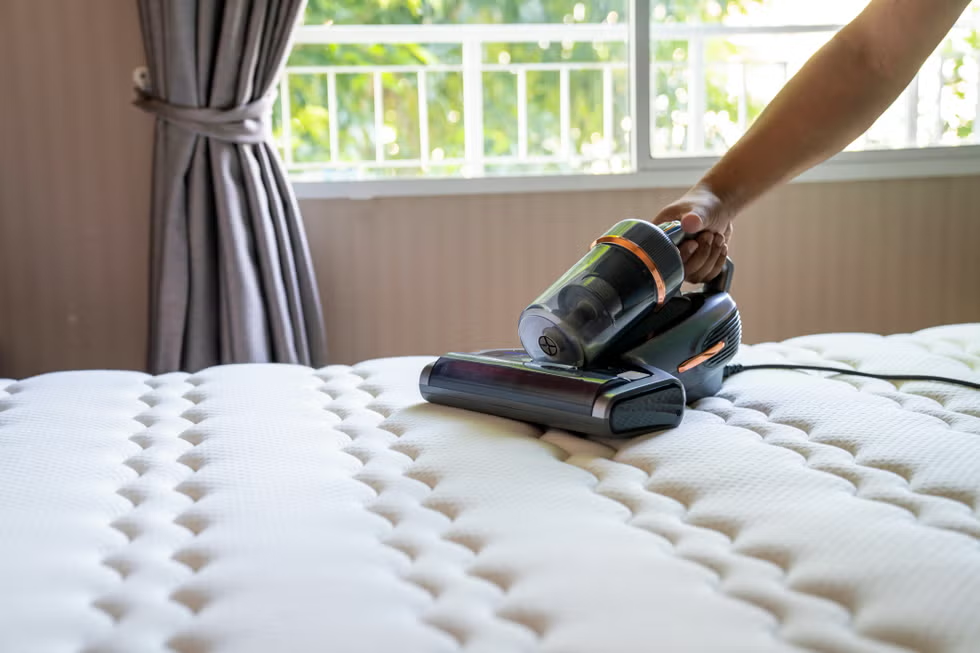
- Vacuum the topper
- Use a handheld or upholstery attachment to remove dust and hair. Vacuum both sides.
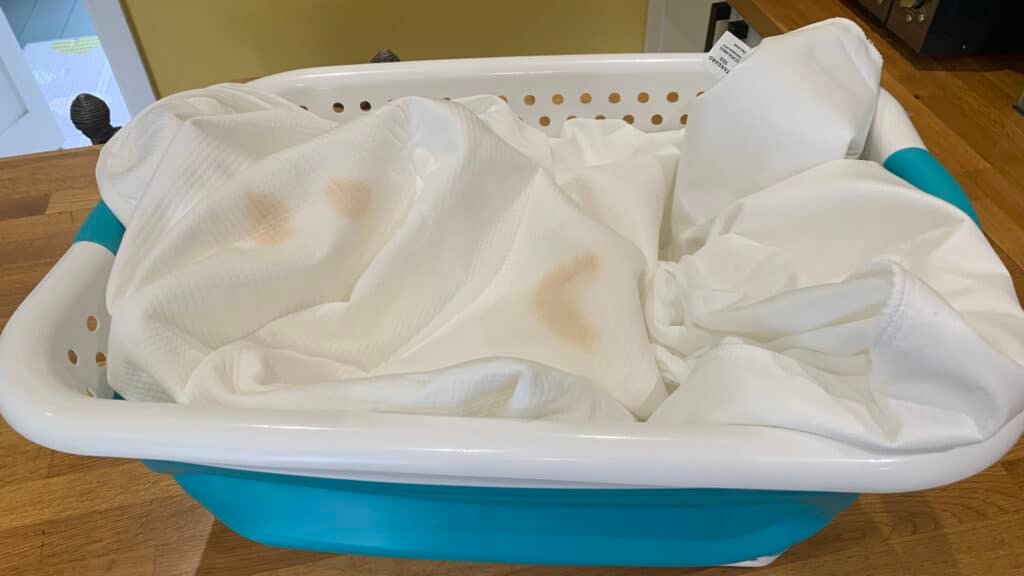
- Spot clean stains
- Blot fresh spills with a clean towel. Use a mild detergent mixed with water. Dab gently and avoid soaking.
- Deep clean when needed
- If the care label allows, machine wash or hand wash. Use cool water and gentle detergent.
- For foam toppers, never submerge. Use diluted detergent and a damp cloth for cleaning.
- Deodorize
- Sprinkle baking soda over the topper. Let sit for a few hours, then vacuum thoroughly.
- Dry completely
- Air dry flat in a well-ventilated area away from direct sun. For washable toppers, use the dryer at low heat if allowed.
- Re-cover and protect
- Use a breathable mattress protector. Rotate the topper monthly.
These steps form the backbone of how to clean a mattress topper safely and thoroughly.
:max_bytes(150000):strip_icc()/wash-foam-mattress-pad-yoga-mat-2146355-Hero-1369cb5339dd4d27b13dd8310b0789d0.jpg)
Memory foam and gel toppers
Memory foam soaks up water and can break down if wet too long.
- Spot clean only with a damp cloth and mild soap.
- Rinse cloth and dab away soap residue.
- Air dry flat and fully, ideally upright to speed drying.
Latex toppers
Latex is sturdy but sensitive to heat.
- Spot clean with mild soap and water.
- Press with a towel to remove moisture. Do not wring.
- Air dry out of direct sun.
Machine-washable toppers (polyester, fiberfill)
Some toppers are machine-safe.
- Wash on a gentle cycle with mild detergent.
- Use cold or cool water.
- Dry on low heat or air dry; fluff in the dryer with dryer balls for even drying.
Feather and down toppers
Feather toppers can be bulky but often tolerate washing.
- Wash in a large-capacity machine if label allows.
- Use gentle detergent and extra rinse cycles.
- Tumble dry on low with dryer balls to break up clumps.
Wool and specialty natural fibers
Wool resists stains but can felt if mishandled.
- Spot clean most stains.
- Hand wash gently if permitted, and dry flat.
- Consider professional cleaning for large wool toppers.

Stain removal guide — common stains and fixes
Here are short, practical fixes for common messes when learning how to clean a mattress topper.
Urine
- Blot the area. Apply an enzyme cleaner or white vinegar solution. Rinse by dabbing with water. Air dry fully.
Blood
- Use cold water and a small amount of mild detergent. Blot until clean. Avoid hot water, which sets blood.
Sweat and body oils
- Spray a mix of baking soda and water or use mild detergent. Let sit, then vacuum or dab off.
Vomit
- Remove solids carefully. Blot the area. Use enzyme cleaner as needed. Rinse and air dry.
Odors
- Sprinkle baking soda. Let sit for at least a few hours. Vacuum well.
Test any cleaner on a small hidden spot first. When tackling stains, less moisture is better for foam toppers.
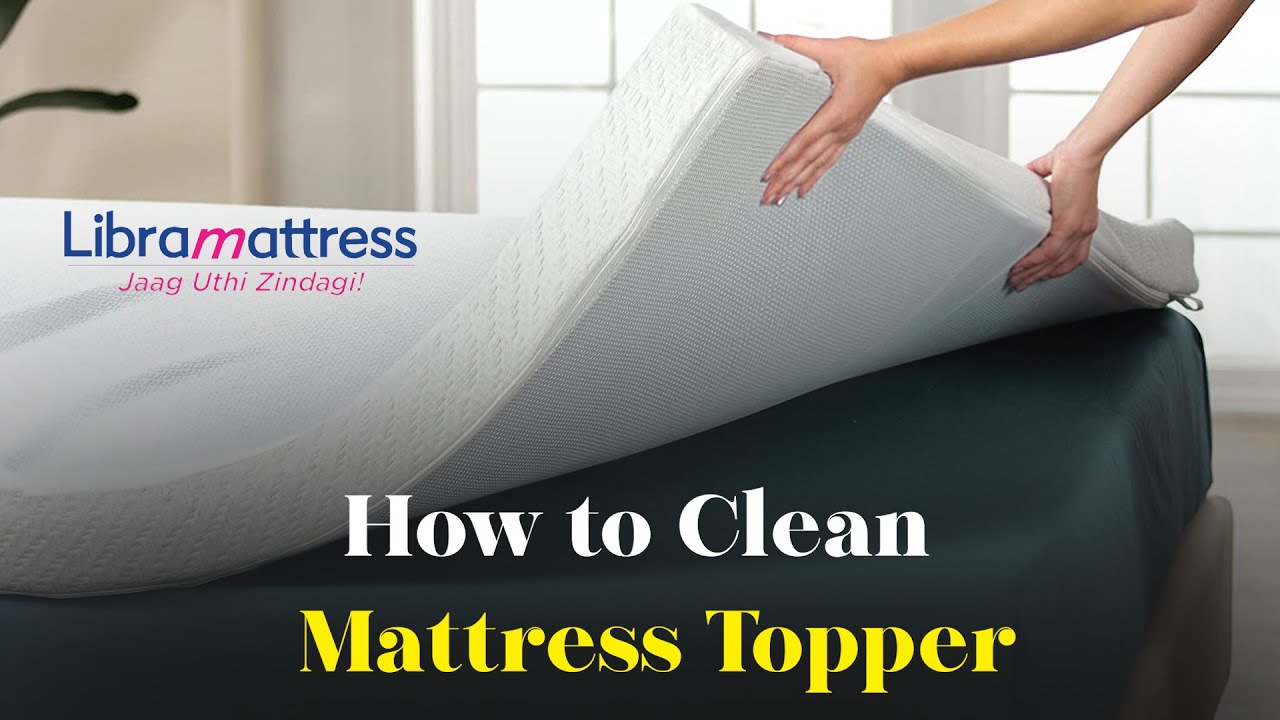
Drying and storage: the critical final step
Another key part of how to clean a mattress topper is drying right.
Drying tips:
- Always dry completely before use or storage to prevent mold.
- Air dry flat if possible. Flip to expose both sides.
- Use fans to speed air flow.
- For machine-washable toppers, use low heat; remove promptly to avoid wrinkles.
- Store in a breathable bag. Avoid vacuum-seal bags for foam; they compress foam permanently.
I once dried a foam topper in direct sun and found the foam brittle. Low heat and gentle air flow work best.

Maintenance tips to extend life
Small habits help your topper last and feel fresh.
Simple tips:
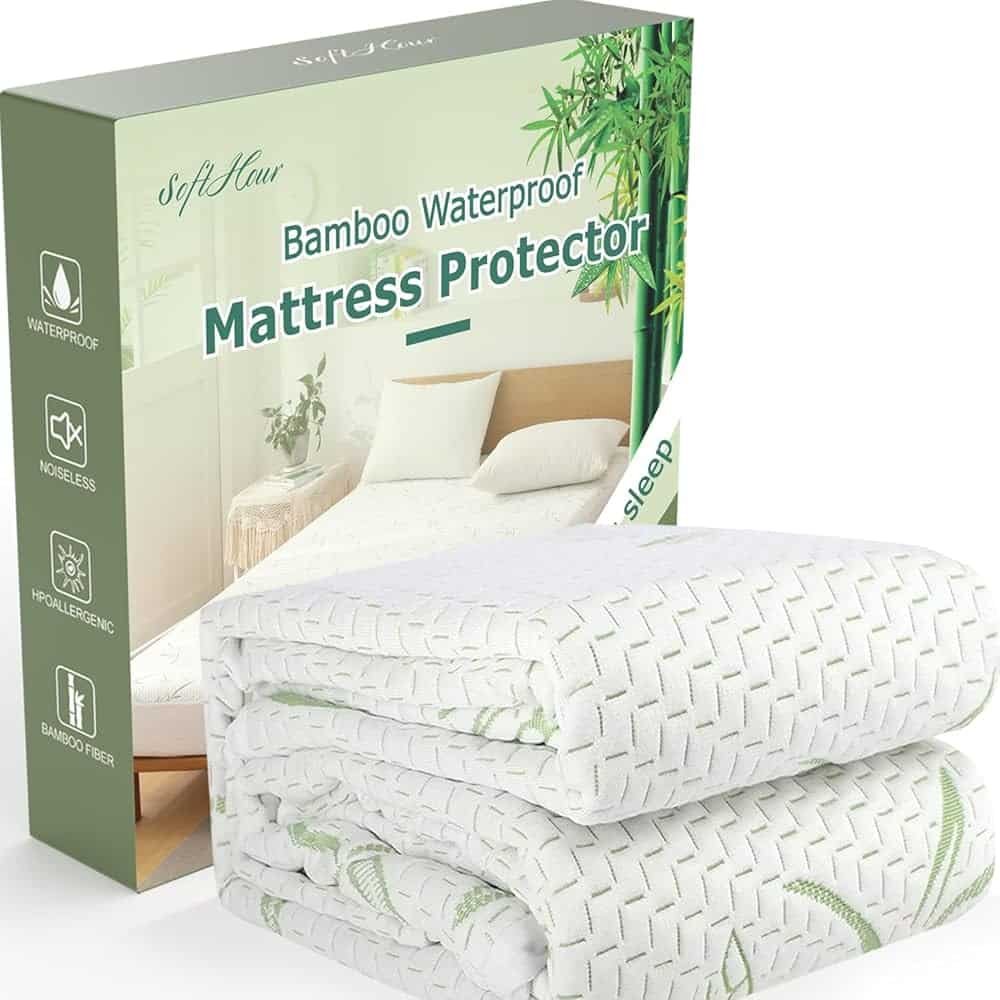
- Use a washable mattress protector every night.
- Vacuum the topper every 1 to 2 months.
- Rotate or flip the topper every month.
- Air the topper outside for a few hours when weather allows.
- Treat stains quickly to avoid permanent marks.
Good care saves money and keeps sleep healthy. I followed these habits and extended a topper’s life by two years.

When to replace a mattress topper
You should replace a topper when it no longer supports you or if it has persistent odors or stains.
Signs to replace:
- Lasting sag or permanent indentations
- Persistent smells after cleaning
- Mold or mildew growth
- Rips or torn seams that can’t be repaired
Most toppers last 2 to 5 years depending on material and care. If comfort drops or cleaning no longer helps, it’s time to shop for a new one.
:max_bytes(150000):strip_icc()/How-To-Clean-A-Foam-Mattress-Topper-7814384-Method-1-Step-2_preview-2e69aa64233d436598f3f671493b03d3.jpg)
Frequently Asked Questions of how to clean a mattress topper
How often should I clean my mattress topper?
Clean covers monthly and spot-clean stains as they happen. Deep clean or wash the topper 2 to 4 times a year, depending on use.
Can I machine wash all mattress toppers?
No. Some are machine-washable, especially polyester and down. Foam and latex toppers should not be machine-washed.
How do I dry a memory foam mattress topper?
Air dry memory foam flat in a well-ventilated area. Use fans to speed drying; avoid direct sun and heat.
What is the best cleaner for mattress topper stains?
Mild detergent, baking soda, and enzyme cleaners work well. Test cleaners on a hidden spot first.
Will baking soda remove odors from a topper?
Yes. Sprinkle baking soda, let it sit for several hours, then vacuum. Repeat if odors persist.
Can I use bleach on a mattress topper?
Avoid bleach on most toppers. It can damage fibers and foam. Use it only if the care label explicitly allows it.
Conclusion
Keeping a topper fresh is simple when you know how to clean a mattress topper the right way. Start by checking the care label, vacuum and spot-clean regularly, dry fully, and protect with a washable cover. Small steps today prevent big problems later and save money over time. Try these tips this week: spot-clean one stain, vacuum the topper, and let it air out. If you found this guide helpful, leave a comment or subscribe for more home-care tips.

Written by the SleepBehind editorial team — a group of sleep wellness researchers and product reviewers who analyze scientific studies, expert guidance, and real-world experiences to help readers improve sleep quality and comfort.