A calm, cool, dark, and clutter free bedroom setup for better sleep improves rest quickly.
I’ve helped dozens of people change their bedrooms and get more sleep. This article explains the practical steps, science, and real-life tips you need to design a bedroom setup for better sleep. You’ll learn simple changes that make nights deeper and mornings easier, with clear actions you can try tonight.
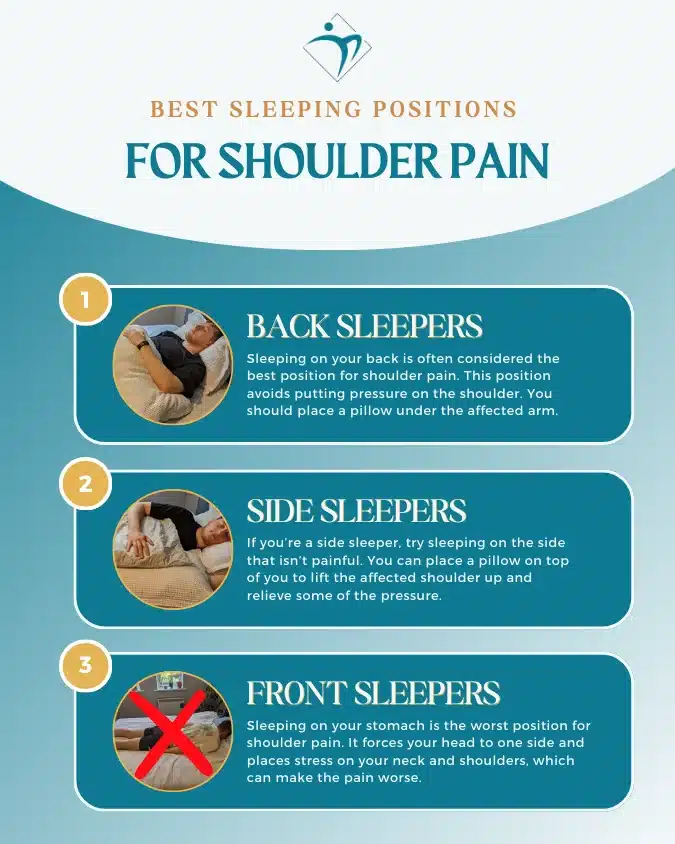
Why the bedroom setup matters for sleep
Your bedroom sets the stage for sleep. A good bedroom setup for better sleep reduces wake-ups, shortens time to fall asleep, and improves sleep quality. Light, temperature, noise, and clutter all signal your brain whether it’s time to rest or stay alert.
I’ve seen small changes — a darker window, a cooler room, or removing devices — make big differences for clients and myself. Treat the room as a sleep tool, not only a place to store things.
Lighting and color choices
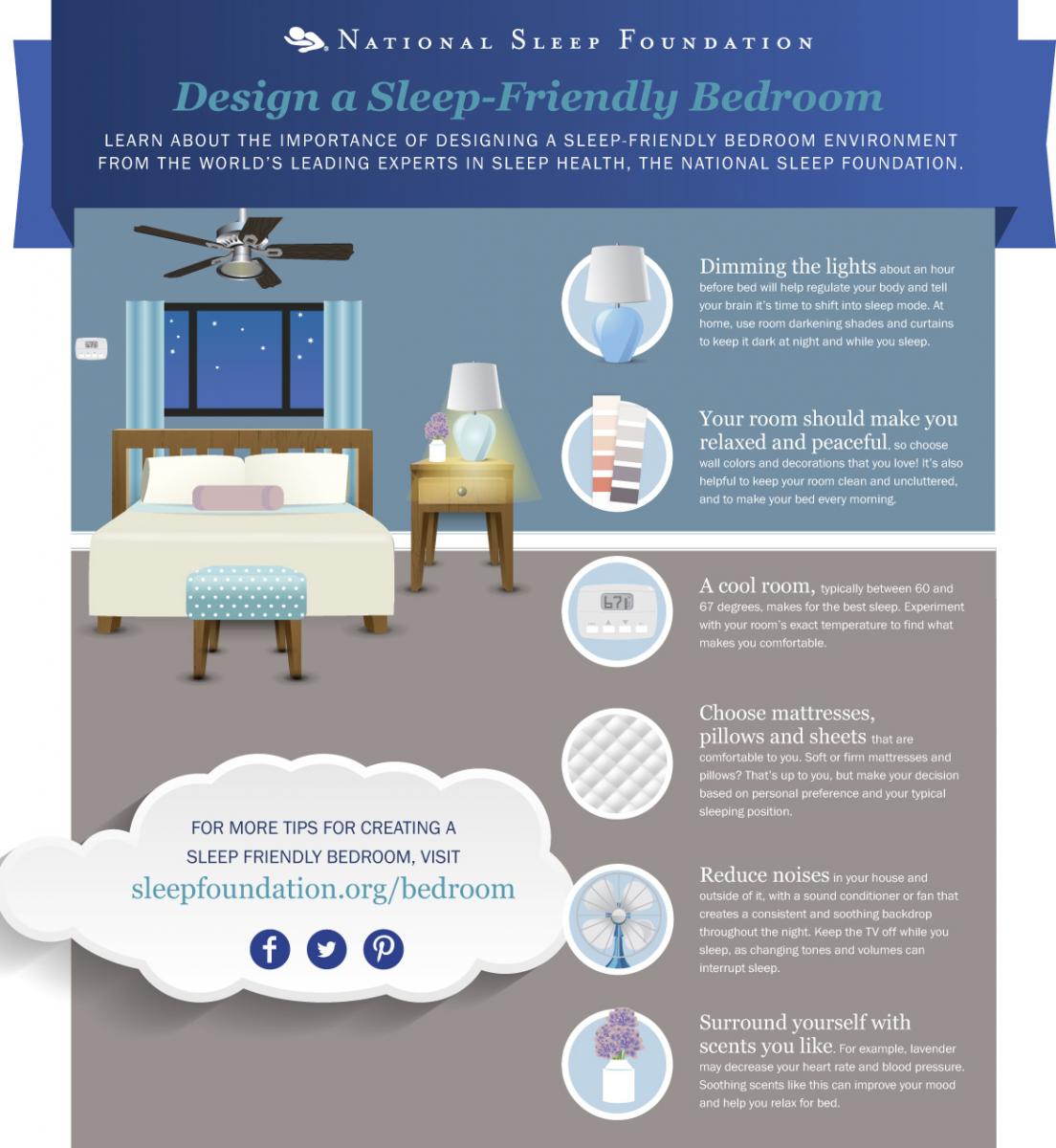
Light and color send strong signals to your brain. Use low, warm light in the hour before bed to cue melatonin. Avoid bright blue light from screens late at night; use night modes or remove screens from the bedroom when possible.
Practical tips
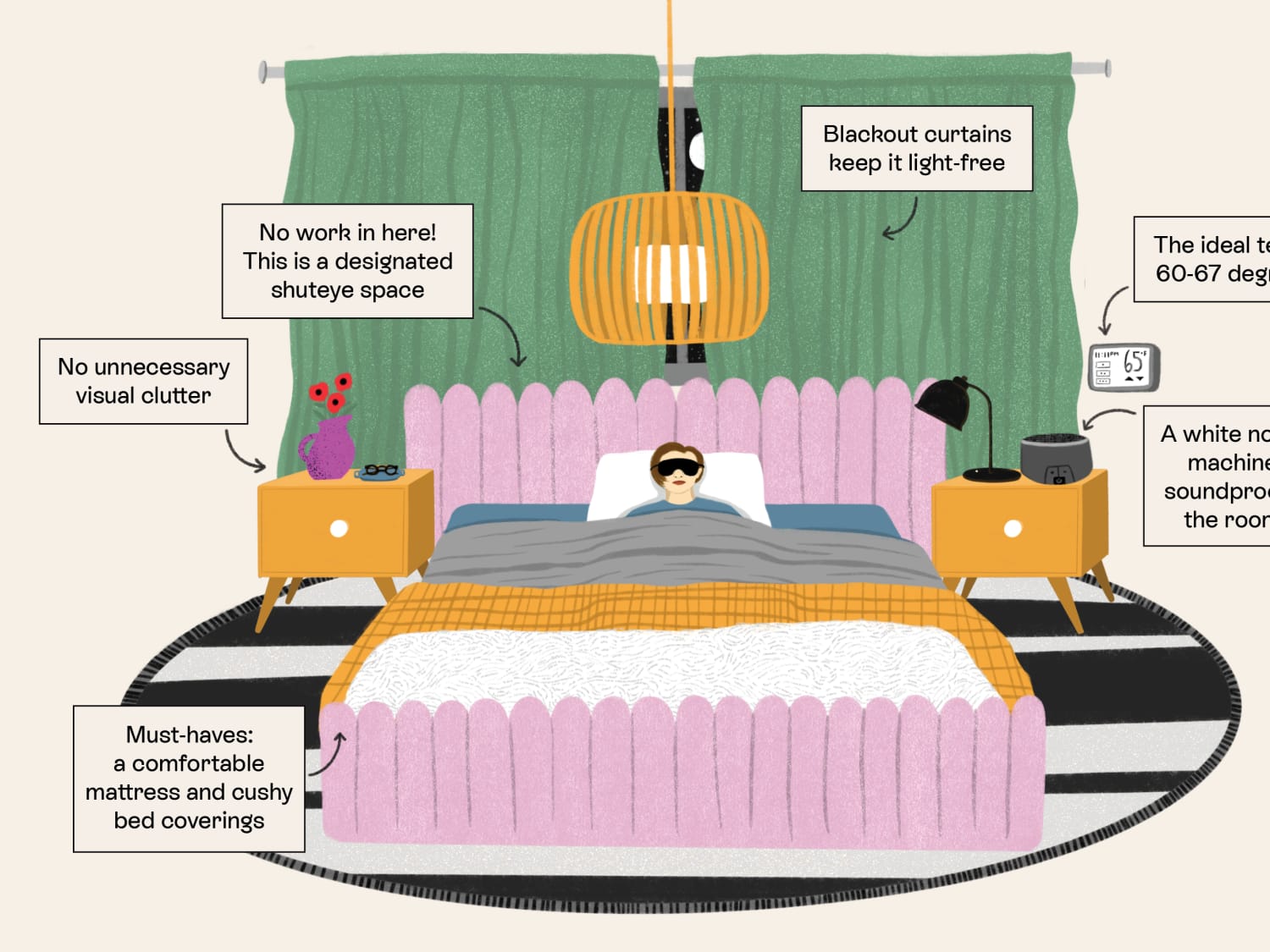
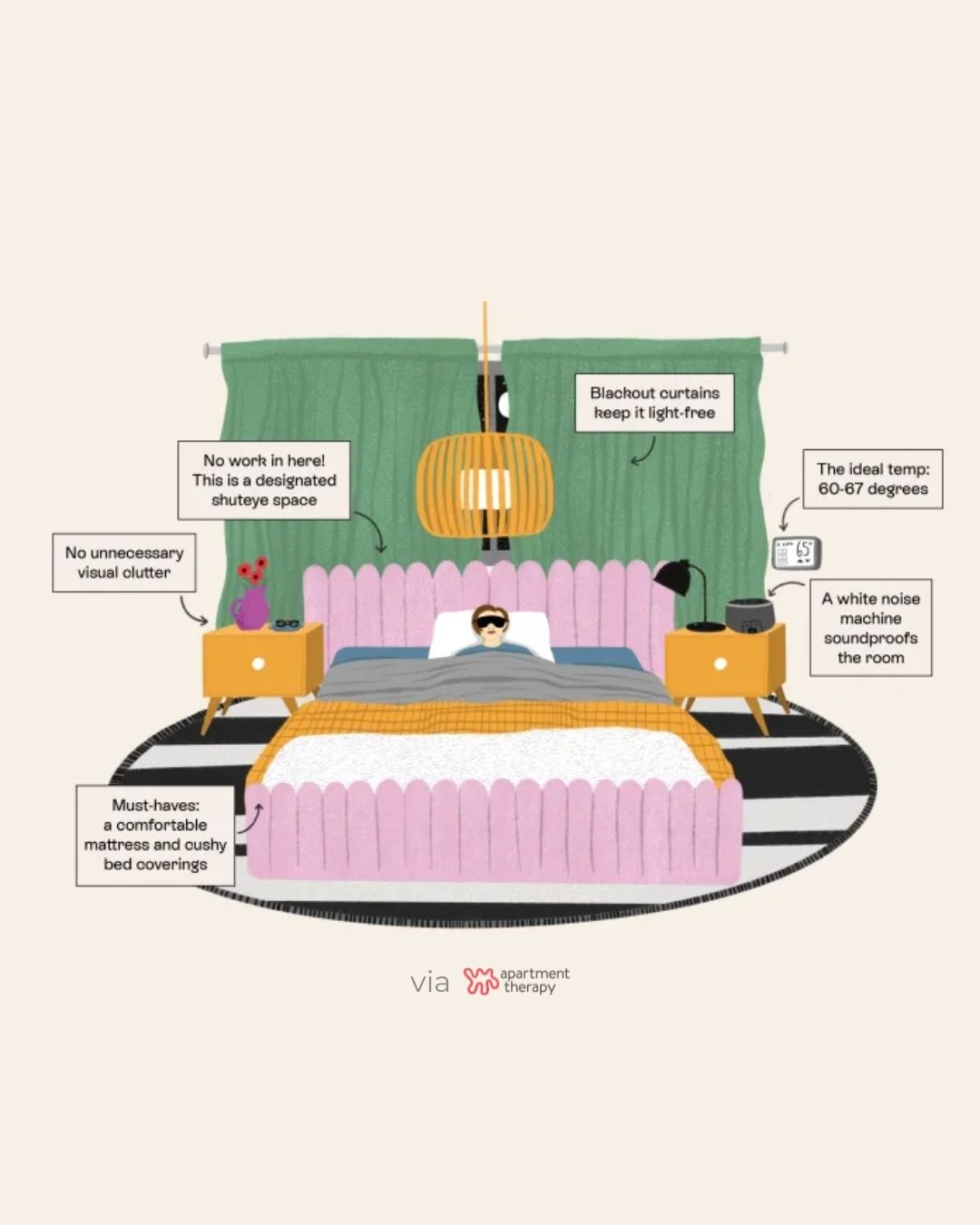
- Use blackout curtains or shades to block street and early-morning light.
- Install dimmable bedside lamps with warm bulbs for reading.
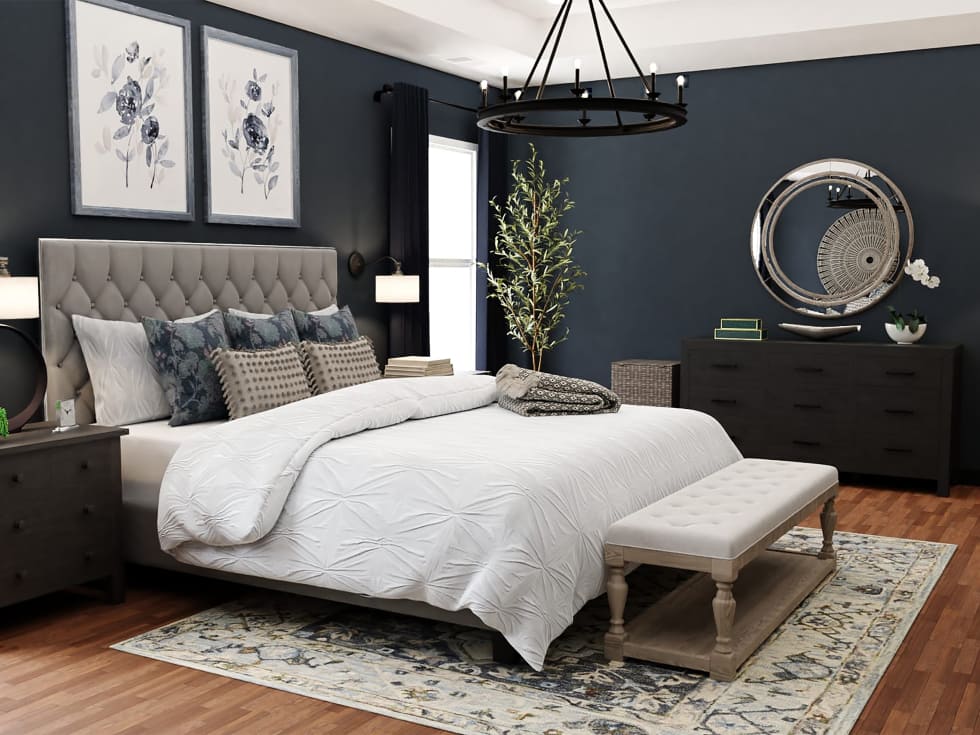
- Paint walls in muted tones like soft blue, sage, or warm gray to reduce visual stimulation.
Personal note: I swapped bright overhead bulbs for a warm dim lamp and a small reading light. Falling asleep became easier within a week.
Temperature and air quality
Temperature is a core sleep driver. Most adults sleep best between 60°F and 68°F (15°C–20°C). A cooler room helps your body lower core temperature and enter deep sleep faster.
How to control it
- Set your thermostat to 60°F–68°F and adjust bedding accordingly.
- Improve airflow with a fan or window if safe and practical.
- Use an air purifier if you have allergies or live in a polluted area.
I once helped a client who woke nightly; lowering the thermostat and switching to breathable sheets cut their wake-ups in half. It’s a low-cost, high-impact change.
Bed and bedding essentials
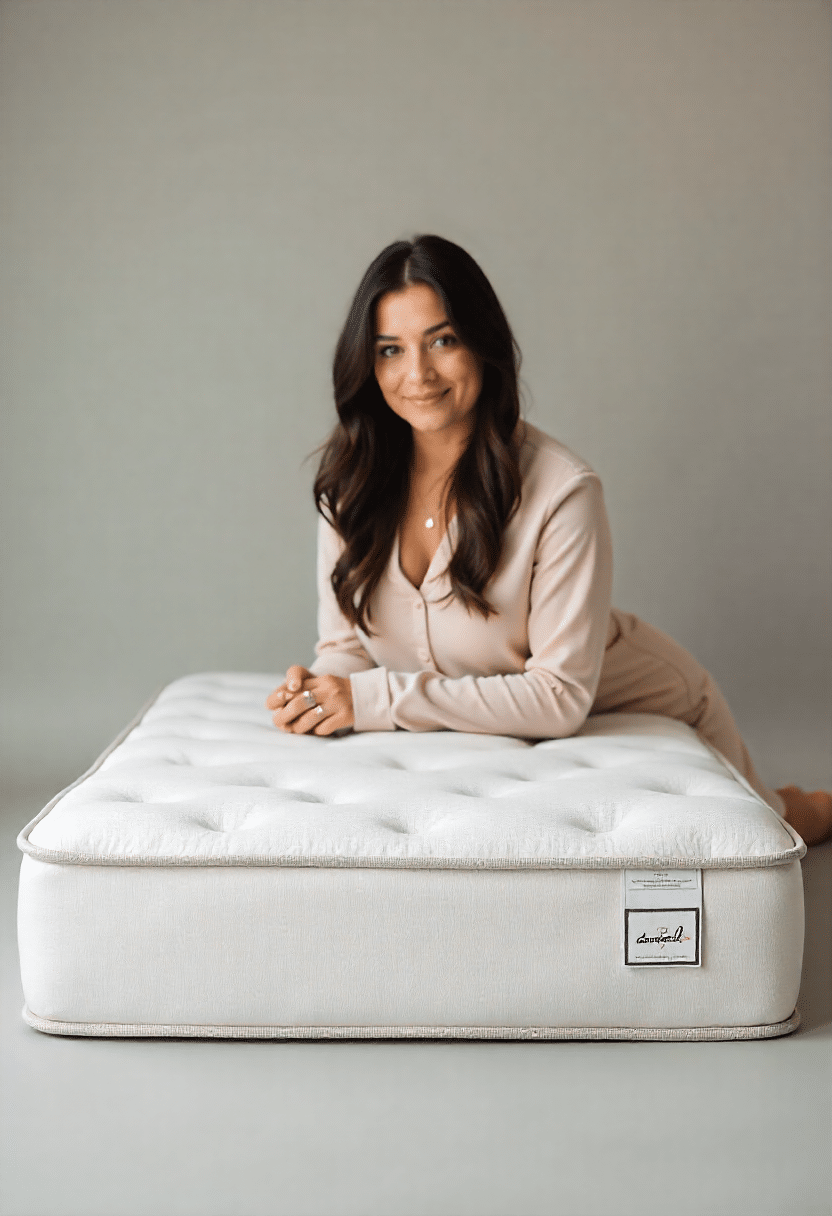
The bed is the centerpiece of a bedroom setup for better sleep. A comfortable mattress and pillows that match your sleep position are critical. Bedding that breathes helps regulate temperature and keeps you comfortable.
Checklist for mattresses and bedding
- Choose a mattress that supports your spine. Try in-store or use a long trial period.
- Match pillow loft to your sleep position: low for stomach, medium for back, higher for side sleep.
- Use moisture-wicking sheets and a duvet with the right warmth level for your climate.
Avoid keeping a mattress past its lifespan. I replaced a sagging mattress and noticed immediate improvement in sleep depth and reduced morning aches.
:max_bytes(150000):strip_icc()/03_AmyPeltier_PhotobyBethanyNauert_02-49a11ea8b6354351af7260c13e8c949d.jpg)
Noise control and soundproofing
Noise fragments sleep even if you don’t fully wake. Reducing or masking noise helps maintain continuous sleep cycles. A bedroom setup for better sleep should minimize disruptive sounds.
Practical noise solutions
- Add rugs, curtains, and soft furnishings to absorb sound.
- Use a white noise machine or fan to mask intermittent noises.
- Consider weatherstripping doors and placing heavy curtains to block external sound.
I once used a small white noise device for a neighbor-noise problem. Within nights, sleep quality and mood improved noticeably.
Layout, clutter, and storage
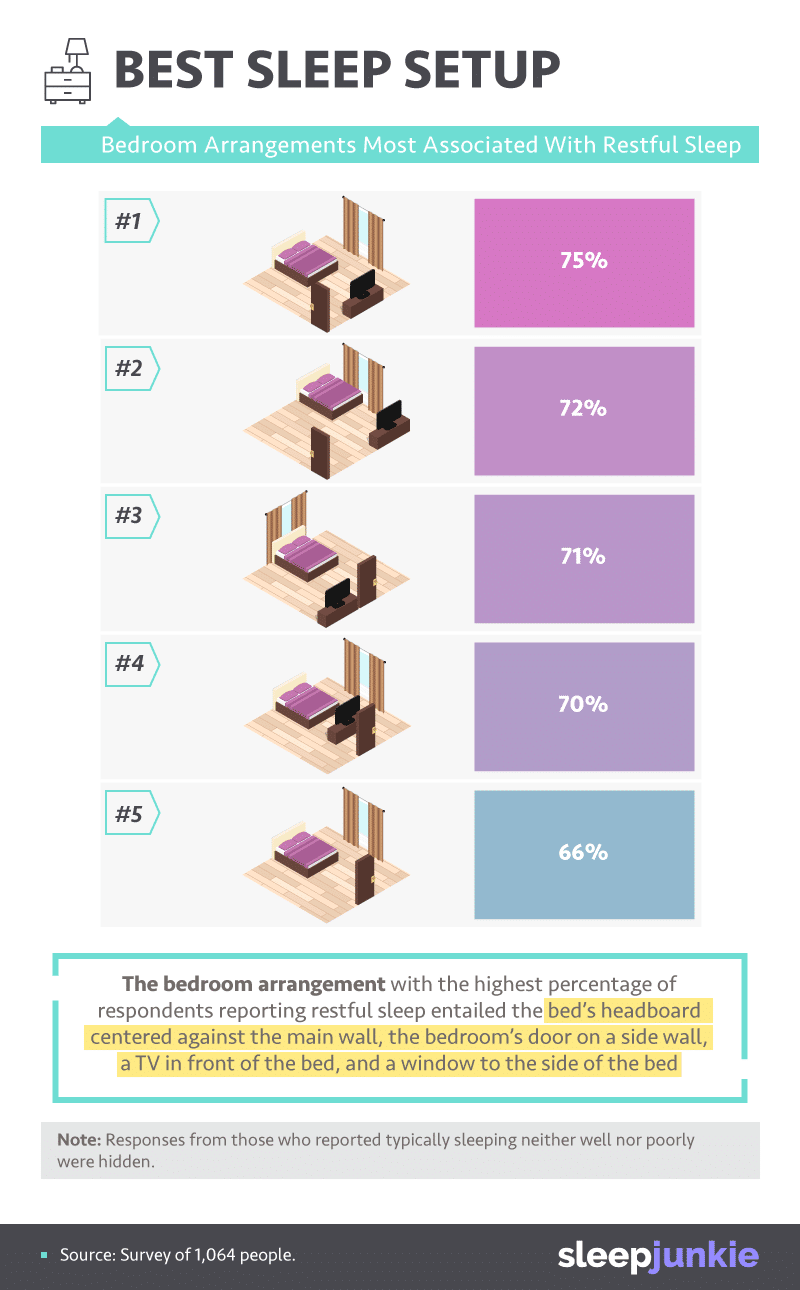
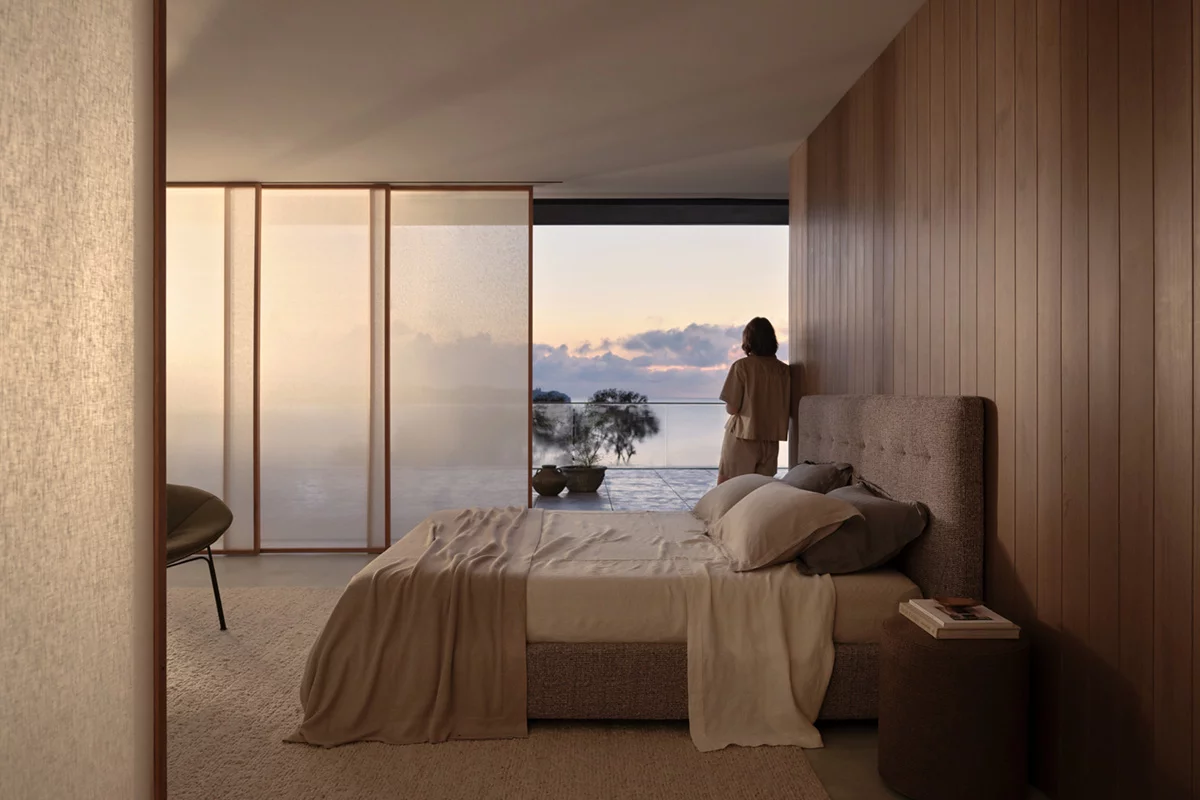
Clutter raises stress and keeps your brain alert. A tidy layout creates calm and signals your brain that the room is for rest. The bedroom setup for better sleep should be simple and intentional.
Decluttering steps
- Keep surfaces clear. Store clothes and work items out of sight.
- Position the bed so it feels secure, ideally with a view of the door but not directly in line with it.
- Use storage solutions like under-bed boxes or a dresser to reduce visible clutter.
I recommend a 10-minute nightly reset: fold clothes, clear surfaces, and put gadgets away. This small ritual helps your mind settle faster.

Technology and electronics
Electronics emit light and stimulate the mind. For a bedroom setup for better sleep, limit device use in the bedroom and create tech-free rituals before bed.
Actionable rules
- Remove TVs and computers from the bedroom if possible.
- Charge phones outside the bedroom or place on Do Not Disturb.
- If you must use devices, enable blue light filters and set screen time limits.
I used to fall asleep scrolling. When I moved phone charging to the hallway, my sleep latency dropped and I woke feeling more rested.
Daily habits and routines that support the bedroom setup for better sleep
A bedroom setup works best when paired with bedtime habits. Routines train your body to expect sleep and make the bedroom more effective as a restful space.
Simple routines to try
- Wind down 30–60 minutes before bed with low light and calming activities.
- Keep consistent sleep and wake times, even on weekends.
- Use the bedroom only for sleep and intimacy to strengthen the mental link between the room and rest.
From personal experience, the single best routine I adopted was a short, predictable pre-sleep ritual. It made the bedroom feel like a cue for sleep, every night.

Small tweaks with big impact
Not every fix is big. Small changes can add up and are easy to implement.
Easy wins
- Swap to breathable sheets for immediate comfort.
- Use a sleep mask to block light if blackout curtains are not possible.
- Place a small basket for nightly items to prevent bed clutter.
I started with a sleep mask and improved my sleep on business trips immediately. These small tools provide consistent benefits.
Frequently Asked Questions of bedroom setup for better sleep
How dark should the bedroom be for better sleep?
Aim for near-total darkness. Even small light sources can reduce melatonin and fragment sleep, so blackout curtains or a sleep mask help.
What is the best bedroom temperature for sleep?
Most people sleep best between 60°F and 68°F. Individual comfort varies, so adjust within that range to find your sweet spot.
Can color or paint affect my sleep?
Yes. Soft, muted colors calm the mind and reduce stimulation. Bright or very saturated hues can make it harder to relax.
Should I keep electronics out of the bedroom?
Removing electronics is ideal. If you must keep them, disable blue light and set strict usage limits before bed.
How often should I replace my mattress for better sleep?
Replace your mattress every 7–10 years or sooner if it sags or causes discomfort. A supportive mattress improves sleep quality and reduces pain.
Will white noise actually improve sleep?
Yes, white noise can mask sudden sounds and help maintain continuous sleep. Try a fan or a white noise device to see if it helps your environment.
Does decluttering really change sleep quality?
Clutter can increase stress and mental activation. Tidying your bedroom and storing distractions out of sight helps your mind relax and prepares you for sleep.
Conclusion
A deliberate bedroom setup for better sleep blends environment, routine, and simple habits. Focus on lighting, temperature, mattress comfort, noise control, and removing tech to create a calm, sleep-ready space. Start with one small change tonight — like dimming lights or moving your phone — and build from there. Try these tips for a month, track your sleep, and share what worked. If you found this useful, subscribe for more sleep guides or leave a comment with your bedroom wins and questions.
Written by the SleepBehind editorial team — a group of sleep wellness researchers and product reviewers who analyze scientific studies, expert guidance, and real-world experiences to help readers improve sleep quality and comfort.