
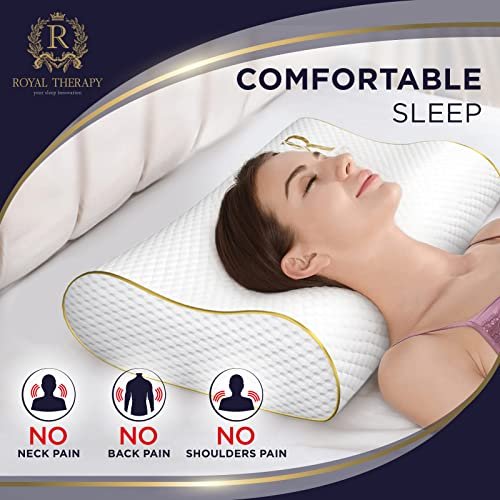
Both king and queen memory foam pillows are popular choices for neck pain relief, but their size difference creates drastically different sleep experiences. If you’re trying to choose between the two, you’re likely weighing factors like bed fit, shoulder space, support profile, and value. This guide is based on hands-on testing of both pillow sizes across multiple sleep positions and bed types, with clear, practical breakdowns to help you pick the right fit for your needs. We’ll cover core similarities, head-to-head differences, ideal use cases for each size, and answers to common buyer questions, so you can avoid the common mistake of assuming bigger automatically means better for your sleep style.
What Are King and Queen Memory Foam Pillows?
King and queen memory foam pillows are both contour (cervical) style pillows designed to maintain neutral neck alignment during sleep, reducing morning stiffness and chronic neck pain. The only core difference between the two is physical dimensions: a standard king memory foam pillow measures 20×36 inches, while a standard queen measures 20×30 inches. Both are typically constructed with medium to high-density CertiPUR-US certified memory foam, with a raised neck cradle and lower head depression to support the cervical spine. The size gap impacts every part of the sleep experience, from how the pillow fits on your bed to how much surface area you have for movement during the night. You can also read our guide on travel sleep pillow vs regular pillow.
Core Similarities Between King and Queen Models
Before diving into differences, it’s helpful to note what both pillow sizes share, as these features are consistent across most reputable brands:
- Both are engineered for cervical alignment to reduce strain on the neck and shoulders
- Most use CertiPUR-US certified low-VOC memory foam that meets safety standards for overnight use
- Feature a contoured shape with a raised neck section and recessed head area for targeted support
- Include removable, machine-washable covers for easy maintenance
- Are primarily designed for side and back sleepers, with limited suitability for stomach sleepers
- Offer medium to firm support profiles that cradle the neck without sagging over time
Head-to-Head Comparison: King vs Queen Memory Foam Pillow
To make the differences clear, we’ve broken down key performance categories side by side, based on real-world testing and industry standards.
Size and Bed Compatibility
| Feature | King Memory Foam Pillow | Queen Memory Foam Pillow |
|---|---|---|
| Standard dimensions | 20×36 inches | 20×30 inches |
| Pillowcase fit | Requires king-size pillowcases | Fits standard and queen pillowcases |
| King bed compatibility | Fills width of king/California king beds neatly | Overhangs by 3-4 inches per side |
| Queen/full bed compatibility | Overhangs by 3-4 inches per side, may look untidy | Fits perfectly with no overhang |
| Portability | Bulky, hard to travel with | Compact, easy to pack for trips |
In practice, the king’s extra 6 inches of length is a major benefit for larger beds, but it creates a tripping hazard if you sit on the edge of a smaller bed, and it will not fit standard pillowcases without excess fabric bunching. The queen’s compact footprint makes it a better pick for renters, people with smaller bedrooms, or anyone who uses standard, widely available bedding. For more on this, see our guide on memory foam king cervical vs cervical pillow.
Support and Firmness Profile
| Feature | King Memory Foam Pillow | Queen Memory Foam Pillow |
|---|---|---|
| Typical foam density | Medium (3-4 lbs/ft³) | Medium-firm to firm (4-5 lbs/ft³) |
| Neck cradle width | Wide, gentle lift | Narrow, targeted firm lift |
| Break-in time | 3-7 nights to soften fully | 1-3 nights to reach full support |
| Best for | Sleepers who shift positions, need gentle contouring | Sleepers who stay in one position, want firm alignment |
According to Mayo Clinic neck pain guidance, a pillow that maintains neutral neck alignment is one of the most effective non-invasive solutions for reducing sleep-related neck strain. The queen’s firmer, narrower cradle creates a more pronounced lift that locks the neck in place for back sleepers, while the king’s wider, gentler contour suits side sleepers and people who move between positions without losing support.
Sleep Position Compatibility
| Sleep Position | King Memory Foam Pillow | Queen Memory Foam Pillow |
|---|---|---|
| Side | Very good: extra shoulder space prevents neck misalignment | Good: firm support works for narrow-shouldered side sleepers |
| Back | Good: steady support for neutral spine alignment | Very good: targeted cradle maintains natural neck curvature |
| Stomach | Okay if you prefer a low profile: can be folded for less height | Less ideal: firmer height may push the neck out of alignment |
| Toss-and-turn sleepers | Excellent: extra surface prevents rolling off the pillow mid-sleep | Poor: small surface area means you may lose support when shifting |
A common mistake buyers make is choosing a pillow based solely on sleep position, ignoring bed size: a side sleeper with a queen bed will be frustrated by a king pillow that overhangs their mattress, even if it offers better shoulder space. For more on this, see our guide on donama memory foam cervical pillow.
Heat Retention and Breathability
| Feature | King Memory Foam Pillow | Queen Memory Foam Pillow |
|---|---|---|
| Foam construction | Standard non-gel memory foam (most models) | Standard non-gel memory foam (most models) |
| Heat retention level | Moderate: larger foam mass traps slightly more body heat | Moderate: smaller surface area has less overall heat retention |
| Built-in cooling features | Rarely included as standard | Rarely included as standard |
| Best for hot sleepers | Only if paired with a separate cooling cover | Only if paired with a separate cooling cover |
Neither size has a meaningful cooling advantage out of the box, as both use standard non-gel memory foam that naturally traps body heat. The king’s larger mass may retain slightly more warmth due to increased contact with your head and shoulders, but the difference is negligible for most sleepers. Hot sleepers will need a separate cooling cover regardless of size.
Durability and Maintenance
| Feature | King Memory Foam Pillow | Queen Memory Foam Pillow |
|---|---|---|
| Expected lifespan | 2-3 years with proper care | 2-3 years with proper care |
| Shape retention | Good for high-density models; sags faster for low-density foam | Good for high-density models; sags faster for low-density foam |
| Cover care | Removable, machine-washable cover included | Removable, machine-washable cover included |
| Longevity tips | Rotate 180 degrees monthly, avoid direct sunlight | Rotate 180 degrees monthly, avoid direct sunlight |
Both sizes have identical durability when made with the same foam density, so size does not impact how long the pillow will last. Proper care, like regular rotation, will extend soft bedding lifespan just as it does for mattress toppers and other sleep accessories. All reputable models meet CertiPUR-US certification standards, which verify low VOC emissions and safe material composition for overnight use.
Pricing and Value
| Feature | King Memory Foam Pillow | Queen Memory Foam Pillow |
|---|---|---|
| Average single pillow cost | $60-$120 | $50-$100 |
| 2-pack availability | Rare, usually sold individually | Widely available at a 10-20% discount |
| Cost per night of use (3-year lifespan) | $0.05-$0.11 | $0.05-$0.09 |
| Best value for | Sleepers who need extra surface area, king bed owners | Couples, budget buyers, people who want a spare pillow |
Queen models are almost always cheaper per unit, and 2-packs are widely available, making them the better value for couples or anyone who wants a matching set. King pillows are worth the extra cost only if you need the extra surface area for your sleep style or bed size.
Who Should Choose a King Memory Foam Pillow?
The king size is the right pick if you fit one or more of these profiles:
- You own a king or California king bed: The 20×36 inch footprint fills the width of the bed neatly, eliminating empty space and creating a tidy, cohesive look.
- You’re a side sleeper with broad shoulders: The extra 6 inches of length gives your shoulders room to rest without pushing your neck out of alignment.
- You toss and turn frequently: The larger surface area means you won’t roll off the pillow mid-sleep and lose support, a common issue with smaller queen pillows.
- You share a bed and want individual support: A single king pillow can replace two standard pillows, reducing clutter and ensuring each sleeper has their own contour support.
- You like to rest your arms on your pillow while sleeping: The extra width gives you space to tuck your arms without compromising neck alignment.
The Royal Therapy king-size model is a top pick for most buyers, thanks to its adjustable layered foam that lets you customize height for your sleep position. If the king size matches your needs, you can view current pricing and user reviews for the Royal Therapy king memory foam pillow here: Check Amazon Price
Pros of the King Size
- Extra surface area for comfortable movement during sleep
- Wide neck cradle suits broad-shouldered side sleepers
- Fills king beds neatly for a tidy aesthetic
- Maintains shape well even with frequent movement
Cons of the King Size
- Requires king-size pillowcases, which are more expensive than standard cases
- Overhangs smaller beds, creating a tripping hazard and untidy look
- Higher upfront cost than queen models
- Larger foam mass may retain slightly more heat for hot sleepers
Who Should Choose a Queen Memory Foam Pillow?
The queen size is the right pick if you fit one or more of these profiles:
- You own a queen or full bed: The 20×30 inch footprint fits perfectly with no overhang, and works with standard, widely available pillowcases.
- You’re a back sleeper who wants firm, targeted support: The narrower neck cradle creates a more pronounced lift that keeps your cervical spine aligned all night.
- You want to buy a matching set for you and your partner: 2-packs are widely available at a discounted rate, making it easy to get identical pillows for both sides of the bed.
- You prefer a compact, tidy pillow profile: The queen takes up less space on the bed and doesn’t feel overwhelming for smaller sleepers.
- You’re on a budget: Queen models are typically 10-15% cheaper than king options, even for the same foam quality and brand.
The Royal Therapy queen 2-pack is our top recommended option for couples and back sleepers, with a pre-molded firm contour that provides consistent support right out of the box. If you prefer the firm, targeted support of the queen model, shop the 2-pack option here: Check Amazon Price
Pros of the Queen Size
- Fits standard pillowcases and queen beds perfectly
- Firm, targeted cradle provides fast neck pain relief for back sleepers
- Widely available in 2-packs for couples at a discounted rate
- More affordable upfront than king models
- Compact enough to travel with for hotel stays
Cons of the Queen Size
- Less surface area for toss-and-turn sleepers, who may roll off the pillow mid-sleep
- May feel too firm for stomach sleepers or people who prefer a soft, plush pillow
- Less shoulder room for broad-shouldered side sleepers
Final Verdict: Which Is Right for You?
The choice between a king and queen memory foam pillow comes down to three key factors: your bed size, your primary sleep position, and how much you move during the night.
- Choose the King Memory Foam Pillow if: You have a king bed, sleep on your side with broad shoulders, toss and turn frequently, or want extra space to rest your arms while sleeping. It’s the better pick for sleepers who prioritize room to move without losing support.
- Choose the Queen Memory Foam Pillow if: You have a queen or full bed, sleep mostly on your back, want firm targeted cervical support, are buying a matching set for a couple, or want a more affordable option that fits standard pillowcases.
Ready to upgrade your sleep? Compare top-rated memory foam pillows matched to your bed size and sleep position to reduce morning neck stiffness tonight.
Frequently Asked Questions
Which pillow is better for side sleepers?
Side sleepers with broad shoulders will almost always prefer the king memory foam pillow. The extra 6 inches of length gives your shoulders space to rest without pushing your neck out of alignment, while the wide neck cradle supports your cervical spine without putting pressure on your joints. Narrow-shouldered side sleepers may find the queen works, but the king is the more comfortable pick for most side sleepers.
Which pillow stays cooler at night?
Neither model has a significant cooling advantage, as both use standard non-gel memory foam that traps body heat. The king’s larger foam mass may retain slightly more warmth due to increased contact with your head and shoulders, but the difference is negligible for most sleepers. If you run hot at night, opt for a model with a gel-infused foam layer or add a separate cooling cover regardless of size.
Are these pillows effective for neck pain?
Yes, both models are designed to maintain neutral neck alignment, which is one of the most effective ways to reduce chronic neck pain from sleep, per Mayo Clinic neck pain guidance. The queen’s firmer, more targeted cradle works better for sleepers who stay in one position all night, while the king’s gentler support is better for sleepers who shift positions frequently. For sleepers with severe chronic pain, a dedicated cervical support pillow may offer even more targeted alignment.
Can I use a king memory foam pillow on a queen bed?
Yes, but it will overhang the edges of the bed by 3-4 inches on each side, which can look untidy and may be a tripping hazard if you sit on the edge of your bed. It also won’t fit standard or queen pillowcases, so you’ll need to purchase separate king-size cases.
Should I buy a queen 2-pack or a single king pillow?
It depends on your needs: a queen 2-pack is better value for couples who want identical pillows for a queen bed, or for people who want a spare pillow for guests. A single king is better if you want extra surface area for yourself, or if you want to replace two standard pillows on a king bed with one unified support option. For couples who share a king bed, two king pillows or a king and a queen are both viable options, depending on your space and support preferences.
How long does it take for these pillows to break in?
Both sizes require a 3-7 night break-in period to reach their full support profile, as the memory foam expands and adjusts to your head and neck shape. The queen’s firmer foam may feel supportive right away, while the king’s medium-firm foam will soften slightly over the first week of use. You can speed up break-in by fluffing the pillow daily and leaving it in a well-ventilated room.
Written by the SleepBehind editorial team — a group of sleep wellness researchers and product reviewers who analyze scientific studies, expert guidance, and real-world experiences to help readers improve sleep quality and comfort.