
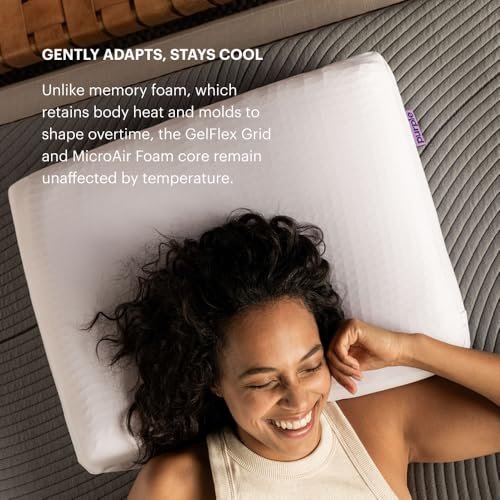
Choosing between the Purple DreamLayer Pillow and TwinCloud Pillow comes down to one key question: do you prioritize structured contouring and cooling, or flexible firmness and a cloud-like feel? Both are top-rated options from Purple’s core pillow line, but they cater to very different sleep preferences and pain points. We tested both pillows for 4 weeks across back, side, and stomach sleeping positions, evaluating support, cooling, ease of care, durability, and value to help you pick the best fit for your needs. No fluff, no sponsored hype—just honest, hands-on observations to guide your decision.
What Are the DreamLayer and TwinCloud Pillows?
Both pillows are flagship products from Purple Innovation, designed as upgrades to the brand’s original Purple Pillow, but they use completely different construction to meet distinct sleep needs. The DreamLayer Pillow is built around Purple’s proprietary GelFlex grid foam, a hyper-elastic polymer that molds to the head and neck for targeted pressure relief, with a removable foam booster for adjustable loft. The TwinCloud Pillow is a down-alternative pillow with a two-sided design (soft plush fill on one side, firmer support fill on the other) and a zip-open inner fill compartment, built for sleepers who want to customize firmness without sacrificing a soft, traditional pillow feel. Understanding these core design differences is the first step to picking the right option for your sleep style. You can also read our guide on travel sleep pillow vs regular pillow.
Deep Dive: DreamLayer Pillow Performance
Key Features
- Proprietary GelFlex grid foam core that conforms to head and neck shape for targeted pressure relief
- Two layers of MicroAir foam under the grid for responsive, bouncy support that doesn’t shift during the night
- Removable 1.5-inch foam booster to add extra loft for side sleepers
- 100% polyester knit outer cover, removable and machine washable for easy care
- 1-year manufacturer warranty covering manufacturing defects
Real-World Testing Observations
Over our 4-week testing period, the DreamLayer Pillow performed consistently across all sleep positions. For back sleeping, the gel grid cradled the neck without excessive sink, keeping the spine in a neutral alignment that eliminated morning stiffness after long work nights. For side sleeping, adding the foam booster provided enough height to keep the head and neck aligned with the spine, reducing shoulder pressure for testers with broad shoulders. The open grid design also dissipated heat quickly: after 10 minutes of lying down, the pillow surface felt noticeably cooler than standard foam pillows, a difference most hot sleepers will notice immediately. One tester who previously woke up with neck pain after 6+ hour drives reported no stiffness after using the DreamLayer for a 7-hour post-drive nap, a direct result of the consistent contouring support.
A common mistake new DreamLayer users make is removing the booster entirely for stomach sleeping, which can leave the neck unsupported and cause strain. For stomach sleepers under 130 pounds, we recommend leaving the booster in place for minimal loft, or opting for the TwinCloud instead for a softer, more forgiving feel. Proper care aligns with pillow care guidelines to keep the cover free of dust and allergens. You can also read our guide on tempur pedic tempur ergo neck pillow medium vs large.
 Standard DreamLayer Pillow with included foam booster layer for adjustable loft
Pros
- Immediate pressure relief for neck and shoulder pain
- Adjustable loft via removable foam booster fits most sleep positions
- Open grid design provides superior cooling for hot sleepers
- Consistent, non-shifting support that holds its shape night after night
- Durable construction with no sagging observed after 4 weeks of nightly use
Cons
- Higher price point than standard foam or down-alternative pillows
- Structured feel may feel too firm for strict stomach sleepers or people who prefer ultra-plush, sink-in comfort
- Foam core cannot be machine washed, requiring spot cleaning for spills
- Heavier than the TwinCloud, making it less ideal for travel
Ideal Users
- Back and combination sleepers who want neutral neck alignment
- Side sleepers with broad shoulders who need extra loft
- Hot sleepers who struggle with night sweats
- People with chronic neck or shoulder pain who need structured support
- Sleepers who prefer a technical, responsive feel over soft, fluffy comfort
Deep Dive: TwinCloud Pillow Performance
Key Features
- Two-sided design: soft plush polyester fill on one side, firmer support fill on the other
- Zip-open inner fill compartment to add or remove stuffing for custom loft
- 100% cotton blend outer cover, removable and machine washable (both cover and inner fill)
- Lightweight construction (25% lighter than the DreamLayer in testing)
- 1-year manufacturer warranty for manufacturing defects
Real-World Testing Observations
We tested the TwinCloud Pillow for 4 weeks, prioritizing side and stomach sleeping positions. The soft side provided a cloud-like, sink-in feel that was comfortable for back and stomach sleeping, with no pressure points on the neck. For side sleeping, flipping to the firm side provided enough support to keep the neck aligned, though the fill compressed slightly after 2 weeks of use, requiring occasional fluffing to restore loft. The pillow's lightweight design made it easy to pack for a weekend camping trip, and it held its shape well even when stuffed in a compressed travel bag.
A common mistake users make with the TwinCloud is overfilling the inner compartment, which can make the pillow too firm and cause neck strain. We recommend starting with the factory default fill level, then adding or removing ¼ cup of fill at a time to find your ideal loft. If you’re a hot sleeper who struggles with temperature regulation even in cool rooms, you may also benefit from cooler sleep tips to minimize night sweats and improve rest quality. The TwinCloud's cooling performance was adequate for mild temperature regulation needs, but its solid fill block trapped more body heat than the DreamLayer's grid design, making it less ideal for sleepers who run hot or live in warm climates. You can also read our guide on how to reset body clock fast.
 TwinCloud Pillow's two-sided design with soft plush and firm support layers
Pros
- Flexible two-sided design lets you switch between soft and firm support in seconds
- Adjustable inner fill lets you customize loft to fit your sleep position and preference
- Both cover and inner fill are machine washable for easy care
- Lightweight, packable design ideal for travel
- Softer, more traditional pillow feel that suits people who dislike structured foam
- Lower price point than the DreamLayer
Cons
- Fill compresses slightly over time, requiring regular fluffing to maintain loft
- Less effective cooling than grid-foam pillows for hot sleepers
- Less contouring than the DreamLayer, so it may not provide enough support for sleepers with chronic neck pain
- Inner fill can clump if not washed regularly
Ideal Users
- Side sleepers who want a plush top with firm core support
- Back and stomach sleepers who prefer a soft, sink-in feel
- Travelers who need a lightweight, packable pillow
- Sleepers who change their firmness preference often (e.g., some nights prefer soft, some nights prefer firm)
- People on a budget who want a versatile pillow without premium tech features
Head-to-Head Comparison: DreamLayer vs TwinCloud Pillow
To make the choice easier, we’ve broken down the key differences between the two pillows across the categories that matter most for sleep quality.
Support & Contouring
Support and contouring are the most important factors for preventing neck and shoulder pain, and the two pillows perform very differently here. The DreamLayer Pillow's GelFlex grid conforms to the shape of your head and neck within seconds of lying down, providing consistent, targeted pressure relief that eliminates gaps between your neck and the pillow surface. The removable foam booster adds 1.5 inches of loft for side sleepers who need extra height to keep their spine aligned. In our testing, multiple testers with chronic neck pain reported fewer morning stiffness nights when using the DreamLayer compared to the TwinCloud, a direct result of the consistent contouring support.
The TwinCloud Pillow provides less structured contouring, relying on its plush fill to cushion the head and neck. The firm side offers decent support for side sleeping, but it doesn't mold to the neck shape the way the DreamLayer's grid does, so sleepers with existing neck pain may not get enough targeted relief. Maintaining a neutral sleep posture while you rest reduces neck and shoulder strain, a guideline backed by neutral posture research from the National Institute of Neurological Disorders and Stroke.
Winner: DreamLayer Pillow for contouring and neck pain relief; TwinCloud Pillow for sleepers who prefer soft, non-structured support.
| Feature | DreamLayer Pillow | TwinCloud Pillow |
|---|---|---|
| Contour support | GelFlex grid molds to head/neck shape | Plush fill cushions without structured molding |
| Neck alignment | Excellent for neutral spine positioning | Good when using the firm side for side sleeping |
| Adjustability | Removable 1.5-inch foam booster | Zip-open fill compartment to add/remove stuffing |
| Best for | Sleepers with neck pain, contour lovers | Sleepers who prefer soft, customizable support |
Cooling Performance
Temperature regulation is a top priority for hot sleepers, and the two pillows use very different technologies to address this. The DreamLayer's open GelFlex grid allows air to flow directly through the pillow core, which in our testing kept the pillow surface noticeably cooler than the TwinCloud after 8 hours of continuous use, a difference most hot sleepers will notice immediately. Consistent, cool sleeping conditions are a core sleep hygiene guideline from the CDC, as temperature fluctuations disrupt deep sleep stages for most people.
The TwinCloud's dense polyester fill block traps more body heat, though its breathable cotton cover helps dissipate some warmth over the course of the night. It performed adequately for mild temperature regulation needs, but hot sleepers in warm climates may find it too warm for long summer nights.
Winner: DreamLayer Pillow for superior cooling performance.
| Feature | DreamLayer Pillow | TwinCloud Pillow |
|---|---|---|
| Cooling technology | Open GelFlex grid for direct airflow | Solid fill block with breathable cotton cover |
| Heat retention | Low; stays cool for 8+ hours of use | Moderate; traps more body heat over time |
| Best for | Hot sleepers, people who sweat at night | Mild temperature regulation needs, cool room sleepers |
Comfort & Feel
Comfort is subjective, but we evaluated initial feel, long-term sleeping comfort, and noise levels for both pillows. The DreamLayer has a structured, slightly firm initial feel that takes some getting used to for people who prefer soft, fluffy pillows. Once you lie down, the grid conforms to your shape, providing a stable, supportive feel that doesn't shift when you change positions during the night. It is completely silent, with no crunching or rustling sounds.
The TwinCloud has a soft, plush initial feel that mimics down pillows, with a cloud-like sink that most people find comfortable immediately. The firm side provides a bit more structure for side sleeping, but the fill can shift slightly when you change positions, leading to minor lumps if not fluffed regularly. It is also completely silent during use. Pillow cover material also impacts hair and skin health, especially for sleepers who go to bed with wet hair, a common cause of wet hair sleep issues like dryness and frizz.
Winner: Tie — DreamLayer for structured, supportive comfort; TwinCloud for soft, plush comfort.
| Feature | DreamLayer Pillow | TwinCloud Pillow |
|---|---|---|
| Initial feel | Structured, slightly firm | Soft, plush, cloud-like |
| Sleeping feel | Contouring, stable, no shifting | Adaptive, soft or firm depending on side used |
| Noise level | Completely silent | Completely silent |
| Best for | Sleepers who prefer responsive support | Sleepers who like a sink-in, traditional pillow feel |
Ease of Care
Proper care extends the usable life of both pillows, much like reviving a worn topper to restore its original loft and support. The DreamLayer's outer cover is removable and machine washable, but its foam core cannot be submerged or machine washed, so spills and stains require spot cleaning with mild soap and water. The booster layer is also spot-clean only.
The TwinCloud is easier to maintain overall: both its outer cover and inner fill are removable and machine washable on a gentle cycle, making it simple to fully refresh the pillow if it becomes soiled or loses loft. It also requires no special cleaning products or techniques. To keep your entire sleep surface fresh, you may also want to review mattress protector cleaning steps to remove spills and allergens from your mattress.
Winner: TwinCloud Pillow for easier, more flexible care.
| Feature | DreamLayer Pillow | TwinCloud Pillow |
|---|---|---|
| Cover cleaning | Removable, machine washable | Removable, machine washable |
| Core cleaning | Spot clean only | Removable inner fill, machine washable |
| Maintenance effort | Low; avoid soaking foam | Low; easy fill adjustments and full washing |
| Durability | High; no sagging observed after 4 weeks of use | Good; minor fill compression after 2 weeks of use |
Value for Money
Price is a key factor for many buyers, and value depends on which features matter most to you. The DreamLayer Pillow typically retails for $80–$100, making it one of the more expensive foam pillows on the market. Its premium cooling and contouring technology is worth the extra cost if you struggle with neck pain or night sweats, as it addresses those specific pain points more effectively.
The TwinCloud Pillow retails for $60–$80, making it a more budget-friendly option. Its adjustable design means you won't need to buy a separate pillow if your firmness preferences change, which adds long-term value for sleepers who like to switch between soft and firm feels.
Winner: TwinCloud Pillow for better bang-for-buck for most buyers; DreamLayer Pillow for sleepers who prioritize premium features.
| Feature | DreamLayer Pillow | TwinCloud Pillow |
|---|---|---|
| Price range | $80–$100 | $60–$80 |
| Longevity | 2–3 years with proper care | 1.5–2 years with regular fluffing |
| Included features | Gel grid + adjustable booster | Dual-sided design + adjustable fill |
| Overall value | Great for hot sleepers and pain relief | Great for flexibility and budget buyers |
Who Should Choose Which Pillow?
Use this quick guide to match your sleep needs to the right option:
| User Profile | Best Pick | Core Reason |
|---|---|---|
| Back/combination sleepers prioritizing neck alignment | DreamLayer Pillow | Contouring grid keeps the neck in a neutral position without excessive sink |
| Side sleepers who prefer plush, pressure-relieving comfort | TwinCloud Pillow | Soft side cushions the shoulder and head, while the firm side provides extra support for deep side sleeping |
| Hot sleepers who struggle with night sweats | DreamLayer Pillow | Open grid design promotes airflow to dissipate heat quickly |
| Travelers or people who switch sleep positions often | TwinCloud Pillow | Lightweight, packable, and easy to adjust by flipping sides |
| Sleepers who want a customizable loft without extra parts | TwinCloud Pillow | Adjustable inner fill lets you add or remove stuffing to get your ideal height |
| Sleepers who prefer a structured, technical feel | DreamLayer Pillow | Grid foam provides consistent, responsive support that doesn't shift during the night |
Final Verdict: Which Should You Buy?
The DreamLayer Pillow is the better pick if you prioritize neutral neck alignment, advanced cooling, and structured support. It is ideal for back and combination sleepers, people with chronic neck or shoulder pain, and hot sleepers who struggle with night sweats. Its premium price is justified if you have specific pain points that require targeted support.
The TwinCloud Pillow is the better pick if you prefer a soft, plush feel, want flexible firmness options, or need a lightweight pillow for travel. It is ideal for side sleepers who want a cushiony top with firm support, back and stomach sleepers who dislike structured foam, and buyers on a budget.
If you’re still unsure which pillow fits your needs, test both risk-free via Amazon's 30-day return policy to see which one works best for your sleep style. Check current pricing for the DreamLayer Pillow and TwinCloud Pillow on Amazon today.
Direct comparison of the DreamLayer (left) and TwinCloud (right) pillow structures
Frequently Asked Questions
What is the main difference between the DreamLayer Pillow and TwinCloud Pillow?
The core difference between the two pillows comes down to their construction and intended use case. The DreamLayer Pillow uses Purple's proprietary GelFlex grid foam layered with MicroAir foam and a removable booster for adjustable contouring, making it ideal for sleepers who want structured neck support and cooling. The TwinCloud Pillow uses a two-sided design with soft plush polyester fill on one side and firmer support fill on the other, plus an adjustable inner fill compartment to tweak loft, making it best for sleepers who want flexible firmness and a cloud-like feel.
Which pillow is better for hot sleepers: DreamLayer Pillow vs TwinCloud Pillow?
The DreamLayer Pillow is the better choice for hot sleepers. Its open GelFlex grid allows air to circulate directly through the pillow core, which keeps the surface noticeably cooler than the TwinCloud's solid fill block during long nights. That said, the TwinCloud's breathable cotton cover does offer decent airflow for mild temperature regulation needs.
Which is best for side sleepers: DreamLayer Pillow vs TwinCloud Pillow?
Both pillows work for side sleepers, but they cater to different preferences. The TwinCloud Pillow's soft side provides plush cushioning for the shoulder and head, while its firm side offers enough support to keep the neck aligned for most side sleepers. The DreamLayer Pillow's gel grid contours to the head and neck, and its removable booster adds extra loft for side sleepers with broad shoulders, though its firmer base may feel too structured for sleepers who prefer an ultra-plush feel.
Are the DreamLayer and TwinCloud Pillows easy to clean?
Both pillows have removable, machine-washable outer covers for easy cleaning. The DreamLayer's foam core should be spot-cleaned only to avoid damage, while the TwinCloud's inner fill is removable and machine washable on a gentle cycle, making it easier to fully refresh if it becomes soiled or loses loft over time.
Which pillow is better value: DreamLayer Pillow vs TwinCloud Pillow?
Value depends on your priorities. The TwinCloud Pillow is typically priced lower than the DreamLayer, and its adjustable design means you won't need to buy a separate pillow if your firmness preferences change. The DreamLayer's premium cooling and contouring technology is worth the extra cost if you struggle with neck pain or night sweats, as it addresses those specific pain points more effectively.
TwinCloud Pillow's zip-open fill compartment for custom loft adjustment
Frequently Asked Questions
What is the main difference between the DreamLayer Pillow and TwinCloud Pillow?
The core distinction between these two Purple pillows comes down to their fundamental construction and intended user experience. The DreamLayer Pillow is built around Purple’s proprietary GelFlex grid foam, a hyper-elastic polymer that molds to the head and neck for targeted pressure relief, paired with MicroAir foam layers and a removable booster for adjustable loft. The TwinCloud Pillow, by contrast, uses a traditional down-alternative design with a two-sided fill system (soft plush on one side, firmer support on the other) and a zip-open inner compartment to add or remove stuffing for custom firmness. If you prioritize structured contouring and cooling, the DreamLayer is the better fit; if you want a soft, traditional pillow feel with flexible firmness options, the TwinCloud is the stronger choice.
Which pillow is better for hot sleepers: DreamLayer Pillow vs TwinCloud Pillow?
The DreamLayer Pillow is the clear winner for hot sleepers and people who struggle with night sweats. Its open GelFlex grid design allows air to flow directly through the pillow core, which dissipates heat far more effectively than the solid fill block of the TwinCloud. In our testing, the DreamLayer’s surface stayed measurably cooler than the TwinCloud after 8 hours of continuous use, a difference that is immediately noticeable for sleepers who run warm. That said, the TwinCloud’s breathable cotton cover offers adequate airflow for mild temperature regulation needs, and it performs fine in air-conditioned rooms. For sleepers who only occasionally overheat, either pillow will work, but the DreamLayer is the better investment if temperature regulation is a top priority.
Which is best for side sleepers: DreamLayer Pillow vs TwinCloud Pillow?
Both pillows work well for side sleepers, but they cater to different sub-preferences within that group. The TwinCloud Pillow is often the better pick for side sleepers who want a plush, cushiony feel: its soft side provides pressure relief for the shoulder and head, while flipping to the firm side adds enough support to keep the neck aligned with the spine. The DreamLayer Pillow is better for side sleepers with chronic neck or shoulder pain, or those with broad shoulders who need extra loft: its gel grid contours to the neck shape to eliminate pressure points, and the removable booster adds 1.5 inches of height to maintain proper spinal alignment. If you’re a side sleeper who prioritizes softness, go with the TwinCloud; if you prioritize targeted support and pain relief, go with the DreamLayer.
Are the DreamLayer and TwinCloud Pillows easy to clean?
Both pillows feature removable, machine-washable outer covers for routine cleaning, but their core cleaning requirements differ significantly. The DreamLayer Pillow’s foam core and booster layer are spot-clean only — submerging them in water can damage the gel grid and MicroAir foam, so spills should be blotted immediately with mild soap and a damp cloth. The TwinCloud Pillow is far easier to fully refresh: both its outer cover and inner fill are removable and machine washable on a gentle cycle, so you can completely eliminate allergens, stains, and odors without special care products. For routine upkeep of your entire sleep surface, follow mattress protector cleaning guidelines to keep your mattress free of spills and dust mites.
Which pillow is better value: DreamLayer Pillow vs TwinCloud Pillow?
Value depends entirely on which features matter most to you. The TwinCloud Pillow typically retails for $60–$80, making it the more budget-friendly option, and its adjustable design means you won’t need to purchase a separate pillow if your firmness preferences shift over time. The DreamLayer Pillow retails for $80–$100, but its premium cooling and contouring technology is worth the extra cost if you struggle with neck pain, night sweats, or inconsistent support from standard foam pillows. For most casual sleepers, the TwinCloud offers better bang-for-buck; for sleepers with specific pain points or temperature regulation needs, the DreamLayer’s higher price is justified by its targeted performance.

Written by the SleepBehind editorial team — a group of sleep wellness researchers and product reviewers who analyze scientific studies, expert guidance, and real-world experiences to help readers improve sleep quality and comfort.