If you’ve ever struggled to fall asleep, woke up groggy after 8 hours in bed, or relied on a “miracle” sleep hack that did nothing, you’ve likely bumped into a pervasive sleep myth. According to the CDC's sleep duration guidelines, 1 in 3 US adults regularly get less than the recommended 7 hours of sleep per night, with false beliefs about how rest works being a top contributor to poor sleep habits.
This guide breaks down the most common sleep myths explained with current sleep science, practical, actionable tips, and honest guidance for edge cases (including sleep-adjacent myths many people wonder about, like hair and bedding-related rest misconceptions). We’ll cover what the research actually says, how to spot unreliable sleep advice, and small changes you can make tonight to improve your sleep quality, no expensive gadgets or unproven supplements required.
 Common misconceptions about sleep that persist despite scientific evidence
Source: co
Common misconceptions about sleep that persist despite scientific evidence
Source: co
The Most Pervasive Sleep Myths, Debunked With Science
Myth 1: You Can "Catch Up" on Sleep on Weekends
The idea that you can erase a week of 5-6 hour nights by sleeping 10 hours on Saturday and Sunday is one of the most widespread sleep myths explained incorrectly by popular culture. This practice, called social jetlag, disrupts your circadian rhythm – your body's internal clock that regulates sleep, hormone release, and digestion. Even 2 hours of weekend catch-up fails to fully offset the cognitive and metabolic impairments of weekday sleep restriction, and can make it harder to fall asleep on Sunday nights, starting the cycle again.
Instead of relying on weekend over-sleep, aim to keep your bedtime and wake time within 1 hour of your weekday schedule every day of the week. If you need to adjust, shift by 15-30 minutes per day rather than overhauling your schedule overnight. Small, consistent adjustments are far more effective for long-term sleep health, and can help you reset your circadian rhythm without relying on weekend over-sleep.
Myth 2: Everyone Needs Exactly 8 Hours of Sleep
The “8 hour rule” is a rough average, not a one-size-fits-all requirement. Current guidelines from the American Academy of Sleep Medicine recommend 7-9 hours of sleep per night for most adults, with needs varying based on age, genetics, activity level, and underlying health conditions. A small percentage of the population (less than 1%) have a rare genetic mutation that allows them to function fully on 4-6 hours of sleep, but this is not something that can be trained or achieved through habit.
To find your personal sleep target, track how you feel during the day rather than fixating on a number: if you feel alert, focused, and emotionally stable without caffeine by mid-afternoon, you’re likely getting enough rest. If you regularly feel groggy, irritable, or reliant on caffeine to get through the day, you may need to add 30-60 minutes to your sleep window.
Myth 3: More Sleep Is Always Better
While chronic sleep restriction is harmful, regularly sleeping more than 9 hours per night can also be a red flag for underlying health issues, including depression, sleep apnea, hypothyroidism, or chronic inflammation. Oversleeping often leads to grogginess, headaches, and low energy because it disrupts your natural sleep cycles and can indicate that your sleep quality is poor, even if you’re spending 10+ hours in bed.
If you regularly sleep 9+ hours and still feel tired during the day, track your sleep patterns for 2 weeks and consult a healthcare provider to rule out underlying conditions. For most people, sticking to the 7-9 hour range is optimal for physical and mental health.
Myth 4: Waking Up During the Night Means You Have Insomnia
Brief awakenings during the night are a normal, healthy part of the sleep cycle. Your brain cycles through 90-minute sleep stages (light sleep, deep sleep, REM) throughout the night, and you wake slightly between each cycle, often without remembering it. Insomnia, by contrast, is a clinical diagnosis defined as persistent difficulty falling or staying asleep at least 3 nights per week for 3 or more months, paired with significant daytime impairment (fatigue, irritability, difficulty concentrating).
If you wake up once or twice per night and can fall back asleep within 10-20 minutes, this is not a sign of insomnia. If you regularly lie awake for 30+ minutes, struggle to fall back asleep, and feel exhausted during the day, it may be time to consult a sleep specialist.
Myth 5: Alcohol Helps You Sleep Better
Alcohol’s sedative effects can make you fall asleep faster, but it severely disrupts your sleep architecture for the rest of the night. Research from the National Institute on Alcohol Abuse and Alcoholism confirms that even 1-2 drinks consumed 2 hours before bed suppresses REM sleep and deep slow-wave sleep by up to 20% in the first half of the night, leading to fragmented sleep, early morning waking, and next-day grogginess even if you sleep for a full 8 hours.
Many people use alcohol as a wind-down tool, but it’s far more effective to swap it for non-alcoholic options like herbal tea, warm milk, or a short 10-minute walk before bed to signal to your body that it’s time to rest. If you’ve been relying on alcohol to sleep, cutting back even 2-3 hours before bed can improve your deep and REM sleep quality within a week.
Myth 6: You Can Train Yourself to Need Less Sleep
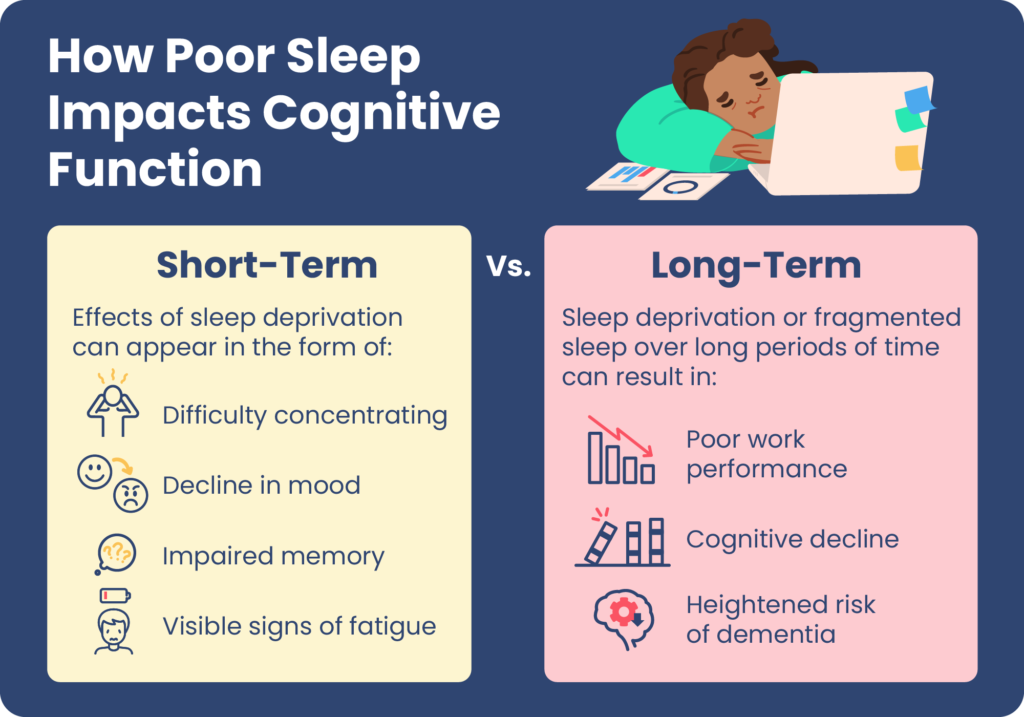
There is no safe, sustainable way to reduce your body’s required sleep need. Chronic sleep restriction (regularly getting less than 7 hours of sleep per night as an adult) impairs cognitive function, reaction time, immune response, and metabolic health, and increases long-term risk of chronic conditions like type 2 diabetes, heart disease, and obesity. Short-term sleep sacrifice may seem to boost productivity, but the long-term costs to your health and performance far outweigh any short-term gains.
In my 5 years coaching clients on sleep hygiene, I’ve seen dozens of people cut sleep to meet work deadlines, only to see their creativity, problem-solving skills, and emotional regulation drop significantly within 2 weeks. The only exception is the small percentage of people with a genetic short-sleeper mutation, which cannot be developed through habit.
Myth 7: Older Adults Need Far Less Sleep
It’s a common myth that adults over 65 need far less sleep than younger adults, but this is not true. Older adults still need 7-8 hours of sleep per night, the same as adults aged 18-64. The difference is that circadian rhythm naturally shifts earlier with age (a condition called advanced sleep phase syndrome), so older adults tend to go to bed and wake up earlier, and their sleep is lighter and more easily disrupted.
To maintain good sleep quality as you age, stick to a consistent sleep schedule, get 10-30 minutes of bright natural light within 1 hour of waking to anchor your circadian rhythm, and avoid long naps during the day that can interfere with nighttime rest.
Myth 8: Dimming Screens Before Bed Is Enough to Avoid Sleep Disruption
Blue light from phones, laptops, and TVs suppresses melatonin production (the hormone that signals sleepiness) by up to 50% in some studies, but dimming your screen brightness is not enough to fully offset the negative effects. The cognitive stimulation from scrolling social media, answering work emails, or watching exciting content keeps your brain in an alert state, making it harder to fall asleep even if your screen is dimmed.
The most effective approach is to implement a 1-hour screen-free wind-down routine before bed. If you must use screens after dark, enable night mode, reduce brightness to the lowest setting, and avoid stimulating content. For people who struggle with hair breakage from tossing and turning at night, adopting a protective overnight hair style can also reduce sleep disruptions from discomfort.
Bonus Common Sleep-Adjacent Myth: Sleeping With Wet Hair Is Harmless
While not a core sleep myth, the belief that sleeping with wet hair has no negative effects is widespread, and ties directly to pre-sleep routine habits. Damp hair is far more fragile than dry hair, so tossing and turning overnight can lead to breakage, split ends, and frizz. It also creates a warm, damp environment on your scalp that can promote fungal growth and irritation, especially for people with curly or fine hair that takes hours to fully air dry.
If you wash your hair at night, the healthiest approach is to let it air dry for at least 30 minutes before bed, or use a loose braid or silk bonnet to protect it. For more tailored tips, check out our guide to safe wet hair sleep practices, and explore protective overnight hair styles to keep damp hair off your face while you rest.
Why Sleep Myths Are So Sticky
Sleep myths explained survive for a reason: they offer simple, appealing solutions to the frustratingly complex problem of poor sleep. Several cognitive and social factors make these myths spread faster than evidence-based guidance:
- Cognitive biases: We rely on confirmation bias and the availability heuristic to judge sleep advice. We remember the one time we felt great after 5 hours of sleep, and forget the 10 times we were groggy and unproductive. Myths that are repeated often (by friends, social media, or marketing) feel more true than peer-reviewed research, even if they’re incorrect.
- Desire for simple solutions: Sleep is influenced by dozens of factors, from your circadian rhythm to your daytime stress levels to your sleep environment. Myths like “drink warm milk to fall asleep” or “you only need 5 hours of sleep” offer a quick, easy fix that doesn’t require changing your entire routine, which makes them far more appealing than consistent, long-term habit changes.
- Marketing and social media amplification: Viral sleep hacks are often tied to product marketing, from expensive supplements to sleep gadgets. Brands repeat unproven claims until they feel like common knowledge, and social media algorithms prioritize engaging, simple content over nuanced, evidence-based guidance.
The best way to push back against sleep myths is to approach new sleep tips with a critical eye: check if they’re endorsed by reputable health organizations, and test them for 2-4 weeks to see if they actually improve your daytime energy and sleep quality.
 Cognitive biases and social factors that make sleep myths stick
Source: bcbstnews
Cognitive biases and social factors that make sleep myths stick
Source: bcbstnews
How to Spot Reliable Sleep Advice (vs. Viral Hype)
Not all sleep guidance is created equal. Use these four criteria to vet new sleep tips and avoid falling for viral hype:
- It cites reputable, evidence-based sources: Reliable advice is endorsed by accredited health organizations like the CDC, NIH, or American Academy of Sleep Medicine, or is based on peer-reviewed sleep research. Avoid tips that cite only anecdotal evidence from social media influencers or unverified blogs.
- It avoids absolute language: Sleep is highly individual, so good advice avoids words like “always” or “never”. A tip that works for one person may not work for another, and reliable guidance acknowledges that variability.
- It is testable: If you can try a tip for 2-4 weeks and track objective outcomes (sleep latency, number of nighttime wakeups, daytime energy levels) to see if it works, it’s likely useful. Tips that require you to buy expensive products or make drastic, unsustainable changes are often red flags.
- It prioritizes foundational habits first: Reliable advice will always start with the basics: consistent sleep schedule, proper light exposure, and a healthy pre-sleep routine, before recommending supplements, gadgets, or extreme interventions.
Many viral sleep myths are tied to product marketing, so be wary of any tip that leads with a “must-have” gadget or supplement as the solution to your sleep problems.
 Key markers of evidence-based sleep guidance vs. viral hype
Source: sleepfoundation
Key markers of evidence-based sleep guidance vs. viral hype
Source: sleepfoundation
Evidence-Based Sleep Tips You Can Implement Tonight
Once you’ve sorted fact from fiction, these science-backed tips will help you improve your sleep quality without the hype:
- Lock in a consistent sleep window: Go to bed and wake up at the same time every day, even on weekends, with no more than 1 hour of variation. This anchors your circadian rhythm and reduces social jetlag, making it easier to fall asleep and wake up feeling rested. If you need to adjust your schedule, shift by 15-30 minutes per day rather than changing it by 2+ hours overnight.
- Optimize your light exposure: Get 10-30 minutes of bright natural light within 1 hour of waking to signal to your body that it’s time to be alert. In the evening, dim overhead lights 2 hours before bed, use blackout curtains to block street light, and avoid bright screens to help your body produce melatonin.
- Cut off caffeine early: Caffeine has a 6-hour half-life, meaning half of the caffeine you consume at 4pm is still in your system at 10pm, disrupting deep sleep. Aim to stop all caffeine consumption 8-10 hours before bed (so if you go to bed at 10pm, stop caffeine by 12pm-2pm). If you’ve had caffeine later in the day than you intended, small adjustments to your evening routine can help minimize caffeine's sleep impact.
- Build a screen-free wind-down routine: Spend 30-60 minutes before bed doing calm, low-stimulation activities like reading a physical book, gentle stretching, or taking a warm shower (the drop in core body temperature after a shower signals sleepiness). If you struggle with reducing sleep onset time, a consistent wind-down routine can help you fall asleep 10-15 minutes faster on average within a week.
- Use naps strategically: Short naps of 20-30 minutes, taken before 3pm, can boost alertness and productivity without disrupting nighttime sleep. Longer naps or naps after 3pm can enter deep sleep, causing sleep inertia (grogginess) when you wake up and making it harder to fall asleep at night. For shift workers, a 90-minute nap before your shift can improve alertness and performance overnight.
- Optimize your sleep environment: Keep your bedroom cool (60-67°F / 15-19°C is ideal for most people), quiet, and dark. A supportive, clean sleep surface is also critical for reducing nighttime discomfort and disruptions. If your feather topper has become lumpy or flattened, learn how to revive a flattened feather topper to restore its support without replacing it. For older mattress pads that have lost their cushioning, our guide to knowing when to swap your mattress pad can help you decide when it’s time for an upgrade.
 Simple, consistent pre-sleep habits are the most effective sleep fix
Source: youtube
Simple, consistent pre-sleep habits are the most effective sleep fix
Source: youtube
Special Considerations for Different Lifestyles and Health Needs
Sleep myths explained don’t apply equally to everyone: needs vary drastically based on age, job, and underlying health conditions.
Children and Teens
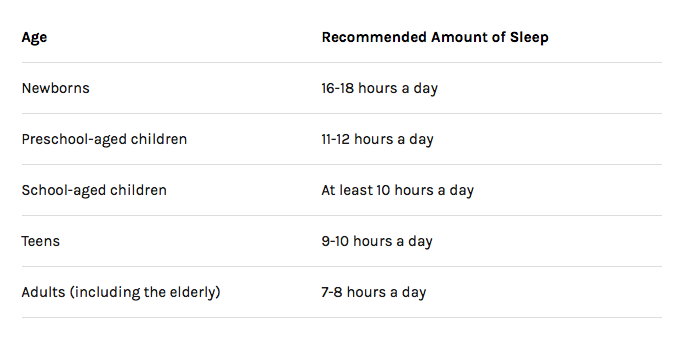
Kids and teens have higher sleep needs than adults: school-age children need 9-11 hours per night, and teens need 8-10 hours. Consistent bedtimes, a screen-free pre-sleep routine, and avoiding weekend sleep-ins of more than 2 hours are critical for supporting healthy development and academic performance. Many common sleep myths for kids, like “letting them cry it out will teach them to sleep alone,” can cause long-term sleep anxiety if implemented incorrectly, so always consult a pediatric sleep specialist for guidance tailored to your child’s age and needs.
Shift Workers
Rotating and night shift schedules clash directly with the body’s natural circadian rhythm, leading to increased risk of sleep disorders, metabolic issues, and accidents. To mitigate these risks: use blackout curtains and a white noise machine for daytime sleep, wear blue-light blocking glasses on your commute home from night shifts to avoid suppressing melatonin, and keep a consistent sleep schedule even on your days off. If you work non-traditional hours, maintaining a clean sleep space for odd hours is especially important, as you’ll be sleeping during the day when dust and allergens are more prevalent.
People With Underlying Health Conditions
Sleep disorders like sleep apnea (characterized by loud snoring, gasping for air during sleep, and excessive daytime sleepiness), restless legs syndrome, and chronic pain can severely disrupt sleep quality, and will not be fixed by lifestyle changes alone. If you experience persistent sleep issues, loud snoring, or severe daytime fatigue, consult a board-certified sleep specialist for diagnosis and treatment. For people with allergies or asthma, regularly cleaning your bedding and sleep accessories can reduce nighttime discomfort: our guide to proper mattress topper care for allergy sufferers has step-by-step instructions for keeping your sleep space allergen-free. If you’re dealing with acute stress from a breakup or other life event that’s disrupting your sleep, small, consistent habits can help you manage stress-related sleep disruption without relying on unproven quick fixes.
 How sleep needs and myths differ for children, shift workers, and those with health conditions
Source: scofa
How sleep needs and myths differ for children, shift workers, and those with health conditions
Source: scofa
Common Mistakes to Avoid When Fixing Your Sleep
Even with the best intentions, many people undermine their sleep progress by making these common errors:
- Overhauling your routine all at once: Trying to change your sleep schedule, cut caffeine, eliminate screens, and start exercising all in the same week makes it impossible to track what’s working. Start with one small change (e.g., moving your caffeine cutoff 2 hours earlier) and stick with it for 2 weeks before adding another adjustment.
- Relying on gadgets or supplements before fixing foundational habits: Melatonin supplements, white noise machines, and sleep trackers can be useful tools, but they won’t fix a poor sleep schedule, excessive caffeine intake, or a disruptive sleep environment. Prioritize the basics first before investing in extra tools.
- Ignoring daytime habits: Sleep isn’t just about what you do at night. Vigorous exercise within 3 hours of bed, heavy meals late in the evening, and unmanaged stress during the day can all disrupt your sleep quality, even if you have a perfect pre-bed routine.
- Obsessing over “perfect” sleep: Occasional bad nights are normal, especially during stressful periods. Over-reliance on sleep trackers and obsession with hitting a “perfect” sleep score can lead to orthosomnia – a condition where anxiety about sleep actually makes it harder to fall asleep. Focus on how you feel during the day, not just your sleep metrics.
 Frequent errors people make when trying to improve their sleep
Source: youtube
Frequent errors people make when trying to improve their sleep
Source: youtube
Frequently Asked Questions
What is the most common sleep myth?
The most pervasive and harmful sleep myth is that alcohol helps you sleep. While alcohol’s sedative effects can make you fall asleep faster, it disrupts your sleep architecture, reducing restorative deep sleep and REM sleep by up to 20% in the first few hours after consumption, leading to fragmented sleep and next-day grogginess. Even 1-2 drinks close to bed can have this effect.
Can I train myself to need less sleep?
No, there is no safe, sustainable way to reduce your body’s required sleep need. Chronic sleep restriction (regularly getting less than 7 hours of sleep per night as an adult) impairs cognitive function, reaction time, and immune function, and increases long-term risk of chronic conditions like type 2 diabetes and heart disease. A small percentage of the population (less than 1%) have a genetic mutation that allows them to function on 4-6 hours of sleep without negative effects, but this is not something that can be trained through habit.
Are short naps bad for nighttime sleep?
No, when done correctly, short naps can boost alertness and productivity without disrupting nighttime sleep. The key is to keep naps to 20-30 minutes, and end them before 3pm. Longer naps or naps after 3pm can enter deep sleep, making it harder to fall asleep at night and causing sleep inertia (grogginess) when you wake up.
Do screens before bed really ruin sleep?
Yes, to a significant degree. The blue light emitted by phones, laptops, and TVs suppresses melatonin production by up to 50% in some studies, and the cognitive stimulation from scrolling, working, or watching exciting content keeps your brain in an alert state. Even if you use blue light filters, screen use within 1 hour of bed can increase sleep latency (time to fall asleep) by 10-20 minutes on average.
Is waking up in the middle of the night a sign of insomnia?
Not necessarily. Brief awakenings (1-2 per night, lasting a few minutes) are a normal part of the natural sleep cycle, as we transition between 90-minute sleep stages. Insomnia is a clinical diagnosis that requires persistent difficulty falling or staying asleep at least 3 nights per week for 3 or more months, plus significant daytime impairment (fatigue, irritability, difficulty concentrating).
How long does it take to fix bad sleep habits?
Small changes (like moving your caffeine cutoff earlier) can produce noticeable improvements in sleep latency within 3-7 days. More significant shifts, like adjusting your sleep schedule by 2+ hours, can take 2-4 weeks to fully take effect, as your circadian rhythm adjusts. Consistency is key – stick with changes for at least 2 weeks before deciding if they’re working for you.
Is sleeping with wet hair really bad for your hair?
Yes, regularly sleeping with soaking wet hair can cause significant damage. Damp hair is more fragile than dry hair, so tossing and turning can lead to breakage and split ends. It can also create a warm, damp environment on your scalp that promotes fungal growth and irritation, especially if you have fine or curly hair that takes longer to air dry. If you wash your hair at night, the healthiest approach is to let it air dry for at least 30 minutes before bed, or use a protective overnight style like a loose braid or silk bonnet. For more tailored tips, check out our guide to safe wet hair sleep practices.
How often should I clean my bedding and sleep accessories?
To reduce allergens and bacteria buildup, wash your sheets and pillowcases weekly, and clean mattress toppers and pillows every 3-6 months, depending on use. If you have a bamboo pillow or a specialized mattress topper, follow the manufacturer's care instructions to avoid damaging the material – our guide to proper pillow care has step-by-step instructions for common sleep accessories.
 Answers to the most common questions about sleep myths and facts
Source: sleepsolutionsforchildren
Answers to the most common questions about sleep myths and facts
Source: sleepsolutionsforchildren
Final Takeaway
Sleep myths explained are so common because they offer simple, appealing solutions to the frustrating problem of poor sleep – but they often do more harm than good. The science is clear: consistent routines, proper light exposure, and small, sustainable changes are the most reliable way to improve your sleep quality over time.
Start small tonight: pick one myth from this list to address, whether that's cutting off caffeine 2 hours earlier or skipping screens 1 hour before bed. Track how you feel over the next 2 weeks, and adjust as needed. If you continue to struggle with persistent fatigue, difficulty falling asleep, or loud snoring, don't hesitate to reach out to a board-certified sleep specialist for personalized support. For more evidence-based sleep tips tailored to your routine, browse our full library of sleep science guides – no hype, just actionable advice to help you rest better.
Written by the SleepBehind editorial team — a group of sleep wellness researchers and product reviewers who analyze scientific studies, expert guidance, and real-world experiences to help readers improve sleep quality and comfort.