
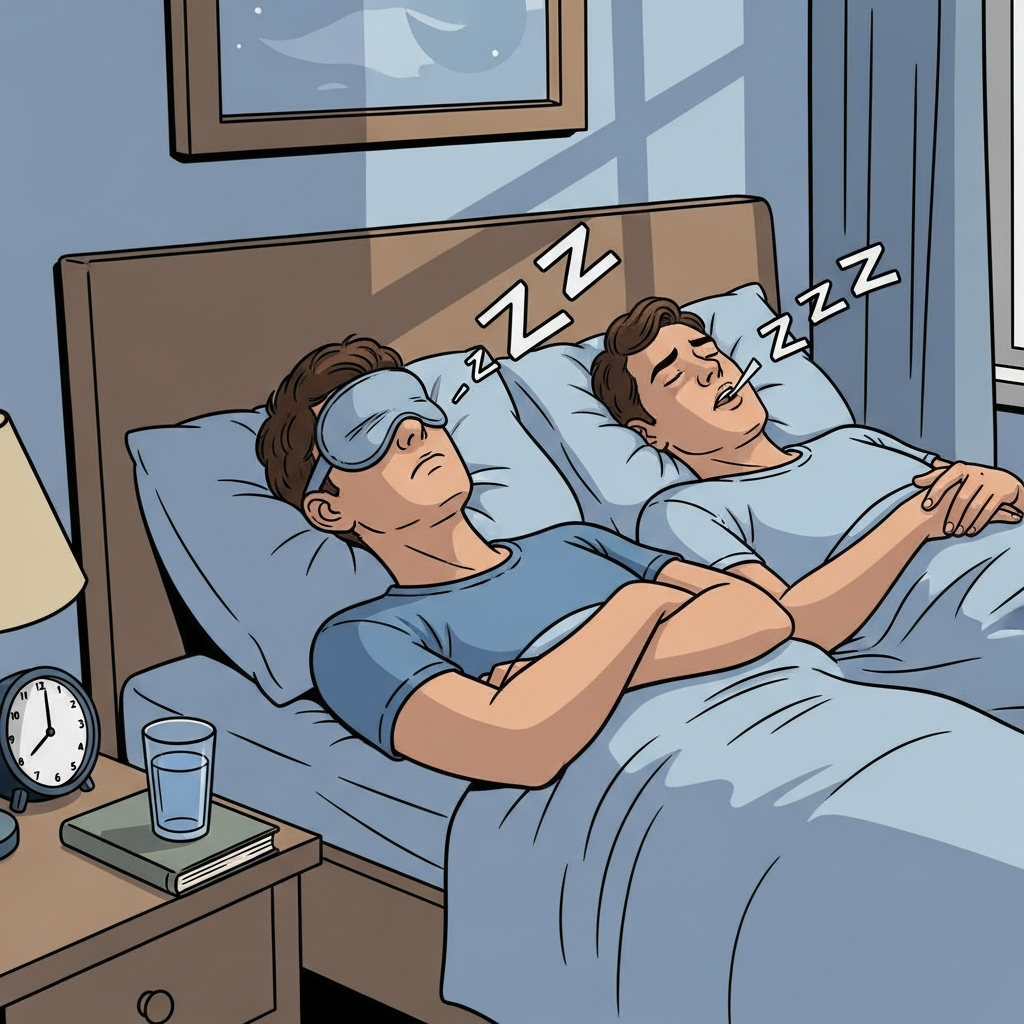
Nearly 1 in 3 adults report regular sleep disruption from a partner’s snoring, a problem that affects not just nightly rest but relationship satisfaction and daily energy levels. Snoring occurs when air can’t move freely through the nose and throat during sleep, causing soft tissues to vibrate. While occasional mild snoring is normal, chronic loud snoring can leave both partners exhausted, irritable, and at risk for long-term health issues if left unaddressed. This guide covers immediate, low-effort fixes to use tonight, long-term root-cause solutions, sensitive communication strategies, and when to seek medical care, all updated with 2026 best practices.
Why Does My Partner Snore, and What Does It Mean for Our Sleep?
Snoring is caused by a partial blockage of the upper airway during sleep, when throat muscles relax and the soft palate, tongue, or nasal tissues narrow the space air passes through. Common triggers include nasal congestion from allergies or a deviated septum, excess weight around the neck that puts pressure on the airway, alcohol or sedatives that over-relax throat muscles, sleeping on the back (which lets the tongue fall backward and block the throat), aging that reduces muscle tone in the airway, and obstructive sleep apnea (OSA), a condition where the airway fully collapses multiple times per night.
In practice, the non-snoring partner often loses 1 or more hours of restorative sleep per night, leading to daytime fatigue, difficulty concentrating, and increased risk of chronic health issues like high blood pressure over time. The snorer themselves may experience unrefreshing sleep, morning headaches, and loud, irregular snoring that is a key red flag for undiagnosed sleep apnea. Understanding the root cause of your partner’s snoring is the first step to finding a fix that works for both of you.
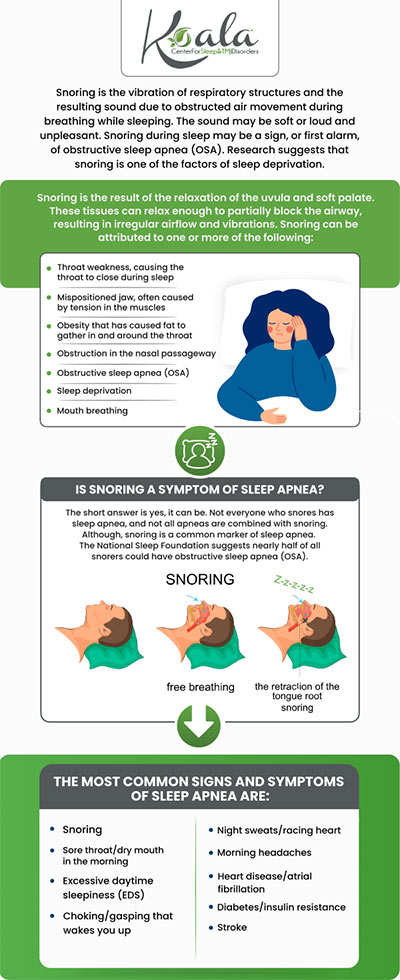 Anatomical causes of snoring, including relaxed throat muscles and nasal airway obstruction
Immediate, Low-Effort Fixes to Try Tonight
These low-cost, low-risk tactics can reduce snoring disruption on nights when you need relief fast, no medical intervention required. Many work within the first night of use:
- High-fidelity earplugs: Reusable silicone or wax earplugs designed for low-frequency noise often outperform disposable foam for snoring, as they create a tighter seal in the ear canal without pressing painfully against the ear. Look for options with a noise reduction rating (NRR) of 25 or higher for the best results.
- White noise or sound masking: A steady, non-looping sound (like rain, fan noise, or a dedicated snore-mask setting on a white noise machine) covers the inconsistent volume of snoring without the sudden volume changes of TV or podcasts that can still wake you. Place the machine on the non-snoring partner’s side of the bed at a volume of 50-60 decibels (equivalent to a normal conversation) to mask snoring without drowning out alarms.
- Temporary separate sleep: Even one night in a guest room can reset your sleep debt if disruption is severe. Frame this as a short-term reset, not a relationship failure, to avoid hurt feelings.
- Positional tweaks for the snorer: If your partner snores most loudly on their back, a body pillow placed behind their back prevents rolling over, or a tennis ball sewn into the back of an old t-shirt creates an uncomfortable surface that encourages side sleeping. Avoid extra pillows to elevate the head, as these can bend the neck and worsen airway obstruction.
- Nasal aids: Saline sprays clear nasal congestion before bed, while nasal strips lift the nasal passages open to reduce airflow resistance. These work best for snorers whose primary issue is nasal blockage, not throat relaxation.
- Slight bed elevation: Raising the head of the bed 4-6 inches with bed risers (not extra pillows) uses gravity to keep the airway open and reduce collapse during sleep.
These low-effort, low-cost tactics can help you get restful sleep even on nights when snoring is at its worst, including options like noise-blocking sleep tech that combines earplug-like sound dampening with gentle audio to mask disruptions.
 A collection of immediate, low-cost fixes to reduce snoring disruption on nights when you need relief fast
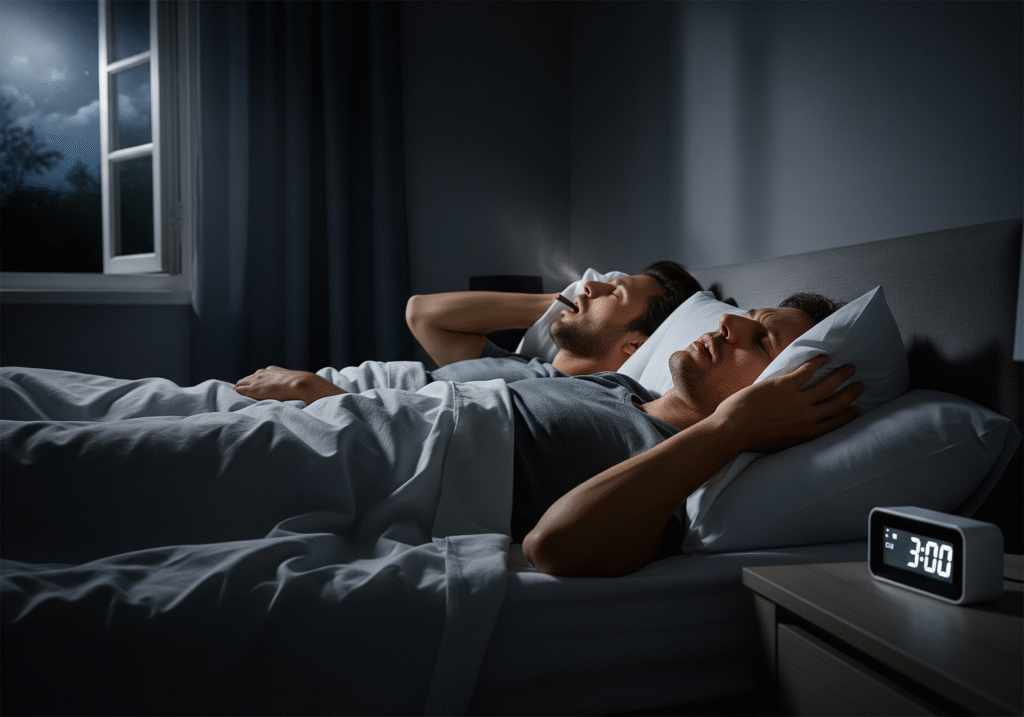 Quick-reference checklist of immediate snoring fixes to try on nights when disruption is severe
Long-Term, Root-Cause Fixes for Lasting Sleep
Short-term fixes are useful for immediate relief, but long-term solutions address the underlying cause of snoring to improve sleep and overall health for both partners:
- Medical evaluation first: Encourage your partner to see a primary care provider for a snoring screening. A doctor can assess for structural issues like a deviated septum or enlarged tonsils, and screen for sleep apnea.
- Sleep study for suspected apnea: If loud, irregular snoring is paired with gasping or choking during sleep, an in-home sleep study is the standard first step as of 2026. Most insurance plans cover in-home studies, which involve wearing a small monitor for one night at home to track breathing, oxygen levels, and sleep stages, no overnight lab stay required.
- Clinical devices for sleep apnea: For diagnosed mild to moderate OSA, a custom mandibular advancement device (MAD) fitted by a dentist works for most people by gently holding the jaw forward to keep the airway open. For moderate to severe OSA, a CPAP machine is the gold standard, delivering a steady stream of air pressure to prevent airway collapse.
- Lifestyle changes: Even a 5-10% reduction in body weight can significantly reduce snoring severity by decreasing pressure on the airway from excess neck fat. Avoiding alcohol and sedatives 3 hours before bed also reduces snoring, as these substances relax throat muscles and worsen airway obstruction even in people who don’t usually snore.
- Allergy management: If allergies are a primary trigger, daily antihistamines, allergy-proof bedding, and a HEPA air purifier in the bedroom can reduce chronic nasal congestion that worsens snoring long-term.
- Structural surgery: For snoring caused by correctable anatomical issues like a deviated septum or enlarged tonsils, an ENT may recommend a minor surgical procedure that can eliminate snoring permanently for eligible patients.
In my experience supporting couples with sleep disruption, the most successful fixes are always the ones both partners agree to try, rather than one-sided mandates. One couple I worked with tried dozens of unproven gadgets for months before getting a sleep study that diagnosed mild OSA; a custom MAD eliminated their snoring within two weeks, and both reported higher energy and relationship satisfaction within a month.
Optimize Your Bedroom for Quiet, Restful Sleep
Small, intentional bedroom upgrades can reduce snoring disruption even without treating the root cause, by minimizing sound echo, light, and motion that wake the non-snoring partner:
- Sound-absorbing textiles: Heavy blackout curtains dampen both outside noise and sound echo from inside the room, while rugs, carpeted floors, and upholstered headboards absorb sound instead of reflecting it off bare drywall.
- Motion-dampening bedding: If you have a spring mattress, motion transfer from the snorer rolling over or adjusting can wake you. A mattress with pocketed coils or memory foam, or an added mattress topper, reduces this transfer significantly.
- Air quality improvements: A HEPA air purifier reduces allergens that trigger nasal congestion, while a cool-mist humidifier adds moisture to dry air that irritates nasal passages and worsens snoring. Keep the bedroom temperature between 60-67°F (15-19°C) for optimal sleep for both partners.
- Split bedding options: If you have different temperature preferences or want to avoid duvet tug-of-war, two single duvets on a shared bed or a split adjustable base lets each partner customize their sleep surface without giving up closeness.
If you’re due for an upgrade, a washable bamboo pillow can help keep your head aligned to reduce your own snoring, while a machine-washable mattress topper makes it easy to keep bedding fresh if allergies are a trigger for either of you.
 Bedroom design tweaks that reduce sound echo and minimize snoring disruption
Navigate Sensitive Conversations About Snoring Without Conflict
Snoring is a sensitive topic, as no one wants to feel criticized for something they can’t fully control while they’re asleep. A blame-focused conversation will almost always lead to defensiveness, while a team-focused approach speeds up finding a solution:
- Pick the right time: Never bring up snoring right after being woken up by it, when you’re both tired and frustrated. Bring it up during a calm, relaxed moment, like over morning coffee or during a walk.
- Use "I" statements, not "you" accusations: Instead of saying "You snore so loud I can’t sleep," frame it as a shared problem: "I’ve been having trouble staying asleep lately, and I think snoring might be a big part of it. I’d love to figure out a solution together so we both get better rest."
- Offer to participate: Frame medical appointments or new routines as a team effort, not a solo task for the snorer. For example, say "I’ll go with you to the doctor’s appointment if that would make you more comfortable."
- Celebrate small wins: Thank your partner when a new fix works, even if it only reduces snoring a little. Positive reinforcement makes them more likely to keep trying new solutions.
Small, consistent acts of appreciation go a long way in keeping the conversation positive, just like small pre-bed hair routines can make mornings feel less stressful for both partners.
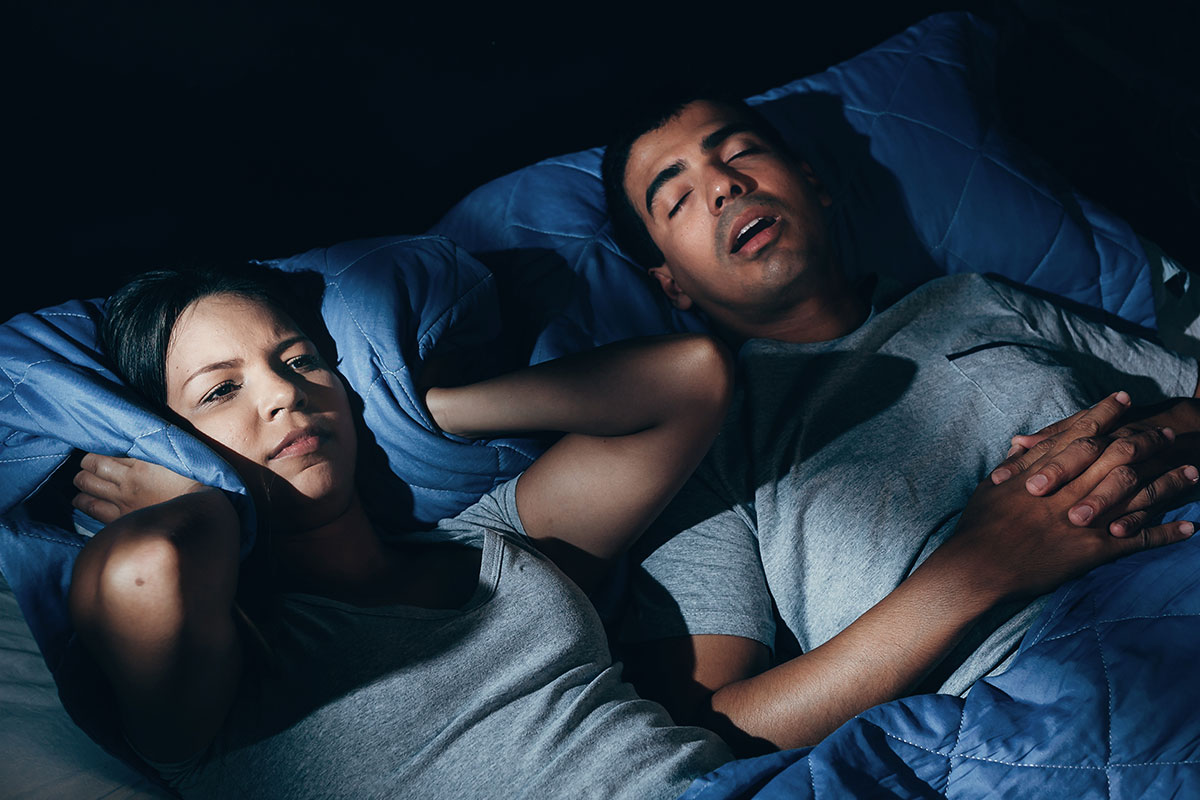 A calm, team-focused approach to discussing snoring reduces defensiveness and speeds up finding solutions
Proven Devices and Treatments: What Actually Works
The market is full of anti-snoring gadgets with little to no clinical evidence, so it’s important to prioritize treatments proven to work:
Over-the-Counter (OTC) Options
- Nasal strips and saline sprays: Effective for nasal-related snoring, no side effects, $5-15 per box.
- Positional trainers: Wearable devices that vibrate when you roll onto your back, or the classic tennis ball sewn into a t-shirt trick, cost $30-100 and work for back-sleep snorers.
- Anti-snore pillows: Look for contoured models with a cutout to keep the neck aligned and encourage side sleeping, $50-150.
Clinical Devices
- Custom mandibular advancement devices (MADs): Fitted by a dentist, these mouthpieces gently hold the jaw forward to keep the airway open. They work for 60-70% of people with mild to moderate OSA, cost $500-1500, and are often covered by insurance for diagnosed apnea.
- CPAP machines: The gold standard for moderate to severe OSA, these deliver steady air pressure to keep the airway open. Modern models are quiet, lightweight, and covered by most insurance plans for diagnosed OSA, though some people need a few weeks to adjust to wearing the mask.
Medical Interventions
If structural issues like a deviated septum, enlarged tonsils, or a high, narrow palate are the root cause of snoring, an ENT may recommend a minor surgical procedure (like septoplasty or tonsillectomy) that can eliminate snoring permanently for eligible patients.
If you’re considering a new pillow to support side sleeping, a properly aligned bed pillow can reduce neck strain and help keep the airway open all night.
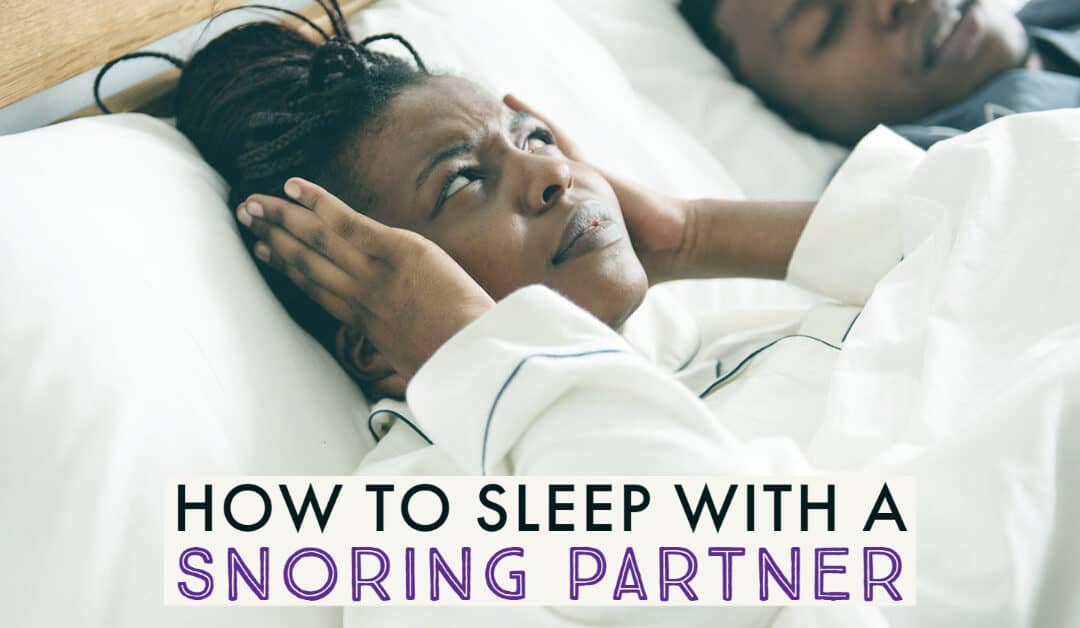 A breakdown of evidence-based snoring treatments, from low-cost OTC options to clinical devices
Protect Your Relationship Intimacy While Solving Snoring
Sleep disruption can lead to resentment if left unaddressed, but you can maintain closeness while working toward better rest for both of you:
- Keep a consistent pre-sleep connection ritual, like 10 minutes of cuddling or talking before you go to bed, even if you sleep in separate rooms later.
- If you’re using temporary separate sleep, leave a light on in the hallway for each other and keep a pair of your partner’s pajamas in your room for comfort.
- Schedule dedicated non-sleep time for connection, like morning coffee together, evening walks, or weekly date nights, to avoid feeling like you’re living separate lives.
- Be patient with the process: snoring fixes often take 2-3 tries to find what works, and celebrating small improvements (like one full night of uninterrupted sleep) keeps both partners motivated.
If you’re adjusting to new sleep routines, small comfort items like a soft, supportive topper for the guest room can make temporary separate sleep feel more restful and less like a separation.
 Small, intentional connection rituals help couples maintain closeness while working through snoring-related sleep disruptions
Understand Treatment Costs and Insurance Coverage
As of 2026, snoring treatment costs vary widely based on the type of fix you choose, and most insurance plans cover medically necessary treatments:
- OTC fixes: Earplugs, white noise machines, nasal strips, and saline sprays cost $5-100 total, and are fully out-of-pocket with no insurance coverage needed.
- Clinical devices: Custom MADs cost $500-1500, while CPAP machines cost $500-2000. Most insurance plans cover 50-80% of the cost if sleep apnea is diagnosed via a sleep study.
- Sleep studies: In-home sleep studies cost $100-300 out-of-pocket without insurance, compared to $1000+ for traditional in-lab studies. Most plans cover in-home studies in full for patients with suspected OSA.
- Surgical interventions: Procedures like septoplasty or tonsillectomy cost $3000-10000, and are usually covered by insurance if deemed medically necessary and conservative treatments have failed. Many sleep clinics offer payment plans for devices and studies if cost is a barrier.
If you’re budgeting for sleep improvements, learning when to replace your current mattress pad can help you prioritize upgrades that reduce motion transfer and improve sleep for both partners.
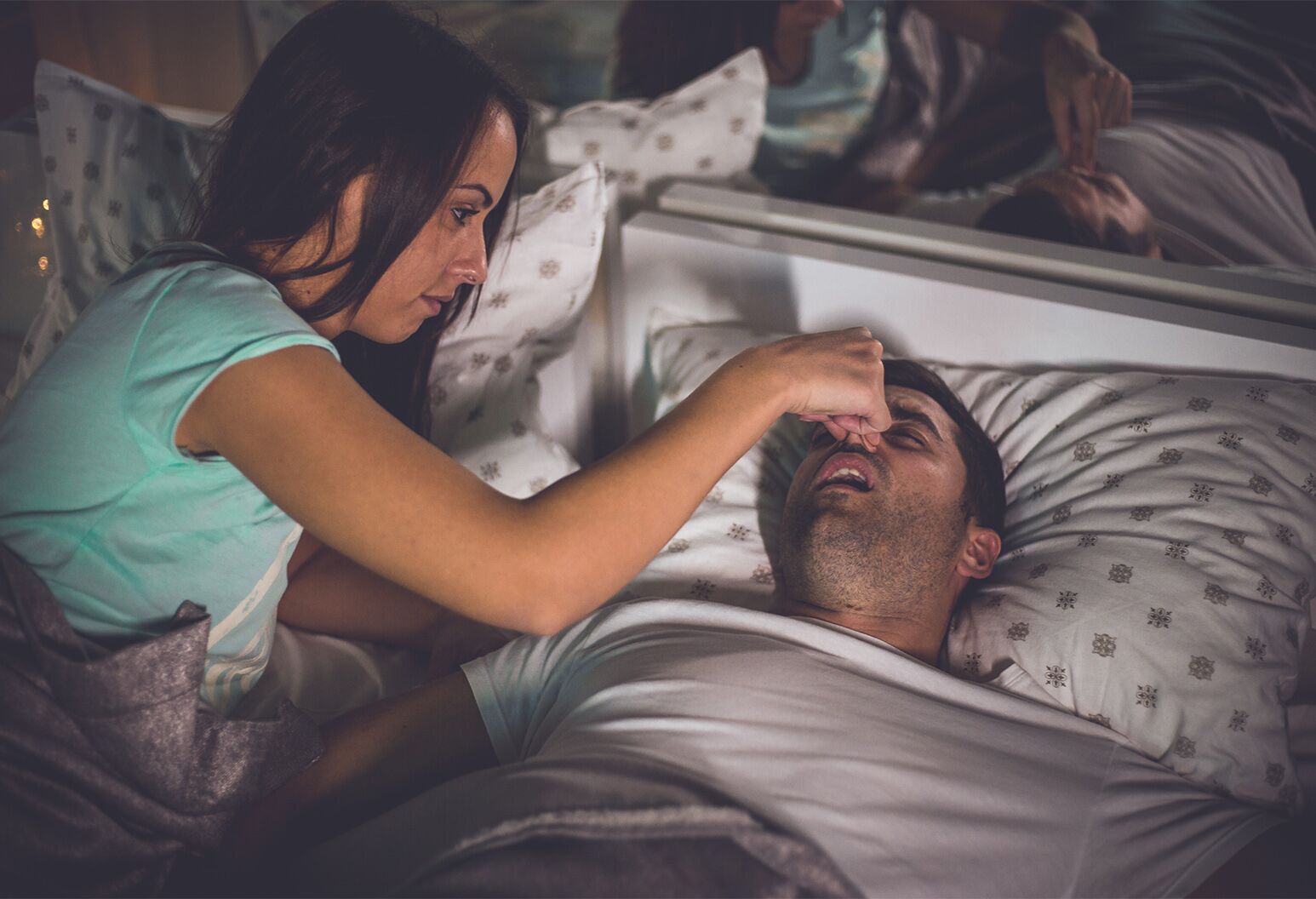 A breakdown of common snoring treatment costs and what most insurance plans cover as of 2026
When Is Snoring a Medical Emergency, and What Happens at a Sleep Study?
Not all snoring is harmless: loud, chronic snoring paired with gasping, choking, or pauses in breathing during sleep is a common sign of obstructive sleep apnea, a condition linked to increased risk of heart attack, stroke, and type 2 diabetes if left untreated, per the CDC’s sleep health guidance. Other red flags include morning headaches, chronic daytime sleepiness even after 7+ hours of rest, and difficulty concentrating.
If your partner has these symptoms, a sleep study is the next step. Most in-home studies involve wearing a small chest monitor and finger pulse oximeter for one night, which tracks breathing patterns, oxygen levels, and sleep stages. Results are usually available within 3-5 days, and a sleep specialist will work with you to create a treatment plan if apnea is diagnosed.
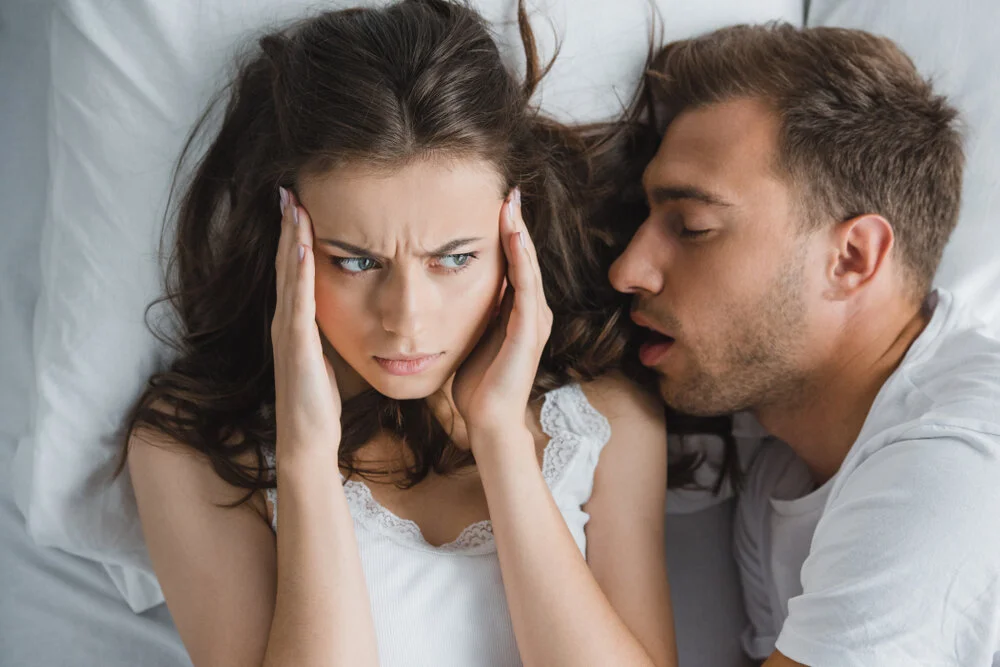
Common Mistakes That Delay Snoring Relief
Many couples waste months on ineffective fixes due to common, avoidable errors:
- Waiting too long to seek medical help: If snoring is loud, irregular, or paired with daytime fatigue, don’t delay a doctor’s appointment. Untreated OSA carries serious long-term health risks that far outweigh the cost of a sleep study.
- Blaming the snorer: Snoring is rarely a conscious choice, and blame leads to defensiveness that makes it harder to work together on solutions. Frame it as a shared problem to solve as a team.
- Relying on unproven gadgets: There is no clinical evidence that generic over-the-counter mouthpieces, chin straps, nose clips, or essential oil diffusers reduce snoring. Wasting money on these products delays finding a proven fix that works.
- Ignoring your own sleep needs: It is not selfish to sleep in a separate room temporarily if it means you get enough rest to be a patient, present partner during the day. Prioritizing your sleep improves your relationship in the long run.
- Giving up after one failed fix: Snoring has multiple potential causes, so it often takes trying 2-3 different solutions to find what works for your household.
If you’re trying positional fixes, avoid cutting a mattress topper to create an incline—this can damage the topper’s structure and won’t provide consistent elevation for the entire bed.
Frequently Asked Questions
Will earplugs always work to sleep with a snoring partner?
High-fidelity earplugs designed for low-frequency noise work for 70-80% of people dealing with snoring, but they may not be enough for extremely loud, low-frequency snoring (over 80 decibels). If standard foam earplugs feel uncomfortable, try reusable silicone or wax options that mold to your ear canal for a tighter seal, or combination products that pair earplugs with a white noise soundtrack for extra masking.
Is sleeping in separate rooms bad for the relationship?
Sleeping in separate rooms is not a relationship failure—in fact, many couples report higher relationship satisfaction after prioritizing consistent, restful sleep. To maintain intimacy, keep a regular pre-sleep cuddle routine, and schedule dedicated time for connection outside of sleep, like morning coffee or evening walks.
Can weight loss stop snoring completely?
Weight loss reduces snoring severity for most people, especially if excess neck fat is a primary cause, but it may not eliminate snoring entirely, particularly if structural issues like a deviated septum are also present. Even a 5-10% reduction in body weight can significantly reduce airway pressure and improve sleep quality for both partners.
When should my partner see a doctor for snoring?
Your partner should see a doctor if snoring is loud, irregular, or accompanied by gasping, choking, morning headaches, or chronic daytime sleepiness, even after 7+ hours of rest. These are common signs of obstructive sleep apnea, a condition linked to serious long-term health risks if left untreated, per the CDC’s sleep health guidance.
Do nasal strips work to stop snoring?
Nasal strips and saline sprays work best for snorers whose primary issue is nasal congestion or narrow nasal passages, as they open the nasal airway to reduce airflow resistance. They are less effective for snoring caused by throat muscle relaxation or structural issues in the airway. For evidence-based guidance on snoring causes and treatments, refer to the American Academy of Sleep Medicine’s official resources.
Will CPAP eliminate snoring completely?
For people with moderate to severe obstructive sleep apnea, CPAP machines are 90% effective at eliminating snoring entirely, as they deliver a steady stream of air pressure to keep the airway open during sleep. Some people find the mask uncomfortable at first, but modern models are far quieter and lighter than older versions, and most adjust to wearing it within a few weeks.
Is snoring always a sign of sleep apnea?
No—occasional, mild snoring is common and often caused by temporary factors like allergies, alcohol consumption, or sleeping on your back. However, loud, chronic snoring paired with gasping or choking during sleep is a strong indicator of sleep apnea, and should be evaluated by a doctor as soon as possible.
How long does it take for snoring treatments to work?
Immediate fixes like earplugs and white noise work on the first night you use them. Lifestyle changes like weight loss or allergy management may take 4-12 weeks to show noticeable improvement in snoring. Clinical devices like MADs or CPAP work immediately once fitted and adjusted, while surgical results are usually permanent within a few weeks of recovery.
Conclusion
Snoring from a partner is a common, solvable sleep disruption—not a relationship flaw, and not something you have to endure indefinitely. Start with immediate, low-effort fixes like earplugs, white noise, and positional tweaks to get rest tonight, then work with your partner to address root causes with long-term solutions if needed. Prioritize calm, team-focused communication to avoid resentment, and make small bedroom upgrades to reduce noise and improve sleep quality for both of you. If snoring is loud, irregular, or paired with daytime fatigue, encourage your partner to schedule a medical evaluation to rule out sleep apnea, a treatable condition with serious health risks if left unaddressed.
This week, try two new fixes from this guide, track what reduces disruption, and share your progress with your partner to keep the process collaborative. If you found this guide helpful, subscribe to our newsletter for weekly sleep tips, product reviews, and relationship-focused sleep advice, or leave a comment below sharing what worked for your household.
Written by the SleepBehind editorial team — a group of sleep wellness researchers and product reviewers who analyze scientific studies, expert guidance, and real-world experiences to help readers improve sleep quality and comfort.