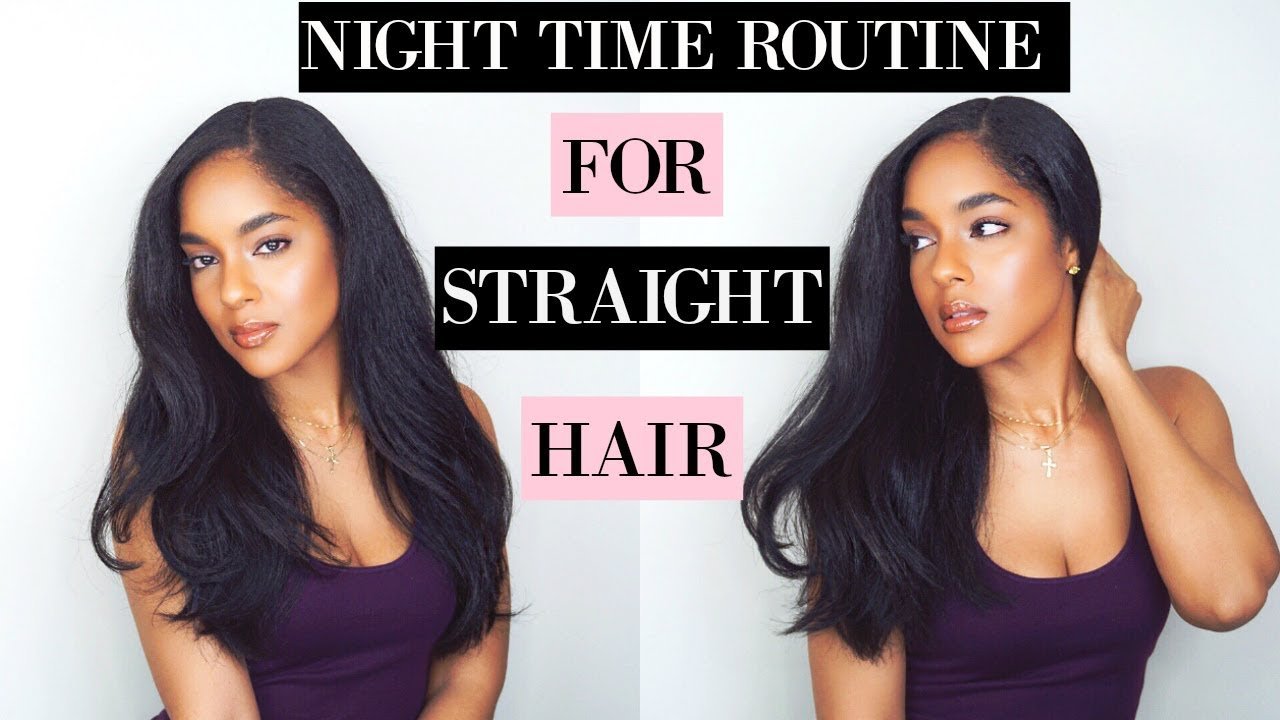
You just spent 30 minutes perfecting your straight style, and the last thing you want is to wake up to frizz, dents, and half the smoothness gone. Overnight care for straightened hair is simple, low-effort, and cuts down on morning touch-up time while protecting your hair from long-term damage. These 7 tested tips work for all hair lengths and types, no fancy products or tools required. For more tips on keeping straightened hair smooth for days, long-lasting straight hair routines has expert-backed guidance.
Why Overnight Care Matters for Straightened Hair
Heat styling temporarily smooths the hair cuticle, creating that sleek, shiny finish you want. But overnight, friction from rough bedding, pressure from your sleep position, and moisture redistribution undo that work in hours. Even your sleep position can create persistent dents in straightened hair by morning — how sleep position impacts hair dents explains how small adjustments can prevent this. You can also read our guide on how blue light affects kids sleep.
Cotton pillowcases are the biggest culprit: their coarse, textured fibers catch on the smoothed cuticle, lifting it and causing frizz, breakage, and split ends over time. Without protective steps, most people who regularly straighten their hair report waking with frizzy, dented styles at least 3 times a week, per common hair care industry observations. Consistent neglect also means you’ll need to reapply heat more often, which leads to cumulative damage and dullness over months.
7 Easy Tips to Sleep With Straightened Hair (No Frizz, No Dents)
1. Let Your Hair Cool Completely Before Lying Down
This is the most important step for preventing morning dents. After straightening, wait 10 to 15 minutes for the hair shaft to return to room temperature before getting into bed. Warm hair is still pliable, so it will mold to the shape of your pillow or head position, creating deep creases that take 10+ minutes to fix with heat tools. You can also read our guide on myhalos sleep mask review.
To speed up cooling, use the cool shot button on your blow dryer for 1 to 2 minutes after straightening, or let your hair air dry while you complete your nightly skincare routine. If you’re in a hurry, run a cool comb through your hair to dissipate heat faster, but never lie down while the hair is still warm to the touch.
 Cooling hair fully before bed prevents creases from forming in warm, pliable strands.
Source: youtube
Cooling hair fully before bed prevents creases from forming in warm, pliable strands.
Source: youtube
2. Switch to Silk or Satin Pillowcases and Bonnets
Textile testing consistently shows silk and satin create far less friction on hair than cotton, minimizing cuticle lift and frizz overnight. A single silk pillowcase can reduce overnight friction by far more than a standard cotton case, per fabric industry data. You can also read our guide on sleep anxiety.
If you move a lot in your sleep, pair a silk pillowcase with a loose silk bonnet to keep strands fully contained and off the pillow. Avoid bonnets with tight elastic bands, which can cause traction alopecia over time — opt for styles with wide, soft bands that sit comfortably on your forehead. For people who hate bonnets, a large silk scarf wrapped loosely around your hair before putting on your pillowcase works just as well to block friction.
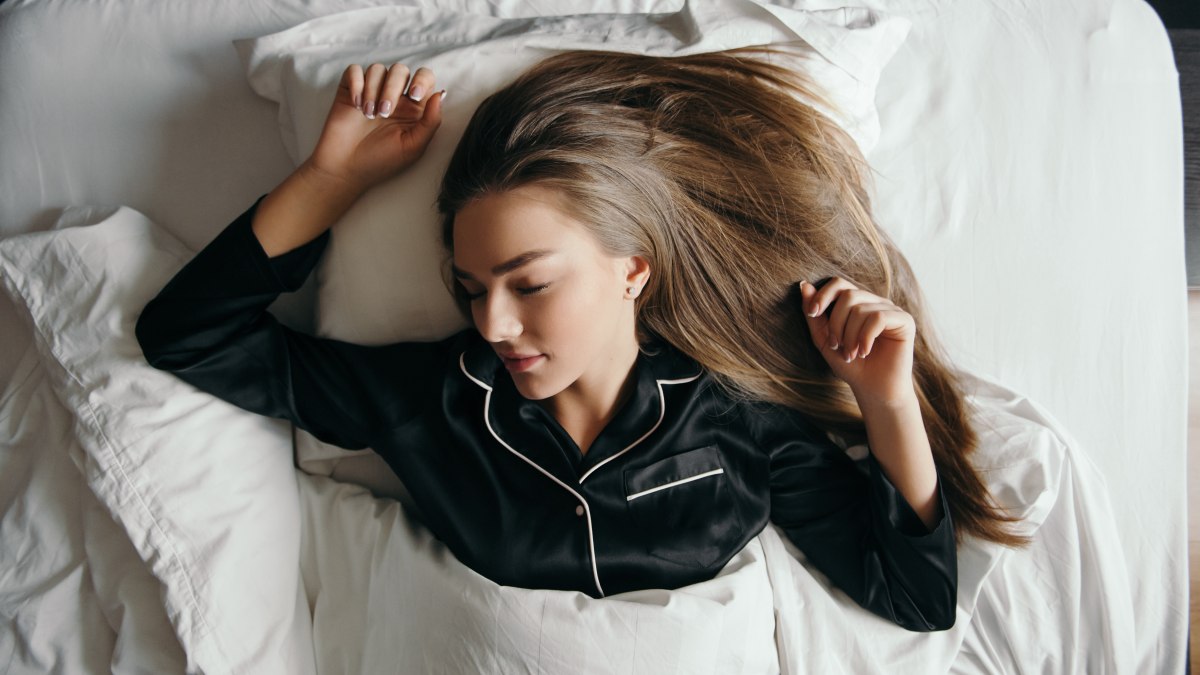 Silk and satin are the best fabric options for protecting straightened hair overnight.
Source: hairfinder
Silk and satin are the best fabric options for protecting straightened hair overnight.
Source: hairfinder
3. Choose Low-Tension, No-Dent Nighttime Hairstyles
Tight hairstyles pull at the root, cause breakage, and create deep creases that are hard to fix. Stick to loose, low-tension styles that keep hair off the pillow without putting stress on the shaft:
- Low silk scrunchie ponytail at the nape of your neck: no elastic marks, no dent at the crown
- Loose top knot set low on the back of the head, secured with a silk scrunchie: keeps hair off your face without creating a crease
- Pineapple method for long hair: gather all hair loosely at the crown, secure with a silk scrunchie, and leave the ends loose. Never pull tight — the goal is to keep hair off the pillow, not hold it in place
- For extra flat results: wrap hair loosely around the crown of your head, tuck ends under, and secure with a few bobby pins, no tight wraps needed
Rotate your style every 2 to 3 nights to avoid repeated pressure on the same spot, which can cause flat, uneven sections over time. For more ideas on protective overnight styles for straight hair, check out overnight style options for straight hair for step-by-step guides.
 Loose, low-tension styles avoid creating dents and traction damage.
Source: youtube
Loose, low-tension styles avoid creating dents and traction damage.
Source: youtube
4. Apply Only Lightweight, Targeted Hair Products
Heavy products weigh hair down, cause greasy roots, and lead to buildup that makes your straightening less effective over time. Stick to lightweight, water-based formulas applied only where needed:
- A pea-sized amount of hair serum on the ends only: tames flyaways, adds shine, and prevents split ends. Avoid applying to the roots, as this causes greasiness and attracts dirt and dust overnight
- A light mist of anti-frizz spray or leave-in conditioner if you live in a humid climate: focus on mid-lengths and ends, not the roots
- A small amount of color-protecting serum for color-treated hair: prevents fading from friction overnight
Avoid heavy oils, hair masks, or leave-in treatments before bed — these are too heavy and will make your hair look greasy in the morning. Never apply product to damp hair before bed, as this can cause mildew growth on your pillowcase and lead to scalp irritation.
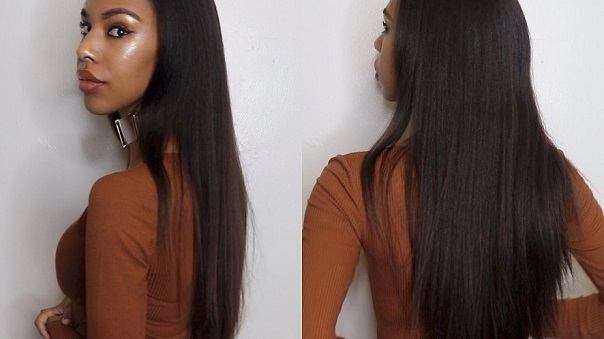 A tiny amount of serum on ends only adds shine without weighing hair down.
Source: co
A tiny amount of serum on ends only adds shine without weighing hair down.
Source: co
5. Wrap or Cover Hair If You’re a Restless Sleeper
If you toss and turn frequently, your hair will get tangled and creased even with a silk pillowcase. For extra protection, wrap your hair loosely in a large silk scarf or wear a loose silk bonnet to keep strands contained. You can also use a silk hair wrap that stays in place without elastic, which is ideal for people who find bonnets uncomfortable.
If you only move a little, tucking the ends of your hair under your pillowcase can also help reduce friction, but make sure the pillowcase is silk or satin first to avoid damage.
6. Never Sleep With Damp or Wet Hair
Damp hair is 3 times more fragile than dry hair, and it will set into whatever shape it’s in overnight, leading to weird kinks and bends that are impossible to fix without heat. Sleeping with damp hair also promotes mildew growth on your pillowcase and can cause scalp irritation and dryness over time. If you have to wash your hair at night, make sure it’s 100% dry before bed — use a cool shot on your blow dryer to speed up drying, or let it air dry for at least an hour before lying down.
If you’ve already experienced damage from sleeping with damp hair, damage from damp hair breaks down the common causes and fixes for dry, brittle strands.
7. Limit Morning Heat Touch-Ups to Small Sections Only
Even with the best overnight routine, you may have a small dent or a few flyaways to fix in the morning. Only straighten the small section that needs it, never your whole head, to avoid cumulative heat damage. Use the lowest heat setting possible (usually 300 to 350°F for most hair types) and only pass the flat iron over the section 1 to 2 times. Always apply a heat protectant before touching up, to shield the cuticle from damage.
Per guidelines from the American Academy of Dermatology, cumulative high-heat exposure is one of the top causes of split ends and breakage in all hair types, so limiting full-head re-straightening to once a week or less will keep your hair healthy long-term. If you find yourself straightening your whole head every morning, adjust your overnight routine to add more protection, like a bonnet or silk scarf.
 Only straighten small sections in the morning to avoid cumulative heat damage.
Source: youtube
Only straighten small sections in the morning to avoid cumulative heat damage.
Source: youtube
Quick Reference Checklist
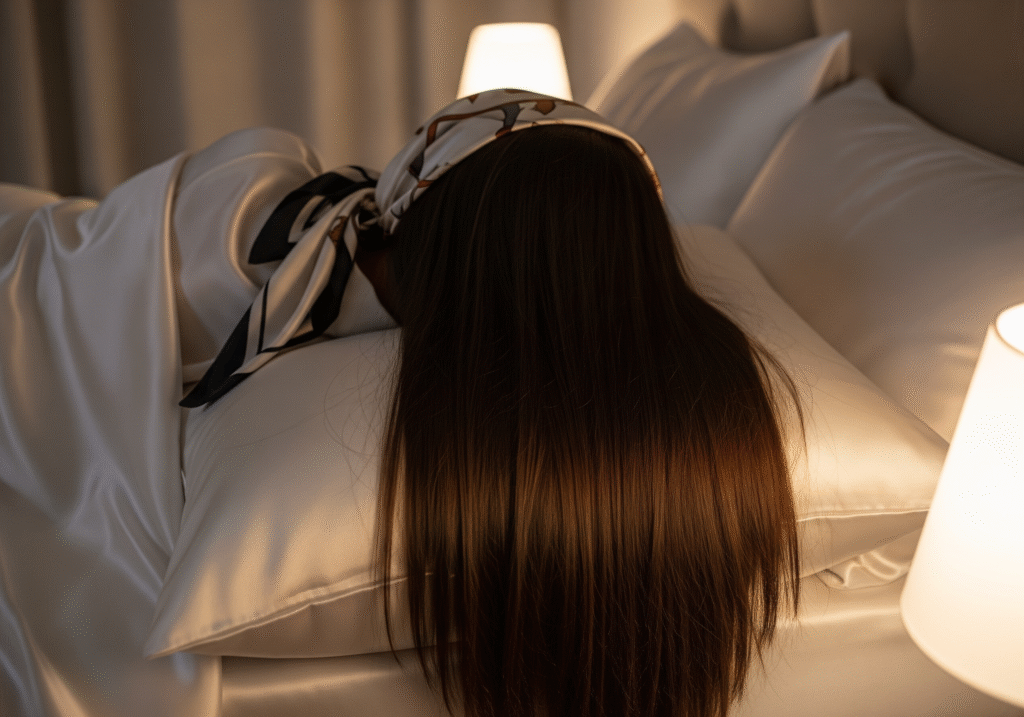 Stick to these simple steps for salon-smooth hair by morning.
Source: sleepbehind
Stick to these simple steps for salon-smooth hair by morning.
Source: sleepbehind
Common Mistakes to Avoid
Even with the best intentions, small mistakes can ruin your straightened hair overnight. Avoid these common pitfalls:
- Using tight elastic hairstyles: Tight ponytails, buns, or braids put stress on the hair shaft, causing breakage and deep creases. Always use silk scrunchies and keep styles loose.
- Skipping the cooling step: Lying down while hair is still warm causes it to mold to your pillow, creating dents that take 10+ minutes to fix.
- Applying heavy products to the roots: Oils and serums applied to the roots cause greasiness, attract dirt, and weigh hair down.
- Using high heat for morning touch-ups: Straightening the same section multiple times a week causes cumulative heat damage and split ends.
- Sleeping with hair down if you’re a restless sleeper: Uncontained hair tangles and creases overnight, leading to breakage and frizz.
Frequently Asked Questions
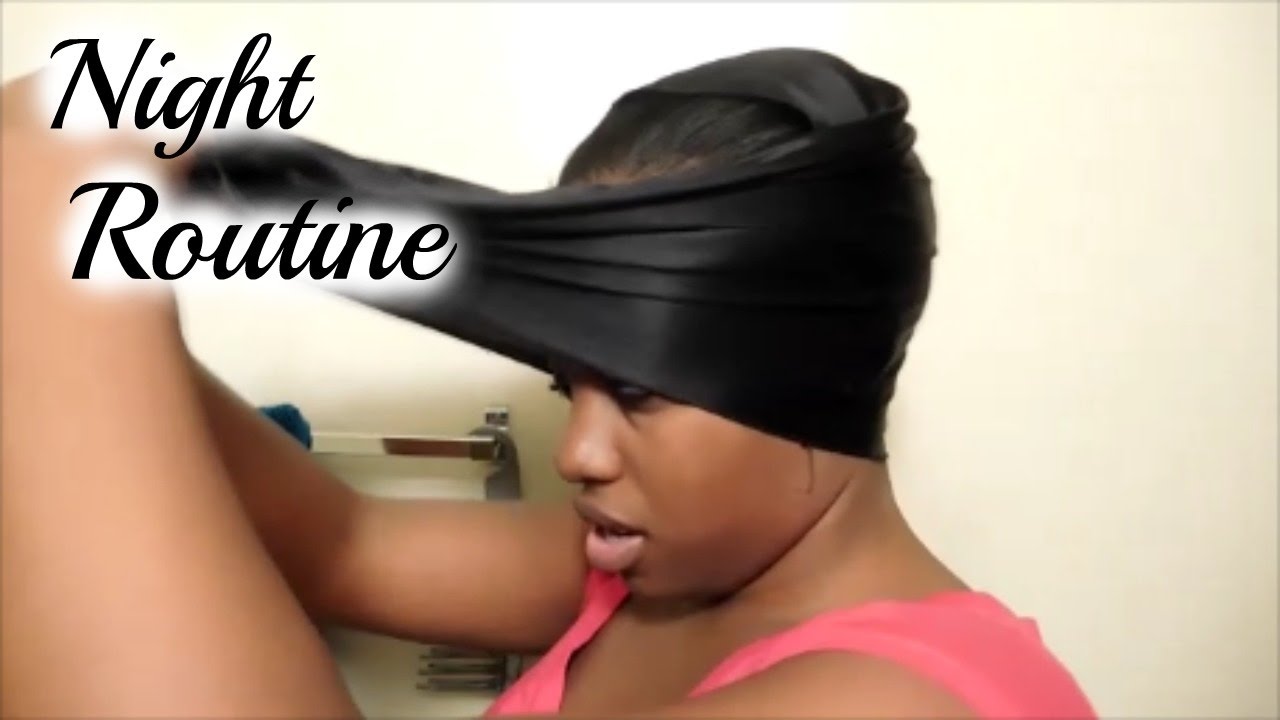 Common questions answered for anyone new to overnight straightened hair care.
Source: youtube
Common questions answered for anyone new to overnight straightened hair care.
Source: youtube
Will a loose ponytail create a dent in my straight hair?
A loose ponytail secured at the nape of your neck with a silk scrunchie will not create a noticeable dent, as long as you don’t pull the hair tight. If you’re worried about marks, opt for a loose pineapple style or a silk bonnet instead, which put no pressure on the hair shaft.
Is a silk pillowcase really necessary for straightened hair?
While not strictly mandatory, silk pillowcases reduce friction by far more than cotton, which means less frizz, fewer split ends, and longer-lasting styles. If you don’t want to invest in a full set, even one silk pillowcase will make a noticeable difference. For tips on keeping your bedding clean and hair-friendly, pillowcase care basics explain how to wash silk and bamboo fabrics without damage.
Can I use a regular cotton scrunchie for my nighttime hairstyle?
No — regular cotton scrunchies have a rough texture that catches on hair, causing frizz and breakage. Always opt for 100% silk or satin scrunchies for overnight use, as their smooth surface won’t damage the hair cuticle.
How long will my straightened hair last with these tips?
With consistent use of these tips, straightened hair will typically last 3 to 5 days, even with daily activity. If you live in a high-humidity climate, you may need to add a light anti-humidity spray to your routine for extra hold.
Is it bad to sleep with a bonnet every night?
No, as long as the bonnet is loose enough that it doesn’t pull at your roots. Tight bonnets can cause traction alopecia over time, so opt for styles with wide, soft elastic bands, and wash your bonnet once a week to avoid product buildup. If you find bonnets uncomfortable, keeping hair off your face overnight has great alternative options for all hair types.
Can I sleep with straightened hair if I exercise in the morning?
Yes — just tie your hair in a loose low ponytail or bun before bed, and avoid applying heavy products that will weigh it down. If you sweat a lot overnight, you can place a silk scarf over your hair to absorb excess moisture without causing friction.
Final Thoughts
Sleeping with straightened hair doesn’t have to mean waking up to frizz, dents, and wasted styling time. The 7 tips above are low-effort, hair-health-first steps that work for all hair lengths and types, no fancy products or tools required. Start with 2 to 3 tips tonight — like switching to a silk pillowcase and letting your hair cool before bed — and you’ll notice a difference in your hair’s smoothness by morning.
For more expert-backed hair and sleep guides, browse our full library of tips to keep your hair and rest routine in top shape. If you wear other styled hair types overnight, our guide to protecting styled hair overnight works for wavy, curly, and straightened hair alike.
Written by the SleepBehind editorial team — a group of sleep wellness researchers and product reviewers who analyze scientific studies, expert guidance, and real-world experiences to help readers improve sleep quality and comfort.