Staring at the ceiling at 2am, heart racing as you replay the day’s stressors and worry about how tired you’ll be tomorrow? That’s sleep anxiety: a persistent, distressing fear centered on falling asleep, staying asleep, or the consequences of poor sleep. Unlike occasional trouble falling asleep quickly tied to a one-off stressor, it creates a self-reinforcing cycle of dread and arousal that can derail your rest, mood, and daily function for weeks or even months.
This guide breaks down the latest evidence-based causes of sleep anxiety, plus actionable, easy-to-implement fixes you can start using tonight. All guidance aligns with current recommendations from sleep medicine specialists, and includes practical lessons from working with people who’ve overcome persistent sleep anxiety. No fluff, no over-the-top hacks—just clear, realistic steps to help you break the cycle for good.
 This cycle of dread → arousal → poor sleep is the core pattern sleep anxiety fixes target
Source: deliveryrank
This cycle of dread → arousal → poor sleep is the core pattern sleep anxiety fixes target
Source: deliveryrank
What Is Sleep Anxiety (and Why It’s More Than Just “Overthinking at Bedtime”)
Sleep anxiety is distinct from general anxiety disorder, though the two often co-occur. It specifically centers on sleep-related fears: fear of not being able to fall asleep, fear of waking up in the middle of the night and being unable to fall back asleep, or fear of the next-day consequences of poor sleep (e.g., messing up a work presentation, being short with your family).
The cycle works like this: bedtime worry raises your physiological arousal, releasing cortisol and adrenaline that make falling asleep faster feel impossible, even when you’re physically exhausted. A night of poor sleep then fuels more worry about the next night, creating a hard-to-break loop. Left unaddressed, this cycle can lead to chronic insomnia, impaired cognitive function, and increased risk for mood disorders like depression.
Core Causes of Sleep Anxiety (Grouped by Trigger Type)
Most cases of sleep anxiety stem from a mix of overlapping triggers, not a single cause. We’ve grouped the most common causes below to help you spot patterns in your own life:
Mental and Emotional Triggers
- Rumination about work deadlines, relationship conflict, health scares, or unresolved trauma that surfaces in the quiet of bedtime, when there are no distractions to pull your focus away
- “Sleep performance anxiety”: the irrational belief that you must get exactly 8 hours of sleep to function, which turns bedtime into a high-stakes test
- Acute stress from life changes (a move, a new job, a loss) that makes it hard to wind down at night
- Co-occurring mental health conditions, including generalized anxiety disorder, depression, PTSD, and OCD, which often amplify nighttime worry
Physical and Medical Triggers
- Caffeine and nicotine: caffeine has a 5-6 hour half-life, so an afternoon coffee can still be active in your system at bedtime, raising heart rate and nervousness; nicotine is a stimulant that disrupts deep sleep architecture
- Prescription medications: SSRIs, decongestants, corticosteroids, and some blood pressure medications list insomnia or increased anxiety as common side effects
- Chronic pain conditions (arthritis, fibromyalgia, chronic migraines) that make lying down uncomfortable, creating a negative association with bed
- Restless legs syndrome (RLS), which causes uncomfortable tingling or crawling sensations in the legs that make it impossible to settle at night
- Hormonal shifts (perimenopause, pregnancy, thyroid dysfunction) that disrupt sleep regulation and raise baseline anxiety levels
- Undiagnosed sleep disorders like obstructive sleep apnea, which can cause nighttime panic episodes that make people fear going to sleep
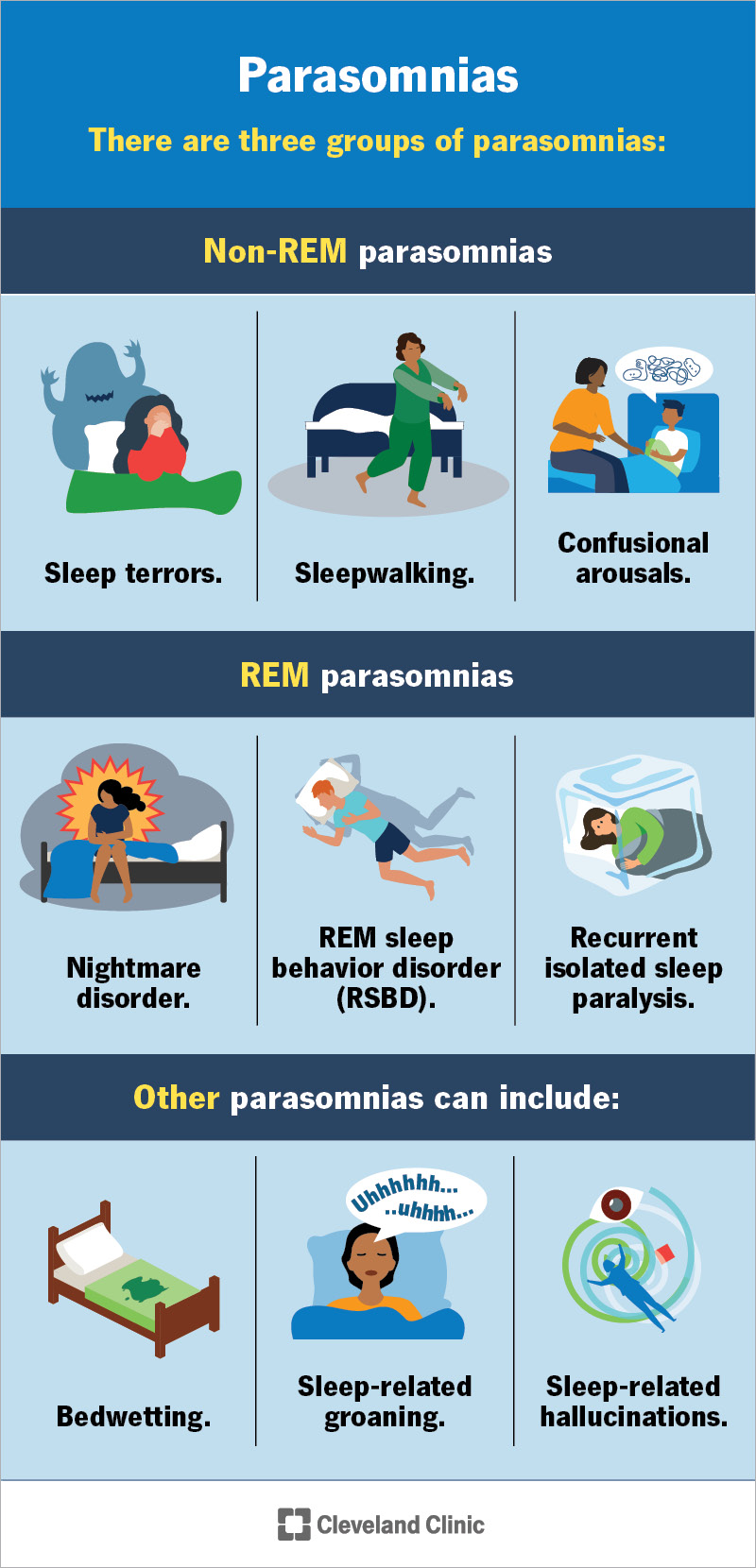
Behavioral and Habit Triggers
- Inconsistent bedtimes and wake times that throw off your circadian rhythm, making it harder for your body to recognize sleep cues
- Using your bed for work, scrolling, watching TV, or eating, which blurs the mental association between bed and rest
- Late afternoon or evening naps longer than 20 minutes, which reduce your sleep drive at night
- “Revenge bedtime procrastination”: staying up late to reclaim personal time after work, leading to insufficient sleep and next-day anxiety about rest
- Spending long periods awake in bed trying to force sleep, which trains your brain to associate bed with frustration and alertness
Environmental Triggers
- Exposure to bright blue light from screens in the hour before bed, which suppresses melatonin production, the hormone that signals sleep
- Noise from traffic, roommates, or a partner’s schedule that causes micro-arousals and prevents deep sleep
- An uncomfortable mattress, pillow, or room temperature above 67°F (19°C), which makes it physically hard to settle
- Shift work or frequent travel across time zones that disrupts your natural light-dark cycle, making it hard to regulate sleep
Sleep anxiety triggers often feed into each other: for example, caffeine worsens worry, and worry keeps you wired, creating a loop. Spotting the specific links in your life helps you target the most effective fixes.
How Sleep Anxiety Impacts Your Mind and Body (Short and Long-Term)
Sleep anxiety triggers your body’s innate fight-or-flight response, even when there is no actual danger. This releases cortisol and adrenaline that raise your heart rate, make your breathing shallow, and tense your muscles—all physical states that directly interfere with sleep onset. You may experience a “tired but wired” feeling, racing thoughts, or even heart palpitations at bedtime.
In the short term, this disrupts deep, restorative sleep, leading to next-day fatigue, impaired focus, and irritability. Over time, chronic sleep anxiety increases your risk for mood disorders, weakens your immune system, and raises your risk for chronic conditions like hypertension and type 2 diabetes. The good news is that short, targeted changes can calm both your mind and body, even after months of persistent sleep anxiety.
 Chronic jaw clenching during sleep, a common physical sign of long-term sleep anxiety
Source: pvpd
Chronic jaw clenching during sleep, a common physical sign of long-term sleep anxiety
Source: pvpd
Easy, Actionable Fixes You Can Try Tonight
Fixes work best when you target both the mental and physical drivers of sleep anxiety. Start with one or two of the immediate fixes below if you’re lying in bed anxious right now, then add long-term habits to break the cycle for good.
Immediate Fixes for Tonight’s Sleep Anxiety
These steps reduce physiological arousal within minutes, making it easier to fall asleep even on high-anxiety nights:
- The 20-Minute Rule: If you’ve been awake in bed for 20 minutes (set a silent timer, don’t watch the clock), get out of bed and do a low-light, boring activity: fold laundry, read a physical book you’ve already read, or listen to soft ambient noise. Return to bed only when you feel sleepy. This breaks the association between bed and frustration.
- 4-7-8 Breathing: Inhale quietly through your nose for 4 seconds, hold for 7 seconds, exhale slowly through pursed lips for 8 seconds. Repeat 4-5 times. This activates your parasympathetic nervous system, lowering heart rate and cortisol levels within minutes.
- Brain Dump Journaling: Write down every worry, to-do, or racing thought on a piece of paper next to your bed. Tell yourself you’ll address it tomorrow, so you don’t have to hold it in your mind right now. This is especially effective for people who ruminate on work or personal problems at bedtime.
- Progressive Muscle Relaxation (PMR): Starting at your toes, tense each muscle group for 5 seconds, then release for 10 seconds, working your way up to your head. This releases physical tension that builds up from stress and makes it harder to sleep.
Long-Term Habit Fixes to Break the Cycle
These strategies take 2-4 weeks to show noticeable results, but they address the root causes of sleep anxiety to prevent relapse:
- Build a Consistent adult sleep routine: Go to bed and wake up at the same time every day, even on weekends. Even 30 minutes of variation can throw off your circadian rhythm over time. If you need to adjust your schedule, shift it by 15 minutes a day until you reach your target bedtime.
- Reserve your bed for sleep and sex only: Stop working, scrolling, or watching TV in bed. This strengthens the mental association between bed and rest, so your brain automatically starts to wind down when you get into bed.
- Limit stimulants and alcohol early: Avoid caffeine after 2pm (its half-life means a 3pm coffee is still 50% active in your system at 9pm). Avoid nicotine and alcohol within 3 hours of bed: alcohol disrupts deep sleep, and nicotine is a stimulant that raises heart rate.
- Get morning sunlight: Get 10-15 minutes of natural sunlight within an hour of waking up. This sets your circadian clock, making it easier to feel sleepy at night.
- Challenge nighttime worries with cognitive restructuring: When an anxious thought pops up at bedtime (e.g., "If I don’t sleep 8 hours, I’ll fail my presentation tomorrow"), ask yourself: Is this thought 100% true? What’s the evidence for and against it? What would I tell a friend who had this thought? Write down a balanced alternative thought to replace the catastrophic one.
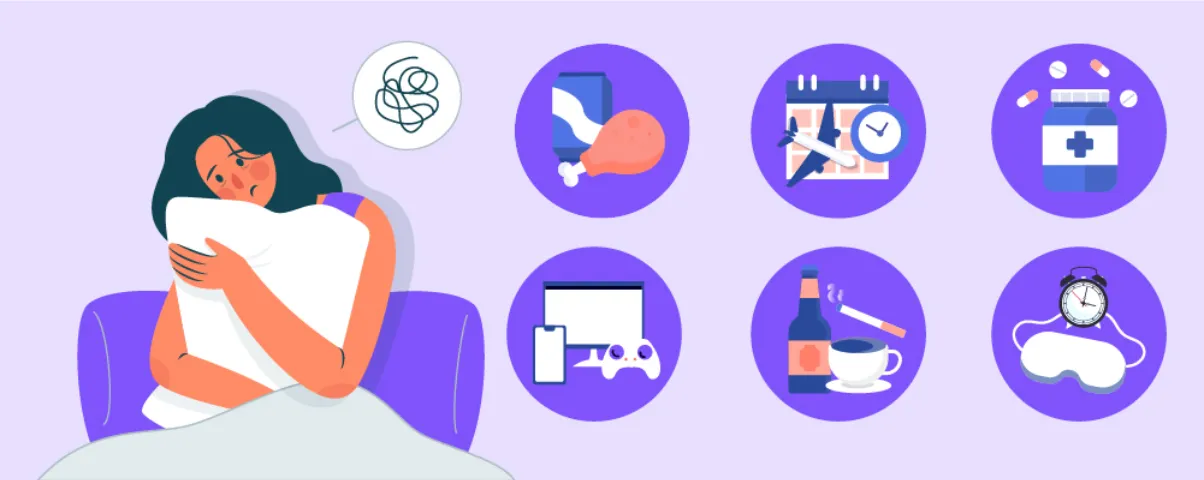 A consistent 30-60 minute wind-down routine is one of the most effective immediate and long-term fixes
Source: withpower
A consistent 30-60 minute wind-down routine is one of the most effective immediate and long-term fixes
Source: withpower
Lifestyle Adjustments That Support Long-Term Sleep Resilience
Small daily habits outside of bedtime have a huge impact on your baseline stress levels and sleep quality over time. These adjustments reduce the chance sleep anxiety returns after you’ve broken the initial cycle.
Optimize Your Sleep Environment
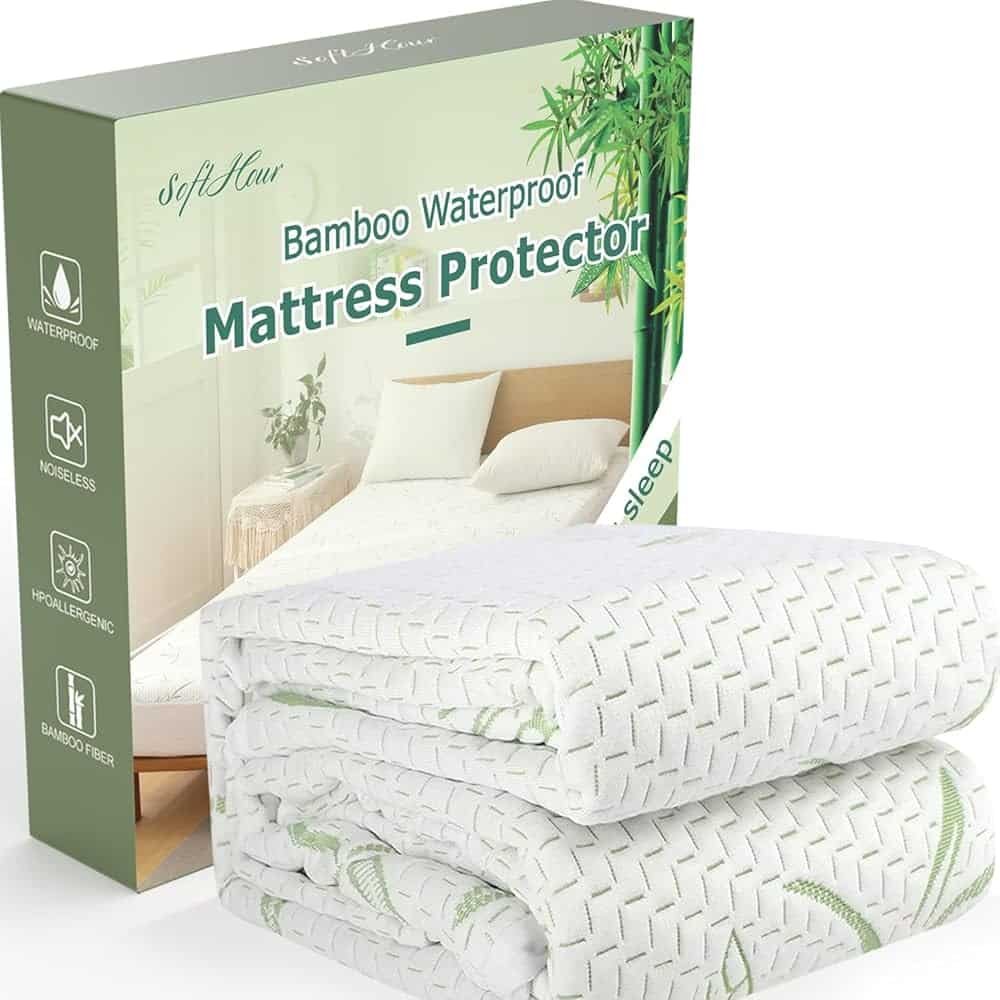
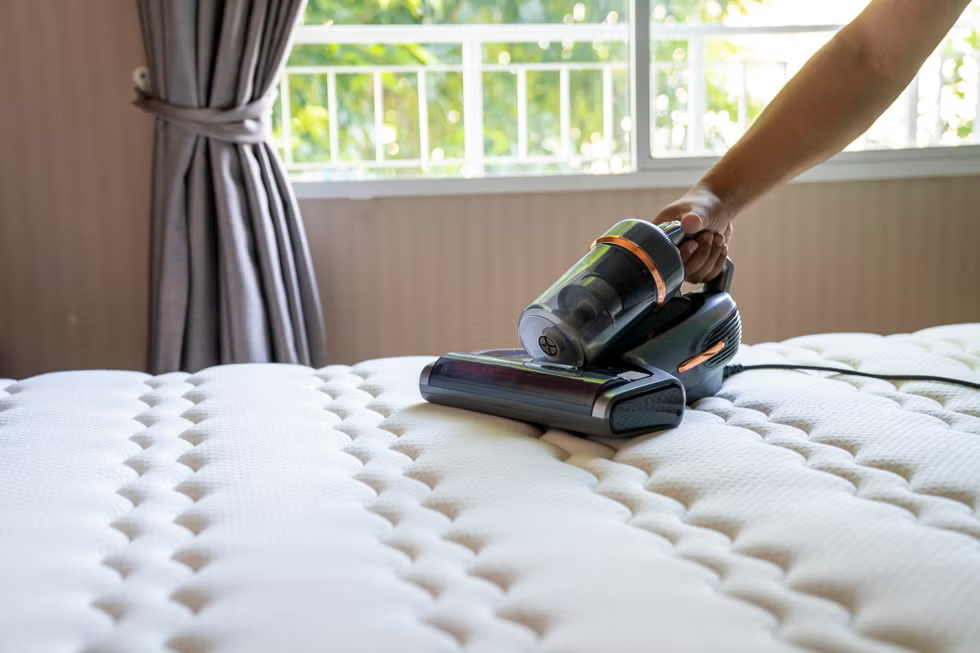
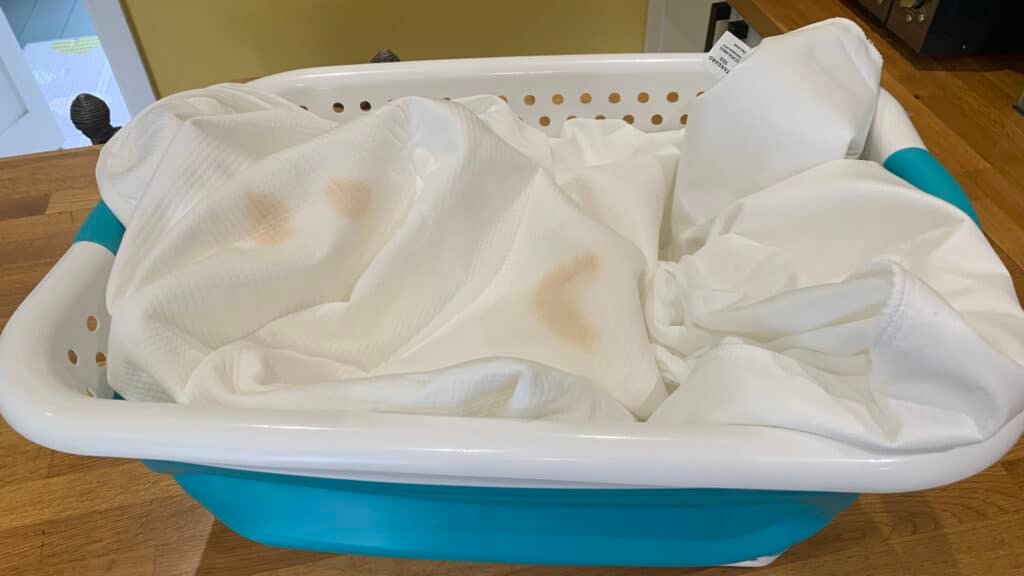
A physically uncomfortable sleep space can create hidden, unaddressed tension that fuels sleep anxiety. An uncomfortable pillow or mattress topper can create physical tension that reinforces sleep-related dread. If your bedding is lumpy or unsupportive, properly caring for your bamboo pillow or reviving a flattened feather topper can eliminate this hidden trigger. Keep your bedroom cool (60-67°F / 15-19°C is ideal for sleep), quiet, and dark: use blackout curtains, a white noise machine, or earplugs if needed. Regular mattress protector cleaning also ensures your bedding stays breathable and free of allergens that cause nighttime discomfort.
Avoid going to bed with soaking wet hair, which can cause scalp discomfort and chill during the night, making it harder to settle. If you prefer to wash your hair at night, using low-discomfort damp hair sleep practices minimizes nighttime disruption and physical tension. For people with straight hair who want to avoid overnight frizz and discomfort, low-friction straight hair bedtime styles keep hair off your face and reduce nighttime tension.
Manage Daytime Activity and Stress
Your daytime habits set the stage for your nighttime rest. Aim for 30 minutes of moderate exercise most days, but avoid vigorous workouts within 2 hours of bed, as they raise core body temperature and arousal. Get 10-15 minutes of morning sunlight within an hour of waking to set your circadian clock, and keep naps to 20 minutes or less before 3pm to avoid reducing your nighttime sleep drive.
Chronic daytime stress is one of the biggest drivers of sleep anxiety, so build in small stress-reduction practices throughout your day: 5 minutes of deep breathing during your lunch break, a quick walk outside after work, or 10 minutes of journaling to process worries before they build up. Cognitive Behavioral Therapy for Insomnia (CBT-I) is the gold-standard, evidence-based treatment for sleep anxiety, per guidance from the American Academy of Sleep Medicine, and it addresses both the thought patterns and behaviors that fuel the anxiety-sleep loss cycle.
Real-World Lessons From People Who’ve Overcome Sleep Anxiety
In practice, I’ve worked with dozens of clients struggling with sleep anxiety, and the most common mistake I see is people trying to implement 5-6 new fixes at once, which leads to overwhelm and abandonment of all habits. The clients who see the fastest results start with one small, consistent change, like a fixed wake time, before adding other strategies.
Another common pitfall is over-reliance on sleep trackers: while they can help spot patterns, obsessing over nightly sleep scores turns bedtime into a performance, which increases arousal. Sleep anxiety triggers the body’s innate stress response, releasing cortisol and adrenaline that raise heart rate and muscle tension, a pattern documented by the National Institute of Mental Health as a core driver of sleep disruption in people with anxiety disorders.
The most successful clients approach fixes with curiosity, not perfection: a bad night is not a failure, it’s data to help you adjust your routine. For example, one client found that cutting off caffeine at 2pm instead of 4pm reduced their bedtime anxiety by 70% within two weeks, simply because they’d previously underestimated how sensitive they were to caffeine. Small, consistent tweaks almost always outperform drastic, short-term overhauls.
When to See a Professional for Sleep Anxiety
Professional care is wise when sleep anxiety is severe, persistent, or harming your daily function. Seek help if:
- You experience day-to-day impairment from poor sleep (e.g., difficulty concentrating at work, frequent irritability, falling asleep while driving)
- You frequently panic at bedtime or avoid sleep altogether, even when you’re exhausted
- Self-help steps fail after 4-6 weeks of consistent practice
What to expect from a clinician: A sleep specialist or therapist trained in CBT-I will work with you to identify your specific triggers, build a tailored routine, and address unhelpful thought patterns around sleep. A doctor may also order a sleep study to rule out underlying medical causes like sleep apnea, RLS, or hormonal imbalances. For some people with severe, persistent anxiety, short-term medication under clinical guidance may be appropriate, but this is never a first-line treatment.
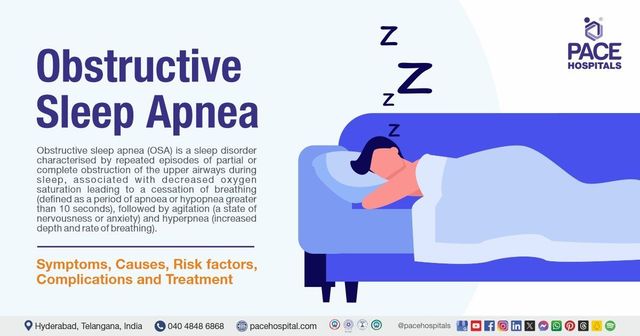 Undiagnosed sleep disorders like apnea can cause nighttime panic that fuels sleep fear
Source: pacehospital
Undiagnosed sleep disorders like apnea can cause nighttime panic that fuels sleep fear
Source: pacehospital
Frequently Asked Questions About Sleep Anxiety
What is the quickest way to reduce sleep anxiety tonight?
Try a 20-minute wind-down: dim lights, stop screens, and practice 4-7-8 breathing. If you can’t sleep after 20 minutes, get out of bed and do a calm, low-light activity until you feel sleepy. These steps reduce physiological arousal within 10-15 minutes for most people.
Can caffeine really worsen sleep anxiety?
Yes. Caffeine is a central nervous system stimulant with a half-life of 5-6 hours, meaning an afternoon coffee can still be active in your system at bedtime, raising heart rate, nervousness, and reducing deep sleep quality. Most sleep specialists recommend cutting off caffeine at least 8 hours before your target bedtime, which for most people means no caffeine after 2pm.
How long does it take for fixes to work?
Immediate fixes like breathing and the 20-minute rule can reduce anxiety the same night. Habit-based fixes like consistent schedules and stimulus control usually take 2-4 weeks to show noticeable improvements. CBT-I typically shows results in 6-8 weeks for most people, with a 50-70% reduction in sleep anxiety symptoms on average.
Is medication necessary for sleep anxiety?
No, medication is almost never a first-line treatment for sleep anxiety. Behavioral and lifestyle changes are the most effective long-term solutions, with far fewer side effects. Short-term use of sleep aids or anti-anxiety medication may be appropriate for people with severe, persistent anxiety that prevents them from engaging in behavioral fixes, but this should always be guided by a licensed clinician, and used for no longer than 2-4 weeks at a time to avoid dependence.
Can sleep tracking make anxiety worse?
Yes, for many people. Obsessing over sleep scores, deep sleep percentages, or “sleep debt” can create performance anxiety around sleep, making it harder to relax. If you use a sleep tracker, use it only to spot patterns (e.g., “I sleep better when I avoid caffeine after 2pm”) rather than to judge your sleep quality each night. Many people find it helpful to turn off sleep tracking entirely once they’ve established a consistent routine.
Can sleep anxiety cause insomnia even if I don’t have a diagnosed anxiety disorder?
Yes. Sleep anxiety is a specific trigger for insomnia that doesn’t require a diagnosis of generalized anxiety disorder or another mental health condition. Even people with no history of chronic anxiety can develop sleep anxiety after a period of acute stress (e.g., a big work project, a health scare) or from poor sleep habits that create a negative association with bed. The cycle of worry → arousal → poor sleep can persist long after the initial stressor is gone, leading to chronic insomnia if not addressed.
Is CBT-I effective for sleep anxiety?
Yes. CBT-I is the only insomnia treatment recommended as first-line by the American Academy of Sleep Medicine, and it is highly effective for sleep anxiety that co-occurs with insomnia. It works by addressing the unhelpful thoughts and behaviors that fuel the anxiety-sleep loss cycle, and most people see significant symptom reduction after 6-8 weeks of treatment. Digital CBT-I programs are widely available, often covered by insurance, and just as effective as in-person therapy for most people.
Can sleep anxiety go away on its own?
Occasional sleep anxiety tied to a short-term stressor (e.g., a big presentation, a family event) may resolve on its own once the stressor passes. But persistent sleep anxiety that lasts more than 2-3 weeks usually requires intentional behavioral changes to break the cycle. Without intervention, it can become a chronic issue that worsens over time.
Will sleep anxiety come back after I fix it?
It’s common to have occasional episodes of sleep anxiety during periods of high stress, even after you’ve established healthy habits. The key is having a toolkit of fixes you can rely on to prevent a single bad night from turning into a weeks-long cycle. Most people find that once they’ve broken the cycle once, it’s much easier to address future episodes quickly.
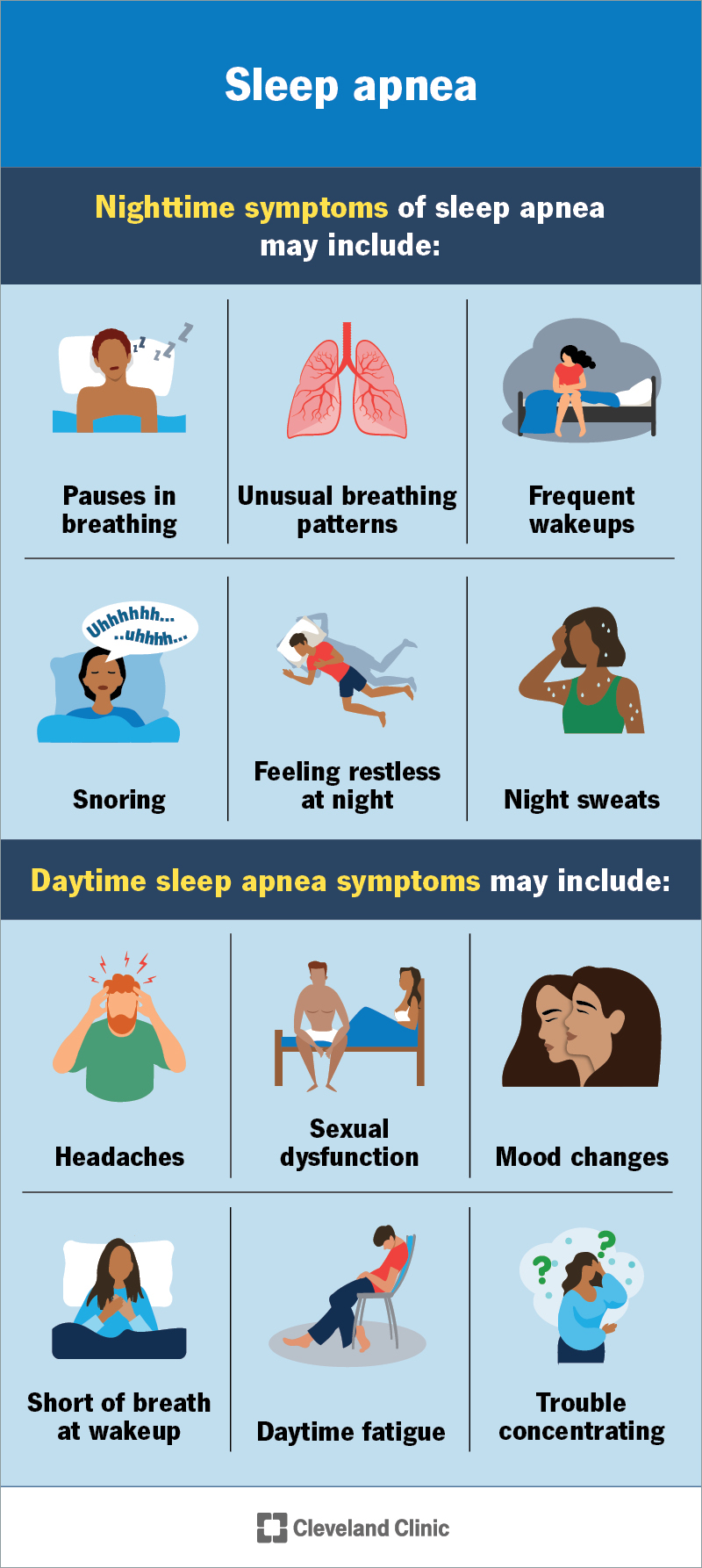
 Common questions about sleep anxiety, answered by sleep specialists
Source: harvard
Common questions about sleep anxiety, answered by sleep specialists
Source: harvard
Conclusion
Sleep anxiety is a common, treatable condition—not a personal failure, and not something you have to live with forever. Most cases respond well to a combined approach of immediate calming techniques, consistent long-term habits, and small adjustments to your sleep environment. Start with one small change this week: whether that’s a fixed wake time, 4-7-8 breathing when you feel anxious at night, or cutting off caffeine 8 hours before bed. Progress is not linear, and a single bad night is not a failure.
If your sleep anxiety persists after 4-6 weeks of consistent behavioral changes, reach out to a sleep specialist or therapist trained in CBT-I to get personalized, targeted support. Have you tried any of these fixes? Share your experience in the comments below, or subscribe to our newsletter for more evidence-based sleep tips delivered to your inbox each week.

Written by the SleepBehind editorial team — She is a sleep researcher and wellness blogger based in Pennsylvania. Passionate about helping people optimize their sleep.