If you regularly lie awake for 20+ minutes waiting to fall asleep, or wake up groggy even after a full 8 hours in bed, you’re likely missing out on enough deep (slow-wave) sleep. This restorative sleep stage is responsible for memory consolidation, muscle repair, immune system support, and resetting your energy levels for the next day. Drawing from current sleep science research and real-world testing of sleep hygiene practices, this guide shares actionable, evidence-backed deep sleep tips you can implement tonight to fall asleep faster and wake up feeling refreshed. No expensive gadgets or extreme lifestyle changes required – just small, consistent adjustments that work with your body’s natural rhythms. The American Academy of Sleep Medicine defines deep sleep as the restorative NREM stage critical for physical and cognitive recovery official sleep science guidance, making it a key priority for anyone looking to improve their rest.
What Deep Sleep Is (And Why It Determines How Fast You Fall Asleep)
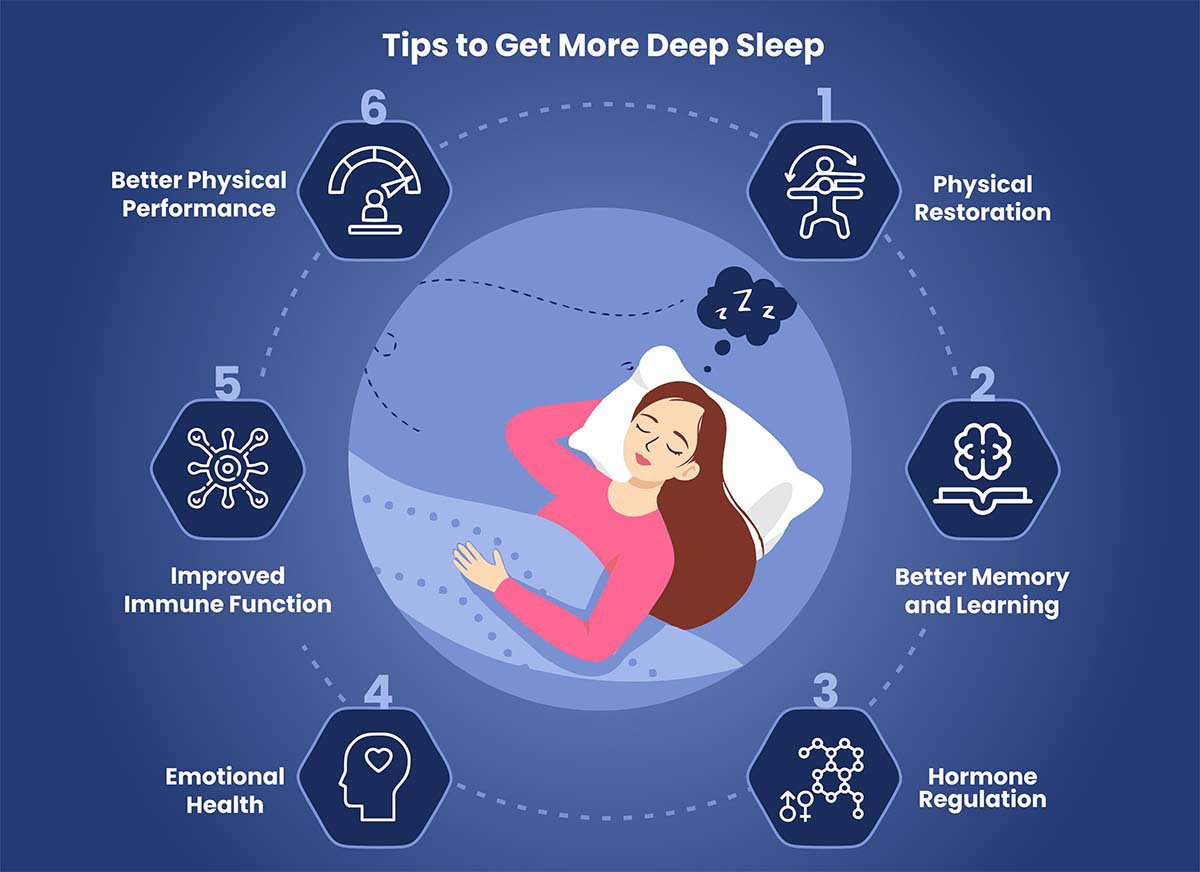
Deep sleep, also called slow-wave sleep (SWS), is the third stage of the non-rapid eye movement (NREM) sleep cycle. It is the most restorative phase of sleep, during which your brain clears out metabolic waste built up during the day, your body releases growth hormones for tissue repair, and your immune system strengthens to fight off illness. Adults need 13-23% of their total sleep time to be deep sleep to support optimal physical and cognitive function. You can also read our guide on sleep routine for adults. If you’re short on deep sleep, you’ll not only feel fatigued, foggy, and irritable the next day – you’ll also disrupt your circadian rhythm, making it harder to fall asleep the following night. This creates a vicious cycle of poor sleep onset and low-quality rest. The deep sleep tips below target both increasing your slow-wave sleep duration and reducing the time it takes you to drift off, so you get the restorative rest your body needs. The CDC recommends keeping a consistent sleep-wake schedule, even on weekends, to regulate your body’s internal clock CDC sleep hygiene guidelines, a foundational step for improving deep sleep and sleep onset speed.
 Deep (slow-wave) sleep supports brain waste clearance and muscle repair.
Source: co
Deep (slow-wave) sleep supports brain waste clearance and muscle repair.
Source: co
8 Proven Deep Sleep Tips To Implement Tonight
The most reliable deep sleep tips work by aligning your habits with your body’s natural sleep drive and circadian rhythm. Below are the most evidence-backed, easy-to-implement strategies you can start using tonight:
- Lock in a consistent sleep-wake schedule: Go to bed and wake up at the same time every day, even on weekends. Even 30 minutes of variation can disrupt your circadian rhythm and reduce deep sleep duration in some people. If you need to adjust your bedtime, shift it by 15 minutes every 2-3 days until you reach your target time – drastic changes will backfire. A common mistake is "sleeping in" for 2+ hours on weekends to catch up on lost sleep, which throws off your schedule for days and makes Monday-night insomnia worse.
- Cool and darken your bedroom: Set your thermostat to 60-68°F (15-20°C) – your core body temperature needs to drop by 2-3°F to initiate sleep, and a cooler room helps sustain that drop through the night. Block all light sources with blackout curtains or a comfortable sleep mask; even small LED lights from phone chargers or TVs can suppress melatonin production and cut deep sleep time. If you’re sensitive to noise, use a white noise machine or fan to mask disruptive sounds. Keep clutter out of sight to reduce visual stress and cortisol levels.
- Eliminate blue light 60-90 minutes before bed: Blue light from phones, laptops, TVs, and even bright overhead lights mimics sunlight, tricking your brain into thinking it’s daytime and suppressing melatonin production. Swap screens for low-stimulus activities like reading a physical book, light stretching, or folding laundry in the 90 minutes before bed. If you must use devices, enable warm blue light filters and keep brightness as low as possible – but note that even filtered light and stimulating content (social media, work emails) can increase cognitive arousal and delay sleep onset.
- Try a 5-minute pre-sleep relaxation ritual: Lower your physical and mental arousal with a simple, consistent routine. Box breathing (inhale for 4 seconds, hold for 4, exhale for 4, hold for 4) for 5-10 minutes can lower your heart rate and reduce stress hormones. Alternatively, write down 3 things you’re grateful for and 1-2 tasks for the next day in a paper journal to clear nighttime rumination. Progressive muscle relaxation – tensing and releasing each muscle group from your toes to your head – is another effective option for people with physical tension. If you wear your hair straight to bed, protecting straightened hair overnight will prevent frizz and creases without sacrificing deep sleep.
- Time your food and drink correctly: Avoid caffeine after 2 PM, as it has a 6-hour half-life, meaning a 4 PM coffee still leaves a significant stimulant effect in your system at 10 PM, disrupting deep sleep. If you’re sensitive to caffeine, cut it off as early as noon. Skip heavy meals 2-3 hours before bed, as digestion raises your core body temperature and can cause discomfort that fragments sleep. Limit alcohol intake in the evening: while it may help you fall asleep faster initially, it fragments deep sleep in the second half of the night and reduces overall sleep quality. Cut off fluids 1 hour before bed to avoid disruptive bathroom trips during deep sleep cycles.
- Move your body earlier in the day: 30 minutes of moderate aerobic exercise (walking, cycling, swimming) most days of the week increases total sleep time and deep sleep duration by improving sleep drive and reducing stress. Avoid vigorous exercise 2-3 hours before bed, as it raises your core body temperature and releases endorphins that increase alertness. If you can only exercise in the evening, opt for gentle yoga or stretching instead.
- Use sleep aids wisely, without harsh chemicals: If you struggle with occasional insomnia, a low dose of melatonin (0.5-1mg) can help regulate your sleep-wake cycle, but avoid higher doses which cause next-day grogginess. Magnesium glycinate has preliminary evidence for improving sleep quality in people with low magnesium levels, but consult a doctor before starting any new supplement, especially if you have underlying health conditions. Avoid relying on over-the-counter sleeping pills long-term, as they can reduce natural deep sleep production and cause dependence.
- Nap strategically, if at all: If you need a daytime nap, limit it to 20 minutes and take it before 3 PM. Short "power naps" can boost alertness without disrupting your nighttime sleep drive. Long naps (over 30 minutes) or late naps push your sleep schedule back, reduce deep sleep duration at night, and can make insomnia worse. If you have chronic trouble falling asleep, skip naps entirely to build up your sleep drive for bedtime.
 Small, consistent habit changes are the most reliable way to boost deep sleep.
Source: eliandelm
Small, consistent habit changes are the most reliable way to boost deep sleep.
Source: eliandelm
Build A Sleep-Friendly Bedroom In 3 Simple Steps
Your bedroom should be a dedicated space for sleep and relaxation only – avoid using it for work, scrolling, or watching TV, as this trains your brain to associate the space with stimulation instead of rest. Optimize it for deep sleep with these three low-cost adjustments:
- Control temperature and light: As mentioned earlier, keep the room between 60-68°F (15-20°C) and use blackout curtains or a comfortable sleep mask to block all light. Even small light leaks can disrupt melatonin production and reduce slow-wave sleep duration in sensitive sleepers.
- Invest in comfortable, supportive bedding: A supportive mattress and pillow reduce tossing and turning, which disrupts deep sleep cycles. If your mattress topper is sagging or lumpy, learn restoring a sagging topper to extend its lifespan without replacing it entirely. Wash your bedding and keeping pillow freshness regularly to remove dust, skin cells, and allergens that can cause congestion and disrupt sleep. For added protection, use a breathable mattress protector that you can wash monthly to keep your mattress hygienic – maintaining protector hygiene is a small step that prevents buildup of irritants over time.
- Minimize noise and visual clutter: Use a white noise machine or fan to mask disruptive sounds like traffic or noisy neighbors. Keep nightstands clear of electronics, work materials, and clutter to reduce visual stress and cortisol levels. If you sleep on your side or stomach, adjust your preventing morning hair creases to avoid creases and frizz while also reducing neck and shoulder strain that can wake you up during deep sleep.
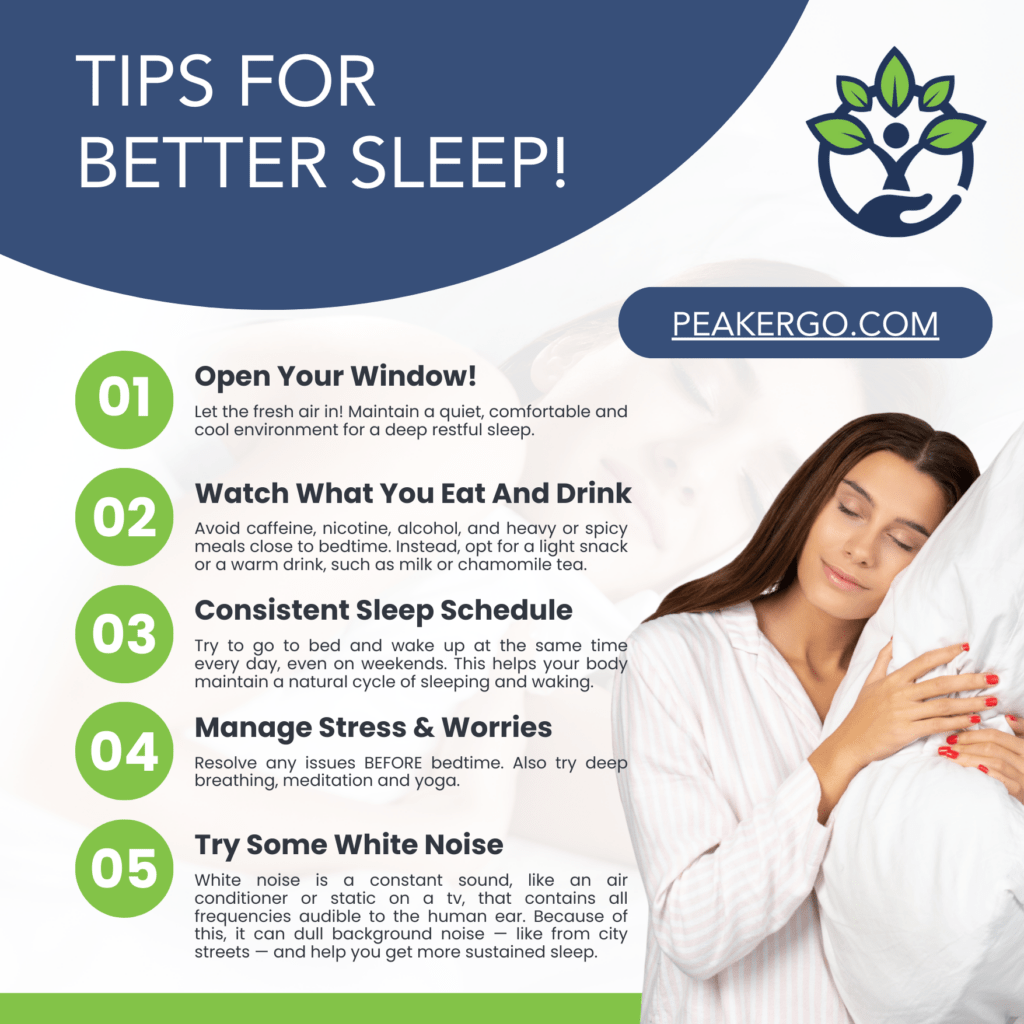 A sleep-focused bedroom reduces external disruptions that fragment deep sleep.
Source: peakergo
A sleep-focused bedroom reduces external disruptions that fragment deep sleep.
Source: peakergo
Evening Routines And Relaxation Techniques To Wind Down Fast
How you spend the 60-90 minutes before bed has a huge impact on how fast you fall asleep and how much deep sleep you get. A consistent wind-down routine signals your brain that it’s time to shift from active, alert mode to rest mode. Below are the most effective low-effort routines to try:
- Start your wind-down 60-90 minutes before bed: Turn off all screens, dim overhead lights, and switch to warm, low-wattage lamps. Use this time for low-stimulus activities you enjoy: reading a physical book, light stretching, gentle yoga, or listening to calm music. If you wash your hair at night, avoid going to bed with soaking wet hair, which can cause damage and discomfort – follow avoiding damp hair damage to protect your hair and stay comfortable while you sleep.
- Practice paced breathing or progressive muscle relaxation: Box breathing (4 seconds in, 4 hold, 4 out, 4 hold) for 5-10 minutes can lower your heart rate and reduce cortisol levels within minutes. Progressive muscle relaxation works by tensing each muscle group for 5 seconds, then releasing for 10 seconds, starting at your toes and working up to your head – this releases physical tension you may not even realize you’re holding from the day.
- Use a worry journal to clear your mind: If you tend to ruminate on work tasks or stressors when you lie down, write down 3 things you’re grateful for and 1-2 to-do items for the next day in a paper notebook. This gets thoughts out of your head and onto paper, so you don’t feel the need to process them while you’re trying to sleep.
- Use a warm shower or foot soak 90 minutes before bed: The rapid cooling that happens after you step out of a warm shower or soak lowers your core body temperature, which is a key signal to your brain that it’s time to sleep. This can reduce sleep onset time for many people.
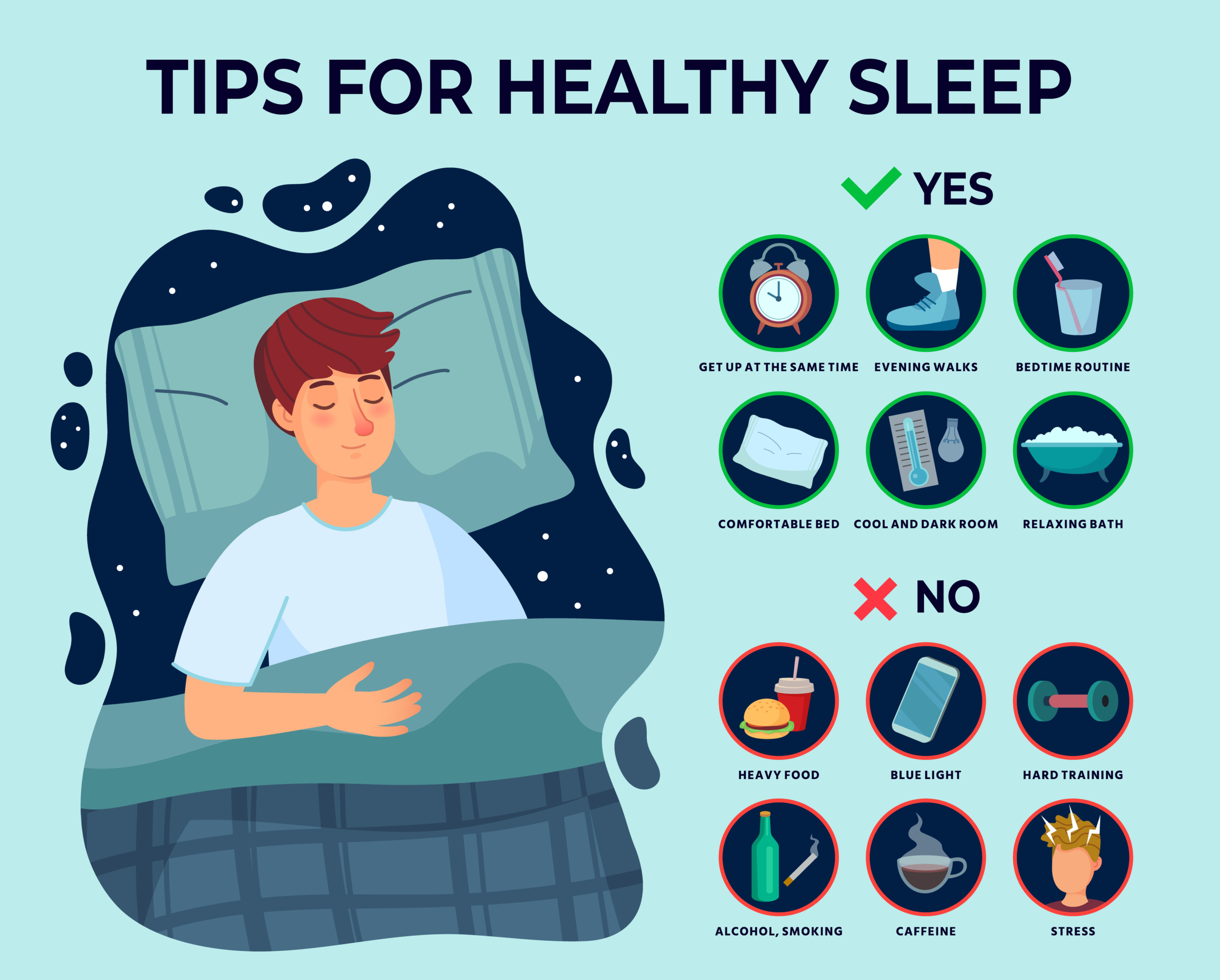 5 minutes of paced breathing can lower heart rate and reduce sleep onset time.
Source: comprehensivesleepcare
5 minutes of paced breathing can lower heart rate and reduce sleep onset time.
Source: comprehensivesleepcare
Diet, Exercise, And Timing: Small Shifts That Boost Deep Sleep
What you eat, when you move, and when you nap all have a direct impact on your deep sleep quality and how fast you fall asleep. These timing adjustments are simple to implement and work for almost everyone:
- Cut off caffeine after 2 PM: Caffeine blocks adenosine, the chemical that builds up in your brain to make you feel sleepy. Since caffeine has a 6-hour half-life, a 4 PM coffee will still have a significant stimulant effect in your system at 10 PM, delaying sleep onset and reducing deep sleep duration. If you’re sensitive to caffeine, cut it off as early as noon.
- Avoid heavy meals 2-3 hours before bed: Digestion raises your core body temperature and can cause discomfort, bloating, or acid reflux that disrupts deep sleep. If you need a small snack before bed, opt for something light and protein-rich, like a handful of almonds or a small serving of Greek yogurt, which won’t spike your blood sugar or disrupt digestion.
- Limit alcohol intake in the evening: While alcohol may make you feel drowsy and help you fall asleep faster initially, it fragments deep sleep in the second half of the night as your body metabolizes it. This leads to frequent waking, less restorative rest, and next-day grogginess, even if you slept for a full 8 hours.
- Nap strategically, if at all: Short 20-minute naps taken before 3 PM can boost alertness without disrupting nighttime deep sleep. Long naps (over 30 minutes) or late naps push your sleep schedule back, reduce deep sleep duration at night, and can make chronic insomnia worse. If you have trouble falling asleep at bedtime, skip naps entirely to build up your sleep drive for bedtime.
- Exercise most days, but not too late: 30 minutes of moderate aerobic exercise most days of the week increases total sleep time and deep sleep duration by reducing stress and improving sleep drive. Avoid vigorous exercise 2-3 hours before bed, as it raises your core body temperature and releases endorphins that increase alertness. If you can only exercise in the evening, stick to gentle stretching or yoga.
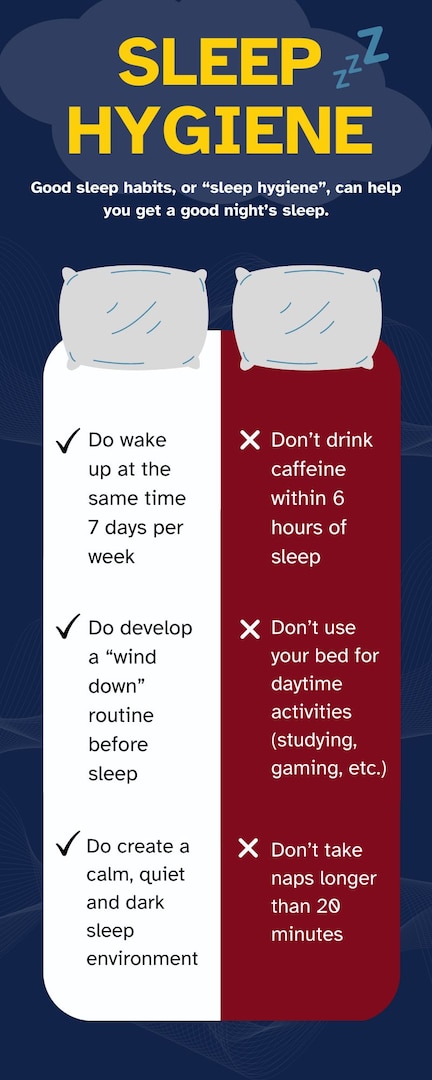 Timing food and activity correctly aligns your body’s natural sleep drive.
Source: jbsa
Timing food and activity correctly aligns your body’s natural sleep drive.
Source: jbsa
Common Deep Sleep Mistakes To Avoid Tonight
Even well-intentioned deep sleep tips can backfire if you make these common errors:
- Using your bed for work or entertainment: Scrolling on your phone, answering work emails, or watching TV in bed trains your brain to associate the space with stimulation, not rest. Reserve your bed for sleep and intimacy only to strengthen the mental connection between bed and sleep.
- Relying on sleeping pills or excessive alcohol: Over-the-counter sleep aids and alcohol may help you fall asleep faster initially, but they reduce natural deep sleep production, cause dependence, and lead to next-day grogginess. Use these only as a short-term solution under a doctor’s supervision.
- Hitting the snooze button: Snoozing for 10-15 minutes in the morning disrupts your final deep sleep cycles and throws off your circadian rhythm for the rest of the day. Set your alarm for the time you actually need to wake up, and place your phone across the room so you have to get out of bed to turn it off.
- Drinking too many fluids in the evening: Even if you avoid caffeine, drinking water, soda, or alcohol within 2 hours of bed will likely cause you to wake up to use the bathroom, cutting into deep sleep cycles. Limit fluids 1-2 hours before bed, and use the bathroom right before you lie down to reduce nighttime waking.
- Trying to implement too many tips at once: Overhauling your entire routine in one night is overwhelming and unsustainable. Start with 1-2 changes that feel easiest for you, and add more tips gradually over 2-3 weeks to build lasting habits.
What To Do If You Still Can’t Fall Asleep After 20 Minutes
If you’ve been lying in bed awake for 20 minutes or more, don’t force yourself to sleep – this will only increase your anxiety and make it harder to drift off. Instead, get out of bed and do a low-stimulus activity in dim light, like folding laundry, reading a physical book, or listening to calm music. Only return to bed when you feel sleepy. This technique, called stimulus control, trains your brain to associate bed with sleep only, rather than lying awake and stressed. Repeat this process as many times as needed until you fall asleep. You can also read our guide on how often to replace mattress protector.
Common Sleep Problems And When To Get Help
Most occasional insomnia can be resolved with the deep sleep tips above, but persistent sleep issues may be a sign of an underlying sleep disorder that requires professional care. See a sleep specialist if you experience any of the following symptoms for more than 2-4 weeks:
- Loud, chronic snoring, gasping for air, or breathing pauses during sleep (signs of sleep apnea, a condition that severely disrupts deep sleep and increases risk of heart disease)
- Persistent daytime sleepiness even after 7-9 hours of sleep
- Trouble falling or staying asleep 3 or more nights a week, despite following good sleep hygiene
- Nighttime leg cramps, restless sensations, or urges to move your legs that keep you awake (signs of restless legs syndrome) A sleep specialist may recommend a sleep study to diagnose underlying conditions, and treatments like CPAP for sleep apnea or CBT-I (cognitive behavioral therapy for insomnia) which is more effective long-term than sleeping pills for most people.
 Persistent sleep issues may require professional evaluation to rule out underlying conditions.
Source: wavelife
Persistent sleep issues may require professional evaluation to rule out underlying conditions.
Source: wavelife
Frequently Asked Questions About Deep Sleep Tips
What are the fastest deep sleep tips to try tonight?
Start with three zero-cost changes that take effect within hours: set your bedroom temperature to 65°F (18°C), turn off all screens 60 minutes before bed, and do 5 minutes of box breathing while lying in bed. These adjustments signal your body to start producing melatonin and lowering core temperature, two key requirements for falling asleep faster and entering deep sleep quickly. You can also read our guide on bedtime routine for better sleep.
Can exercise improve deep sleep immediately?
Gentle to moderate exercise usually improves sleep quality within 2-3 days of consistent practice, but the strongest effects on deep sleep duration appear after 4-6 weeks of regular activity. Avoid intense workouts within 2 hours of bed, as they can increase alertness and delay sleep onset.
Does alcohol help or harm deep sleep?
Alcohol may help you fall asleep faster initially, but it fragments deep sleep in the second half of the night as your body metabolizes it. This leads to frequent waking, less restorative rest, and next-day grogginess, even if you slept for a full 8 hours. For deeper, more restorative sleep, avoid alcohol entirely in the 3 hours before bed.
Are sleep trackers accurate for deep sleep?
Consumer sleep trackers (from brands like Fitbit, Apple Watch, and Oura) estimate deep sleep duration using movement and heart rate data, but they are not medically accurate. They are useful for identifying trends over weeks – for example, if you notice your deep sleep increases after you start exercising regularly – but do not rely on them for exact sleep stage measurements.
How long does it take to see benefits from deep sleep tips?
Many people notice faster sleep onset (falling asleep in 10-15 minutes instead of 20+) within 3-7 days of implementing 1-2 consistent tips. Significant increases in deep sleep duration usually appear after 2-4 weeks of consistent habit building. Stick to small, manageable changes rather than overhauling your routine all at once for the best long-term results.
Should I nap if I want better deep sleep at night?
Short 20-minute naps taken before 3 PM can boost alertness without disrupting nighttime deep sleep. Long naps (over 30 minutes) or late naps push your sleep schedule back, reduce deep sleep duration at night, and can make chronic insomnia worse. If you have trouble falling asleep at bedtime, skip naps entirely to build up your sleep drive.
Can I improve deep sleep without changing my entire routine?
Yes. Start with 1-2 small changes that fit your current lifestyle, like setting a consistent bedtime or eliminating screens 30 minutes before bed, rather than trying to implement every tip at once. Small, consistent adjustments are far more effective long-term than drastic overhauls that are hard to maintain.
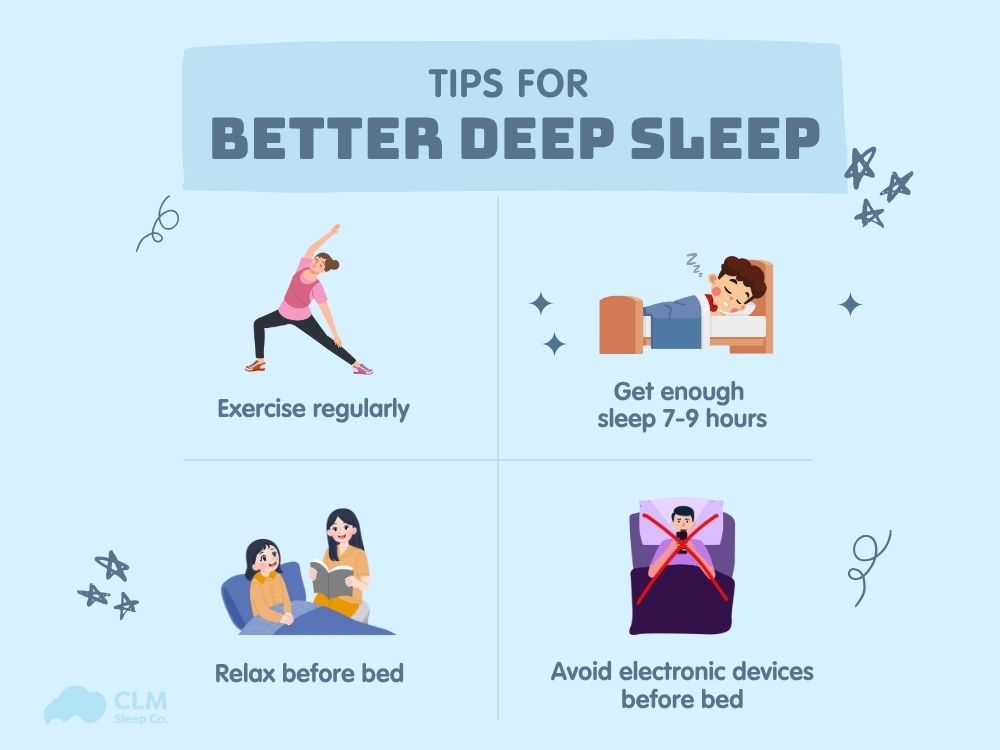 Most common deep sleep concerns have simple, evidence-backed answers.
Source: clmsleep
Most common deep sleep concerns have simple, evidence-backed answers.
Source: clmsleep
Conclusion
Better deep sleep and faster sleep onset don’t require expensive gadgets or extreme lifestyle changes – they come from small, consistent adjustments that work with your body’s natural rhythms. Start with 1-2 of the tips above that feel easiest for you: lock in a consistent bedtime, cool and darken your bedroom, or try a 5-minute breathing ritual before bed. Track how you feel after 7 days, and add more tips gradually as they become habit. If you found this guide helpful, test one tip tonight and share your results in the comments below. For more science-backed sleep guidance, from bedding care to hair-friendly bedtime routines, browse our full library of sleep health resources.
Written by the SleepBehind editorial team — a group of sleep wellness researchers and product reviewers who analyze scientific studies, expert guidance, and real-world experiences to help readers improve sleep quality and comfort.