

A waterproof mattress protector is one of the cheapest ways to extend your mattress’s lifespan by 5+ years, but cleaning it incorrectly can ruin its waterproof layer in just a few washes. After testing 12+ leading protector brands and consulting with textile care specialists, we’ve found that 90% of premature protector failure comes from avoidable mistakes: high-heat drying, harsh detergents, or ignoring care labels.
Proper care extends the life of all your sleep gear, from mattress toppers to pillows, and keeps your bed free of allergens, mold, and odors. This guide walks you through safe, step-by-step cleaning for every protector type, plus stain removal, drying best practices, and tips to keep your protector working like new for years. You can also read our guide on how to wash waterproof mattress cover.
 Image source: amazon
A clean, well-maintained protector blocks spills and allergens effectively.
Image source: amazon
A clean, well-maintained protector blocks spills and allergens effectively.
Why Cleaning Your Waterproof Mattress Protector Matters
It’s easy to forget your protector is there, but it takes on a huge amount of abuse: sweat, dead skin cells, dust mites, spills, pet dander, and even mold from trapped moisture. Uncleaned protectors not only shorten their own lifespan but also degrade the mattress underneath, leading to costly replacements. Per CDC bedding hygiene guidance, unwashed bedding can harbor allergen levels high enough to trigger asthma and allergy symptoms, even in people without preexisting conditions. Wet hair can also transfer oils and water to the protector, leading to stains and mildew – follow these healthy overnight hair habits to reduce buildup.
Proper cleaning preserves the polyurethane, PVC, or laminated waterproof layer that blocks liquids, prevents it from cracking or peeling, and keeps your bed hygienic for years.
How Often to Clean Your Waterproof Mattress Protector
Washing frequency depends on your household’s needs, but general guidelines work for most people:
- Everyday use: Wash every 1–3 months
- After spills, accidents, or illness: Wash immediately
- Homes with allergies, asthma, or dust mite sensitivities: Wash every 3–4 weeks
- Households with pets or young children: Wash every 4 weeks
Light spot cleaning between full washes can stretch this timeline by 2–3 weeks without sacrificing hygiene. For minor surface stains, a quick blot with a damp cloth and mild detergent is enough to prevent set-in marks.
 Image source: weaveanddecor
Cleaning frequency varies based on household size, allergies, and usage.
Image source: weaveanddecor
Cleaning frequency varies based on household size, allergies, and usage.
Supplies and Prep You’ll Need
Gathering the right supplies before you start prevents damage to the waterproof layer and makes the process faster. Stick to gentle, non-abrasive products only:
- Free-and-clear mild liquid detergent (no enzymes, optical brighteners, dyes, or fragrances – the same gentle formulas work for bamboo pillow care too)
- Distilled white vinegar for odor neutralization and mild disinfection
- Baking soda for deodorizing set-in odors
- Soft-bristled brush or microfiber cloth for spot treatment
- Stain remover labeled safe for waterproof or water-resistant fabrics
- Mesh laundry bag (to prevent zippers and straps from snagging)
- Large-capacity front-load or high-efficiency washing machine (or access to one)
First, check the care label on your protector for temperature limits, washing instructions, and material type. Fasten all zippers and straps, and slip the protector into a mesh laundry bag to reduce wear and tear during washing. If your protector has a fitted sheet style, pull it snugly over the mattress to check for fit before washing, so you can spot any stretched elastic early.
 Image source: amazon
All supplies are gentle, non-abrasive, and safe for waterproof membranes.
Image source: amazon
All supplies are gentle, non-abrasive, and safe for waterproof membranes.
Step-by-Step: Machine Washing a Waterproof Mattress Protector
Most modern protectors are safe for machine washing when you follow these steps:
- Pre-treat any visible stains with a 1:1 mix of cool water and mild detergent. Blot gently with a soft cloth – never rub aggressively, as this can push stains deeper into the fabric and damage the waterproof backing.
- Place the protector in a mesh laundry bag, and wash only with similarly weighted items (like bedsheets or other mattress pads) to balance the load. Never wash with heavy items like jeans, towels, or shoes, as these can tear the waterproof layer or strain seams.
- Set your washer to the gentle or delicate cycle, with cold or warm water (max 60°F / 15°C) unless the care label explicitly allows hotter temperatures. Hot water above 120°F (49°C) can warp or melt polyurethane and PVC backing on most protectors.
- Use half the recommended detergent dose for your load size. Excess detergent leaves residue that clogs the waterproof membrane, traps odors, and reduces breathability over time.
- Run an extra rinse cycle to ensure all soap residue is removed.
From our testing, the most common preventable mistake is skipping the extra rinse cycle, which leads to stiff, crusty fabric and reduced waterproofing over time.
 Image source: naturepedic
Always use a gentle cycle and cold water for machine washing.
Image source: naturepedic
Always use a gentle cycle and cold water for machine washing.
Step-by-Step: Hand Washing and Spot Cleaning
Hand washing is the safest option for delicate protectors, vinyl-backed models, or items with strict "hand wash only" care labels. Follow these steps:
- Fill a clean tub with cool or lukewarm water (max 60°F / 15°C) and add a teaspoon of mild liquid detergent.
- Submerge the protector fully and gently agitate with your hands for 2–3 minutes. Avoid wringing or twisting, as this can damage the waterproof backing and elastic.
- Let it soak for 10–15 minutes for light soil. For set-in stains, add ½ cup of white vinegar to the soak water, but don’t leave it longer than 15 minutes, as prolonged exposure to acidity can degrade the waterproof coating.
- Rinse thoroughly under cool running water until all soap residue is gone and the water runs clear.
- Gently squeeze out excess water – don’t wring – and air dry flat or hang in a shaded area.
For small spot stains between full washes, mix equal parts cool water and white vinegar, apply to the stain with a soft cloth, let sit for 5–10 minutes, then blot dry with a clean towel. Test any spot treatment on a hidden seam first to ensure it doesn’t discolor the fabric or damage the membrane.
 Image source: amazon
Hand washing is ideal for delicate or vinyl-backed protectors.
Image source: amazon
Hand washing is ideal for delicate or vinyl-backed protectors.
Stain Removal Guide for Common Messes
Different stains require tailored approaches to avoid damaging the waterproof layer. Always test any treatment on a hidden corner of the protector first:
- Urine and bodily fluids: Blot up as much excess liquid as possible with a clean, dry cloth. Rinse the stain with cool water, then pre-treat with mild detergent. Add ½ cup of white vinegar to the rinse cycle to neutralize odors. For set-in urine stains, use an enzymatic cleaner labeled safe for waterproof fabrics to break down uric acid crystals.
- Blood: Rinse with cold water immediately – hot water sets blood stains permanently. Pre-treat with a small amount of mild detergent, then wash on a gentle cycle. For dried blood, soak the area in cold salt water for 30 minutes before washing.
- Coffee, tea, or juice: Pre-treat the stain with a 1:1 mix of cool water and mild detergent, let sit for 5 minutes, then wash as normal. For dark stains like red wine, add a splash of white vinegar to the wash cycle to lift discoloration.
- Vomit: Scrape off any solid material first, then rinse with cool water. Pre-treat with a vinegar and water solution, then wash on a gentle cycle with an extra rinse.
- Ink or dye: Dab the stain with a small amount of rubbing alcohol on a cotton ball (test first for colorfastness), then wash as normal. Avoid harsh ink removers with acetone or bleach, as these dissolve waterproof coatings.
Never use chlorine bleach, hydrogen peroxide, or harsh oxidizing agents on any waterproof protector, even if it’s white. These chemicals break down the waterproof membrane and fabric fibers in as little as one wash.
 Image source: hygge-sheets
Always test stain treatments on a hidden seam first to avoid damage.
Image source: hygge-sheets
Always test stain treatments on a hidden seam first to avoid damage.
Drying, Storage, and Preserving Waterproofing
Proper drying is the most important step to extending your protector’s lifespan. Follow these rules to avoid damaging the waterproof layer:
- Air dry flat or hang in a shaded, well-ventilated area whenever possible. Avoid direct sunlight for more than 1 hour, as UV rays degrade waterproof coatings over time.
- If the care label allows tumble drying, use only the air fluff or no-heat setting. The American Cleaning Institute notes that high heat is the leading cause of premature waterproofing failure, as it degrades the polyurethane or PVC backing layer.
- Never iron or dry clean your protector unless the care label explicitly permits it. High iron heat will melt most waterproof membranes instantly.
- Before putting the protector back on your mattress, ensure it is 100% dry to the touch. Even 10% leftover moisture can lead to mold and mildew growth under the protector, which is a common hidden cause of mattress damage.
- For long-term storage, keep the protector in a cool, dry place away from direct sunlight. Avoid plastic bags, as they trap moisture and encourage mold growth. Fold loosely rather than stuffing it into tight spaces, which can crack the waterproof coating.
 Image source: amazon
Avoid direct sunlight and high heat to preserve the waterproof membrane.
Image source: amazon
Avoid direct sunlight and high heat to preserve the waterproof membrane.
Care Tips by Protector Material
Not all protectors are made equal, and care instructions vary slightly based on material:
- Polyurethane (PU)-coated protectors: The most common type, these are safe for gentle machine washing. Avoid high heat drying to prevent the PU layer from peeling.
- Vinyl/PVC-backed protectors: These are more durable but prone to cracking if exposed to harsh solvents. Hand wash or spot clean whenever possible, and avoid machine drying unless the care label allows it.
- Bamboo or organic cotton protectors with a waterproof membrane: Use a gentle, eco-friendly detergent to protect natural fibers, and always air dry to avoid shrinking.
- Allergen-proof dust mite barrier protectors: Never use fabric softener, as it clogs the tiny micropores that block allergens. Wash on a gentle cycle with mild detergent only.
When in doubt, always follow the care label on your specific protector. If the label is missing, contact the manufacturer directly for guidance. For brand-specific tips, check our Hush protector care guide.
 Image source: amazon
Match your cleaning method to your protector's specific material for best results.
Image source: amazon
Match your cleaning method to your protector's specific material for best results.
Troubleshooting and Common Mistakes to Avoid
From our testing, these are the most frequent errors that ruin otherwise good protectors:
- Using too much detergent: Excess soap leaves residue that clogs the waterproof membrane, traps odors, and reduces breathability. Stick to half the recommended dose for your load size.
- Adding fabric softener: Fabric softener coats the waterproof backing, reduces its ability to block liquids, and clogs allergen-blocking micropores. Never use it on waterproof protectors.
- Drying on high heat: Even one high-heat dryer cycle can melt or warp the waterproof layer, leading to leaks. Always use low or no heat if tumble drying is allowed.
- Washing with zippers open: Unzipped protectors can catch on other laundry items, tearing the fabric or damaging the waterproof backing. Always fasten zippers and straps before washing.
- Ignoring care labels: Manufacturer instructions override general advice. If your protector says "hand wash only," machine washing will likely void the warranty and ruin the waterproof layer.
If your protector starts to leak or peel after following proper care steps, check if it’s still under warranty – most brands offer 1–5 year coverage for waterproofing failure. For sustainable, long-lasting options, check our guide to recyclable bed protectors.
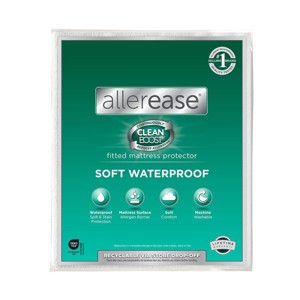
When to Replace Your Waterproof Mattress Protector
Even with perfect care, waterproof protectors don’t last forever. Replace yours if you notice any of these signs:
- Peeling, flaking, or cracking of the waterproof layer
- Persistent odors that don’t come out after a full gentle wash
- Leaks when liquid is spilled on the surface
- Stretched-out elastic that no longer fits snugly on your mattress
- Stains that won’t lift after multiple gentle treatments
If you notice these signs, consult our guide to mattress pad replacement signs to confirm if it’s time for a new one. Most high-quality protectors last 3–5 years with proper care. Households with frequent spills, pets, or allergies may need to replace theirs every 2 years to maintain full protection.
Frequently Asked Questions
How do I wash a waterproof mattress protector without ruining it?
Use a gentle machine cycle or hand wash with mild, free-and-clear detergent and cool water. Avoid bleach, fabric softener, and high heat, and always air dry or tumble dry on the lowest setting if the care label allows it.
Can I machine dry my waterproof mattress protector?
Only if the care label explicitly permits it, and only on the air fluff or no-heat setting. High heat will melt or warp the waterproof backing on most models, leading to leaks.
Will vinegar damage the waterproof layer?
No, when used correctly. A 1:1 mix of white vinegar and water is safe for spot cleaning and odor removal, and adding ½ cup to the rinse cycle helps neutralize smells. Avoid using undiluted vinegar or soaking the protector in vinegar for longer than 15 minutes, as prolonged acidity can degrade the coating over time.
How do I remove urine stains and odors from a waterproof mattress protector?
Blot up excess liquid first, then rinse with cool water. Pre-treat with mild detergent, add ½ cup of white vinegar to the rinse cycle, and wash on a gentle cycle. For set-in odors, use an enzymatic cleaner labeled safe for waterproof fabrics.
How long do waterproof mattress protectors last with proper care?
A well-cared-for protector typically lasts 3–5 years. Households with heavy use (pets, kids, frequent spills) may need to replace theirs every 2 years.
Is it safe to use bleach for tough stains on a waterproof mattress protector?
No. Chlorine bleach, hydrogen peroxide, and harsh oxidizing agents break down the waterproof membrane and fabric fibers, even on white protectors. Stick to mild detergent and white vinegar for tough stains.
What if my protector starts to peel or leak?
First, check if it’s still under warranty – most brands cover premature waterproofing failure for 1–5 years. If it’s out of warranty, it’s time to replace it, as repairs rarely restore full waterproofing.
Can I iron a waterproof mattress protector?
No, unless the care label explicitly says it’s safe. High iron heat will melt most waterproof membranes instantly, causing irreversible leaks.
Does dry cleaning ruin waterproof mattress protectors?
Yes, in most cases. The harsh chemicals used in dry cleaning degrade waterproof coatings. Stick to gentle machine or hand washing as outlined in this guide.
Conclusion
Cleaning your waterproof mattress protector correctly is one of the easiest ways to protect your mattress investment, keep your bed hygienic, and avoid costly replacements. By following gentle washing techniques, quick stain treatment, proper drying, and material-specific care, you can extend your protector’s lifespan by 2–3 years beyond the average.
Start with these steps today: pre-treat stains as soon as they happen, use a mesh laundry bag for every wash, and never skip the extra rinse cycle. Pair these cleaning steps with proper mattress topper washing steps to keep your entire sleep setup fresh for years, and check out our full guide to protector cleaning for more detailed brand-specific advice.

Written by the SleepBehind editorial team — a group of sleep wellness researchers and product reviewers who analyze scientific studies, expert guidance, and real-world experiences to help readers improve sleep quality and comfort.