The healthiest sleeping position is usually sleeping on your back with proper pillow and lumbar support.
I’ve spent years studying sleep science and testing mattress and pillow setups. In this article I’ll explain what is the healthiest sleeping position, why it matters, and how to make that position work for your body. Expect clear, practical advice based on experience and research, plus tips that I’ve tried myself to reduce pain, snoring, and reflux.

Why the question "What is the healthiest sleeping position" matters
Your sleep position shapes breathing, spine alignment, and how your organs rest. Small changes can ease back pain, reduce snoring, and help digestion. Asking what is the healthiest sleeping position is the first step to better nights and healthier days.
Good sleep posture lowers pressure points and improves circulation. For many people, choosing the right position reduces morning stiffness and daytime fatigue. Knowing which position fits your body and health needs makes your sleep work for you.

What is the healthiest sleeping position: evidence and quick consensus
Research and clinical guidance point to back sleeping (supine) as the healthiest sleeping position for spine alignment and neutral posture. Back sleeping helps keep the head, neck, and spine in a straight line when paired with a supportive pillow and mattress.
However, the answer can change with medical needs. For example, left-side sleeping is best for pregnant people and for those with acid reflux. People with severe sleep apnea may be advised to avoid back sleeping. So, when asking what is the healthiest sleeping position, consider your personal health profile.
Position-by-position breakdown
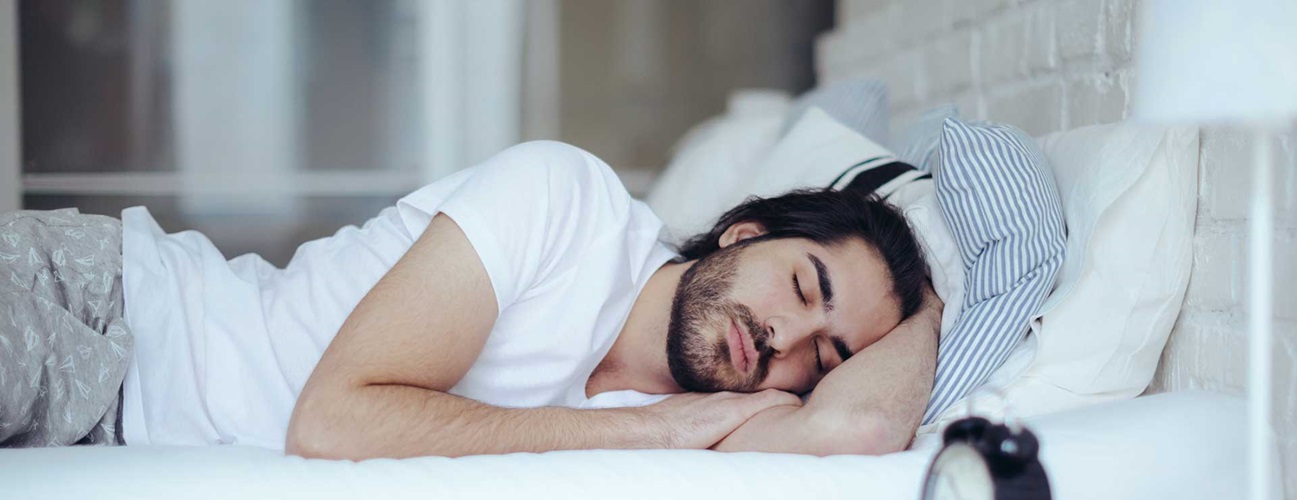
Below I break down common positions, benefits, downsides, and simple tips to improve each one.
Back (supine)
- Benefits: Best spinal alignment when supported. Eases neck and back pain for many people. Reduces facial wrinkles from pillow pressure.
- Downsides: Can worsen snoring and sleep apnea by allowing the tongue and soft tissues to obstruct the airway.
- Tips: Use a medium-low pillow and a small lumbar roll or pillow under your knees to maintain curve in the lower back.
Left side
- Benefits: Best for pregnant people and those with acid reflux. Promotes better digestion and reduces nightly heartburn.
- Downsides: Can cause shoulder pressure. Left-side only sleeping may feel uncomfortable at first.
- Tips: Place a pillow between knees and use a firm side-sleeping pillow to keep neck alignment.
Right side
- Benefits: Good spinal alignment similar to left side. Can ease snoring for some people.
- Downsides: May slightly increase acid reflux for some compared with left side.
- Tips: Use same supports as left side; consider alternating sides to reduce shoulder strain.
Fetal position
- Benefits: Comfortable for many. Helps reduce snoring and is common in pregnancy with slight modifications.
- Downsides: Too tightly curled can restrict diaphragm and cause stiffness.
- Tips: Keep knees slightly bent and a pillow between knees to keep hips aligned.
Stomach (prone)
- Benefits: May reduce snoring for a few people.
- Downsides: Puts strain on neck and lower back. Often leads to pain and numbness.
- Tips: Try to avoid this position. If you must sleep on your stomach, use a very thin pillow or no pillow under the head and a pillow under the pelvis.
 matching the healthiest sleeping position to your needs”
style=”max-width: 100%; height: auto; border: 2px solid black; border-radius: 10px; display: block; margin: 0 auto;”
loading=”lazy”
/>
Special cases: matching the healthiest sleeping position to your needs
- Pregnancy
- Best practice: Left-side sleeping supports blood flow to the fetus and reduces swelling. Use a pregnancy pillow and place a pillow under your belly and between knees.
- Sleep apnea and snoring
- Best practice: Avoid back sleeping if you have obstructive sleep apnea. Side sleeping often reduces airway collapse. A positional therapy device can help if you sleep on your back unintentionally.
- Acid reflux (GERD)
- Best practice: Left-side sleeping reduces nighttime reflux episodes. Elevating the head of the bed by 6 to 8 inches can also help.
- Lower back pain
- Best practice: Back sleeping with knee support often eases low back pain. Side sleeping with a pillow between the knees can also help.
- Shoulder pain
- Best practice: Alternate sides and use a thinner top sheet and a supportive mattress to reduce pressure.
When wondering what is the healthiest sleeping position for your condition, always factor in these health-specific adjustments.

How to transition to the healthiest sleeping position
Changing sleep habits takes time. Here are simple steps I used and recommend.
- Start small
- First, try one night a week focusing on the new position. Increase over time.
- Use pillows as guides
- Place a pillow behind your back to stop rolling. Put one between your knees for side sleeping.
- Re-train with cues
- Use a gentle alarm or wearable vibration to nudge you back into position if you roll.
- Adjust mattress firmness
- A medium-firm mattress often helps keep spinal alignment while you retrain.
- Be patient
- It can take weeks to form a new sleep habit. Track progress and adjust supports.
I once struggled with back pain and snoring. I shifted to back sleeping with a lumbar pillow and a thin cervical pillow. Within two weeks my back felt better and snoring reduced. The key was consistent setup and small nightly adjustments.

Pillows, mattress and ergonomics to support the healthiest sleeping position
- Pillows
- Back sleepers: choose a medium loft pillow and a small lumbar roll.
- Side sleepers: select a higher loft pillow that keeps ear aligned with shoulder.
- Stomach sleepers: use minimal loft or skip the pillow under head.
- Mattress firmness
- Side sleepers often prefer a softer top layer to relieve shoulder and hip pressure.
- Back sleepers benefit from medium-firm support to maintain neutral spine.
- Accessories
- Knee pillows, body pillows, and wedge pillows can make the healthiest sleeping position practical.
- Test and adjust
- Try different combinations for several nights to find what feels stable and pain-free.
Common myths about "What is the healthiest sleeping position"
- Myth: One position is best for everyone.
- Reality: Personal health issues change the recommendation. Back sleeping helps many, but not all.
- Myth: Stomach sleeping is harmless.
- Reality: Stomach sleeping often causes neck and back pain long-term.
- Myth: Pillows don’t matter.
- Reality: The right pillow keeps your spine neutral and can prevent pain.
- Myth: You must force yourself to never move.
- Reality: Natural movement at night is normal and healthy. Training is about consistency, not rigidity.
How to monitor progress and when to seek help
- Track symptoms
- Note morning pain, snoring, reflux, and sleep quality as you change position.
- Use simple tools
- Sleep trackers and a sleep diary can show trends over weeks.
- When to see a professional
- Seek medical advice for persistent pain, loud daily snoring, witnessed apneas, or if position changes don’t help your symptoms.
- Consider sleep studies
- For suspected sleep apnea, a formal sleep study provides clear guidance.
As you test what is the healthiest sleeping position for yourself, stay observant and be ready to adjust supports or consult a specialist.
Frequently Asked Questions about What is the healthiest sleeping position
What is the healthiest sleeping position for most people?
For most people, sleeping on the back with proper pillow and knee support is healthiest. It keeps the spine neutral and distributes weight evenly.
Is side sleeping healthy?
Yes. Side sleeping is healthy and often recommended for pregnancy, reflux, and snoring reduction. Use a pillow between the knees for better alignment.
Is sleeping on your stomach bad?
Stomach sleeping can cause neck and lower back strain and is generally the least recommended position. If you must, minimize pillow height and place a thin pillow under the hips.
Which sleeping position helps with acid reflux?
Left-side sleeping helps reduce acid reflux by keeping the stomach below the esophagus and minimizing backflow. Elevating the head of the bed can also help.
How long does it take to change your sleep position?
It can take several weeks to months to form a new sleep habit. Use pillows and gentle cues to speed adaptation, and be patient with progress.
Can changing my sleeping position reduce snoring?
Yes. Many people reduce snoring by switching from back sleeping to side sleeping, which helps keep the airway open.
Conclusion
Choosing the right sleep position matters for comfort, breathing, and long-term health. For many people, sleeping on the back with proper pillow and lumbar support is the healthiest sleeping position, while side sleeping offers clear benefits for pregnancy, reflux, and snoring. Test adjustments slowly, use pillows and mattress choices to support alignment, and watch your symptoms over several weeks. If problems persist, consult a healthcare professional.
Try one change tonight—add a knee pillow or move to your back with lumbar support—and notice how you feel in the morning. Share your experience, subscribe for more sleep tips, or leave a comment about what helped you find the healthiest sleeping position.

Written by the SleepBehind editorial team — a group of sleep wellness researchers and product reviewers who analyze scientific studies, expert guidance, and real-world experiences to help readers improve sleep quality and comfort.