Sleep on your back with a pillow under the knees or on your side with good neck support.
I have treated and coached many people with upper back pain. I know which sleeping positions help and which make pain worse. This guide on Sleeping positions for upper back pain lays out clear steps, easy swaps, and real tests you can try tonight. Read on for practical tips, simple fixes, and my hands-on experience to help you sleep better and wake with less pain.

Why upper back pain happens
Upper back pain often starts from poor posture during the day. Sitting hunched at a desk and looking down at a phone strain the thoracic spine and upper traps. Nighttime position can keep that strain in place or let the muscles relax. Understanding how Sleeping positions for upper back pain affect your spine helps you pick the right setup to heal and prevent flare-ups.

Best sleeping positions for upper back pain
Choosing the right Sleeping positions for upper back pain is one of the quickest ways to ease discomfort. Below are the most helpful positions and how to set them up.
Back sleeping (supine)
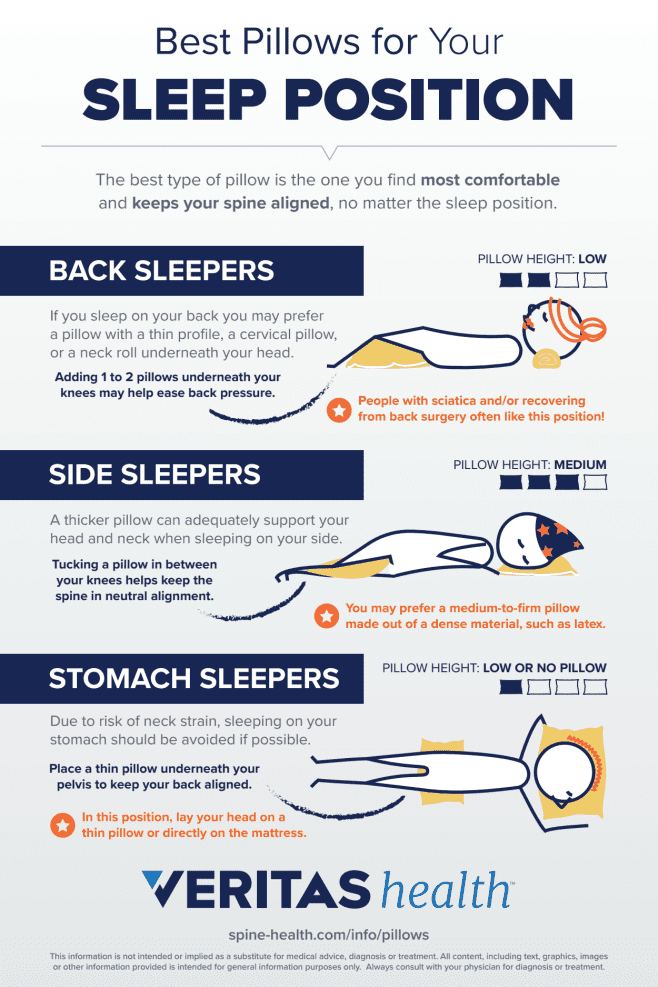
Back sleeping is best for many people with upper back pain. It keeps the spine neutral and spreads weight evenly.
- Use a thin pillow for the head to keep the neck aligned.
- Place a small pillow or rolled towel under the knees to reduce lower back strain.
- If you wake with mid-back tightness, add a small, soft pillow under the mid-back for gentle support.
Back sleeping keeps the thoracic spine from twisting. It is the position I recommend first when testing changes. It often reduces pain within nights.
Side sleeping (fetal or straight)
Side sleeping can work well if done right. It helps if you have neck or shoulder issues with your upper back pain.
- Use a thicker pillow to keep your neck aligned with the spine.
- Hug a pillow to keep the top shoulder from rotating forward.
- Place a pillow between the knees to keep hips and spine aligned.
I personally switched to side sleeping with a body pillow during a flare. The change cut my nighttime stiffness in half within a week.
Stomach sleeping (prone) — generally avoid
Stomach sleeping often worsens upper back pain. It forces the neck to turn and the mid-back to arch.
- If you cannot stop stomach sleeping, use a very thin pillow or no pillow under the head.
- Try sliding a flat pillow under the hips to reduce lumbar extension.
This is a stopgap, not a cure. If possible, retrain to back or side positions for long-term relief.

Pillow and mattress adjustments
Small changes in pillows and mattress can make big differences for Sleeping positions for upper back pain. The right combo supports the thoracic spine and keeps tissues relaxed.
- Pillow height: Choose a pillow that keeps the head in line with the spine. Too tall or too flat strains the neck and upper back.
- Pillow firmness: Medium-firm for most side sleepers, low to medium for back sleepers.
- Mattress firmness: A medium-firm mattress supports the spine and prevents sagging that twists the upper back.
- Specialty pillows: Cervical roll or contour pillows help keep the neck in neutral position.
- Trial and replace: Give a new pillow two to four weeks. If pain persists, try a different height or firmness.
I tested three pillow styles when fixing my neck and thoracic pain. The contour pillow plus a thin knee pillow worked best for me. Small trials can reveal what your body prefers.
Nighttime routine and sleep hygiene to reduce upper back pain
Good sleep habits reinforce the benefit of proper Sleeping positions for upper back pain. A short routine can relax muscles before bed and improve sleep quality.
- Gentle stretch: Do a 3–5 minute thoracic mobility stretch before bed. Try thoracic rotations while seated or on all fours.
- Heat: Use a warm pack for 10–15 minutes to ease tight muscles before sleep.
- Bedtime posture check: Take 30 seconds to set pillows and position yourself in the chosen sleeping position.
- Avoid heavy meals and screens before bed: They disturb sleep and lengthen muscle recovery time.
- Consistent sleep schedule: Rest helps tissue repair. Aim for similar bed and wake times.
From my experience, a warm shower followed by 5 minutes of gentle thoracic extension reduced stiffness the next morning. Stick with a simple routine nightly to get steady gains.

When to see a doctor or therapist
If changes in Sleeping positions for upper back pain and home care do not ease pain in two to four weeks, seek help. See a physical therapist for a tailored program and hands-on care. Seek immediate care if you have numbness, weakness, or loss of bladder or bowel control. A doctor can rule out structural issues or referred pain from other conditions.

Frequently Asked Questions of Sleeping positions for upper back pain
What is the best sleeping position for upper back pain?
Back sleeping with a thin pillow and a pillow under the knees is often best. Side sleeping with good neck support also helps many people.
Can a mattress cause upper back pain?
Yes. A mattress that is too soft or too firm can misalign your spine and cause upper back pain over time. A medium-firm mattress usually supports a neutral spine best.
How long does it take to fix pain by changing sleeping positions?
You may notice some relief in a few nights, but true change can take two to four weeks as muscles relax and adapt. Consistency matters more than speed.
Are special pillows worth the cost?
Special pillows can be helpful if they keep your neck and spine aligned. Try one on a short trial basis and watch for reduced pain and better sleep.
Can exercises help if I sleep badly?
Yes. Gentle thoracic mobility and posture exercises done daily can reduce pain and make sleeping positions more effective. A physical therapist can give a safe plan.
Is it bad to sleep on my side if I have upper back pain?
Side sleeping is not bad if you use a pillow that keeps the neck aligned and support between the knees. It often helps shoulder and neck-related upper back pain.
Conclusion
Try one change at a time to Sleeping positions for upper back pain. Start with back sleeping or a supported side position, and adjust your pillow and mattress slowly. Pair position changes with short stretches, heat, and a steady sleep routine. Track how you feel each morning and tweak as you go. If pain lingers, get a professional evaluation. Share what worked for you or ask questions below to learn more and join the conversation.

Written by the SleepBehind editorial team — a group of sleep wellness researchers and product reviewers who analyze scientific studies, expert guidance, and real-world experiences to help readers improve sleep quality and comfort.