Yes — consistent, high-quality sleep supports cellular repair, reduces aging markers, and improves skin health.
I’ve studied sleep and aging for years and helped people reshape their nights to look and feel younger. This article explores the question "Is sleeping anti-aging?" with clear science, practical steps, and real-life tips. You’ll learn how sleep affects cells, skin, and the brain, what habits actually help, and what to expect when you improve your sleep. Read on to get simple, trusted guidance you can use tonight.
How sleep slows aging: the science
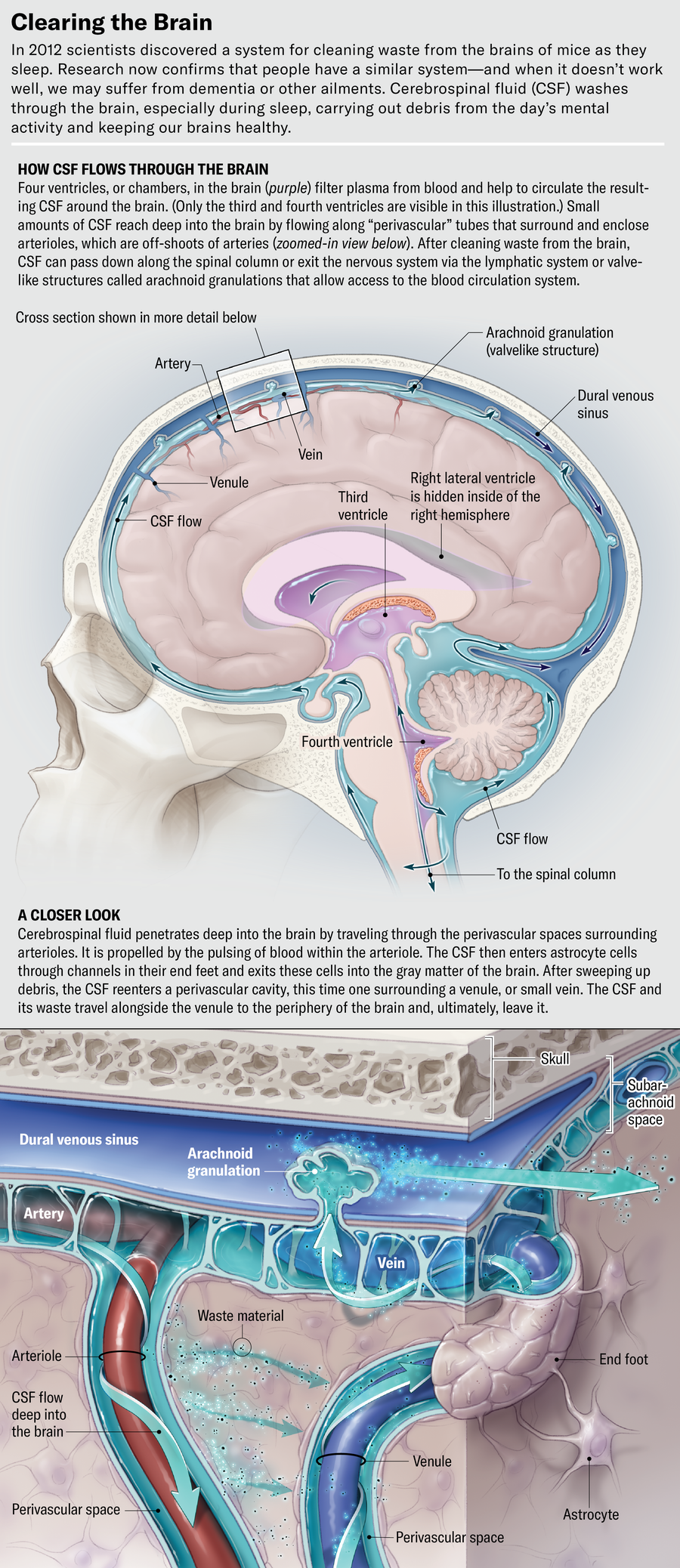
Sleep is not passive. It is a time when the body repairs damage from the day. Cells fix DNA, clear waste, and rebuild proteins. These repairs matter for how tissues look and perform as we age.
When people ask "Is sleeping anti-aging?" they mean whether sleep can slow biological aging. The answer is yes in part. Good sleep improves many processes that drive aging. It won’t stop time, but it lowers wear and tear on the body and brain.
Key sleep processes that help anti-aging
Quality sleep supports several concrete processes linked to aging.
- Cellular repair: Nighttime restorative processes fix DNA and rebuild proteins that keep cells healthy.
- Growth hormone release: Deep sleep triggers hormones that help tissue repair and muscle maintenance.
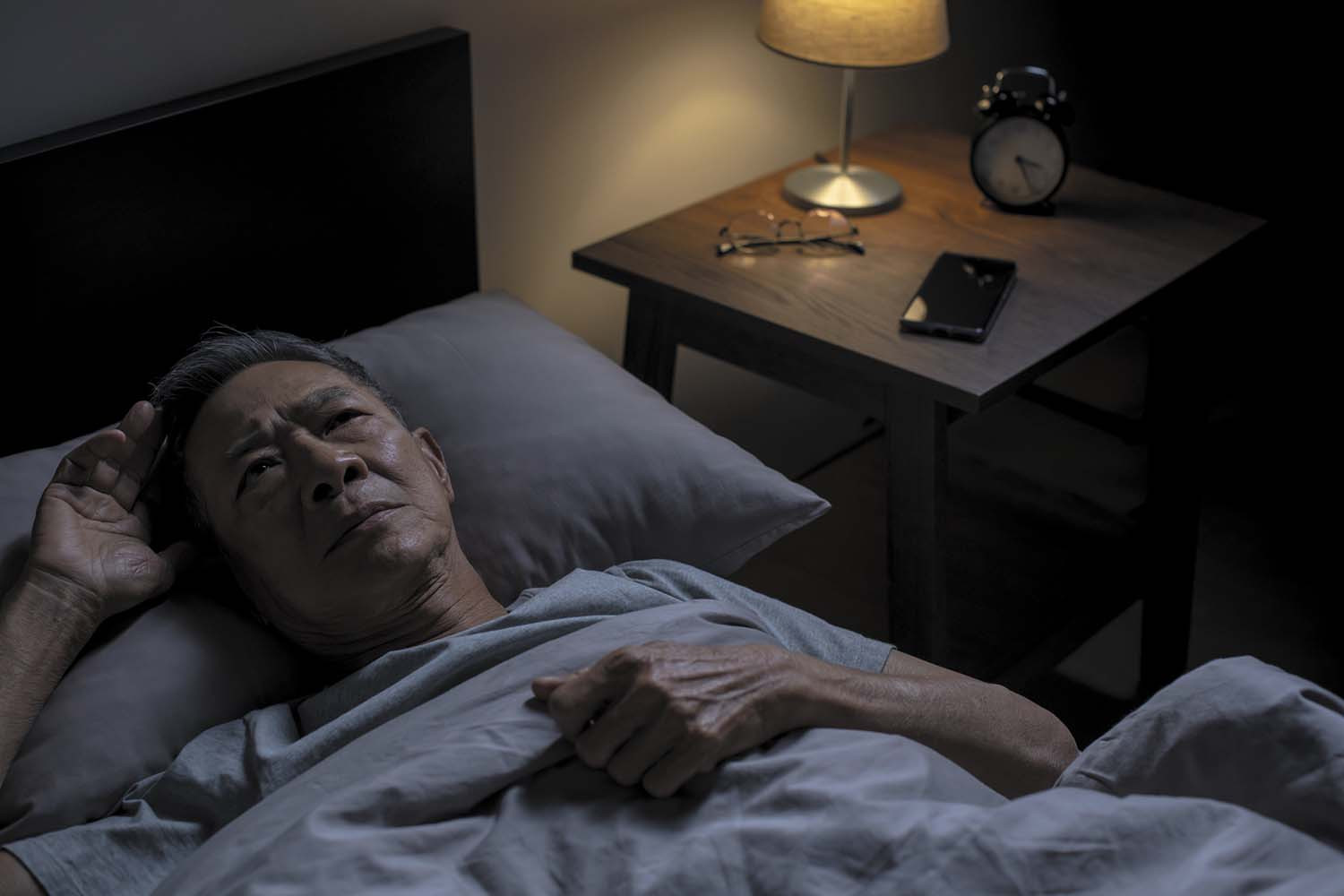
- Glymphatic clearance: Sleep increases brain fluid flow that clears metabolic waste linked to dementia.
- Hormone balance: Proper sleep lowers stress hormone spikes that otherwise damage tissues and skin.
- Skin renewal and collagen: Sleep boosts skin barrier repair and collagen production for firmer skin.
- Telomere protection: Regular good sleep associates with longer telomeres, which are markers of cellular youth.
These processes show why people ask "Is sleeping anti-aging?" The link is real because sleep supports core biological systems that drive aging.
Evidence: what studies say about sleep and aging
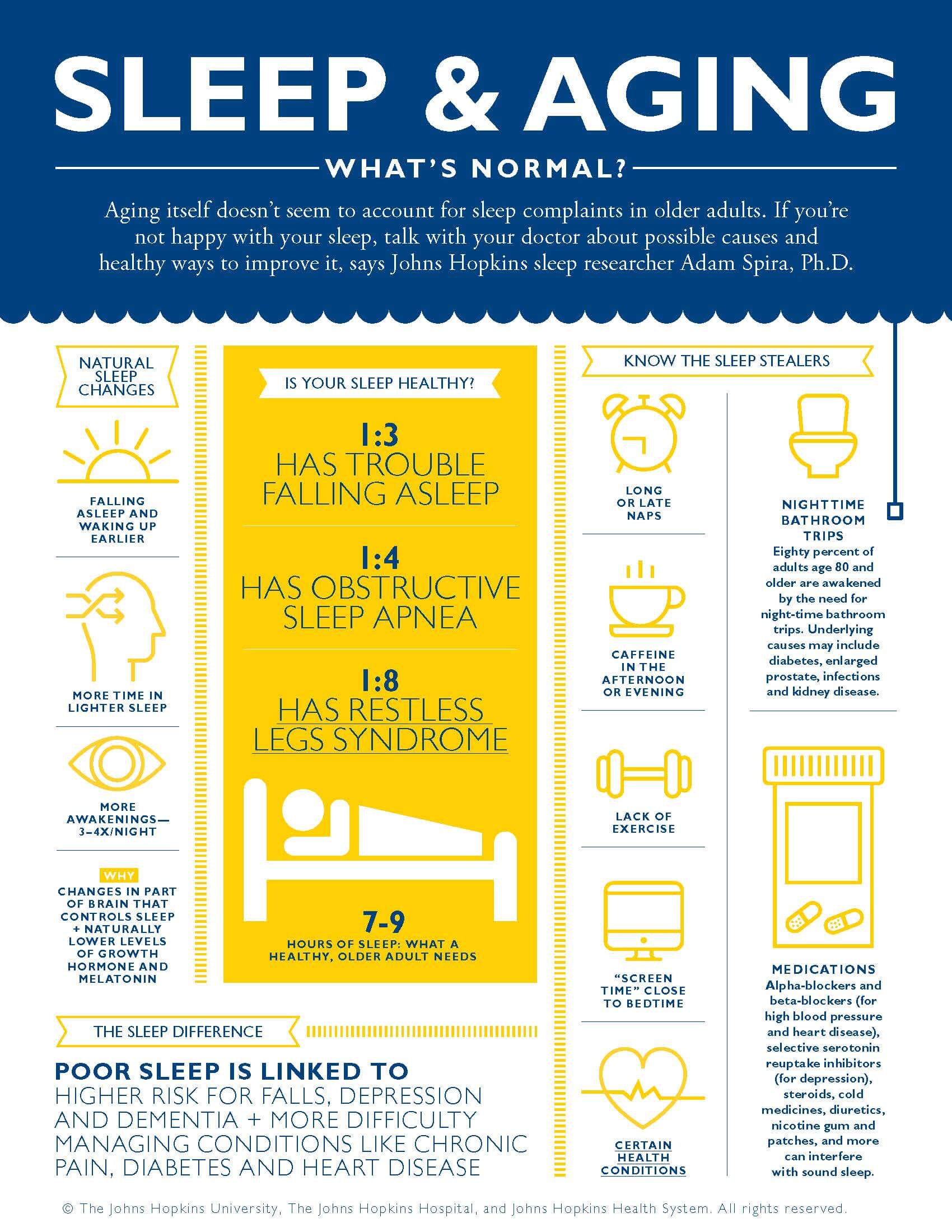
Research finds consistent links between poor sleep and faster aging signs. Short or fragmented sleep is tied to shorter telomeres, more inflammation, and worse skin health. Brain studies show chronic sleep loss raises risk for cognitive decline over time.
That said, studies are often observational. They show strong associations but can’t prove sleep alone causes slower aging. Still, the balance of evidence supports improving sleep as a practical way to reduce aging risks.
Practical sleep habits for anti-aging results
Improve sleep with simple, consistent habits. These steps are realistic and often free.
- Keep a steady sleep schedule. Go to bed and wake up at the same time daily.
- Aim for 7 to 9 hours each night. Most adults do best in this range.
- Create a dark, cool, quiet bedroom. Temperature around 65°F helps deep sleep.
- Limit blue light before bed. Stop screens at least 60 minutes before lights out.
- Avoid heavy meals, alcohol, or caffeine close to bedtime.
- Use naps smartly. Short naps help mood but avoid long late naps.
- Pair sleep with exercise and good nutrition. Both boost sleep quality and skin health.
These habits address the core question "Is sleeping anti-aging?" by giving you practical steps that support repair and renewal.

My experience and real-life tips
I once tracked sleep changes while helping a friend improve their skin and energy. We fixed sleep time, removed late screens, and added light morning walks. Within weeks their skin looked less tired and their focus improved.
A few tips I learned the hard way:
- Do not chase too little sleep with caffeine all day.
- Be patient. Skin and brain gains take weeks to months.
- Treat sleep like a daily habit, not a task to cram.
These real-life notes show how changes to sleep can feel and look meaningful.
When sleep alone is not enough
Sleep is powerful but not a miracle cure. Genetics, sun exposure, diet, smoking, and medical conditions also shape aging. For example, sun damage and smoking accelerate skin aging independently of sleep.
If aging signs persist, consult a clinician. Tests can reveal hormonal issues, sleep disorders, or skin conditions that need treatment. Use sleep as a cornerstone in a wider anti-aging plan.
Frequently Asked Questions of Is sleeping anti-aging?
What exactly does "Is sleeping anti-aging?" mean?
It asks whether sleep can slow or reverse signs of aging. The core idea is that sleep supports repair, which can reduce aging markers over time.
How many hours of sleep help reduce aging?
Most adults benefit from 7 to 9 hours nightly. Regular sleep in this range supports repair and hormone balance linked to younger cells.
Can naps provide anti-aging benefits?
Short naps can improve alertness and reduce stress. They help overall recovery but can't replace consistent nighttime sleep for long-term anti-aging benefits.
Will better sleep improve my skin quickly?
You may see reduced puffiness and better tone within days. Deeper structural changes like collagen improvement take weeks to months of consistent sleep.
Does sleep reverse wrinkles or hair loss?
Sleep helps repair tissues and reduce stress-related damage but does not permanently reverse deep wrinkles or genetic hair loss. It supports prevention and slows progression.
Are sleep supplements helpful for anti-aging?
Some supplements can aid sleep, but they should be used with care. Lifestyle changes and medical guidance are better first steps for long-term benefits.
Conclusion
Good sleep supports cellular repair, balances hormones, clears brain waste, and improves skin renewal. While sleep alone won’t stop aging, consistent high-quality sleep is one of the most effective and accessible anti-aging habits you can build. Start tonight: set a sleep time, dim the lights, and protect those restorative hours. Try these steps for a month and note the changes. Share your progress or questions below and consider subscribing for more practical, research-backed tips.
Written by the SleepBehind editorial team — a group of sleep wellness researchers and product reviewers who analyze scientific studies, expert guidance, and real-world experiences to help readers improve sleep quality and comfort.