If you’ve ever wondered why your skin looks older than your chronological age, or why fine lines and sunspots seem to appear out of nowhere, the answer is almost always the same: a single, extremely common, and entirely preventable habit. The #1 mistake that will make you age faster is consistent unprotected exposure to ultraviolet (UV) radiation from the sun and artificial sources like tanning beds. Unlike diet, sleep, or skincare trends, this habit drives the vast majority of preventable visible aging, and causes cumulative damage that builds up invisibly for years before showing up on your skin.
In this guide, we’ll break down exactly why unprotected UV exposure is so damaging to your skin and overall health, the clear signs you’re making this mistake, and step-by-step, evidence-backed fixes to reverse existing damage and stop accelerated aging in its tracks. You can also read our guide on how to wash woolino sleep sack.
 Regular strength training supports collagen production and overall youthful physical function, complementing sun protection habits.
Source: clevelandclinic.org
Regular strength training supports collagen production and overall youthful physical function, complementing sun protection habits.
Source: clevelandclinic.org
What Is The #1 Mistake That Will Make You Age Faster?
Unprotected UV exposure earns the top spot for fastest-aging mistake for one key reason: it is the leading cause of photoaging, the term for skin aging driven by external factors rather than the natural passage of time. While chronological aging is largely genetic, photoaging is almost entirely avoidable, and accounts for an estimated 90% of visible skin changes like wrinkles, sunspots, and sagging.
Most people underestimate how much UV exposure they get in daily life: short walks to the car, sitting near a window at work, or even 10 minutes of sun exposure while checking the mail add up to hundreds of hours of unprotected UV contact per year. Unlike a sunburn, which is obvious, this low-level, repeated damage happens silently, breaking down your skin’s structure from the inside out for years before you notice visible changes.
Why Unprotected UV Exposure Accelerates Aging At The Cellular Level
UV radiation comes in two main types, both of which drive aging, but in different ways:
| UV Type | Wavelength | Penetration Depth | Primary Aging Effects |
|---|---|---|---|
| UVA | 320-400 nm | Deep into dermis (skin's second layer) | Breaks down collagen and elastin, causes wrinkles, sagging, and uneven pigmentation; responsible for 95% of UV-driven aging |
| UVB | 280-320 nm | Epidermis (skin's outermost layer) | Causes sunburns, surface damage, and direct DNA damage that leads to skin cancer and surface aging signs |
When UV rays hit your skin, they generate free radicals (unstable molecules called reactive oxygen species, or ROS) that damage cell membranes, DNA, and proteins like collagen and elastin. These proteins are the scaffolding that keeps skin firm, bouncy, and smooth: when they break down, skin sags, forms wrinkles, and loses its youthful texture.
As the National Institute on Aging highlights, UVA and UVB rays penetrate skin layers to damage DNA and break down collagen and elastin fibers that keep skin firm per NIA’s skin aging guidance. Beyond direct structural damage, repeated UV exposure also triggers chronic low-grade inflammation. This constant state of repair wears down your body’s ability to regenerate cells over time, accelerating aging not just in your skin, but in other organs as well.
Photoaging also looks very different from natural chronological aging: it often causes leathery, thickened skin, deep static wrinkles, uneven dark spots, and broken capillaries, and can make you look 10-20 years older than your actual age if left unaddressed for decades.
 Chronic unprotected UV exposure breaks down skin structure, leading to wrinkles, sagging, and uneven tone over time.
Source: rvohealth.io
Chronic unprotected UV exposure breaks down skin structure, leading to wrinkles, sagging, and uneven tone over time.
Source: rvohealth.io
Telltale Signs You're Making This Anti-Aging Mistake
Because UV damage is cumulative, the signs often appear gradually, making them easy to dismiss as "just getting older." If you notice any of the following, unprotected UV exposure is likely the culprit:
- Fine lines around the eyes (crow's feet) and mouth that appear before age 30, even if you have no family history of early aging
- Persistent brown sunspots, melasma, or uneven skin tone on sun-exposed areas (face, hands, chest, shoulders, forearms)
- Leathery, thickened skin texture on the face, hands, or chest that feels rough or sandpaper-like to the touch
- Broken capillaries (tiny red blood vessels) on the nose, cheeks, and chest that won’t fade
- Slower wound healing on sun-exposed skin: sunburns take days longer to fade than they did in your teens, and cuts or scrapes heal slower
- Thinning, translucent skin that bruises easily, especially on the backs of the hands and forearms
- Premature loss of skin elasticity, leading to sagging along the jawline and under the eyes even if your weight has remained stable
It’s important to note that people with darker skin tones are not immune to UV-driven aging: while higher melanin levels provide some natural sun protection, UV still breaks down collagen and causes sunspots and uneven tone in all skin types.
 Broad-spectrum SPF 30+ should be applied every morning, even on cloudy or cold days, as UV rays penetrate cloud cover.
Source: hopkinsmedicine.org
Broad-spectrum SPF 30+ should be applied every morning, even on cloudy or cold days, as UV rays penetrate cloud cover.
Source: hopkinsmedicine.org
Step-By-Step Fixes To Reverse And Prevent UV-Driven Aging
The good news is that UV-driven aging is almost entirely preventable, and existing damage can be significantly improved with consistent, simple habits. These fixes are ranked by impact, so start with the highest-priority steps first.
Daily Sun Protection Habits
This is the single most impactful change you can make to stop accelerated aging:
- Apply a broad-spectrum SPF 30+ sunscreen every morning, 15 minutes before going outdoors, to all exposed skin (face, neck, chest, hands, ears, and often-missed spots like the back of your neck and the tops of your feet). Use an SPF lip balm to protect your lips, which are prone to sun damage and thinning with age.
- Reapply sunscreen every 2 hours when outdoors, and immediately after swimming, sweating heavily, or towel drying. Water-resistant sunscreens still require reapplication after 80 minutes in water. If you wear makeup, use a powdered SPF for easy, mess-free reapplication over products.
- Seek shade during peak UV hours (10 a.m. to 4 p.m.) whenever possible. Schedule outdoor activities for early morning or late afternoon to reduce exposure.
- Wear sun-protective clothing: long-sleeved UPF-rated shirts, wide-brimmed hats (at least 3 inches wide) that shade your face, ears, and neck, and UV-blocking sunglasses that wrap around to protect the delicate skin around your eyes.
- Don’t rely on windows for protection: standard glass blocks UVB but not UVA, so if you sit near a window for work or leisure, apply sunscreen to exposed skin daily. At night, opt for low-friction overnight hairstyles and satin pillowcases to avoid sleep lines and hair cuticle damage that accelerates facial aging and hair thinning.
Skincare Adjustments To Repair Existing Sun Damage
If you already have visible sun damage, these steps will fade existing signs and prevent further breakdown:
- Add a topical antioxidant serum (vitamin C, niacinamide, or ferulic acid) to your morning routine after cleansing, before sunscreen. These neutralize free radicals caused by UV exposure, reduce further damage, and fade existing dark spots over 3-6 months of consistent use.
- Use a retinoid (prescription or over-the-counter) 2-3 times per week in the evening. Retinoids boost collagen production, speed cell turnover, and fade sunspots and fine lines. Start with a low concentration if you have sensitive skin to avoid irritation, and always follow with moisturizer.
- Exfoliate gently 1-2 times a week with a chemical exfoliant (alpha hydroxy acid or beta hydroxy acid) to remove dead, sun-damaged skin cells and reveal brighter, smoother skin underneath. Avoid harsh physical scrubs that can micro-tear already damaged skin.
- For stubborn sunspots or deep texture changes, consult a dermatologist about in-office treatments like chemical peels, laser therapy, or topical lightening agents that deliver faster results than over-the-counter products.
- If you wash your hair at night, use protective overnight hair wraps to keep hair off your face and reduce moisture-related scalp irritation that can contribute to inflammation.
Lifestyle Tweaks That Boost Skin Resilience
Sun protection works best when paired with habits that support your skin’s natural repair processes:
- Avoid all artificial UV sources: tanning beds emit UVA radiation that is 10-15 times more intense than natural midday sun, causing deep, permanent skin damage that accelerates aging far faster than natural sun exposure.
- Quit smoking: tobacco smoke generates free radicals that break down collagen and elastin, compounding the damage caused by UV exposure. Smokers with regular sun exposure often appear 10-15 years older than non-smokers with similar sun exposure histories.
- Eat a diet rich in antioxidants (colorful fruits and vegetables, nuts, seeds, fatty fish) to support your body’s natural repair processes and reduce chronic inflammation.
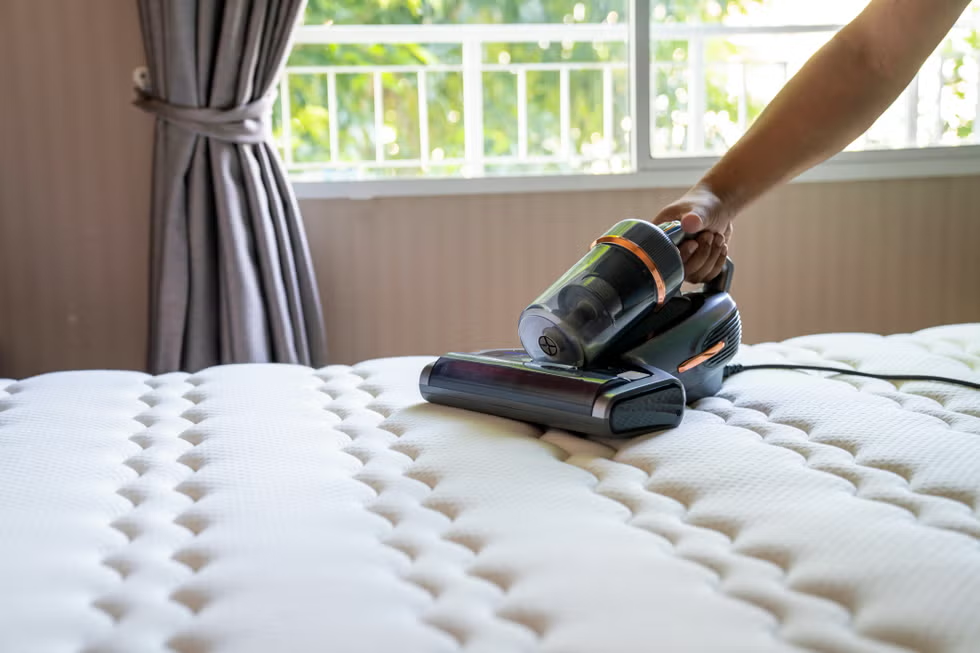
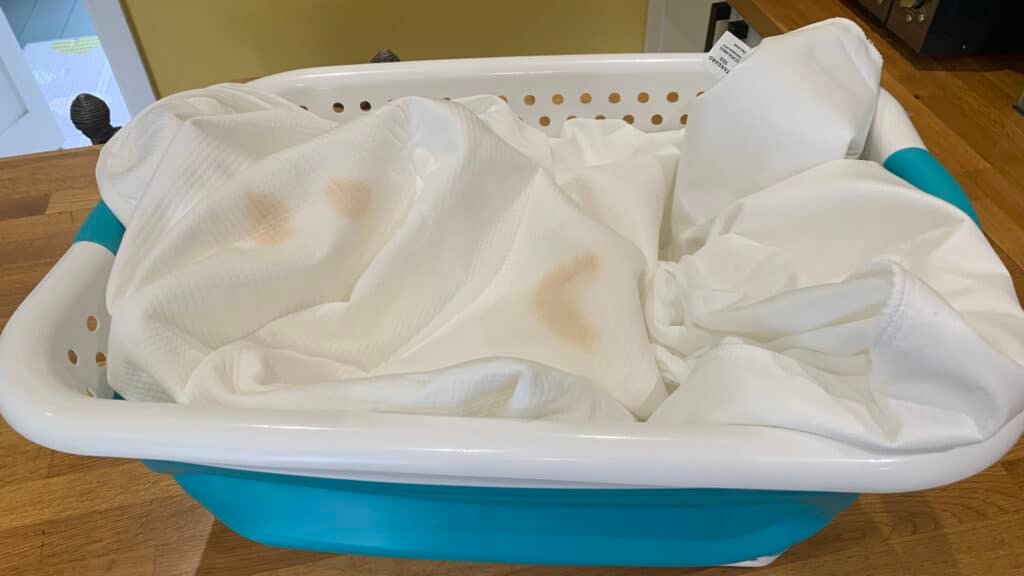
- Prioritize 7-9 hours of uninterrupted sleep per night: sleep is when your body repairs cellular damage and synthesizes new collagen. Beyond sun protection, small daily habits add up to slower aging: avoid tanning beds, quit smoking, eat a diet rich in antioxidant-packed colorful produce, and prioritize safe overnight hair care practices to reduce scalp inflammation and moisture-related damage. Choose breathable, easy-to-clean bedding like bamboo pillowcases, and follow proper bamboo pillow care to avoid buildup that clogs pores and increases skin inflammation. Wash bedding and regular mattress protector maintenance every 1-2 weeks to remove dead skin cells, bacteria, and allergens that irritate skin and trigger inflammatory aging responses.
- Manage chronic stress: high cortisol levels break down collagen and impair skin barrier function, making your skin more vulnerable to UV damage. Practice stress-reduction techniques like meditation, walking, or deep breathing daily.
 UV radiation triggers free radical production that degrades collagen and elastin, the proteins that keep skin firm and elastic.
Source: nih.gov
UV radiation triggers free radical production that degrades collagen and elastin, the proteins that keep skin firm and elastic.
Source: nih.gov
Common Myths About Sun Exposure And Aging You Should Ignore
Misinformation about sun exposure and aging leads many people to skip critical protection. Here are the most common myths to ignore:
- Myth: I only need sunscreen on hot, sunny days. Fact: Up to 80% of UV rays penetrate cloud cover, and UV exposure happens year-round, even in winter. Snow reflects UV rays, increasing exposure on ski trips.
- Myth: Darker skin tones don’t need sunscreen. Fact: While higher melanin levels provide some natural SPF, they do not block all UV damage. Darker skin tones are still at risk for photoaging, sunspots, and skin cancer, and can still experience accelerated aging from unprotected UV exposure.
- Myth: A base tan protects me from sunburn and aging. Fact: A base tan is your skin’s response to UV damage; it provides only the equivalent of SPF 2-3, which is not enough to prevent aging or skin cancer. Any tan is a sign of skin damage.
- Myth: Sunscreen is enough if I apply it once in the morning. Fact: Sunscreen wears off after 2 hours, or immediately after swimming, sweating, or towel drying. Reapplication is non-negotiable for full protection.
- Myth: Anti-aging skincare can reverse all sun damage. Fact: While retinoids, antioxidants, and professional treatments can fade sunspots and improve texture, they cannot fully reverse deep collagen damage from decades of unprotected UV exposure. Prevention is far more effective than correction.
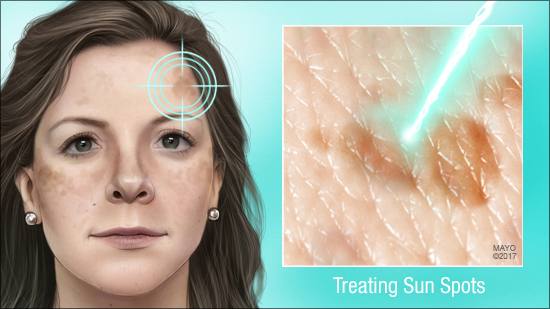 Sunspots (solar lentigines) are a common sign of cumulative UV damage, often appearing on the face, hands, and chest.
Source: mayoclinic.org
Sunspots (solar lentigines) are a common sign of cumulative UV damage, often appearing on the face, hands, and chest.
Source: mayoclinic.org
Frequently Asked Questions
What Is The #1 Mistake That Will Make You Age Faster?: Is it only about skin?
No. While unprotected UV exposure has the most visible impact on skin, it also triggers systemic chronic inflammation that accelerates aging in other body systems, including increased risk of cataracts, immune suppression, and even cardiovascular wear over time. It is the single most impactful preventable aging mistake for overall health, not just appearance.
Can sunscreen really prevent aging?
Yes. Consistent daily use of broad-spectrum SPF 30+ sunscreen is proven to slow collagen breakdown, prevent new dark spot formation, and reduce wrinkle depth. As the CDC confirms, consistent daily broad-spectrum sunscreen use is the single most effective way to prevent UV-driven premature aging per CDC UV protection guidelines. In practice, most people who commit to daily sunscreen see a noticeable reduction in new dark spot formation within 6 months, even without other major skincare changes.
How often should I reapply sunscreen to avoid aging effects?
Reapply broad-spectrum sunscreen every 2 hours when exposed to sun, and immediately after swimming, sweating heavily, or towel drying. If you wear makeup, use a powdered SPF for easy reapplication over products without smudging.
Are tanning beds worse than sunbathing for aging?
Yes. Tanning beds emit concentrated UVA radiation that is 10-15 times more intense than natural midday sun, causing deep, permanent damage to collagen and elastin that leads to sagging, deep wrinkles, and leathery skin far faster than natural sun exposure. They are classified as carcinogenic by the World Health Organization, and pose a far higher risk of accelerated aging and skin cancer than natural sun exposure.
Will antioxidants reverse sun aging?
Topical and oral antioxidants (vitamin C, niacinamide, CoQ10) can neutralize free radicals, fade existing sunspots, and improve skin texture, but they cannot fully reverse decades of deep collagen damage from heavy UV exposure. They are most effective when used as part of a preventive routine alongside daily sunscreen.
At what age does sun damage start to show?
UV damage accumulates from your first exposure as a child, but visible signs of photoaging often start appearing in your 20s and 30s, starting with fine lines around the eyes and mouth, and uneven skin tone. The damage is cumulative, so starting sun protection at any age will slow further aging and improve existing damage over time.
Can you reverse 10 years of sun damage?
You can significantly improve the appearance of 10 years of sun damage with consistent sunscreen use, topical retinoids, antioxidants, and in-office dermatologist treatments like laser therapy or chemical peels. While deep collagen loss may not be fully reversible, you can fade sunspots, smooth texture, and reduce wrinkle depth noticeably with consistent, long-term care.
 Topical antioxidants like vitamin C neutralize free radicals caused by UV exposure, reducing long-term skin damage.
Source: ctfassets.net
Topical antioxidants like vitamin C neutralize free radicals caused by UV exposure, reducing long-term skin damage.
Source: ctfassets.net
Final Takeaway
The #1 mistake that will make you age faster is consistent unprotected UV exposure, but it is entirely avoidable. Unlike natural aging, photoaging is almost entirely within your control: small, daily habits like applying sunscreen every morning, wearing a hat on sunny days, and avoiding tanning beds will slow aging dramatically over time, and can even reverse early signs of damage.
Start with one small, actionable step this week: add a broad-spectrum SPF 30+ sunscreen to your morning routine, even on days you don’t plan to go outdoors. Track your skin’s progress over 3 months, and you’ll notice fewer new dark spots, smoother texture, and reduced fine line depth. If you have questions about building a sun-safe routine, drop a comment below, or subscribe to our newsletter for more evidence-based anti-aging and wellness tips.

Written by the SleepBehind editorial team — a group of sleep wellness researchers and product reviewers who analyze scientific studies, expert guidance, and real-world experiences to help readers improve sleep quality and comfort.