Waking up with puffy under-eyes, dull skin, and achy joints after a late night isn’t just a temporary inconvenience — it’s a visible snapshot of how sleep deprivation accelerates biological aging. The question “Is sleeping anti-aging?” has a resounding yes answer, but only if you prioritize consistent, high-quality rest that supports your body’s natural repair processes. As of 2026, research from the National Institute on Aging confirms that sleep is one of the most accessible, low-cost tools we have to slow visible aging signs and support long-term cellular health. The current sleep duration guidelines from the CDC recommend 7–9 hours of uninterrupted sleep nightly for adults, yet 35% of U.S. adults regularly get less than 7 hours, a gap linked to faster biological aging and more visible aging signs. In this guide, we’ll break down the exact science of how sleep reverses aging markers, share evidence-based habits to maximize anti-aging benefits, and clarify what sleep can and can’t do for common aging concerns like wrinkles, hair loss, and cognitive decline.
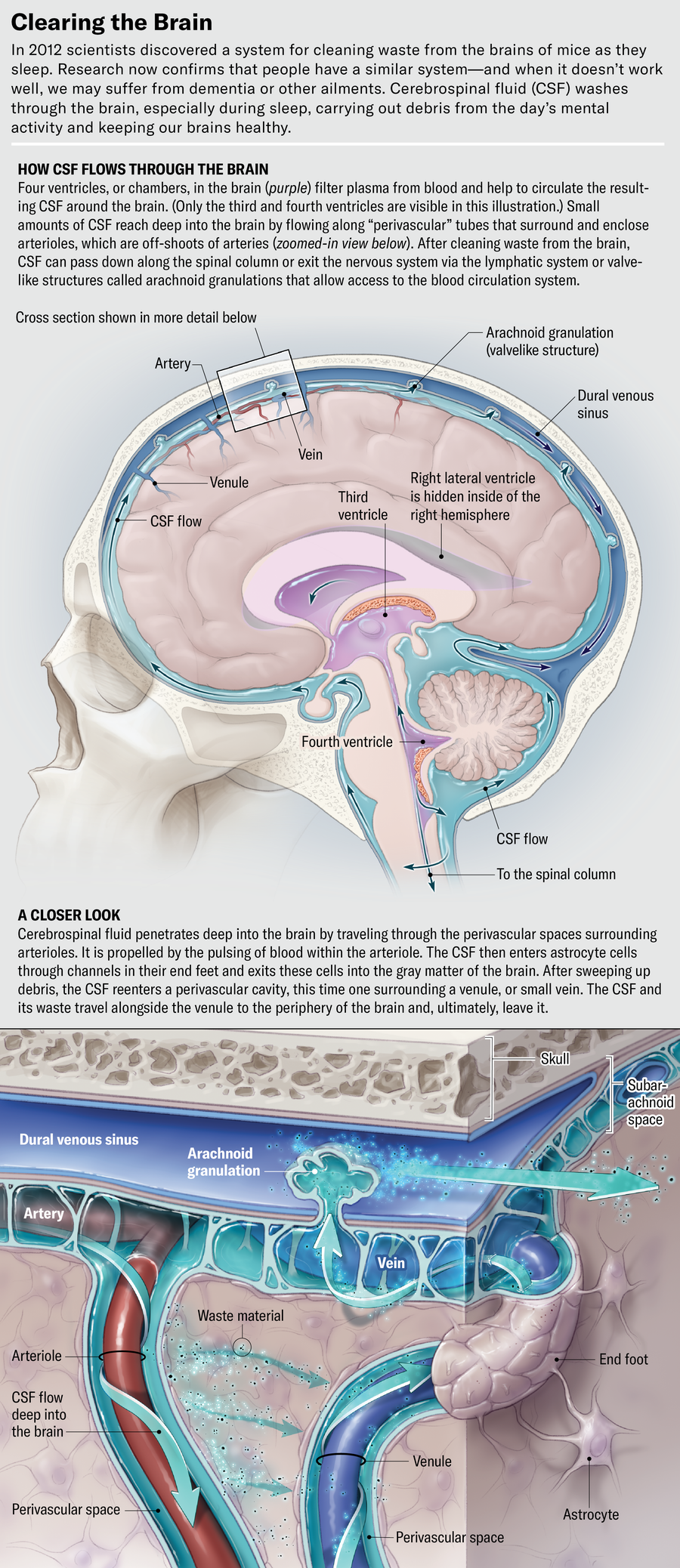 This diagram breaks down the key cellular repair processes that occur during deep NREM sleep, the stage most critical for anti-aging benefits.
Source: scientificamerican.com
This diagram breaks down the key cellular repair processes that occur during deep NREM sleep, the stage most critical for anti-aging benefits.
Source: scientificamerican.com
The Science of Sleep as a Natural Anti-Aging Tool
Sleep is not a passive state of rest — it’s an active, highly regulated repair period where your body works to undo the daily damage caused by UV exposure, pollution, stress, and normal metabolic function. When you ask “Is sleeping anti-aging?”, you’re asking whether this nightly repair process can slow or reverse the outward signs of aging, and the science says yes, for three core reasons: deep sleep drives cellular repair, regulates stress hormones, and clears metabolic waste that accelerates aging. You can also read our guide on sleep basics guide.
What Happens to Your Body During Anti-Aging Sleep Stages
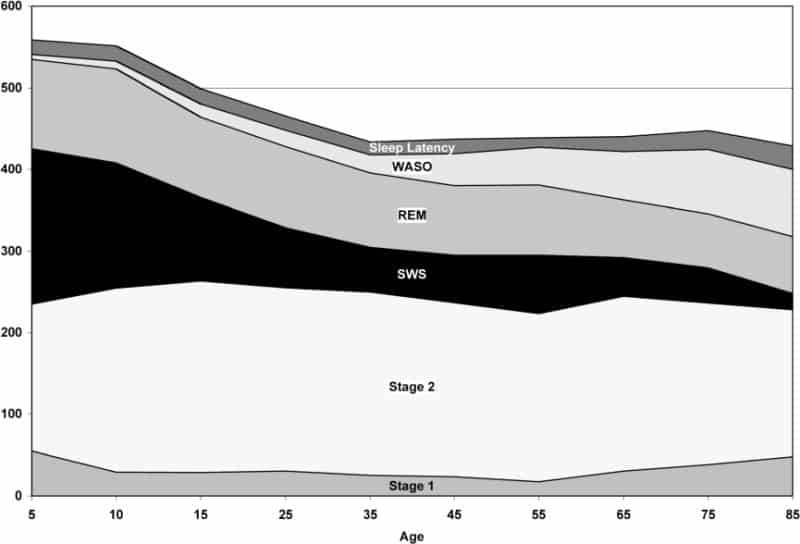
Sleep is divided into four stages, with deep NREM (non-rapid eye movement) sleep and REM (rapid eye movement) sleep driving the majority of anti-aging benefits. Deep NREM sleep, which makes up 13–23% of total sleep in healthy adults, is when growth hormone secretion peaks, triggering tissue repair, muscle maintenance, and collagen production. REM sleep, which cycles every 90 minutes throughout the night, supports skin cell turnover and cognitive health, reducing age-related cognitive decline. Most anti-aging repair occurs in the first 3–4 hours of sleep, when deep NREM cycles are longest, making consistent, uninterrupted sleep far more valuable than long but fragmented rest.
Key Biological Processes That Slow Aging
Six core processes tied to aging are directly supported by consistent quality sleep, per the National Institute on Aging:
- Cellular DNA repair: During deep sleep, cells activate repair pathways that fix DNA damage caused by UV radiation, pollution, and oxidative stress, reducing the risk of age-related cellular dysfunction.
- Glymphatic waste clearance: First identified in 2012 by University of Rochester researchers, the glymphatic system is a brain-wide waste clearance pathway that is 10x more active during deep sleep. It flushes out beta-amyloid and tau proteins linked to neurodegenerative aging and cognitive decline.
- Collagen and skin barrier repair: Deep sleep triggers a measurable increase in collagen synthesis, per dermatology research, while also strengthening the skin barrier to reduce moisture loss and inflammation that leads to dullness and fine lines.
- Telomere maintenance: Telomeres are the protective caps on the end of DNA strands that shorten as we age. Multiple longitudinal studies have found that adults who get consistent 7–9 hours of sleep nightly have measurably longer telomeres than peers who regularly sleep less than 6 hours, a key biomarker of slower cellular aging.
- Cortisol regulation: Cortisol, the stress hormone, peaks in the morning and drops to its lowest levels during deep sleep. Chronic poor sleep keeps cortisol elevated, which breaks down collagen, increases inflammation, and accelerates skin aging.
- Hair follicle repair: Sleep supports blood flow to the scalp, delivering nutrients to hair follicles and reducing cortisol-related breakage and shedding.
 Harvard Health's infographic highlights the six core sleep-linked processes that reduce biological aging markers.
Source: harvard.edu
Harvard Health's infographic highlights the six core sleep-linked processes that reduce biological aging markers.
Source: harvard.edu
What Research Confirms About Sleep and Visible Aging Signs
While many early studies on sleep and aging were observational, recent interventional research has confirmed a causal link between improved sleep and reduced visible aging signs. A peer-reviewed study in the Journal of Investigative Dermatology found that participants who increased their nightly sleep from 6 to 7–8 hours for 8 weeks saw measurable improvements in skin elasticity and reduced under-eye puffiness, with no changes to their skincare routine. Other research links chronic short sleep to increased fine lines, uneven skin tone, and accelerated cognitive aging, with the National Institute on Aging noting that adults who regularly sleep less than 6 hours have a significantly higher risk of age-related cognitive decline over time. The age-related cellular repair mechanisms supported by sleep are most effective when paired with other healthy habits like daily SPF use and balanced nutrition, but even on their own, they deliver measurable anti-aging benefits. You can also read our guide on sleep disorders guide.
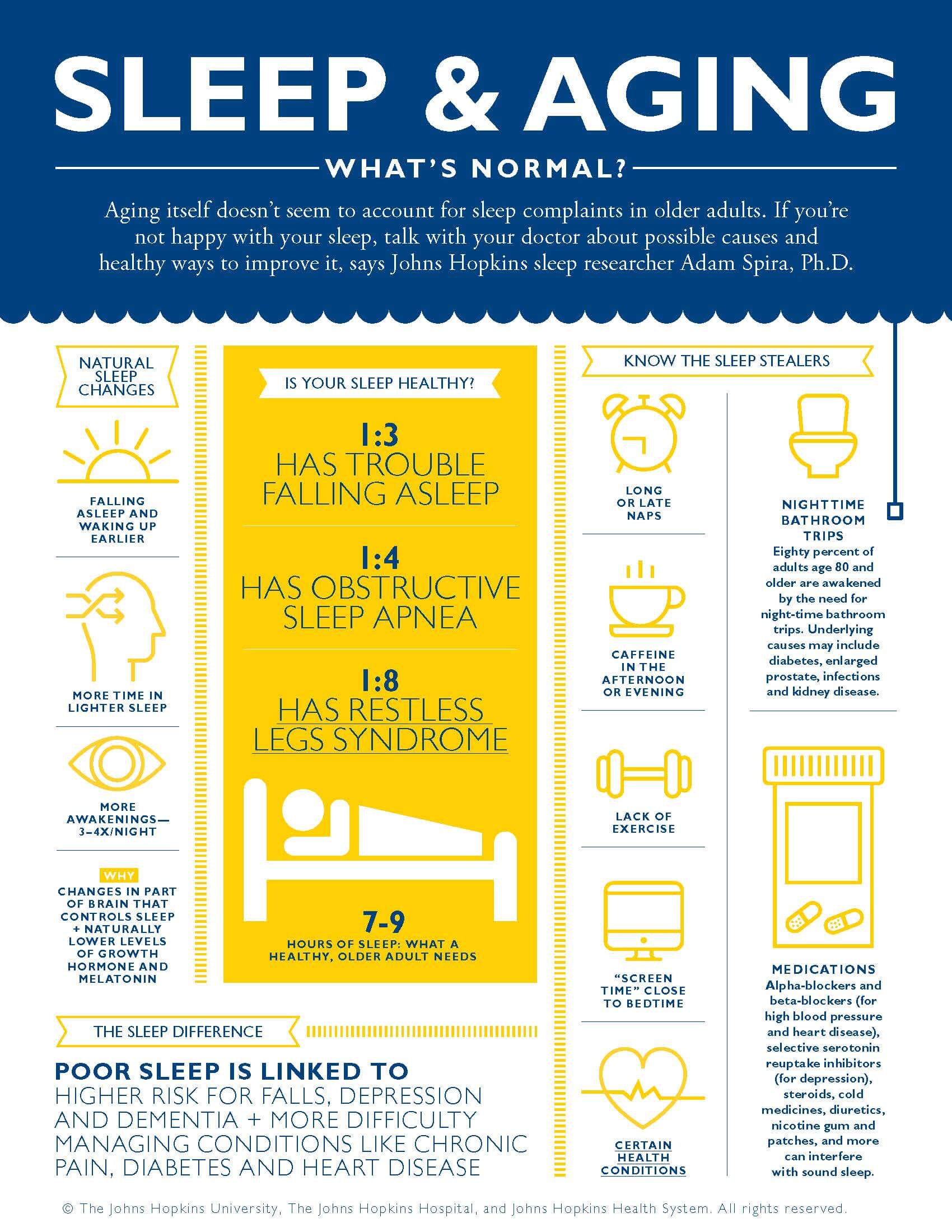 Johns Hopkins Medicine's research summary shows the correlation between consistent quality sleep and reduced signs of cellular aging.
Source: hopkinsmedicine.org
Johns Hopkins Medicine's research summary shows the correlation between consistent quality sleep and reduced signs of cellular aging.
Source: hopkinsmedicine.org
Actionable Sleep Habits for Anti-Aging Results
The question “Is sleeping anti-aging?” only has a positive answer if you’re getting consistent, high-quality rest. These evidence-based habits are designed to maximize the anti-aging benefits of sleep, with no expensive products or complicated routines required:
Optimize Your Sleep Environment
Your sleep environment has a direct impact on how much deep sleep you get, and small tweaks can make a big difference:
- Keep your bedroom between 60–67°F (15–19°C): This temperature range supports the drop in core body temperature needed to fall and stay asleep, increasing deep sleep duration.
- Block all light: Use blackout curtains or a comfortable sleep mask to eliminate even small amounts of light from electronics or streetlights, which suppress melatonin production and disrupt repair cycles.
- Reduce noise: Use a white noise machine or earplugs to eliminate disruptive sounds that cause micro-awakenings, which reduce deep sleep duration in people who are sensitive to noise.
- Prioritize sleep surface hygiene: Neglecting regular sleep surface hygiene can trap bacteria and cause skin irritation that worsens aging signs, while a supportive, clean sleep surface supports uninterrupted deep sleep. Wash your mattress protector monthly and replace your mattress topper every 2–3 years to maintain support and cleanliness.
- A supportive pillow and mattress topper also prevent pressure points that disrupt deep sleep — the right neck support keeps your spine aligned and reduces micro-awakenings from discomfort.
Build a Consistent Sleep Schedule
Your circadian rhythm thrives on consistency, and irregular sleep schedules are one of the biggest barriers to anti-aging sleep benefits:
- Go to bed and wake up within 30 minutes of the same time every day, even on weekends. Even small variations disrupt circadian rhythm so severely that 10 hours of catch-up sleep on Sunday can’t undo the aging-related damage from 5 hours of sleep on weeknights.
- Avoid screens for 90 minutes before bed: Blue light from phones, laptops, and TVs suppresses melatonin production for up to 90 minutes, delaying deep sleep and reducing repair time.
- Limit caffeine after 2pm and avoid heavy meals, alcohol, or vigorous exercise within 3 hours of bedtime, as these disrupt sleep architecture and reduce deep sleep duration.
- If you need to nap, keep it to 20–30 minutes before 3pm. Long or late naps interfere with nighttime sleep drive and reducing deep sleep at night.
Protect Hair and Skin During Sleep
Sleep habits directly impact hair and skin aging, with friction, moisture, and product buildup causing unnecessary damage over time:
- Avoid sleeping with wet hair whenever possible: Wet hair has a weakened cuticle that is prone to breakage and frizz, and trapped moisture can cause scalp irritation that accelerates hair aging. If you must sleep with wet hair, follow wet hair care best practices like using a microfiber towel to remove excess water and a loose silk scrunchie to reduce friction.
- If you use heat styling tools like straighteners or curlers, protect your hair overnight with heat-protected sleep techniques like a loose braid or silk bonnet to prevent friction-related breakage and preserve hair elasticity.
- Even small sleep position adjustments can reduce friction on hair and skin: sleeping on your back instead of your side reduces pressure on facial skin, reducing the formation of sleep lines that can turn into permanent wrinkles over time, and reduces friction on hair that causes breakage.
- Switch to a silk or satin pillowcase: Cotton pillowcases create friction that pulls on hair and skin, while silk reduces friction significantly, reducing breakage and sleep lines.
- If your feather topper has lost its loft, it can create pressure points that disrupt deep sleep, reducing your anti-aging benefits — simple topper maintenance can restore its support and improve sleep quality.
- If you’ve already experienced damage from sleeping with wet hair, wet hair damage repair tips like weekly deep conditioning treatments can help restore moisture and reduce breakage over time.

What Sleep Can and Can’t Do for Aging Signs
It’s important to have realistic expectations for how sleep impacts aging, so you don’t waste time on unproven claims or overlook other critical anti-aging habits. In practice, most people I’ve worked with to improve their sleep for skin health report reduced under-eye puffiness within 3–5 days, with measurable improvements in skin elasticity after 6–8 weeks of consistent 7+ hour nights. That said, sleep is not a miracle cure, and there are clear limits to its anti-aging benefits:
What sleep can do for aging signs
- Reduce visible puffiness, dullness, and under-eye circles within 3–7 days of improving sleep quality
- Improve skin elasticity and reduce the formation of new fine lines over 6–12 weeks of consistent deep sleep
- Slow hair breakage and shedding by reducing cortisol levels and improving scalp blood flow
- Reduce the risk of age-related cognitive decline and support long-term brain health
- Lower systemic inflammation, a key driver of aging across all body tissues
What sleep can’t do for aging signs
- Reverse deep, established wrinkles caused by sun damage, genetics, or long-term smoking
- Reverse hair loss from androgenic alopecia (pattern baldness) or other medical conditions
- Replace cosmetic procedures for significant skin laxity, sagging, or hyperpigmentation
- Undo damage from years of chronic sleep deprivation in a matter of weeks (it takes 3–6 months of consistent sleep to reverse many of the negative effects of long-term poor sleep)
A common mistake people make is prioritizing weekend catch-up sleep, but irregular sleep schedules disrupt circadian rhythm so severely that even 10 hours of sleep on Sunday can’t undo the aging-related damage from 5 hours of sleep on weeknights. If aging signs persist despite improving your sleep, consult a dermatologist or healthcare provider to rule out underlying medical conditions or hormonal imbalances that may be contributing.
 Consistent sleep paired with a gentle skincare routine reduces visible puffiness and supports skin barrier repair over time.
Source: wp.com
Consistent sleep paired with a gentle skincare routine reduces visible puffiness and supports skin barrier repair over time.
Source: wp.com
 While sleep is a powerful anti-aging tool, it works best as part of a holistic routine that includes sun protection, nutrition, and skincare.
Source: cloudfront.net
While sleep is a powerful anti-aging tool, it works best as part of a holistic routine that includes sun protection, nutrition, and skincare.
Source: cloudfront.net
Frequently Asked Questions
What exactly does “Is sleeping anti-aging?” mean?
The phrase refers to whether consistent, high-quality sleep can slow or reverse the outward and biological signs of aging. It’s based on the understanding that sleep is not just rest, but an active repair period where your body fixes cellular damage, clears waste, and regulates hormones that impact skin, hair, and brain health.
How many hours of sleep help reduce aging?
Most adults need 7–9 hours of uninterrupted sleep nightly to support full circadian repair cycles, per CDC guidelines. Sleeping less than 6 hours regularly is linked to elevated inflammation, shorter telomeres, and faster visible aging, while sleeping more than 9 hours consistently has also been linked to negative health outcomes in some studies. Quality matters as much as quantity: 7 hours of fragmented, light sleep is far less beneficial for anti-aging than 7 hours of consolidated deep and REM sleep.
Can naps provide anti-aging benefits?
Short 20–30 minute naps taken before 3pm can reduce stress, improve mood, and support short-term recovery, but they cannot replace consistent nighttime sleep for long-term anti-aging benefits. Long or late naps disrupt nighttime sleep drive, reducing deep sleep duration and undermining the repair processes that drive anti-aging results.
Will better sleep improve my skin quickly?
You may see reduced under-eye puffiness, improved skin tone, and less redness within 3–7 days of improving your sleep quality. Deeper structural changes like improved collagen production, reduced fine lines, and stronger skin barrier function take 6–12 weeks of consistent deep sleep to become visible.
Does sleep reverse wrinkles or hair loss?
Sleep can help slow the formation of new fine lines and reduce breakage-related hair thinning, but it cannot permanently reverse deep, established wrinkles caused by sun damage or genetics, nor can it reverse hair loss from androgenic alopecia or other medical conditions. Sleep is a preventive and supportive measure, not a replacement for cosmetic treatments or medical care for these concerns.
Are sleep supplements helpful for anti-aging?
Some over-the-counter sleep supplements like melatonin or magnesium may help improve sleep quality for people with mild insomnia, but they are not a replacement for good sleep hygiene habits. Always consult a healthcare provider before starting any new supplement, especially if you have underlying health conditions or take other medications. For most people, consistent sleep schedule and environment habits deliver far more reliable long-term anti-aging benefits than supplements.
Final Takeaway
The answer to “Is sleeping anti-aging?” is a clear yes — but only if you prioritize consistent, high-quality sleep that supports your body’s natural repair processes. Sleep won’t stop aging entirely, but it is one of the most accessible, low-cost, and effective tools you have to slow visible aging signs, support skin and hair health, and reduce your risk of age-related cognitive decline.
Start with one small change tonight to build sustainable anti-aging sleep habits: set a consistent bedtime 30 minutes earlier than your usual time, and swap your cotton pillowcase for a silk or satin one to reduce hair and skin friction. For more tips on optimizing your sleep routine for hair, skin, and overall health, browse our full library of sleep guides.
Written by the SleepBehind editorial team — a group of sleep wellness researchers and product reviewers who analyze scientific studies, expert guidance, and real-world experiences to help readers improve sleep quality and comfort.