Disconnect the pad, remove the controller, and wash gently by machine or hand on cool with mild detergent.
I’ve cleaned dozens of heated pads over the years and know how to wash electric mattress pad without ruining the wiring or heating elements. This guide walks you through checking labels, unplugging and detaching controllers, machine-wash and hand-wash methods, drying safely, stain fixes, and maintenance tips so your electric mattress pad stays safe and comfy for years. Read on for step-by-step instructions, real-life tips, and common mistakes to avoid when you learn how to wash electric mattress pad.

Why washing your electric mattress pad matters
Keeping an electric mattress pad clean improves hygiene, removes sweat and oils, and prevents odors and allergens. Regular cleaning also preserves heating performance and extends the pad’s life. I once neglected washing a pad for two winters and ended up with a musty smell that took several spot treatments to remove. Proper cleaning protects both you and the pad.
Check the label and safety first
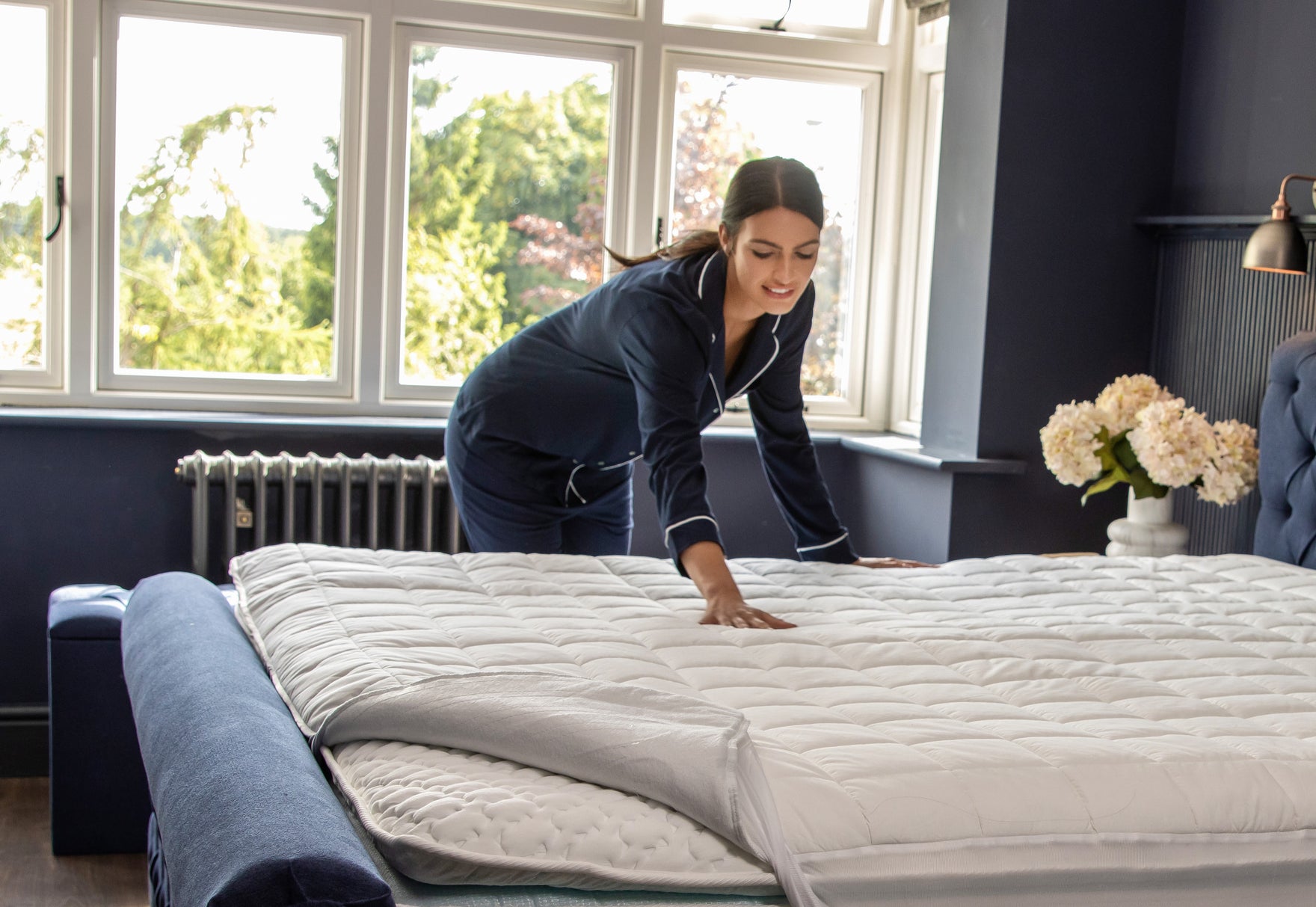
Always read the manufacturer’s tag before you consider how to wash electric mattress pad. Some pads are fully machine washable; others only allow spot cleaning or have removable covers that can be washed. Follow these steps before cleaning:
- Unplug the pad and disconnect the controller
- Inspect cords, seams, and the controller for damage; do not wash if wiring looks frayed
- Look for water-safe icons and max temperature on the care label
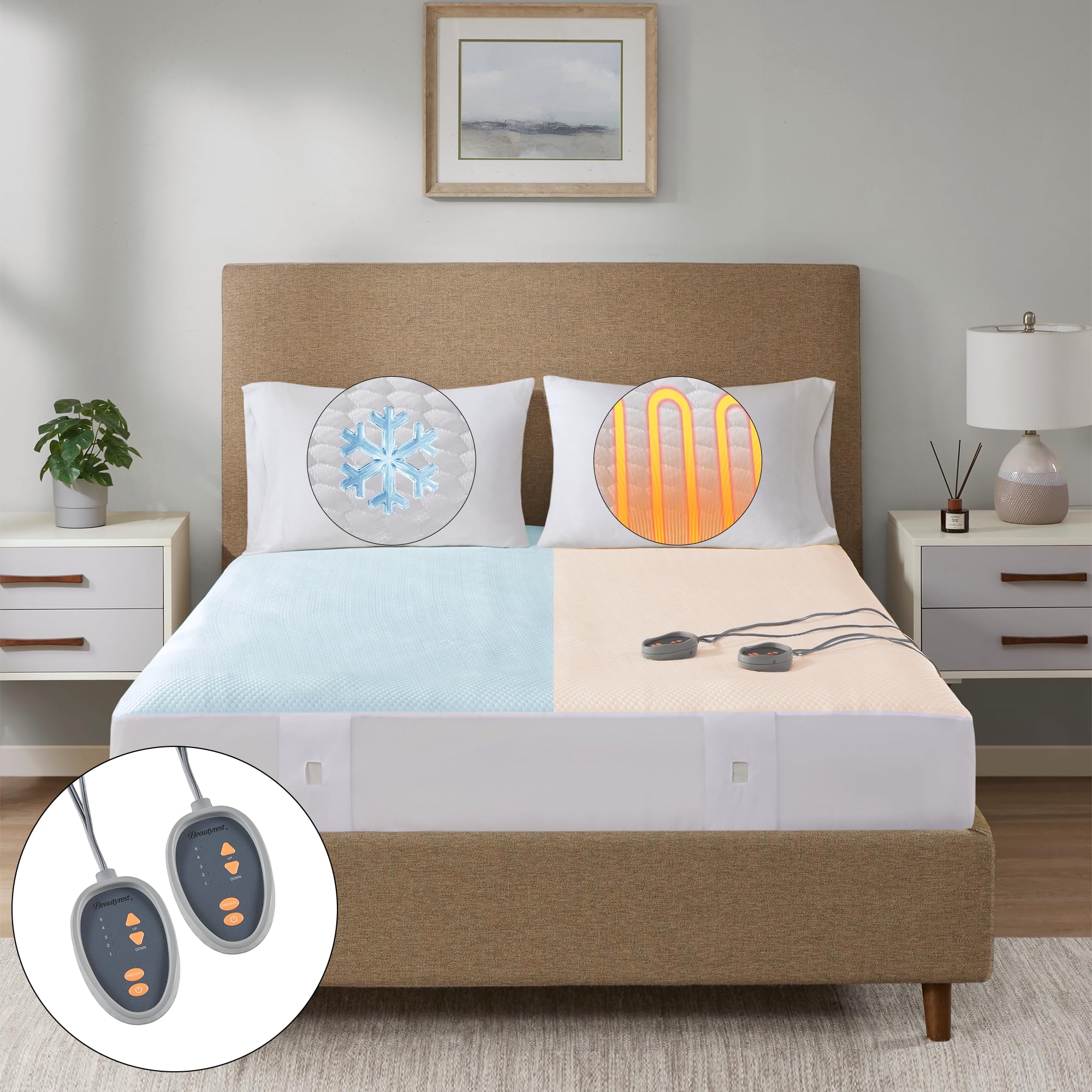
- Note whether the control box is removable or permanently attached
If the label is missing, treat the pad like a delicate electronic textile and use the gentlest methods. When in doubt, hand wash or spot clean to avoid costly damage.
How to wash electric mattress pad — machine-wash step-by-step
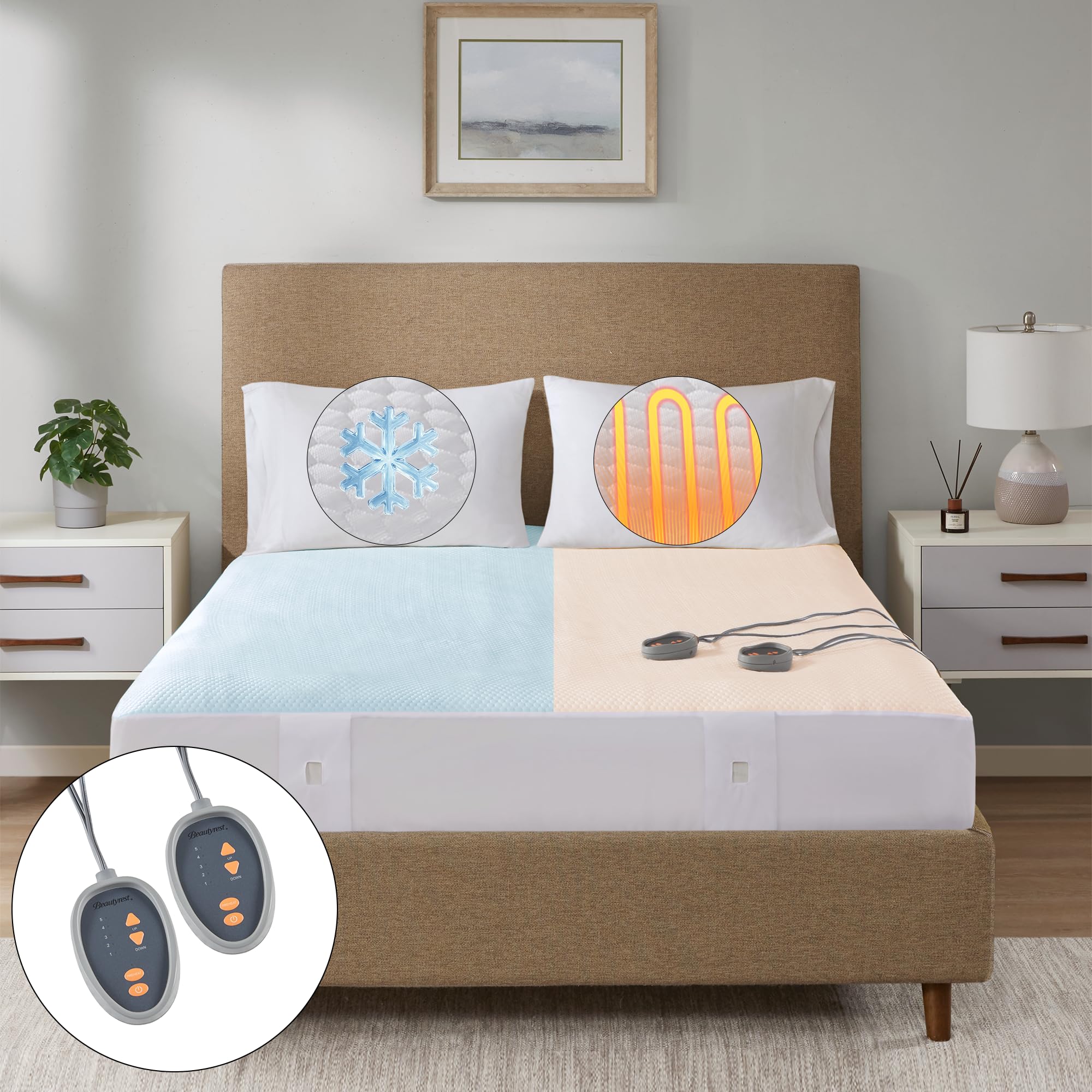
If the care tag says machine washing is safe, follow this method. I’ve successfully machine washed several removable electric pads using a front-load washer and gentle cycle.
-
Prepare the pad
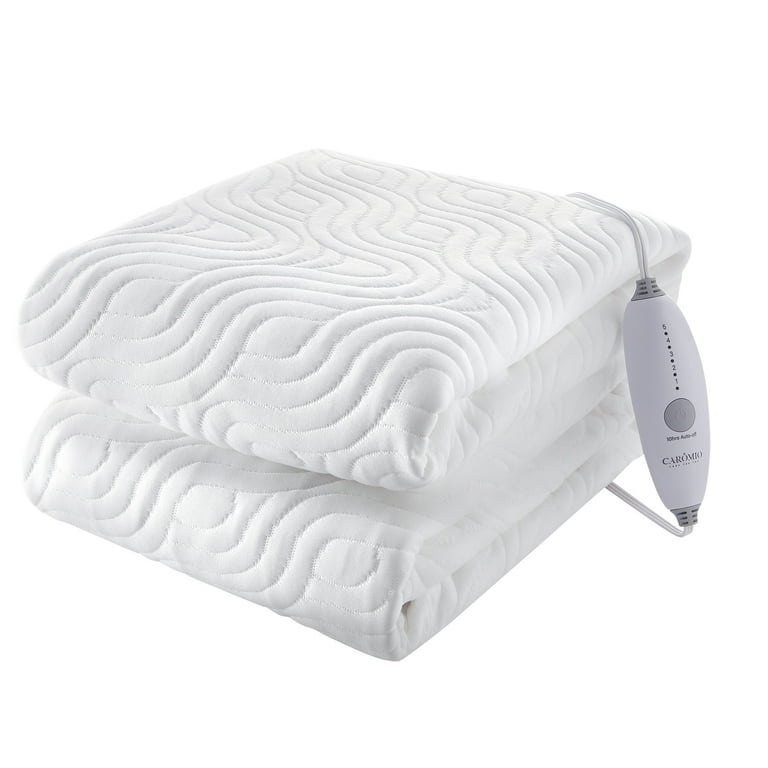
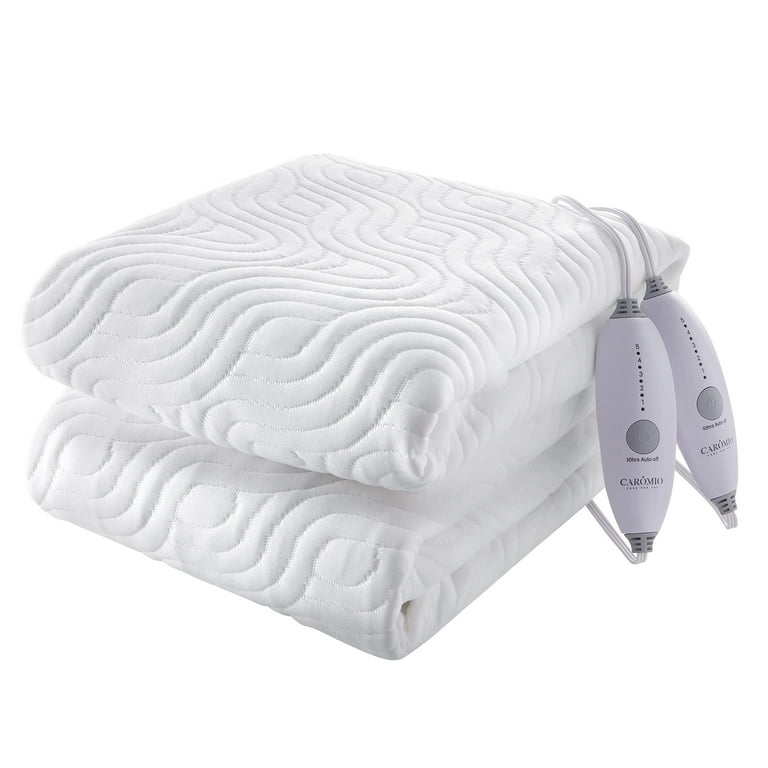
- Unplug and remove the controller and power cord completely
- Close any zippers and secure loose ends
- Shake out crumbs and debris
-
Load the washer
- Use a front-load washer or a top-load without an agitator to reduce tugging
- Wash the pad alone or with a couple of towels for balance
-
Choose settings
- Select a delicate or gentle cycle
- Use cold or cool water only
- Use a mild liquid detergent, measuring less than usual
-
Run the wash
- Avoid bleach and fabric softeners
- If the pad has heavily soiled spots, pre-treat them with a mild detergent and let sit a few minutes
-
After wash inspection
- Check seams and wiring pathways for signs of damage
- Gently press excess water; do not wring
Machine washing works well when you follow safety steps and keep cycles gentle. Avoid high spin speeds to reduce stress on wiring.
How to hand wash and spot clean
When the label forbids machine washing or you prefer extra caution, hand washing and spot cleaning are safer options. I hand-washed a vintage heated pad once and it recovered without issues.
-
Hand wash full pad
- Fill a bathtub or large basin with cool water and a small amount of mild detergent
- Gently knead the pad without twisting
- Rinse thoroughly until water runs clear
- Press out water using towels; avoid wringing
-
Spot clean stains
- Blot spills immediately with a clean cloth
- Mix mild detergent and cool water, apply small amounts with a soft cloth
- Rinse the spot with a damp cloth and let air dry
Hand washing reduces stress on internal wiring and is the safest way to clean pads without explicit machine-wash approval.

Drying and storage best practices
Drying properly keeps the heating elements intact and prevents mold. From my experience, slow and full air drying works best.
-
Drying tips
- Lay the pad flat on a clean surface or hang over a sturdy line; avoid folding while wet
- If the tag permits tumble drying, use low or no heat on delicate setting
- Ensure the pad is fully dry inside and out before reconnecting the controller
- Do not place the controller or connector in the dryer
-
Storage tips
- Store rolled or loosely folded in a breathable bag
- Keep away from sharp objects and extreme temperatures
- Reconnect and test the pad briefly after storage to confirm safe function
Always confirm dryness by feeling the inner layers; any retained moisture can lead to odors or electrical hazards.
Troubleshooting stains, odors, and common issues
Even with careful washing, issues can arise. These fixes helped me salvage a pad with persistent odor after a single wash.
-
Persistent odors
- Air out the pad in sunlight if safe; UV can help neutralize odors
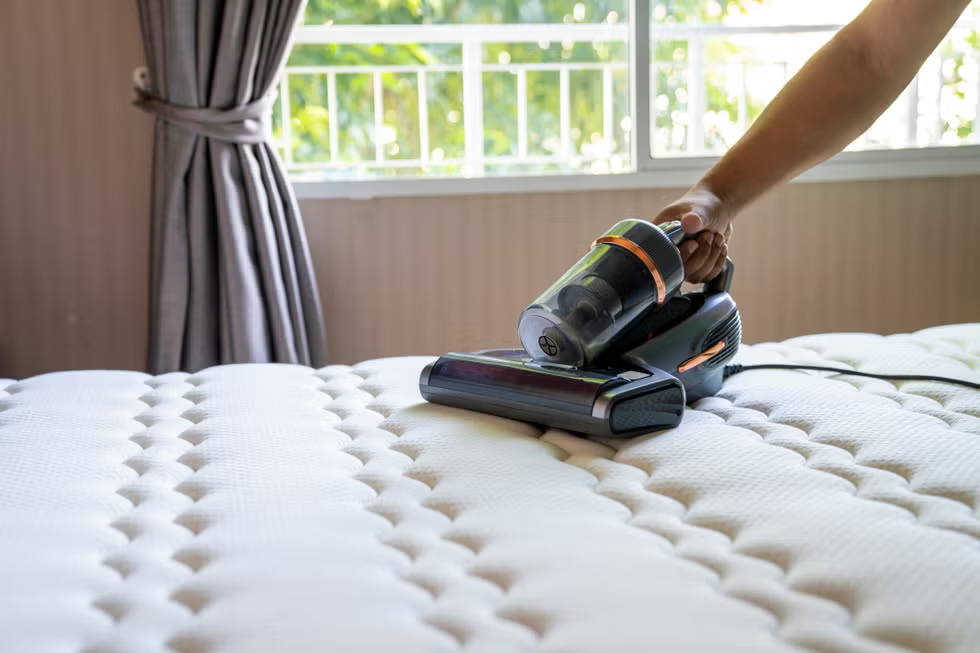
- Sprinkle baking soda lightly, leave a few hours, then vacuum off carefully
-
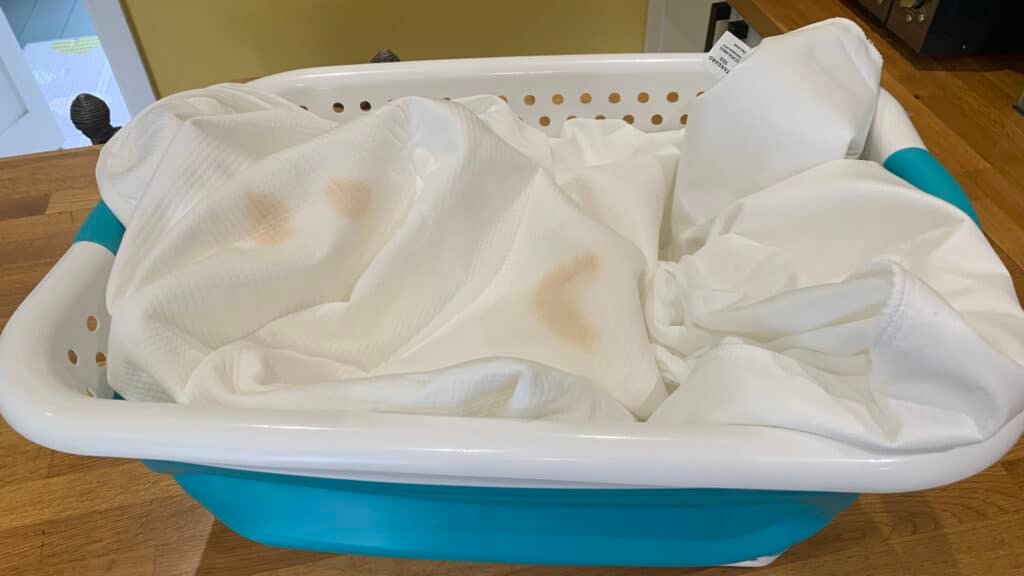
Oil or sweat stains
- Use a small amount of enzyme-free detergent pre-treatment, then hand wash
- Avoid harsh solvents that can damage insulation
-
Wrinkling or lumping
- Lay flat and gently massage internal batting to redistribute
- Avoid repeated high-heat drying that can cause clumping
-
Controller or heating failure after cleaning
- Recheck all connections and the power supply
- If the pad remains unresponsive or heats unevenly, stop using and consult the manufacturer or a certified repair service
Be transparent about limits: major electrical repairs are not DIY. Safety should guide every troubleshooting step.
Maintenance habits to extend pad life
Regular care prevents large cleaning jobs and protects wiring. Small habits make a big difference.
- Use a fitted sheet or thin cover over the pad to reduce direct soils
- Air the pad weekly to reduce odors
- Spot clean small spills immediately
- Inspect cords and seams each season
- Replace pads after signs of electrical wear or persistent malfunctions
These small steps kept my pad working reliably for five years before replacement.
Frequently Asked Questions of how to wash electric mattress pad
How often should I wash my electric mattress pad?
Wash or deep-clean your pad every 2 to 3 months depending on use and sweat levels. Frequent spot cleaning and using a sheet can extend time between full washes.
Can I machine wash any electric mattress pad?
No. Only machine wash if the care label specifically allows it. If unsure, hand wash or spot clean to avoid damaging wires or insulation.
Is it safe to tumble dry an electric mattress pad?
Only if the manufacturer permits tumble drying on the care tag. Use the lowest heat setting and remove promptly; otherwise air dry flat to be safe.
What detergent should I use to wash an electric mattress pad?
Use a mild, liquid detergent and avoid bleach and fabric softener. Harsh chemicals can damage fabrics and internal wiring.
What should I do if the controller gets wet?
Unplug immediately and do not power on until the controller is completely dry. If it shows signs of damage, replace the controller or consult the manufacturer for a safe repair.
Can I repair a ripped seam on the heated pad myself?
Small fabric tears can be sewn carefully if you avoid stitching through wiring pathways. For any seam near wiring or the controller, seek professional advice to avoid electrical risk.
Conclusion
You can safely learn how to wash electric mattress pad by following the care label, unplugging and removing the controller, and choosing gentle machine or hand-wash methods. Dry fully and inspect for damage before powering on, and use simple maintenance habits to keep your pad fresh longer. Try one cleaning method this week, and commit to small maintenance steps to extend the life of your pad. If this guide helped, leave a comment about your pad-cleaning experience or subscribe for more practical home-care tips.

Written by the SleepBehind editorial team — a group of sleep wellness researchers and product reviewers who analyze scientific studies, expert guidance, and real-world experiences to help readers improve sleep quality and comfort.