Sleep on your back or a supported side, use the right pillow, and do gentle shoulder stretches.
I’ve helped people sleep better for years and lived through shoulder pain myself, so I know what works. This guide explains how to sleep without shoulder pain in simple, practical steps. You’ll get causes, sleep positions, pillow and mattress tips, bedtime stretches, real-life mistakes to avoid, and when to see a doctor. Read on and you’ll find clear, tested ways to wake up without shoulder pain.
Why shoulder pain wakes you at night and what to watch for
Shoulder pain at night often comes from pressure on the joint, muscle tension, or a rotator cuff problem. Sleeping on the wrong side or with an unsupportive pillow can pinch tendons or compress nerves. Inflammation, past injuries, and poor posture all make pain worse when you lie down.
Common signs your shoulder issue is sleep-related:
- Pain that starts or worsens at night or with certain positions.
- Stiffness or limited range of motion after waking.
- Pain that improves with gentle movement or heat.
Understanding these triggers helps you pick the right fixes. Learning how to sleep without shoulder pain starts with spotting what makes yours worse.

Best sleeping positions to reduce shoulder pain
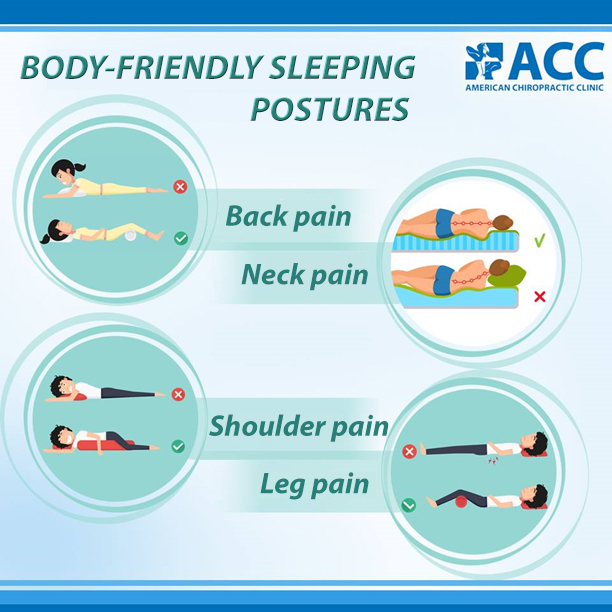
Your sleep position changes how weight presses on your shoulder. Choose options that lower pressure and keep the joint aligned.
- Lie flat with a thin pillow under your head and a small pillow or rolled towel under the affected arm.
- This keeps the shoulder joint in a neutral position and reduces sideways pressure.
Side sleeping
- Sleep on the opposite side of the painful shoulder when possible.
- If you must sleep on the painful side, place a firm pillow between your arm and torso to support the shoulder and keep it aligned.
Stomach sleeping
- This position is least ideal for shoulder pain because it twists the neck and shoulders.
- If you can’t change the habit, use a very thin pillow or none at all and keep your arm close to your body.
I shifted from aggressive side sleeping to back sleeping when my shoulder flared. It reduced pain within a week. That simple change is often the first step toward learning how to sleep without shoulder pain.
Choosing the right mattress and pillows
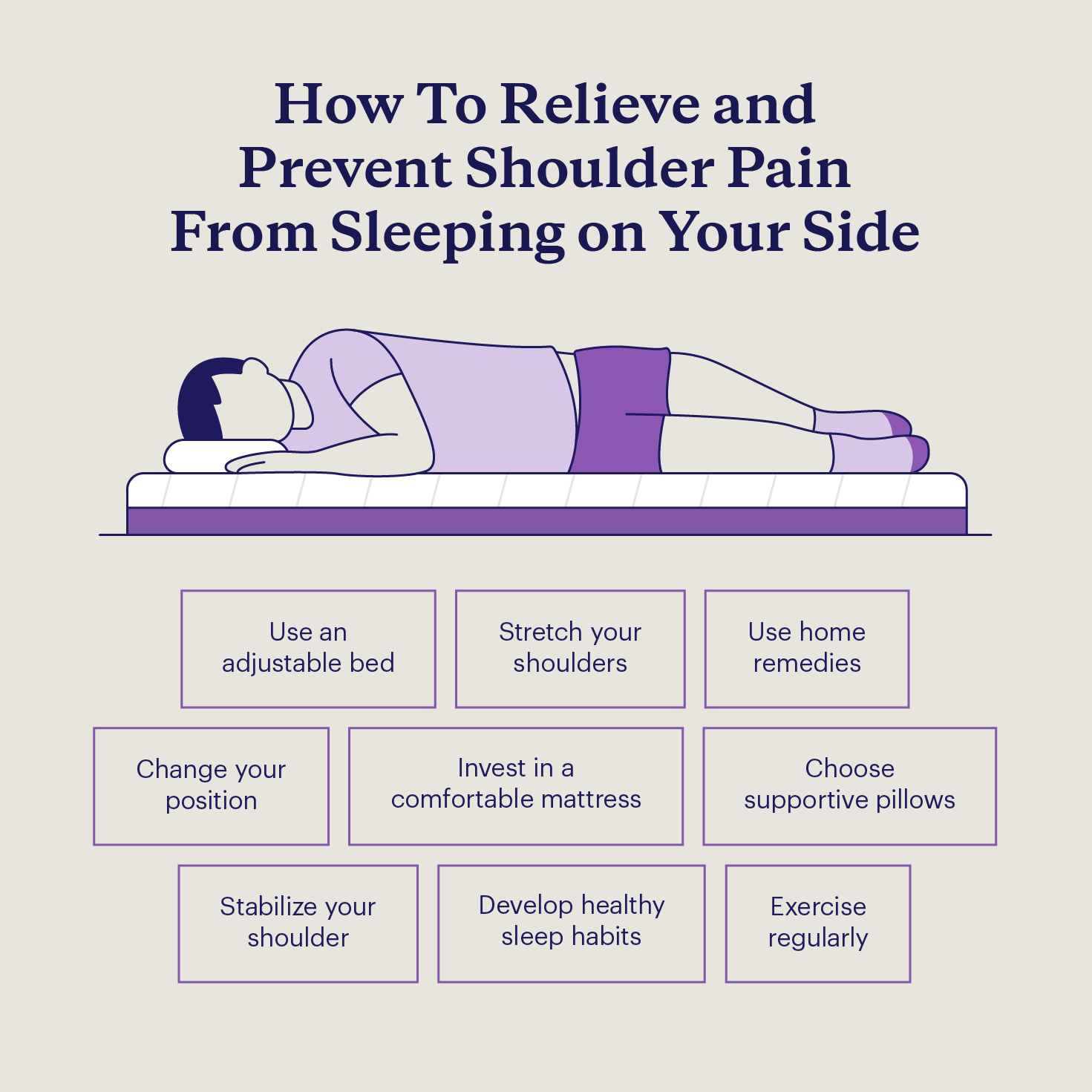
A mattress and pillow that support your alignment make a big difference in how to sleep without shoulder pain. You want support without excessive firmness that creates pressure points.
Mattress tips
- Choose medium-firm support to keep your spine and shoulder aligned.
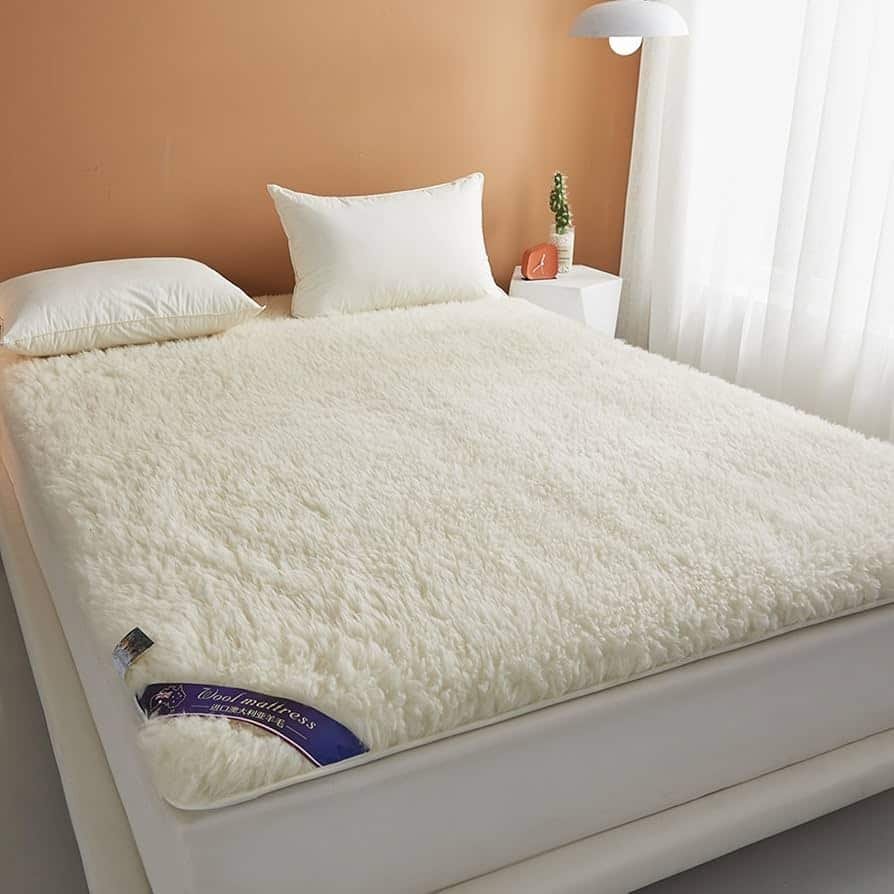
- If your mattress is too firm, add a thin topper to reduce pressure on the shoulder.
Pillow tips
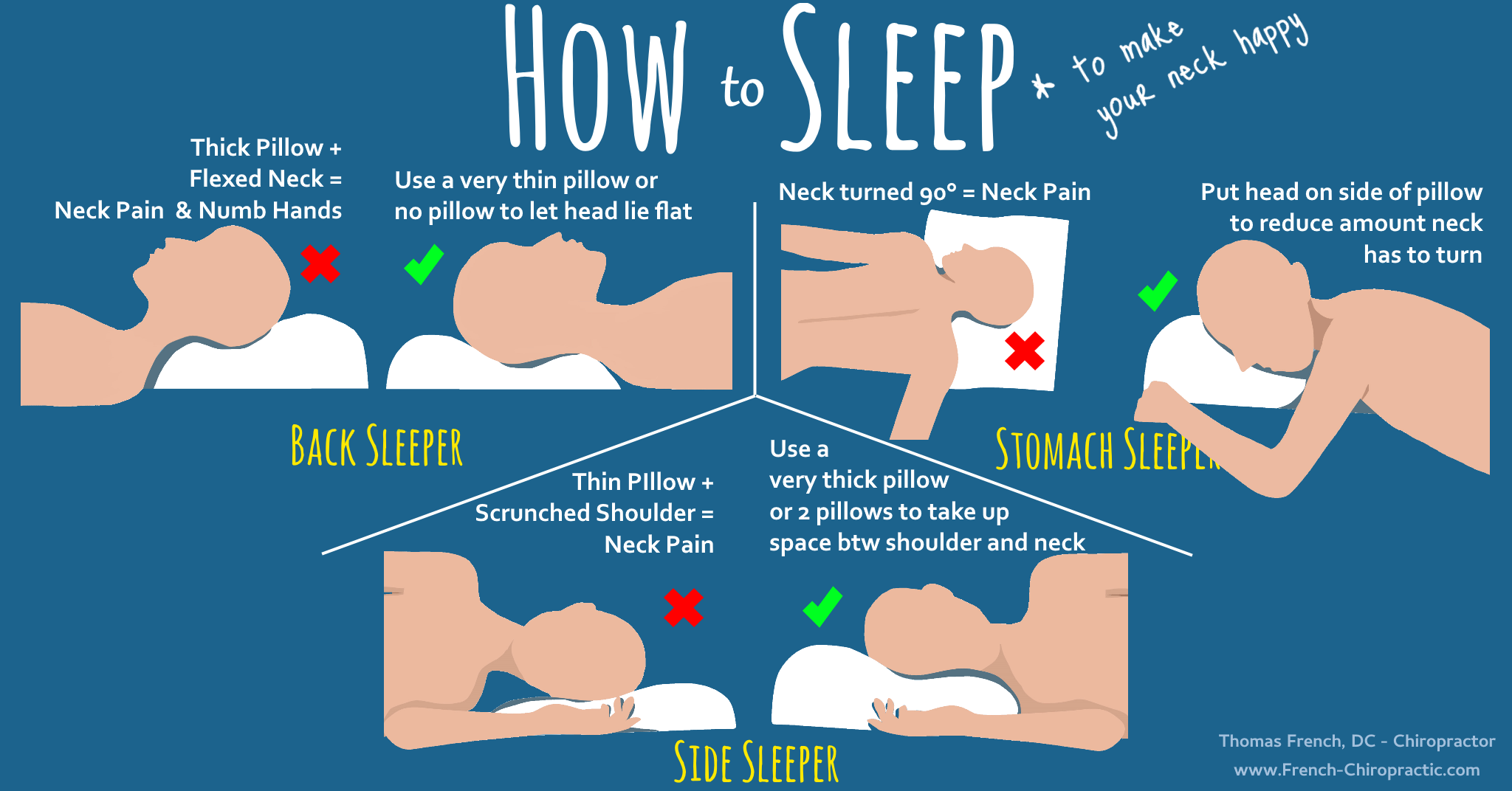
- For back sleepers, a low-to-medium loft pillow under the head plus a small pillow under the affected arm works well.
- For side sleepers, use a higher loft pillow to keep the neck aligned and a body pillow to support the shoulder.
- Consider a contoured cervical pillow or a memory foam pillow to maintain natural alignment.
I tested several pillow types during recovery. A contoured pillow plus a thin under-arm pillow helped the most. Small, consistent changes to your setup are key to learning how to sleep without shoulder pain.

Pre-bed stretches, exercises, and heat for quick relief
Gentle movement before bed loosens tight muscles and eases inflammation. Use simple, safe routines and avoid aggressive motion.
Stretches to try
- Pendulum stretch: lean forward, let the arm hang, and swing gently in small circles for one minute.
- Cross-body stretch: bring the affected arm across the chest and hold 20–30 seconds to relax the rear shoulder.
- Doorway chest stretch: stand in a doorway, place hands at shoulder height and lean forward to open the chest and reduce forward shoulder tension.
Strength and mobility exercises
- Scapular squeezes: squeeze shoulder blades together, hold 3–5 seconds, repeat 10 times.
- External rotation with light resistance: keep elbow at your side and rotate outward slowly.
Heat and ice
- Use a warm pack 15–20 minutes before bed to relax muscles.
- For acute pain or swelling, alternate with ice for 10–15 minutes early in the evening.
I found a 10-minute routine of heat, pendulum swings, and scapular squeezes made a major difference. Small nightly rituals are a cornerstone for how to sleep without shoulder pain.

Bedtime routine and sleep hygiene that protect your shoulder
Good sleep habits reduce the chance of night pain and improve healing. A consistent routine supports both sleep quality and shoulder recovery.
Simple habits to adopt
- Keep a regular bedtime and wake time to build steady sleep cycles.
- Avoid heavy meals, alcohol, and screens close to bedtime, as they can increase muscle tension and disrupt sleep.
- Set your bedroom to a comfortable temperature and low light to ease falling asleep.
Nighttime supports
- Place pillows so you maintain a pain-free position all night.
- Use a small alarm or vibrating reminder to reposition if you find yourself rolling onto the painful side.
When I changed my evenings—less screen time and a quick stretch—I slept deeper and noticed fewer shoulder twinges. Good sleep hygiene helps when you want to learn how to sleep without shoulder pain.

Common mistakes and how to avoid them
Avoiding the wrong moves is as important as doing the right ones. These mistakes often keep shoulder pain alive at night.
Mistakes people make
- Using thick, unsupportive pillows that push the shoulder out of alignment.
- Staying in one position all night without support for the shoulder.
- Overdoing stretches or exercises and causing inflammation.
- Ignoring daytime posture and heavy overhead work that strain the shoulder.
How to avoid them
- Test different pillow setups for a week before changing again.
- Use gentle stretches and stop if pain spikes.
- Balance rest and gradual strengthening; don’t rush recovery.
I once aggravated my shoulder by forcing a deep stretch when tired. The pain lasted a week longer. Gentle consistency beats aggressive fixes when figuring out how to sleep without shoulder pain.
When to see a doctor or physical therapist
Most nighttime shoulder pain responds to home measures within a few weeks. See a clinician if:
- Pain is severe or keeps you from sleeping for several weeks.
- You have numbness, tingling, or sudden weakness.
- Home care, rest, and gentle exercise don’t help.
What to expect from professionals
- A physical therapist will assess posture and movement and give a tailored exercise plan.
- A doctor may image the shoulder or recommend injections or other treatments for persistent issues.
Being honest about your symptoms speeds care. If you’re unsure whether to get help, a brief visit can rule out urgent problems and speed recovery toward learning how to sleep without shoulder pain.
Frequently Asked Questions of how to sleep without shoulder pain
What is the best position for how to sleep without shoulder pain?
Sleeping on your back with a small pillow under the affected arm or on the opposite side is best. These positions reduce pressure on the shoulder joint and support proper alignment.
How long should I try home remedies before seeing a doctor?
Try consistent home measures for two to four weeks unless pain is severe, worsening, or accompanied by numbness or weakness. If symptoms persist, seek medical evaluation.
Can pillows really change how to sleep without shoulder pain?
Yes. The right pillow keeps your neck and shoulder aligned and reduces pressure points. Many people see improvement within days of changing pillows.
Are certain mattresses better for how to sleep without shoulder pain?
A medium-firm mattress that supports spinal alignment while relieving pressure works well for most people. Topper adjustments can also help if you cannot replace your mattress.
Will stretching before bed always help shoulder pain at night?
Gentle stretches and mobility work usually help by reducing stiffness, but aggressive stretching can worsen inflammation. Use slow, pain-free motion and stop if pain increases.
Conclusion
You can sleep without shoulder pain by combining better sleep positions, supportive pillows and mattress choices, gentle pre-bed stretches, and good sleep habits. Start with simple changes: try back sleeping, support the arm, test pillow setups, and add two or three nightly stretches. Be patient and consistent—small steps often lead to big improvements. If pain is severe or persistent, get professional advice. Try one new change tonight, track your progress, and share what works or ask questions below.

Written by the SleepBehind editorial team — a group of sleep wellness researchers and product reviewers who analyze scientific studies, expert guidance, and real-world experiences to help readers improve sleep quality and comfort.