Keep your bedroom cool with fans, shade, light bedding, and simple body-cooling tricks.
I’ve helped dozens of people sleep comfortably without air conditioning by using smart room setup, cooling routines, and low-cost tools. This guide on how to sleep without air conditioning combines practical tips, science-backed ideas, and my real-world experience so you can sleep cooler and wake refreshed even on hot nights.

Why sleeping without air conditioning works
Air conditioning is convenient, but it is not the only way to control body temperature at night. Your body needs a lower core temperature to fall asleep, and you can help that process with small changes to your environment and habits. Learning how to sleep without air conditioning is about shaping your bedroom and routine to support natural cooling.
Studies show a cooler core and skin temperature help faster sleep onset and deeper sleep. Many cultures and regions sleep without AC year-round by using ventilation, shade, and fabrics. With attention to air flow, humidity, and personal cooling, it is possible to sleep well without forced cooling.

Prepare your bedroom for cool sleep
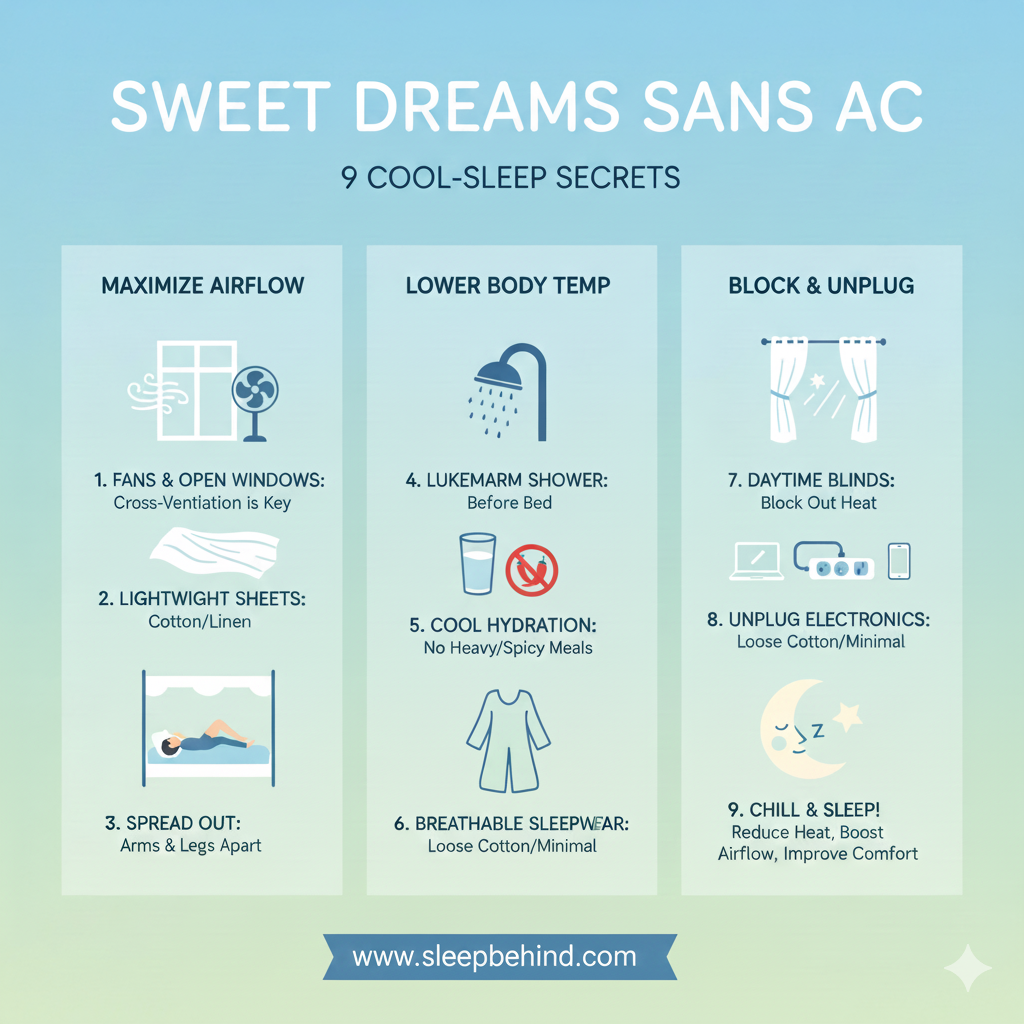
Start by reducing incoming heat and increasing airflow. Block direct sun with blackout curtains, reflective window film, or light-colored shades during the day. Open windows in the evening to let cooler air in and create cross-ventilation by opening windows on opposite sides of the room or home.
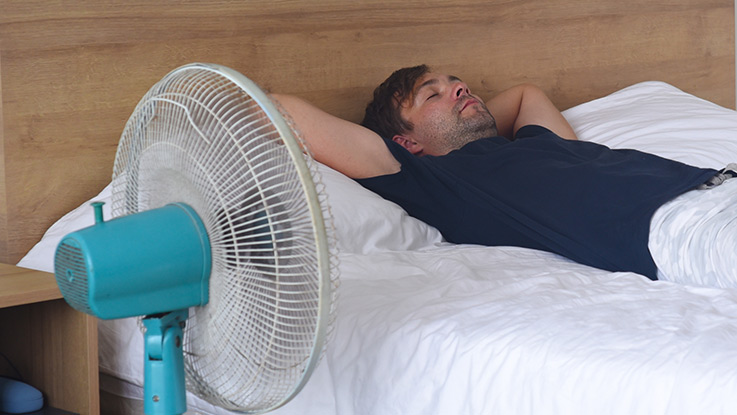
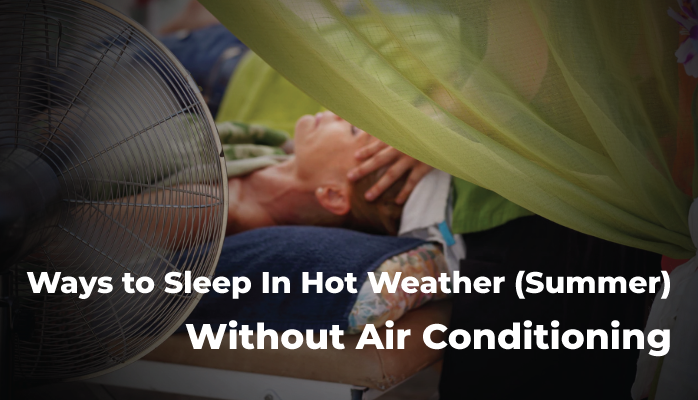
Place a fan near an open window to pull cooler air in at night. Use a second fan to create a cross-breeze or to push hot air out through another window. Keep electronics and lights off or unplugged; they give off heat even when idle. These steps form the foundation of how to sleep without air conditioning by lowering room and body temperatures naturally.

Best sleepwear, bedding, and materials
Choose fabrics that wick sweat and breathe well. Lightweight cotton, linen, and moisture-wicking blends help evaporate sweat and keep skin dry. Avoid heavy flannels and dense synthetics that trap heat.
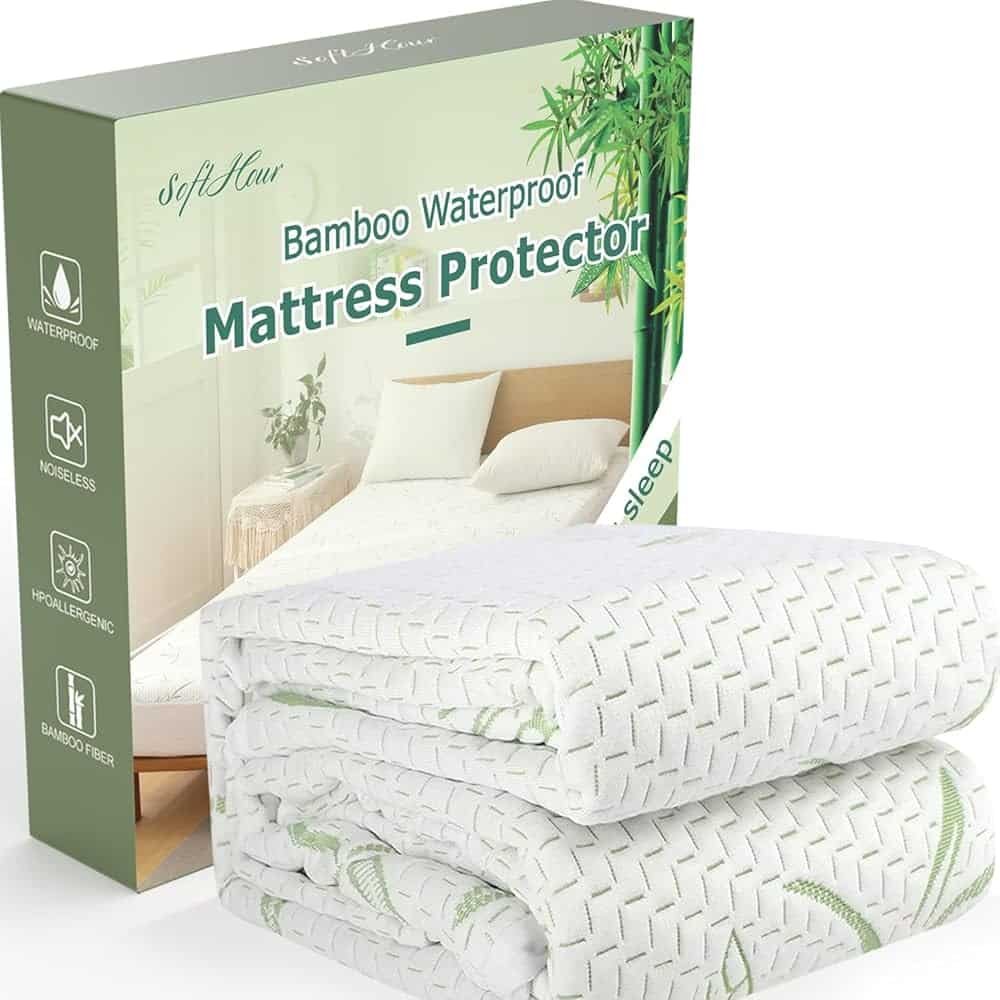
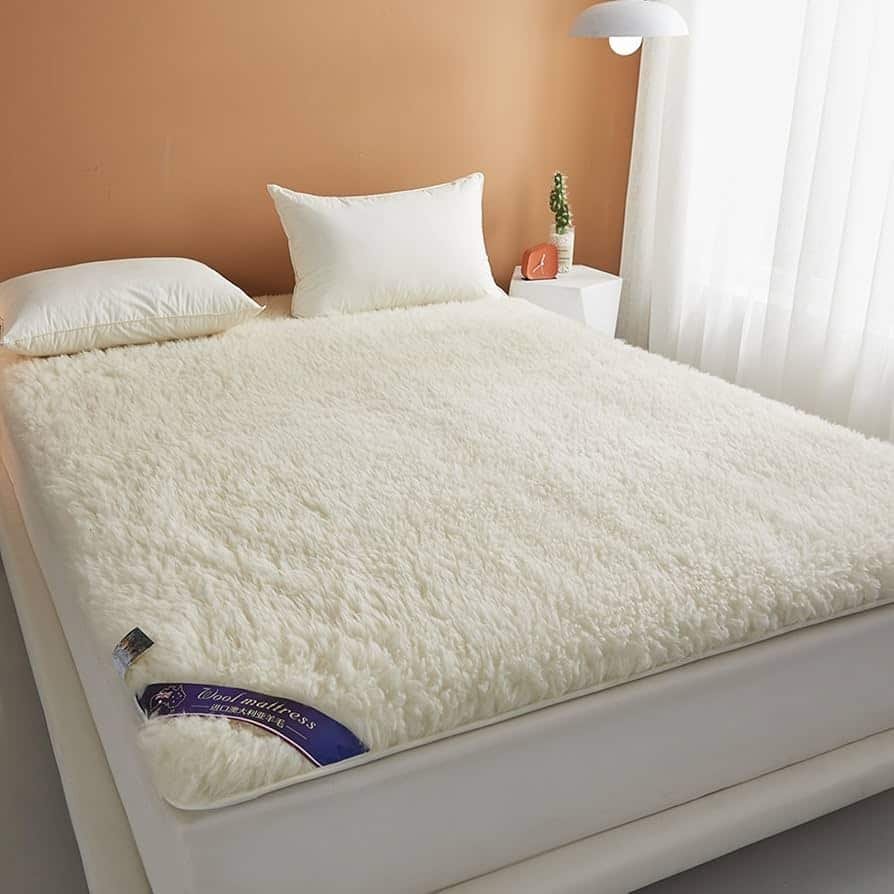
Use a lightweight, breathable mattress topper and a thin duvet or sheet set. Switch to lighter pillow fills like shredded foam or breathable down alternatives. Changing bedding seasonally and washing sheets frequently also reduces trapped heat and improves comfort for people learning how to sleep without air conditioning.
Nighttime cooling techniques and tools
Small tools can make a big difference. Try these practical steps:
- Place ice or a frozen water bottle in front of a fan to create a DIY cooling breeze.
- Use a personal bed fan or under-sheet fan that blows cool air across your body.
- Wet a washcloth with cool water and place it on pulse points like wrists, neck, and temples.
- Sleep with your head slightly elevated to improve air flow around your face.
- Use breathable sleep positions—avoid curling tightly which traps heat.
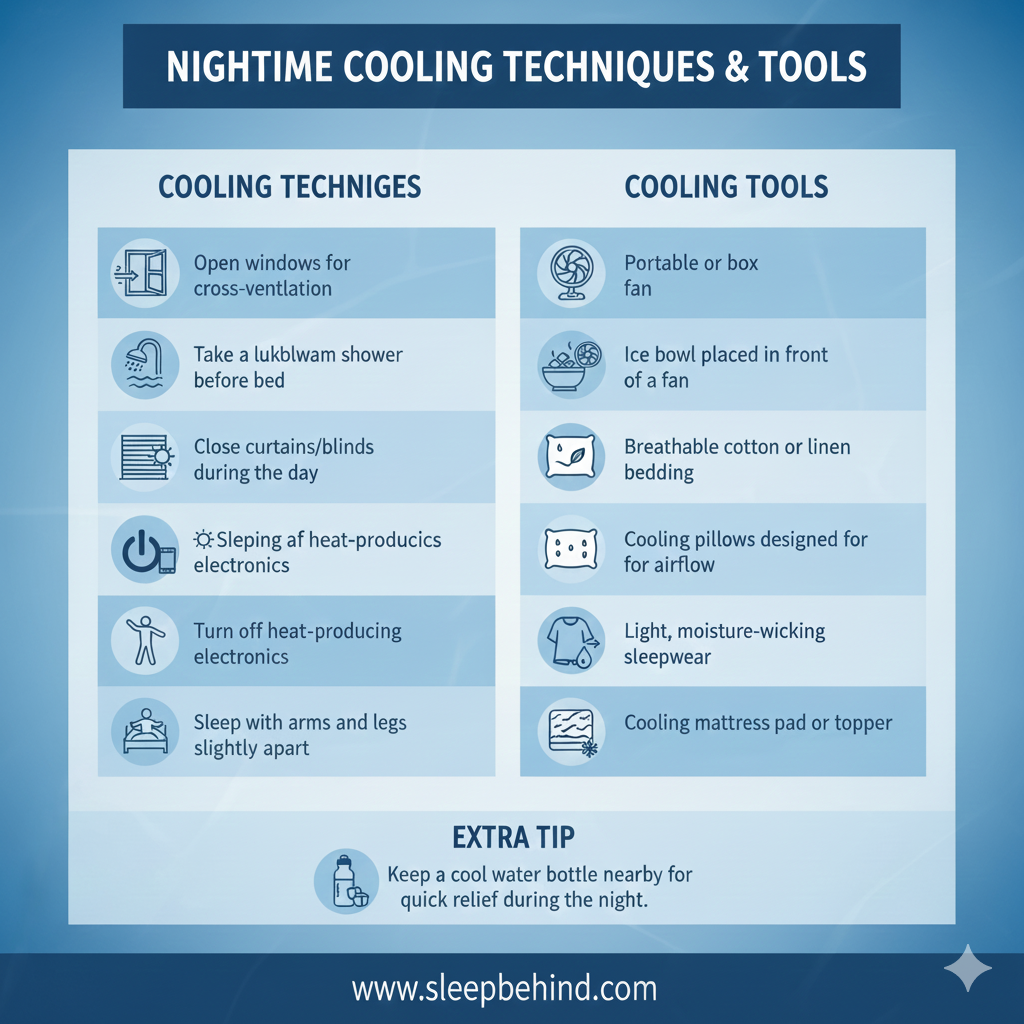
These techniques are core to how to sleep without air conditioning because they target body cooling instead of cooling the whole room.
Hydration, food, and evening habits
What you eat and drink affects your temperature regulation. Stay hydrated throughout the day and sip water in the evening if you wake hot. Avoid heavy meals, spicy food, and alcohol within a few hours of bedtime; they can raise your internal temperature.
Take a lukewarm shower 30 to 60 minutes before bed. A warm shower followed by the evaporation of cooler air can trigger a drop in core temperature that helps you fall asleep. These small habit shifts make learning how to sleep without air conditioning much easier and more reliable.
DIY and low-cost cooling hacks
Low-cost hacks can be highly effective when you want to sleep without air conditioning. Try these ideas:
- Hang damp sheets in open windows to cool incoming air through evaporation.
- Freeze a metal water bottle and place it near your feet under the sheets.
- Use a spray bottle with cool water to mist your sheets lightly before bed.
- Create a shaded balcony or window awning with an affordable fabric canopy.
- Rearrange furniture to avoid blocking natural airflow from windows and doors.
Many of these hacks are simple to test and adjust. They show how to sleep without air conditioning using creativity rather than big investments.

Health, safety, and limits
Sleeping without air conditioning is safe for most people, but take care with vulnerable groups. Infants, older adults, and people with certain medical conditions should avoid excessive heat and consult a health professional if needed. Stay mindful of humidity; high humidity makes cooling harder and can increase discomfort and mold risk.
If you experience persistent sleep problems, heat-related illness, or signs of dehydration, seek medical help. Being honest about limits helps you use the best strategies for how to sleep without air conditioning while protecting your health.
Personal experiences and practical lessons
From my own nights testing cooling methods, I learned simple lessons. A fan at the foot of the bed changed nights more than lowering a single room temperature. I once slept comfortably by combining a late shower, a fan at an open window, and a frozen bottle at my feet. Small routines became reliable signals to my body that it was time to cool down and sleep.
Mistakes to avoid include over-relying on heavy bedding and trying too many new hacks at once. Test one or two changes per night. These real-world tips help you build a personalized plan for how to sleep without air conditioning that fits your home and your body.
Frequently Asked Questions of how to sleep without air conditioning
How can I cool my room at night without AC?
Open windows in the evening, use fans for cross-ventilation, and block daytime sun with shades. Use cool showers and breathable bedding to lower body temperature quickly.
Will fans make it harder to sleep without AC?
Fans help most people by creating airflow and enhancing evaporation of sweat. Position fans to push hot air out or pull cooler air in for the best effect.
Is it safe to use frozen water bottles near the bed?
Yes, frozen water bottles are safe if wrapped in a cloth to avoid condensation puddles. Place them where they won’t leak and rotate bottles as needed.
How does humidity affect sleeping without air conditioning?
High humidity makes sweating less effective at cooling and can feel oppressive. Use dehumidifying methods or a fan to increase evaporation when humidity is high.
Can I still get deep sleep without AC?
Yes. With lowered core temperature, good airflow, and consistent routines, you can achieve deep sleep without air conditioning. Some people find sleep quality improves when they avoid overcooling a room.
Conclusion
You can sleep without air conditioning by focusing on body cooling, smart room setup, and consistent habits. Start with simple steps—block daytime heat, boost airflow at night, choose breathable bedding, and use personal cooling tools. Test one change at a time and build a routine that fits your comfort.
Take action tonight: pick two strategies from this guide and try them for a few nights. Share your results or questions below, subscribe for more sleep tips, or explore further resources to refine your cool-sleep plan.
Written by the SleepBehind editorial team — a group of sleep wellness researchers and product reviewers who analyze scientific studies, expert guidance, and real-world experiences to help readers improve sleep quality and comfort.