Sleep on your back or propped side with a pillow under the arm and gentle icing before bed.
I have treated and lived with shoulder pain for years, so I know how small changes can give big relief. This guide explains how to sleep with shoulder tendonitis in clear steps. You will learn positions, pillow choices, bedtime routines, simple stretches, and when to see a doctor. I mix clinical tips, plain advice, and things I tried myself so you can sleep with less pain and wake more rested.

Why shoulder tendonitis often hurts at night
Shoulder tendonitis is inflamed tendon tissue around the shoulder. At night, swelling can settle and press on nerves. Lying still stops blood flow from clearing inflammation quickly. That makes pain feel worse and sleep harder.
How to sleep with shoulder tendonitis starts with knowing this. If you reduce pressure and swelling, pain will ease. Small changes to position and routine can cut night pain a lot.

Best sleeping positions for shoulder tendonitis
Sleeping position matters a lot when you learn how to sleep with shoulder tendonitis. Test these positions and pick what feels calmest.
- Back with arm supported — Lie on your back. Put a small pillow under the affected arm to keep it slightly away from your body.
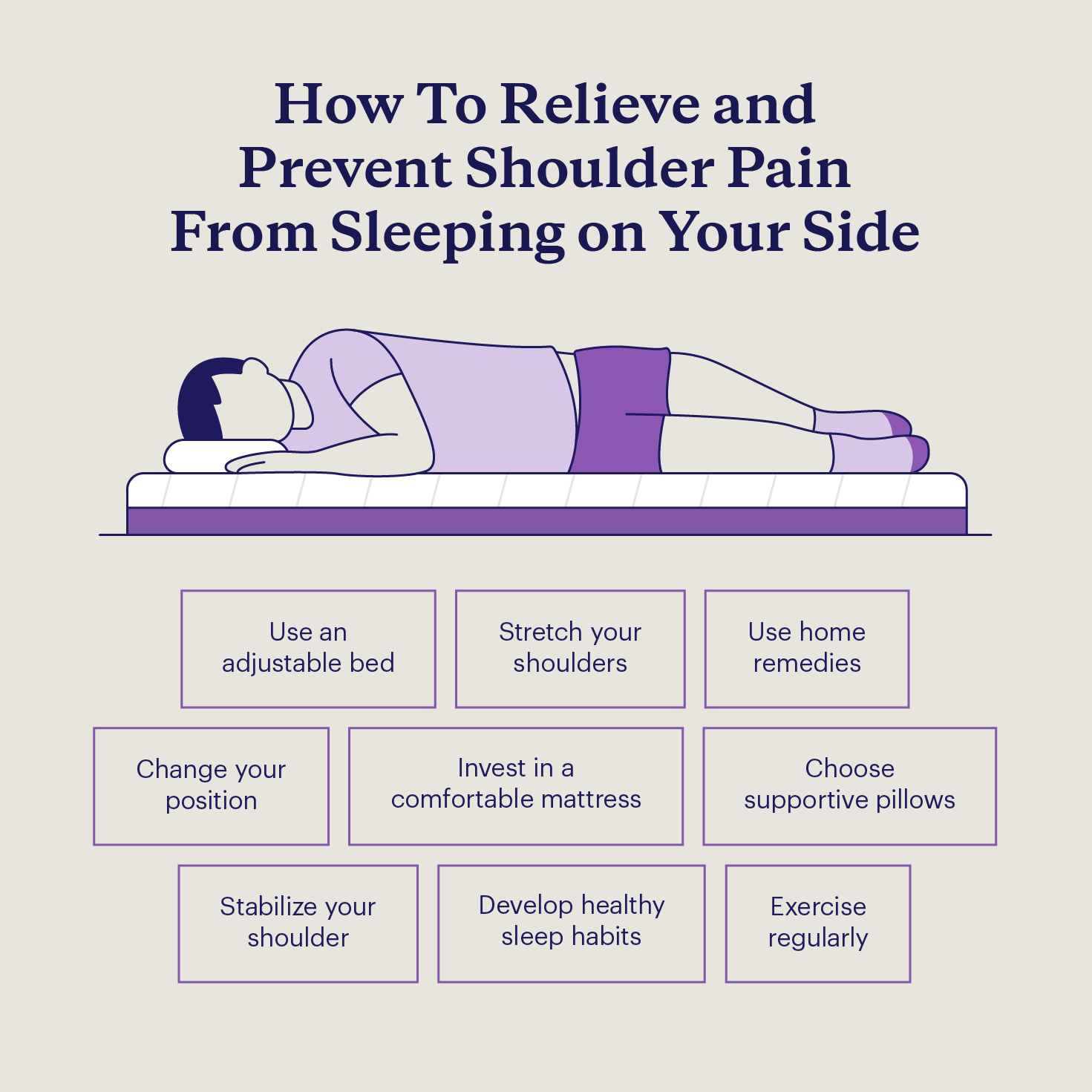
- Slightly reclined side sleep — Raise your head and chest with pillows so the shoulder bears less weight. Place a pillow between your knees for comfort.
- Avoid full-side sleeping on the sore shoulder — That adds direct pressure and stretches the tendon.
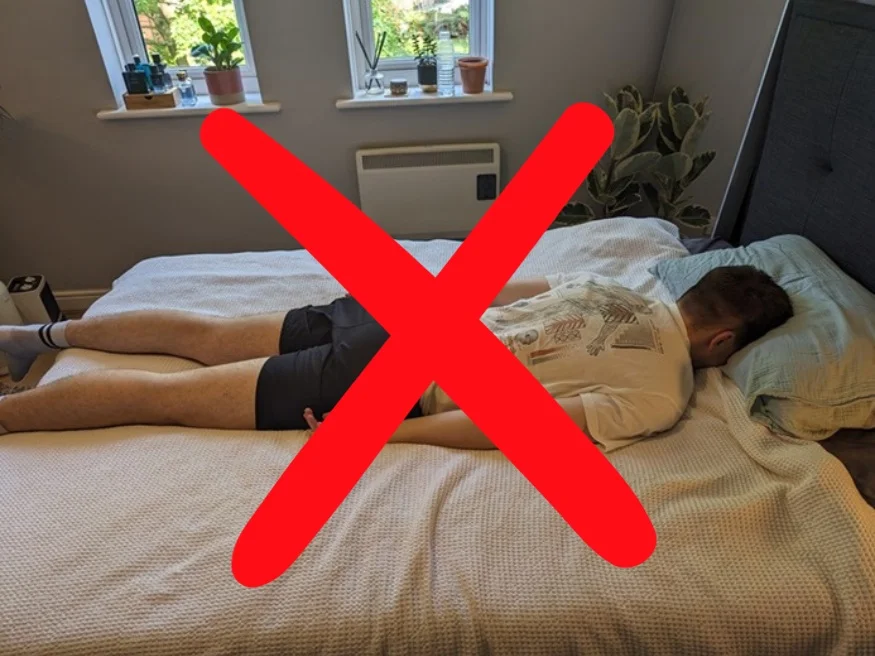
- Avoid stomach sleeping — That twists the neck and drives the arm behind the body.
Try each for a week. You may need to retrain your body to sleep a new way. Use gentle supports and make the new position cozy.

Pillows and supports that help
Choosing the right pillow is a big part of how to sleep with shoulder tendonitis. A few tools help most people.
- Contour or cervical pillows — They keep the neck aligned and cut shoulder strain.
- Small wedge or body pillow — A wedge under your upper body reduces pressure. A long body pillow supports the arm.
- Arm pillow or rolled towel — Place it under the arm when on your back or side to prevent the shoulder from sagging.
- Ice pack with cloth sleeve — Use before bed for 10–15 minutes to lower swelling and pain.
Match the pillow height to your chosen position. Too high or too low shifts the shoulder. Replace pillows when they flatten.
Mattress and bed setup tips
Your mattress and bed setup play a role in how to sleep with shoulder tendonitis. The wrong mattress can increase strain.
- Medium-firm mattress — It supports the shoulder and keeps the spine aligned.
- Topper for pressure relief — A memory foam or latex topper softens the shoulder area while keeping support.
- Adjustable bed or wedge — Slight elevation reduces pressure on the shoulder and helps pain control.
- Keep the sleeping environment cool — Cooler rooms can reduce inflammation and make sleep more comfortable.
Test small changes first. A topper or pillow change often helps more than a new mattress.

Pre-sleep pain relief and bedtime routine
A calm pre-sleep routine improves how to sleep with shoulder tendonitis by reducing pain and stress. Try this simple plan.
- Ice for 10–15 minutes — Apply an ice pack wrapped in cloth 60–90 minutes before bed to cut swelling.
- Gentle pain relief if needed — Short-course over-the-counter meds can help. Follow label directions and talk to your doctor.
- Light massage and warmth — After icing, a short warm pack and gentle massage can relax muscles.
- Relaxation and sleep hygiene — Dim lights, limit screens, and use deep breathing to fall asleep easier.
I learned that a 30-minute calm routine made my nights easier. Keep it consistent for best results.
Nighttime braces, tapes, and supports
Braces and taping can steady the shoulder and reduce pain while you sleep. They are part of how to sleep with shoulder tendonitis for some people.
- Soft shoulder sling at night — Holds the arm close to the body and prevents awkward stretches.
- Kinesiology tape — Applied correctly, it can reduce strain and remind you to keep the arm still.
- Night splints — Designed for some shoulder conditions to limit movement without full immobilization.
- Use short trial periods — Wear supports for a few nights to test comfort and benefit.
Braces can be useful but avoid tight straps that cut circulation. Ask a physical therapist for proper fitting and taping technique.

Gentle exercises and stretches you can do safely
Slow, simple moves help healing and reduce night pain. Include these in your day to improve how to sleep with shoulder tendonitis.
- Pendulum swings — Lean forward and let the arm hang. Gently swing in small circles for 1–2 minutes.
- Wall climbs — Face a wall and “walk” your fingers up as high as comfortable. Hold briefly, then walk down.
- Shoulder blade squeezes — Sit tall and squeeze shoulder blades together for 5 seconds. Repeat 10 times.
- Doorway stretch for chest — Gently open the chest to reduce front tightness that pulls on the shoulder.
Do these once or twice a day. Stop if pain sharply increases and consult a clinician. Consistent gentle work often beats occasional intense exercise.

My personal experience and practical tips
I had tendonitis from heavy lifting and poor sleeping habits. I slept on the sore side for years until pain woke me nightly. I switched to back sleeping with a pillow under the arm and iced before bed. Within two weeks I slept longer and woke with less pain.
Here are real tips I still use.
- Pack a small travel pillow for naps and plane rides — It keeps the shoulder supported.
- Swap positions gradually — I train my body by using the new position every nap.
- Keep tools handy — Ice packs, a soft sling, and a supportive pillow near the bed.
- Note what works in a sleep log — Track positions, pain levels, and any meds to learn patterns.
These small, practical moves made the biggest change for me. They may help you too.

When to see a doctor and warning signs
Knowing when to seek help is part of how to sleep with shoulder tendonitis. Some signs need medical care.
- Severe, constant pain that wakes you despite changes — This needs prompt evaluation.
- Weakness or numbness in the arm — These could mean nerve involvement.
- Redness, warmth, or fever with shoulder pain — Suggests infection or inflammatory disease.
- No improvement after 6–8 weeks of self-care — Ask a clinician about physical therapy or imaging.
A provider can guide injections, imaging, or a targeted therapy plan if needed. Early help often shortens recovery.
Practical checklist to try tonight
Use this quick checklist to improve how to sleep with shoulder tendonitis tonight.
- Choose back or slightly reclined position.
- Place a pillow under the affected arm.
- Ice for 10–15 minutes 60–90 minutes before bed.
- Use a supportive pillow for neck alignment.
- Wear a soft sling if it feels helpful.
- Do a short relaxation routine to fall asleep.
Try the checklist for a week and note changes. Small wins add up fast.
Frequently Asked Questions of how to sleep with shoulder tendonitis
How long will shoulder tendonitis keep me from sleeping well?
Most people see night pain ease in a few weeks with rest, ice, and position changes. If pain lasts beyond 6–8 weeks, see a clinician.
Can I sleep on my side with shoulder tendonitis?
You can sleep on your side if the sore shoulder is not under direct pressure and it is well supported. Placing a pillow under and in front of the arm helps.
Should I use heat or cold before bed?
Cold reduces swelling and pain and is best before bed for shoulder tendonitis. A short warm pack after icing can relax tight muscles if needed.
Will a sling make the shoulder stiff?
Wearing a sling overnight for short periods usually reduces pain without causing major stiffness. Avoid full-time immobility; follow a therapist’s guidance.
Are sleeping pills a good option for shoulder tendonitis pain?
Sleep aids may help short-term but do not treat the tendon problem. Focus on position, ice, and pain control, and discuss sleep aids with your clinician.
Is surgery needed if I can’t sleep?
Surgery is rare for tendonitis and is considered after conservative care fails or if there is a major tear. Most people improve with non-surgical care.
Conclusion
Learn how to sleep with shoulder tendonitis by reducing pressure, controlling swelling, and using the right supports. Try back or slightly reclined positions, use a pillow under the arm, ice before bed, and add gentle exercises during the day. Track what helps and seek medical advice if pain is severe or long-lasting. Start tonight with one change and build from there — small steps lead to better sleep and steadier recovery. If this guide helped, try the checklist, leave a comment, or subscribe for more practical pain-relief tips.

Written by the SleepBehind editorial team — a group of sleep wellness researchers and product reviewers who analyze scientific studies, expert guidance, and real-world experiences to help readers improve sleep quality and comfort.