Elevate and support your arm, sleep on your back or the uninjured side with firm pillow support.
I’ve helped many people recover from shoulder injuries and taught them how to sleep with shoulder sling in ways that ease pain and protect healing tissues. This guide is a practical, step-by-step manual you can rely on. I explain safe positions, pillow setups, what to avoid, tips for pain control, and simple habits that helped my patients and me get real rest while wearing a sling.
Why good sleep matters when you wear a shoulder sling
Poor sleep slows healing and raises pain. When you learn how to sleep with shoulder sling correctly, you protect your repair and wake less. Rest also lowers inflammation and helps your body repair muscle and tendon tissue.
Doctors usually advise keeping the sling on while sleeping until they tell you otherwise. A sling limits sudden arm movement and holds the shoulder in a safe position. Following simple sleep rules reduces risk of catching, pulling, or re-injuring your shoulder.

Best sleep positions when you wear a shoulder sling
Choosing the right position is the most important change. These are safe, common options when learning how to sleep with shoulder sling.
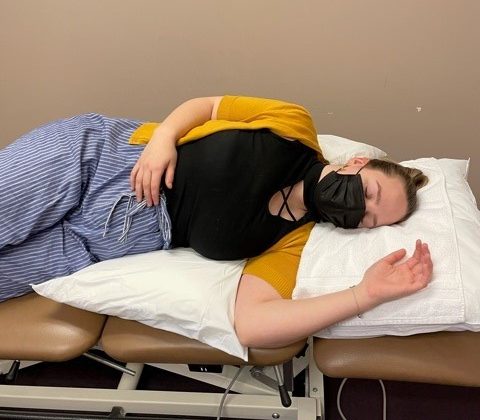
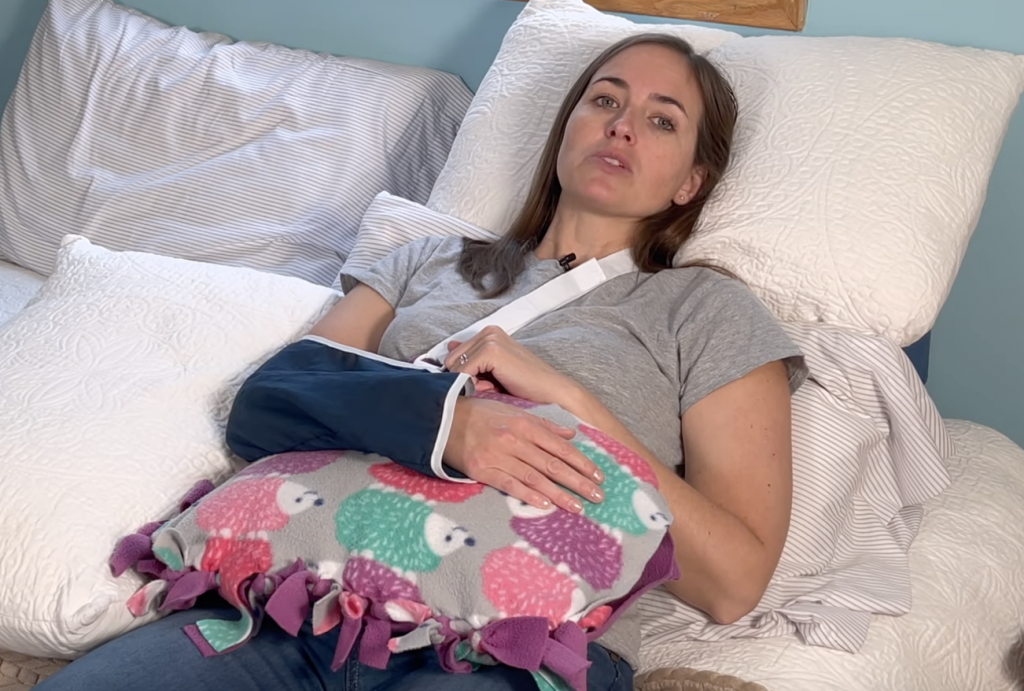
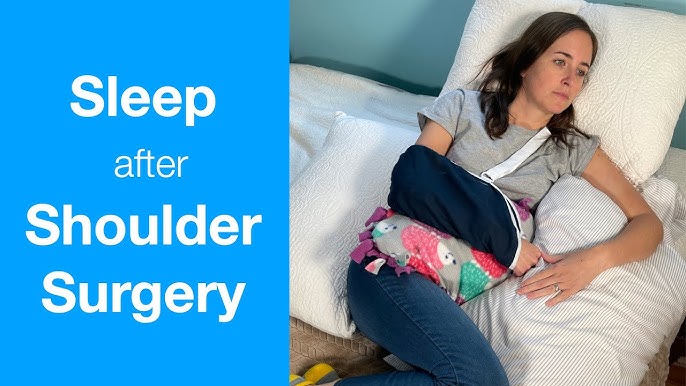
- Sleep on your back with a pillow under the elbow and forearm. This keeps the arm slightly elevated and reduces pressure on the shoulder.
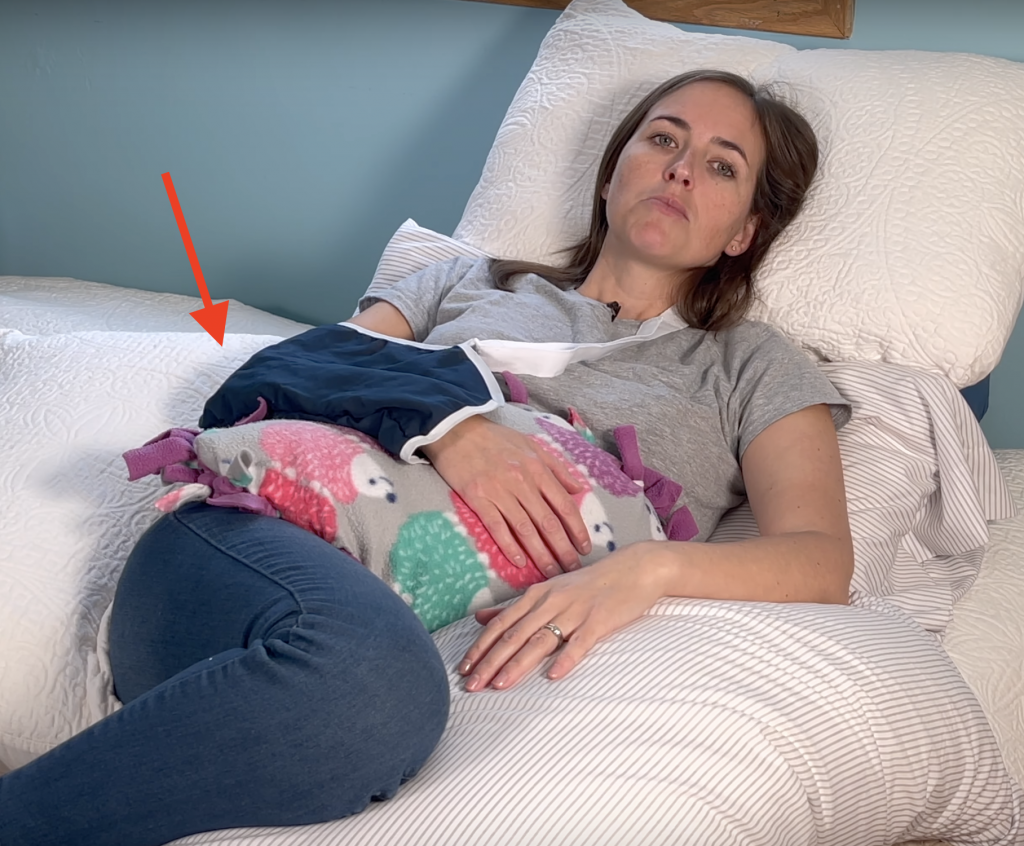
- Sleep on the uninjured side with the sling arm supported by pillows in front of you. Keep the sling arm forward so it does not twist backward.
- Avoid sleeping on your stomach. Stomach sleep can twist the shoulder and stress the repair.
- If your doctor allows, a recliner or elevated bed position can feel easier in the first days after injury or surgery.
Tips to maintain position while sleeping
- Tuck a long body pillow behind your back to prevent rolling.
- Use a wedge pillow for back elevation to reduce swelling.
- Wrap a small blanket or pillow around the sling arm to give gentle, even pressure and a secure feeling.
Pillow and bed setup for stable, pain-free sleep
The right pillow setup makes all the difference in how to sleep with shoulder sling.
- Use a firm pillow under the elbow and forearm. The elbow should be slightly higher than the shoulder.
- Add a full-length body pillow to support the torso and keep you from rolling onto the injured side.
- Place a thin pillow between knees when side-sleeping to keep hips level and spine aligned.
- Consider a cervical pillow for neck support to avoid tension that can pull on the shoulder.
Practical pillow combos
- Back sleepers: wedge under upper back + firm pillow under sling arm.
- Side sleepers (uninjured side): body pillow hugging the front + pillow under arm.
- Recliner/no-bed: neck pillow + small rolled towel under elbow.
Step-by-step routine to fall asleep comfortably in a sling
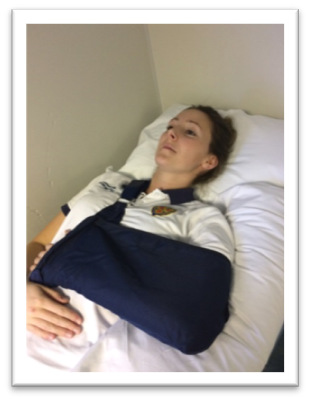
A clear routine helps you relax and protect the shoulder at night. Here’s a simple sequence for how to sleep with shoulder sling.
- Position pillows: set the elbow pillow and body pillow before you lie down.
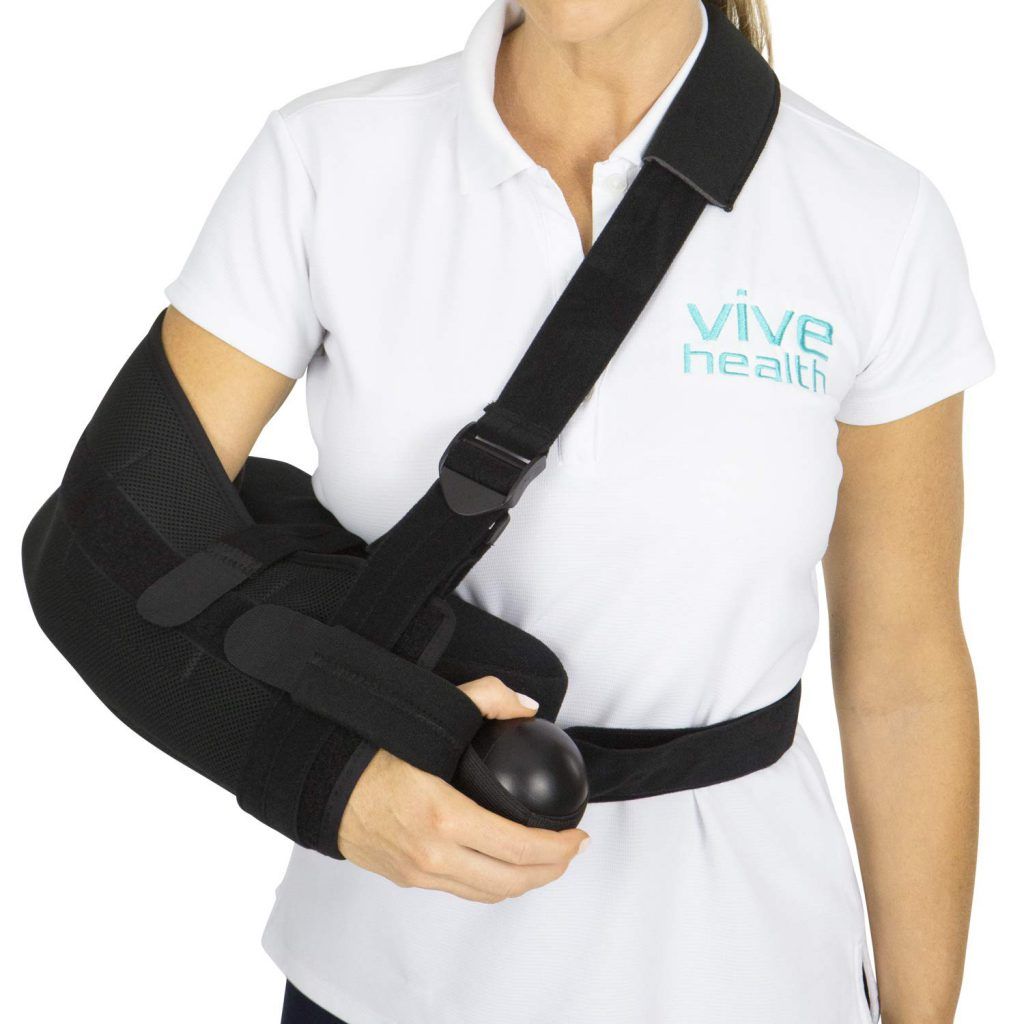
- Check the sling: ensure the sling supports the arm and holds the elbow at a comfortable angle.
- Ice or heat (as advised): ice 10–15 minutes before bed if swelling is present, or heat if stiffness dominates and your doctor okays it.
- Take prescribed pain medicine 30–60 minutes before bed if needed. This reduces pain spikes that wake you.
- Practice slow breathing or a brief guided relaxation while holding the sling arm steady.
Small adjustments during the night
- If you wake and the arm feels tight, gently shift the pillow under the elbow.
- Avoid removing the sling unless your doctor said it’s okay.
- If you roll, pause and reset pillows before falling back asleep.
Managing pain, swelling, and sleep interruption
Pain and swelling are common. They make learning how to sleep with shoulder sling harder, but manageable.
- Follow your surgeon’s pain plan. Proper timing of medication helps control discomfort through the night.
- Elevate the arm slightly to decrease swelling. A pillow under the elbow does this well.
- Use short icing sessions in the evening if recommended. Too much ice can stiffen the joint.
- Keep a glass of water, phone, and a small flashlight within reach so you don’t strain to reach items during the night.
When to contact your provider
- Severe increase in pain or numbness in the hand or fingers.
- Sling feels too tight or causes skin color change in the arm.
- Fever or unusual drainage after surgery.

Common problems and practical fixes
Broken sleep, tingling hands, and stiff necks are common when you wear a sling. Here are fixes I’ve used with real people.
Problem: You roll onto the injured side
- Fix: Place a long body pillow behind your back. Tape a light alarm or position marker to remind you to keep the uninjured side down.
Problem: Hand or fingers tingle at night
- Fix: Check sling tightness and position. Elevate the elbow more or loosen the strap a tiny amount, then retighten per instructions.
Problem: Stiff neck or shoulder in morning
- Fix: Adjust neck support and use a small, soft towel under the sling arm to reduce tension.
Problem: Pain spikes after lying down
- Fix: Take pain medicine earlier, or add a short relaxation routine to lower overall tension and pain perception.
Real-life lessons and personal tips
From my work with patients and my own recovery, these small habits made nights better.
- I learned to set up pillows while upright in bed. It’s easier and faster than doing it lying down.
- I found a thin rolled towel under the wrist stopped my hand from flopping and reduced strain.
- Accept rest days. When I tried to return to side sleeping too soon, I woke up in pain. Slower progress pays off.
Be patient. Learning how to sleep with shoulder sling takes a few nights to feel natural. Treat yourself kindly and make comfort a priority.
Frequently Asked Questions of how to sleep with shoulder sling
How long should I sleep with the sling on?
Follow your surgeon’s instructions. Many people wear the sling full-time for the first few weeks and only remove it for hygiene or exercises when allowed.
Can I sleep on my injured side with a sling?
Sleeping directly on the injured side is usually not recommended. Instead, sleep on the uninjured side with pillows supporting the sling arm.
Should I elevate my shoulder or arm while sleeping?
Yes. Elevating the elbow slightly above the shoulder reduces swelling and eases pain. Use a firm pillow under the forearm for this.
Is it okay to take pain meds to sleep?
Taking prescribed pain medicine before bed is often helpful. Always follow dosing guidance from your doctor to avoid side effects.
What if my hand goes numb during the night?
Check sling tightness and position first. If numbness persists, contact your healthcare provider promptly for an adjustment.
Conclusion
Sleeping well while wearing a sling is possible with the right setup and habits. Keep the sling on as instructed, use firm pillow support under the elbow, favor back or uninjured-side positions, and manage pain before bed. Little changes like a body pillow, wedge, and a short routine can make big differences in comfort and healing. Try one new tip tonight, see how it feels, and adjust until you find your best sleep pattern. If this guide helped, share your experience or subscribe for more recovery tips and personal-tested advice.

Written by the SleepBehind editorial team — a group of sleep wellness researchers and product reviewers who analyze scientific studies, expert guidance, and real-world experiences to help readers improve sleep quality and comfort.