Sew a comfy sleeping mask quickly using soft fabric, light batting, and simple elastic.
I have sewn dozens of sleep masks and taught friends how to sew a sleeping mask that fits well and blocks light. Today I share clear steps, tool lists, patterns, and real tips from my experience. If you want a soft DIY sleeping mask that lasts, read on for a full how to sew a sleeping mask guide that walks you through every choice and mistake to avoid.
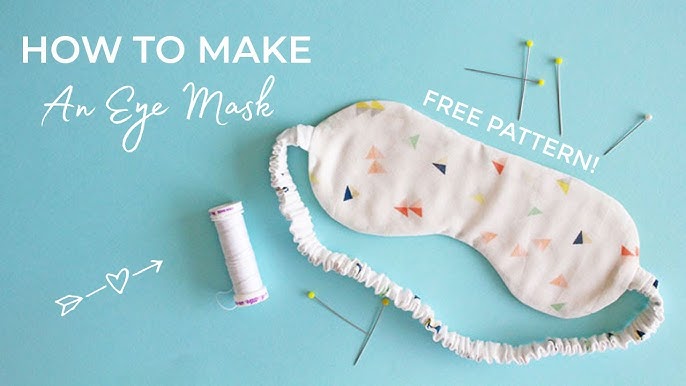
Why make your own sleeping mask?
Making your own sleeping mask saves money and lets you choose fabrics that feel good against your skin. A handmade mask can be shaped for your face, padded to block more light, and styled to match your tastes. When you learn how to sew a sleeping mask, you can fix fit issues instantly and try new fabrics with low risk. I prefer making masks because I can use silk for my skin and cotton for travel.
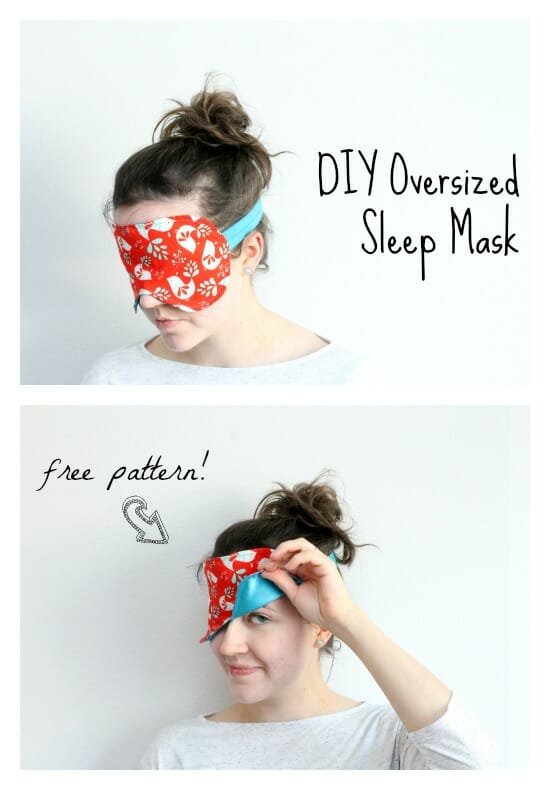
Materials and tools you need
Choose items that feel good and are easy to sew. Here is a simple list to get started.
- Fabric for the front: silk, satin, cotton, or rayon work well.
- Fabric for the back: soft cotton or brushed flannel is gentle on skin.
- Light batting or foam: thin cotton batting or silk filler for padding.
- Elastic or ribbon: 1/4 inch elastic is common; ribbon is an option for a looser tie.
- Sewing tools: sewing machine or hand-sewing needles, thread, pins, scissors.
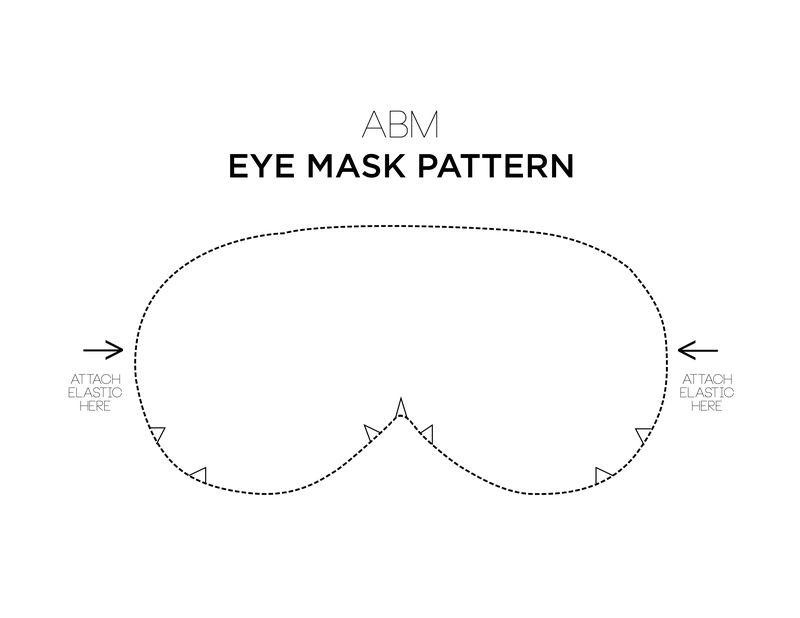
- Pattern template: printable or drawn by hand on paper or cardstock.
I recommend silk for the front if you worry about creases. If you have sensitive skin, choose natural fibers. These choices make the final product comfortable and effective at blocking light.

Pattern and cutting: shape and size
A good pattern is the base of a tidy mask. Use a simple eye-curve shape that fits your face.
- Standard adult size: about 8.5 inches wide and 3.5 to 4.5 inches tall at the center.
- Child size: reduce width to about 7 inches and height to about 3 inches.
- Draw the curve so the mask sits on the bone around the eye, not on the lashes.
Steps to cut:
- Fold fabric with right sides together.
- Pin the paper pattern to layers: front fabric, batting, and back fabric.
- Cut around the pattern, leaving 1/4 inch seam allowance all around.
I trace directly on paper to keep shapes consistent. When learning how to sew a sleeping mask, make one test mask from scrap fabric to check fit before cutting good material.
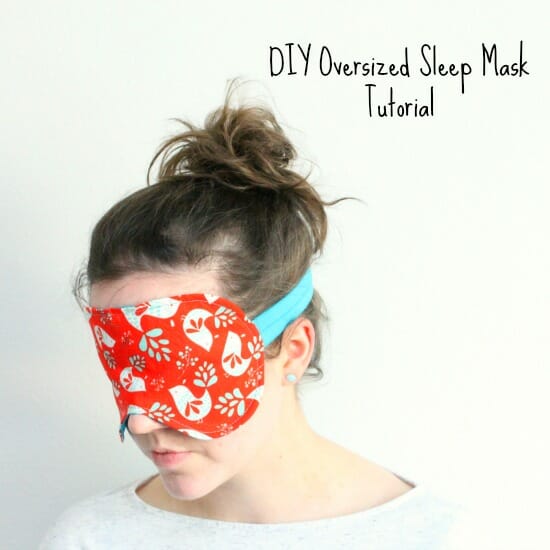
Sewing the mask: machine and hand methods
Sewing the mask is quick. Both machine and hand sewing work well.
- Machine method:
- Layer fabrics: right side of front fabric facing batting, back fabric right side facing batting or wrong side depending on style.
- Pin layers and stitch around the edge with a 1/4 inch seam allowance. Leave a 1.5 to 2 inch gap for turning.
- Clip curves carefully with small snips to reduce bulk.
- Turn mask right side out through the gap. Press the edges flat with an iron.
- Topstitch close to edge to close gap and add a finished look.
- Hand-sewing method:
- Use backstitch or running stitch to sew layers together.
- Leave a small gap to turn, then slip stitch closed after pressing.
- Topstitch by hand for a neat finish.
When I teach people how to sew a sleeping mask, I show the clipping step slowly. Clipping curves makes a huge difference in how smooth the edges lie.
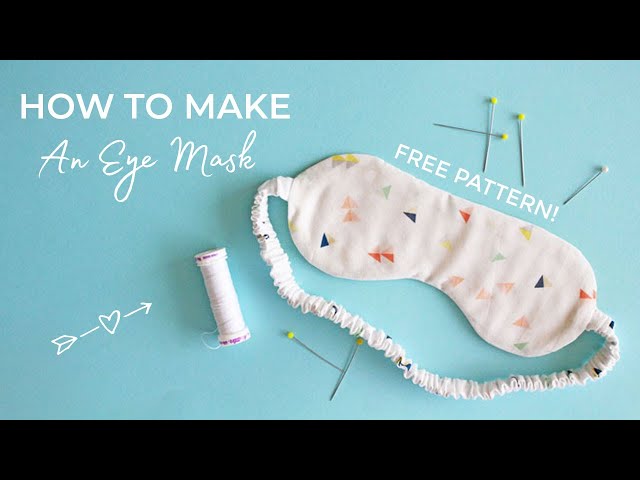
Adding padding and closure options
Padding and the right strap make the mask comfortable and secure.
-
Padding options:
-
Thin cotton batting: breathable and easy to sew.
-
Foam: blocks light well but can be bulky.
-
Silk or flannel lining: adds comfort without extra thickness.
-
Closure options:
-
Elastic: sew into side seams or loop into a channel at the edges.
-
Ribbon or ties: sew tabs to each side and tie behind the head.
-
Adjustable elastic: use a small slider to adjust length.
How to attach elastic:
- Cut elastic 12 to 15 inches for adults, adjusting for head size.
- Pin each end to side seams inside the mask before final topstitching.
- Secure with a few stitches or a short box stitch for strength.
I prefer 1/4 inch elastic and to sew it into the seam before closing the gap. It is simple and keeps the mask tidy. Learning how to sew a sleeping mask with elastic is a fast win for comfort.

Finishing touches and troubleshooting
Little details make a big difference. A neat finish can improve comfort and durability.
-
Edge finishing:
-
Topstitch 1/8 inch from the edge to keep layers flat.
-
Use bias tape if you want a decorative edge.
-
Common problems and fixes:
-
Mask gaps in the center: reduce seam allowance or add darts.
-
Elastic feels tight: remove and shorten elastic less, or use wider elastic.
-
Mask flips up: add a thin darts at the nose area for a better fit.
If your mask puckers, press with steam and re-topstitch gently. When I first learned how to sew a sleeping mask, I used too much batting. The mask looked bulky. I now use thin batting and get better light blocking without weight.

Care, washing, and longevity
Wash and care affect how long your mask lasts.
-
Washing tips:
-
Hand wash silk masks in cool water with gentle detergent.
-
Machine wash cotton masks on a gentle cycle inside a laundry bag.
-
Air dry or tumble dry low if the fabric allows.
-
Longevity tips:
-
Replace elastic when it loses stretch.
-
Spot clean inner layers if oils build up.
-
Store in a cool, dry place to protect fabric and padding.
I wash my silk masks by hand. They stay soft and last longer. Knowing how to sew a sleeping mask also means you can make a fresh inner lining if your mask wears out.
Personal tips, mistakes to avoid, and expert notes
I want to share plain advice from my sewing experience.
- Try multiple sizes before committing to a final pattern. Faces differ.
- Use the thinnest padding that still blocks light. Thick padding can push the mask away from the face.
- Match fabric texture to use: silk for night skin care, cotton for travel durability.
- Avoid heavy embellishments near the eyes. They add weight and can be uncomfortable.
My early masks had elastic placed too far back. The mask moved with my hair. I learned to mark exact placement on my pattern. That small step fixed fit problems. Following these tips will make your first how to sew a sleeping mask project rewarding and fast.

Frequently Asked Questions of how to sew a sleeping mask
How long does it take to sew a sleeping mask?
A basic sleeping mask takes 30 to 60 minutes for a beginner. More detailed masks with piping or adjustable straps can take longer.
What fabric is best for a sleeping mask?
Silk and satin are gentle on skin and help reduce creases, while cotton is breathable and easy to wash. Choose fabric based on comfort and care needs.
Can I hand-sew a sleeping mask instead of using a machine?
Yes. Hand sewing works well with simple stitches like backstitch and slip stitch, though a machine gives a faster, more uniform finish.
How do I stop my mask from slipping off at night?
Use a slightly wider elastic or add a small silicone strip on the inside for grip. Also ensure the fit follows the eye bone and not the lashes.
Is it safe to use batting next to my skin?
Thin cotton batting is safe and breathable. Avoid thick foam if you have sensitive skin or if you plan to sleep hot, as it reduces breathability.
Conclusion
Making your own sleeping mask is easy, cheap, and rewarding. You can choose comfy fabrics, fit the mask to your face, and learn small sewing skills that matter. Try one simple mask first, then tweak the pattern as you go. If you liked this guide, share your results, subscribe for more projects, or leave a comment with your fit tips and questions.
Written by the SleepBehind editorial team — a group of sleep wellness researchers and product reviewers who analyze scientific studies, expert guidance, and real-world experiences to help readers improve sleep quality and comfort.