Make a soft, light-blocking sleep mask with simple fabric and a few easy steps.
I’ve taught sewing and made dozens of masks, so I know how to make sleep mask that fits well, blocks light, and feels gentle on skin. Read on for clear materials lists, step-by-step sewing and no-sew options, fabric and fill tips, care advice, and real-life tips from my own tests to help you make a great mask today.
What you need before you start
Gather the right tools and supplies. This short list keeps the project simple and quick.
- Cotton or silk for the front layer. Silk is gentler on skin and hair.
- Soft fabric for the back layer, like cotton or bamboo.
- Lining or filling: light batting, foam, or flax/rye seed pouch for weight.
- Elastic or satin ribbon for the strap.
- Scissors, pins, sewing machine or needle and thread.
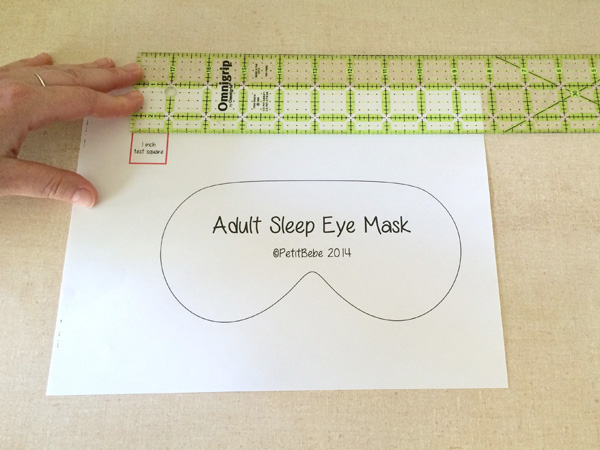
- Pattern paper or an old mask to trace.
- Measuring tape and a fabric marker.
Why these items matter: good fabric controls light and heat. A gentle strap stops pressure on your ears. A weighted fill can calm you on restless nights. This list sets you up to learn how to make sleep mask that works for your needs.

Pattern and sizing tips
A well-shaped mask fits the nose and cheekbones. That keeps light out.
- Measure from temple to temple across the nose bridge. This is your mask width.
- Measure from top of the nose bridge to the top of the cheek bone for height.
- Add 1/2 inch seam allowance around the shape.
- Trace a curved eye shape, with a slight dip for the nose. You can make two templates: one for standard nights and one for travel.
Pro tip from my work: make a paper mockup first. Hold it to your face and bend it until the curve sits on your cheekbone. Adjust until the mask blocks light without pressing on your eyes.
Step-by-step sewing method
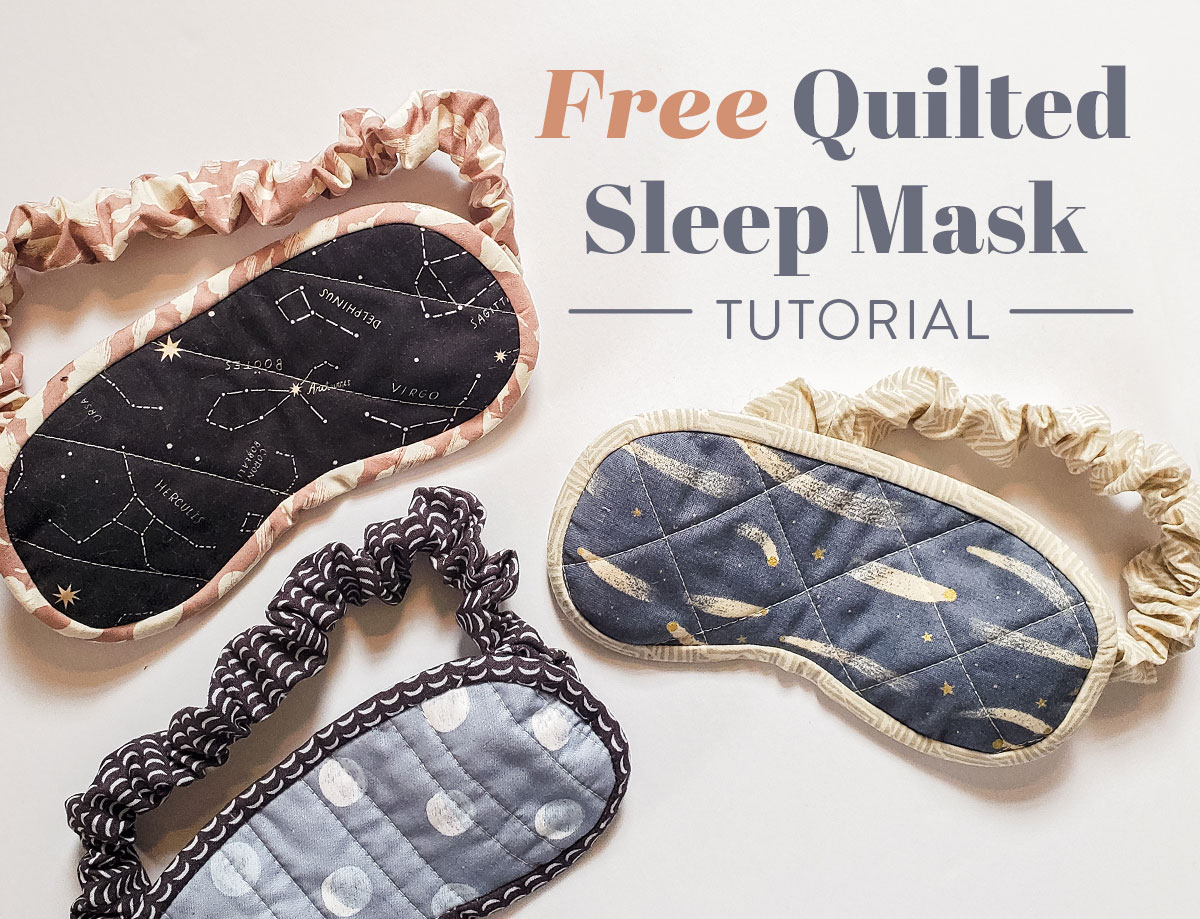
Follow these steps if you want a durable, neat finish. These steps show how to make sleep mask that lasts.
- Cut two outer pieces using your pattern. Cut one lining piece and one inner fill piece if used.
- Place outer fabric pieces right sides together. Insert the lining piece on top. Pin in place.
- Sew around the edges with a 1/2 inch seam allowance, leaving a 2–3 inch gap for turning.
- Clip curves carefully to reduce bulk. Be careful not to cut the stitches.
- Turn the mask right side out through the gap. Push out curves with a blunt tool.
- Press the mask flat with an iron. Topstitch close to the edge to close the gap and give a clean look.
- Measure and attach the elastic or ribbon. Sew each end securely into the side seams or make small channels to slide the strap through. Adjust length to fit comfortably around your head.
If you want a contoured eye space, add a small flat seam over the eye area before inserting the elastic. This gives room and prevents pressure on your eyes.
No-sew and quick methods
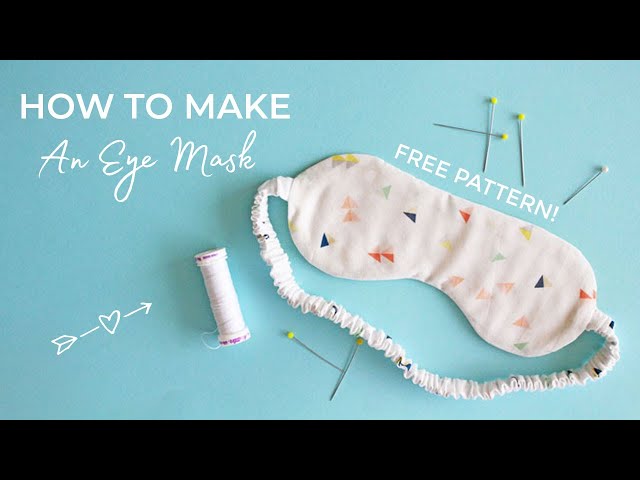
No sewing? No problem. These approaches show how to make sleep mask with zero stitches.
- Use fusible interfacing to bond two fabric layers. Cut, fuse, and glue edges with fabric glue.
- Use pre-cut foam or felt as the base. Hot glue a soft outer fabric to the foam and glue the strap ends.
- Try a ready-made elastic headband. Glue fabric over the band and trim for shape.
These methods are fast for travel or beginners. They may not last as long as sewn masks but still block light well.

Choosing fabric and fill: comfort and function
Material choice affects feel and sleep quality. This section helps you pick the best options.
- Silk: smooth, reduces friction on hair, good for sensitive skin.
- Cotton: breathable, easy to wash, good everyday choice.
- Bamboo: soft and breathable, with natural moisture control.
- Flax or rye seed pouch: gives gentle weight that soothes and helps with anxiety.
- Foam or batting: light and holds shape for contoured masks.
I prefer silk against my face and a thin flax pouch sewn into a pocket. This combo blocks light, keeps skin happy, and adds calming weight. If you have allergies, test materials on a small skin patch first.

Care, cleaning, and safety
Keep your mask clean and safe for nightly use.
- Machine wash on gentle if fabrics allow it. Use a mesh bag for elastic straps.
- Hand wash silk or delicate masks with mild detergent. Lay flat to dry.
- Remove weighted inserts before washing unless the insert is washable.
- Replace elastic if it loses stretch to avoid slippage that breaks the seal.
Note on seeds and heat: do not heat a flax or seed pouch in a microwave without following safety steps. Always check fill labels and avoid overheating.

Common problems and fixes
Quick fixes help your first mask succeed.
- If light leaks at the nose: add a small curve or foam strip to seal the bridge.
- If the mask presses on the eyes: add a contoured cavity or use thicker fill near the edges and less over eyes.
- If the strap is tight: replace elastic with adjustable ribbon or add a buckle.
From my experience, the most common mistake is making the mask too flat. Add a gentle curve to follow the face. That small change makes sleep masks far more effective.

Benefits of making your own mask
Making your own mask has real perks.
- Customize fit, fabric, and weight to your needs.
- Save money over premium masks.
- Control materials for skin or allergy concerns.
- Make gifts that feel personal.
I once made masks for a friend with dry skin. Choosing silk reduced morning creases and improved comfort. Small choices can make a big difference.
Frequently Asked Questions of how to make sleep mask
How long does it take to make a sleep mask?
Most sewn masks take 30 to 60 minutes, depending on skill. No-sew versions can be done in 10 to 20 minutes.
What fabric is best for the skin?
Silk is best for sensitive or acne-prone skin. Cotton and bamboo are also gentle and breathable.
Can I make a mask that blocks all light?
You can get close by using multiple layers, blackout fabric, and a snug nose curve. Complete blackout depends on fit more than fabric alone.
How do I add weight to a sleep mask?
Sew a small inner pocket and add a flax or rye seed bag. Ensure the fill is secured and can be removed for washing.
Is it safe to heat a weighted mask?
Only heat if the fill is labeled microwave-safe. Use short bursts and test temperature to avoid burns.
Can I use old fabric from clothes?
Yes. Upcycle soft shirts or pillowcases. Ensure the fabric is clean and free of strong detergents or perfumes before use.
Conclusion
Making your own sleep mask lets you control comfort, fit, and style. Use the right materials, follow clear steps, and test the fit before finishing. Try a simple sew-first mockup, then refine shape and fill until it blocks light and feels gentle. Start with one basic mask today and tweak from there—your best night’s sleep might be one handmade mask away. Leave a comment to share your design or sign up for more DIY sleep tips.
Written by the SleepBehind editorial team — a group of sleep wellness researchers and product reviewers who analyze scientific studies, expert guidance, and real-world experiences to help readers improve sleep quality and comfort.