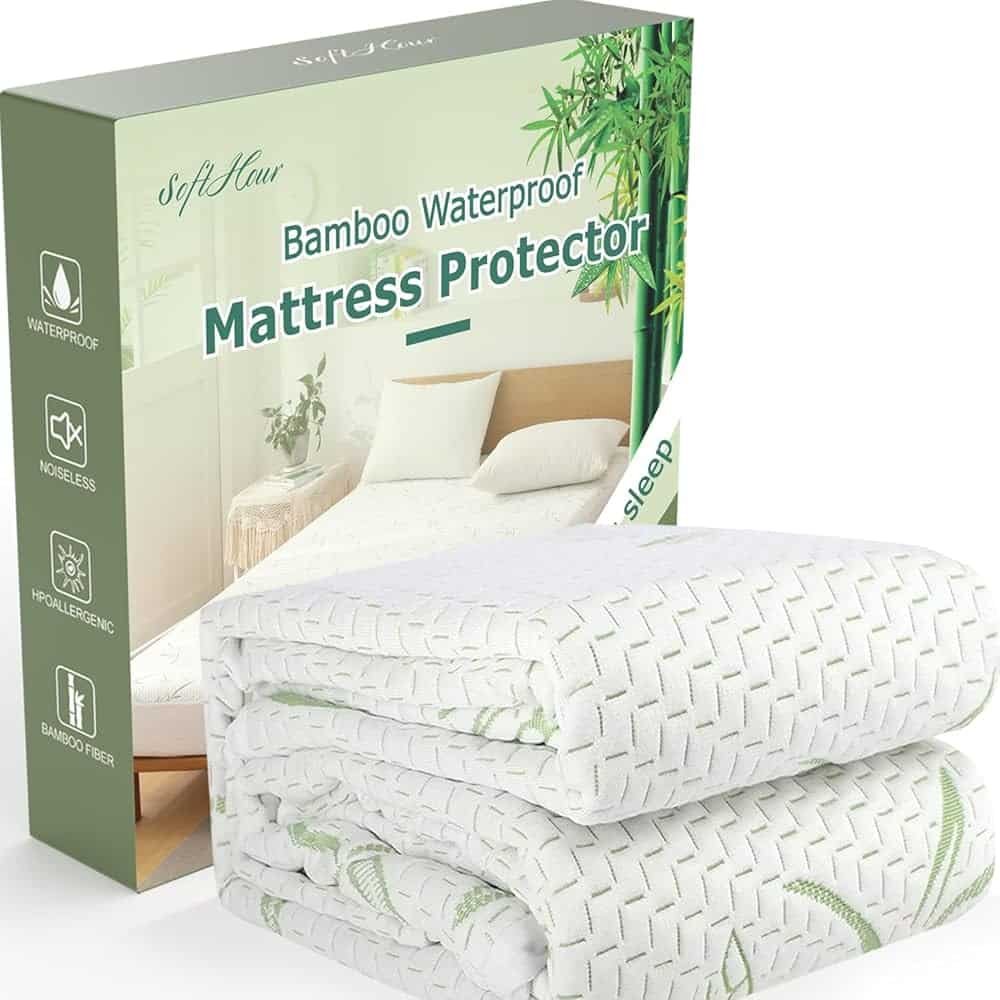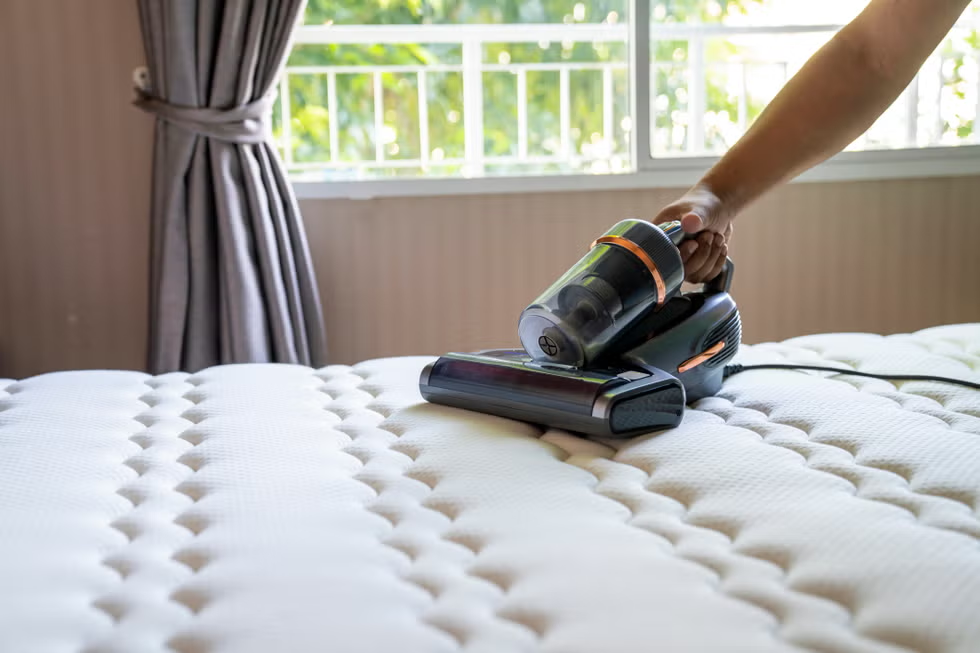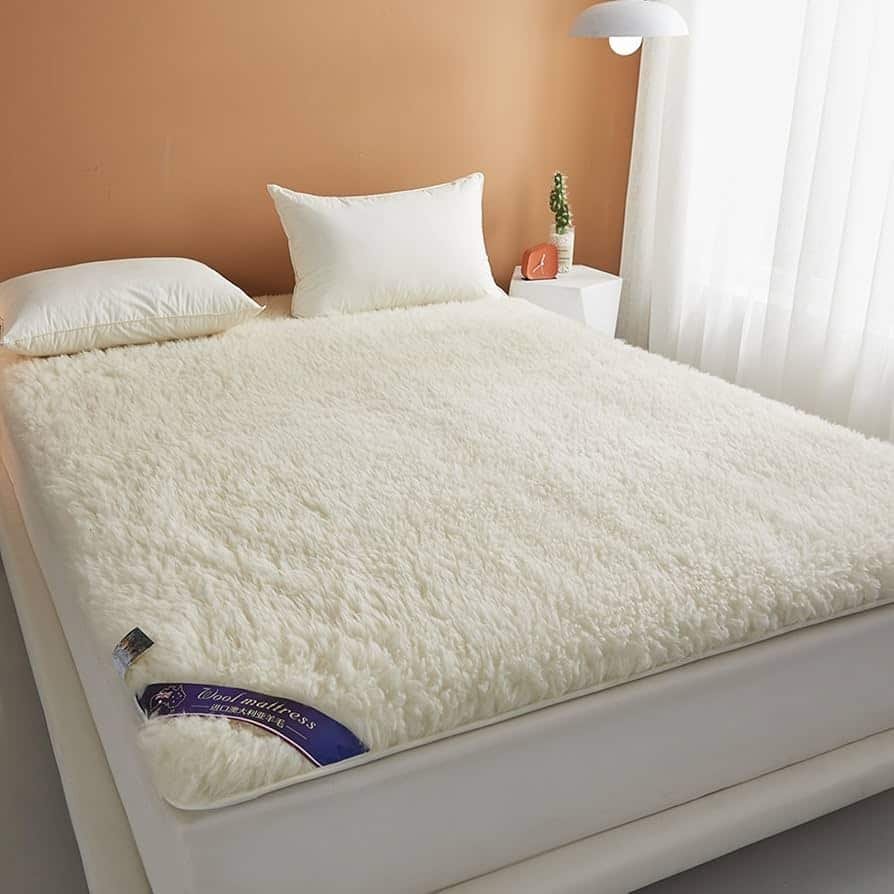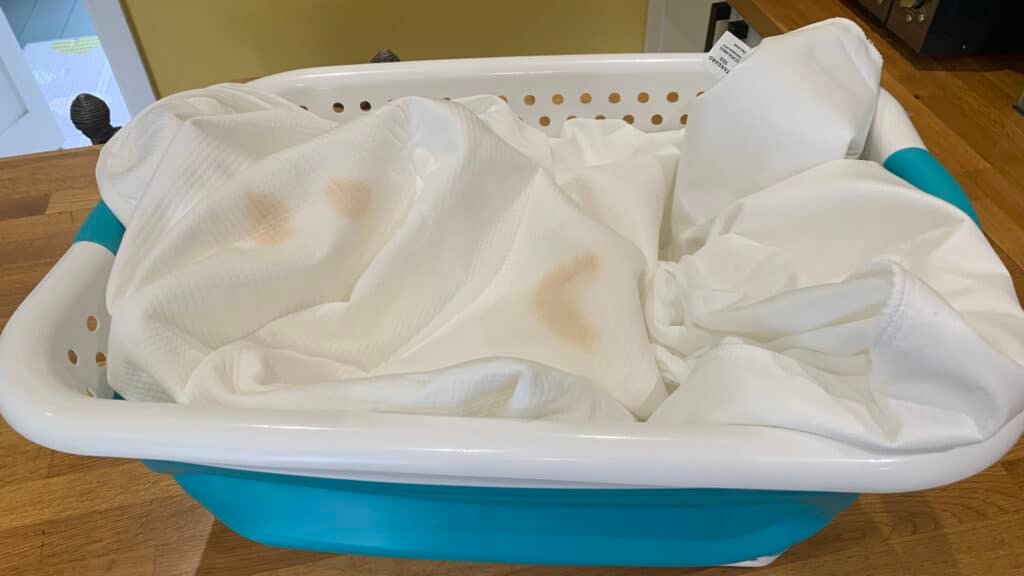
Air-dry flat or tumble on low heat, always follow the care label for best results.
I have worked with linens and mattress protectors for years, and I know what works. This guide explains how to dry a mattress protector safely and quickly. You will learn step-by-step methods, tips for waterproof styles, mistakes to avoid, and real-life tips from my experience. Read on and you will feel confident about drying your mattress protector without shrinking, damaging the waterproof layer, or trapping moisture.
:max_bytes(150000):strip_icc()/how-to-wash-mattress-protector-5220415-01-695e0b05a7464531a0a5a8e58a9b55a9.jpg)
Why proper drying matters for your mattress protector
Drying matters because the protector must stay clean, dry, and intact. Wet or poorly dried protectors trap mold and odors. If you learn how to dry a mattress protector the right way, you keep your bed healthy and extend the protector’s life.
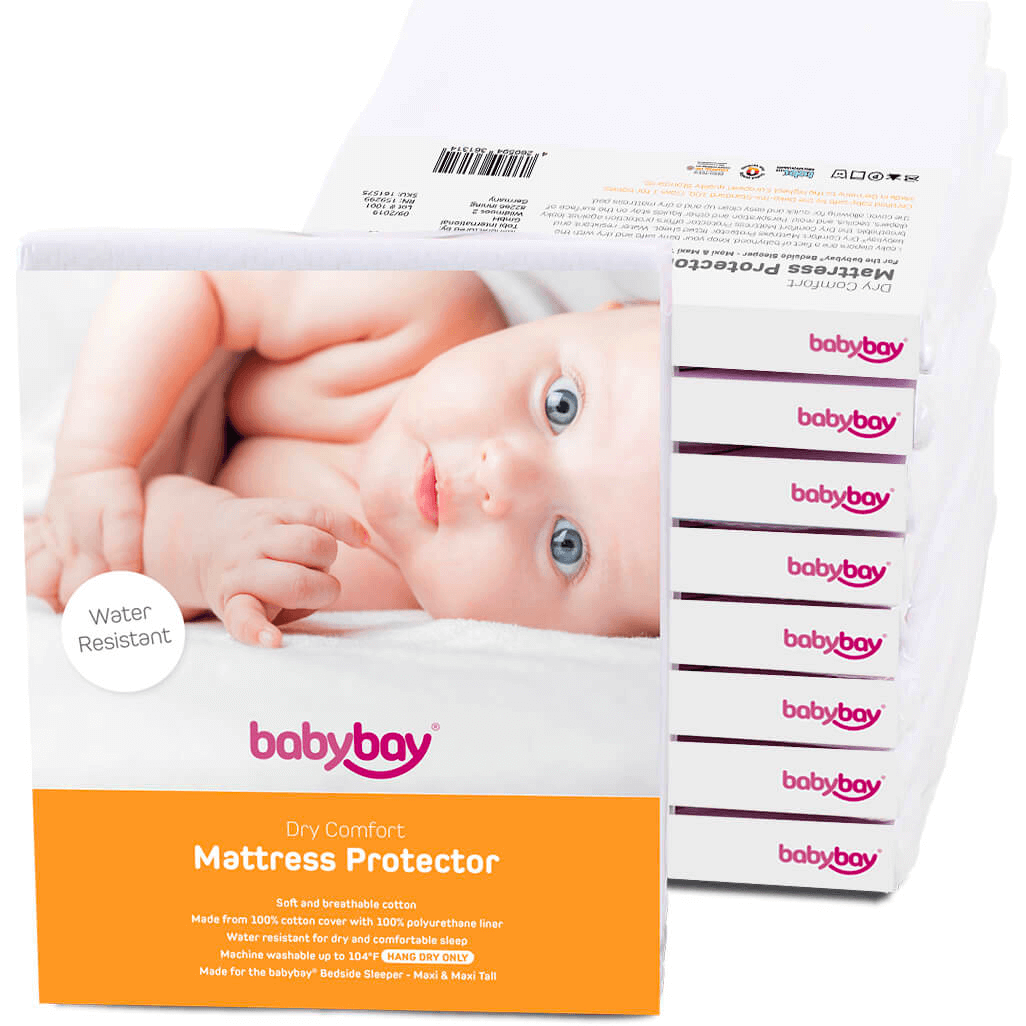
Check the care label and materials before drying
Start by reading the care label. The label tells you temperature limits and whether tumble drying is safe. Materials vary. Cotton toppers dry fast. Polyester blends dry quickly too. PU or vinyl-backed protectors need gentler handling.
:max_bytes(150000):strip_icc()/how-to-wash-mattress-protector-5220415-05-42e06026dc9943dd91085d2e9749753e.jpg)
Step-by-step: how to dry a mattress protector
Follow these steps for safe drying. They work for most protectors and keep waterproof layers safe.
- Shake and smooth the protector to remove excess water and creases.
- Check pockets or zippers and close them.
- If the label allows, tumble dry on low heat with a few clean dryer balls or dry towels to help absorb moisture.
- For waterproof or PU-backed protectors, prefer air drying flat or hanging in shade to prevent backing damage.
- Make sure the protector is completely dry before storing or putting on the mattress.
I once forgot to fully dry a protector and woke to a musty smell. I now always run an extra air cycle or let the item sit flat for an hour after the dryer.

Machine drying tips
Machine drying is fast when the label allows it. Use low heat and short cycles. Add dry towels to speed drying and reduce clumping. Remove while slightly damp and finish air drying if needed.
Air-drying tips
Air drying is safest for delicate and waterproof protectors. Lay flat on a clean surface or hang over a line. Avoid direct hot sun for PU-backed items. Turn the protector over midway to speed drying.
Drying methods compared: machine, air, and sun
Each method has pros and cons. Choose based on material and label.
- Machine drying: fast and convenient but can damage waterproof backing if heat is high.
- Air drying: gentle and safe for most protectors. It takes longer.
- Sun drying: good for cotton protectors to remove odors but can degrade some waterproof coatings.
I prefer air drying for expensive protectors. It takes longer but avoids heat damage and keeps the protector working longer.

Tips for waterproof and PU-backed mattress protectors
Waterproof protectors need care to keep the backing intact. Follow these simple rules.
- Avoid high heat. It can crack or peel the backing.
- Do not wring or twist the protector.
- Dry flat or hang in a shaded spot to prevent UV damage.
- If you must use a dryer, use no-heat or air-fluff settings.
I tested a PU-backed protector once with medium heat. The backing puckered and the protector failed within months. Low heat or air dry prevents that.

Common mistakes to avoid when you dry a mattress protector
Avoid these common errors to save time and money.
- Using high heat in the dryer for waterproof types, which can melt or peel backing.
- Folding and storing the protector while damp, which causes mold.
- Wringing out protectors, which can deform seams and backing.
- Ignoring the care label and assuming all protectors are the same.
From experience, the most costly mistake is skipping the care label. It costs far less to follow the instructions than to replace a ruined protector.

How long does it take to dry a mattress protector?
Drying time varies by method and material.
- Machine drying: 30 to 60 minutes on low, depending on size and fabric.
- Air drying: 3 to 12 hours indoors, or 1 to 4 hours outdoors in good weather.
- Humidity and thickness change times. Thicker protectors take longer.
When in doubt, allow extra time and confirm the protector is fully dry before use.

Storing and maintaining after drying
A good drying routine pairs with smart storage. Keep your protector fresh and ready.
- Fold only when fully dry. Damp folds trap moisture.
- Store in a breathable bag or cotton sheet to avoid plastic sweat.
- Wash protectors every few months or after spills. Dry fully each time.
I store spare protectors in a linen closet with cedar blocks. They stay fresh and ready to protect my mattress.
Frequently Asked Questions of how to dry a mattress protector
Can I dry a waterproof mattress protector in a dryer?
Yes, if the care label allows. Use low heat or air-fluff and check frequently. High heat can damage the waterproof backing.
How do I dry a mattress protector quickly?
Tumble dry on low with dry towels or dryer balls. Remove early and air dry the last bit to avoid overexposure to heat.
Will sun damage a mattress protector?
Direct sun can fade fabrics and harm some waterproof coatings. Use shade or short sun exposure for cotton types only.
How can I tell if a protector is fully dry?
Feel the backing and seams. They should be cool and free of damp spots. Give extra air time if anything feels slightly warm or damp.
Is it safe to iron a mattress protector after drying?
Avoid ironing unless the care label says it is safe. Heat can warp or melt waterproof layers and lead to leaks.
Conclusion
Drying your mattress protector properly keeps your bed healthy and your protector working longer. Read the care label, choose the right method, and avoid high heat for waterproof items. Take small steps like adding dryer towels, air drying when possible, and storing only when fully dry. Try these tips on your next wash and you will protect your mattress and save money over time. Leave a comment with your experiences or subscribe for more simple care guides.
Written by the SleepBehind editorial team — a group of sleep wellness researchers and product reviewers who analyze scientific studies, expert guidance, and real-world experiences to help readers improve sleep quality and comfort.