Pick a blanket about 7–12% of your body weight, choose breathable fabric, and test it first.
I have spent years testing sleep gear and advising friends on sleep fixes. This guide on How to Choose a Weighted Blanket pulls together simple science, real tests, and clear steps you can use right now. I will walk you through weights, sizes, fills, safety checks, and care tips so you can pick the best weighted blanket with confidence. Read on to make a smart, safe, and comfy choice.
Why people use weighted blankets and how they help
Weighted blankets use deep pressure touch to calm the nervous system. This can cut stress, ease anxiety, and help sleep. If you want to know How to Choose a Weighted Blanket, start with why it works. Many people feel a secure, hug-like pressure that helps the body relax.
I have seen friends sleep better within a week of using one. Clinical studies show small but consistent sleep and anxiety gains for many users. This does not mean a weighted blanket fixes every sleep problem. It helps when stress or mild sensory issues make sleep hard.
How to Choose a Weighted Blanket: Step-by-step
Follow this step-by-step to find the right blanket. These steps will make choosing simple and safe.
- Determine your ideal weight
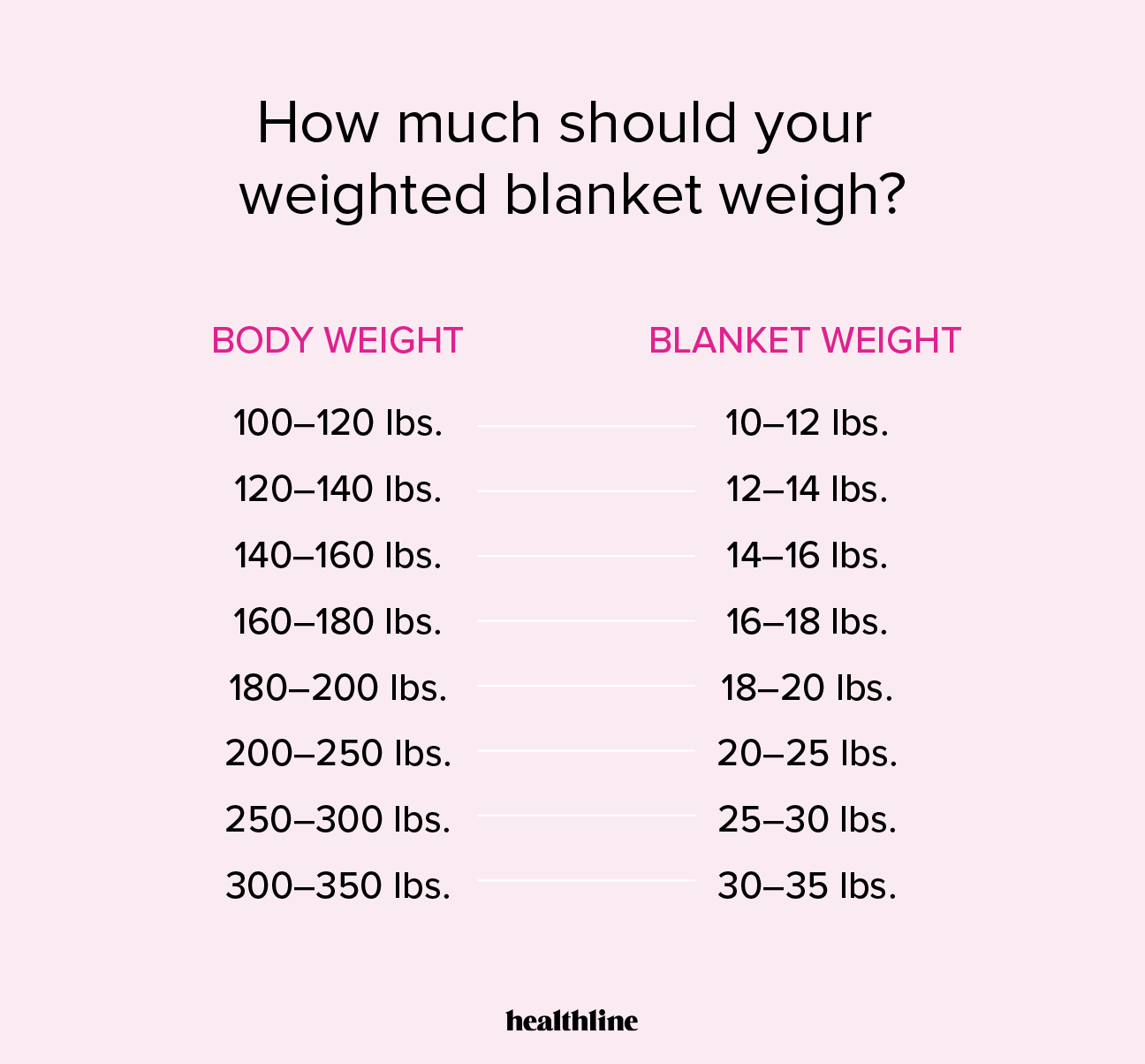
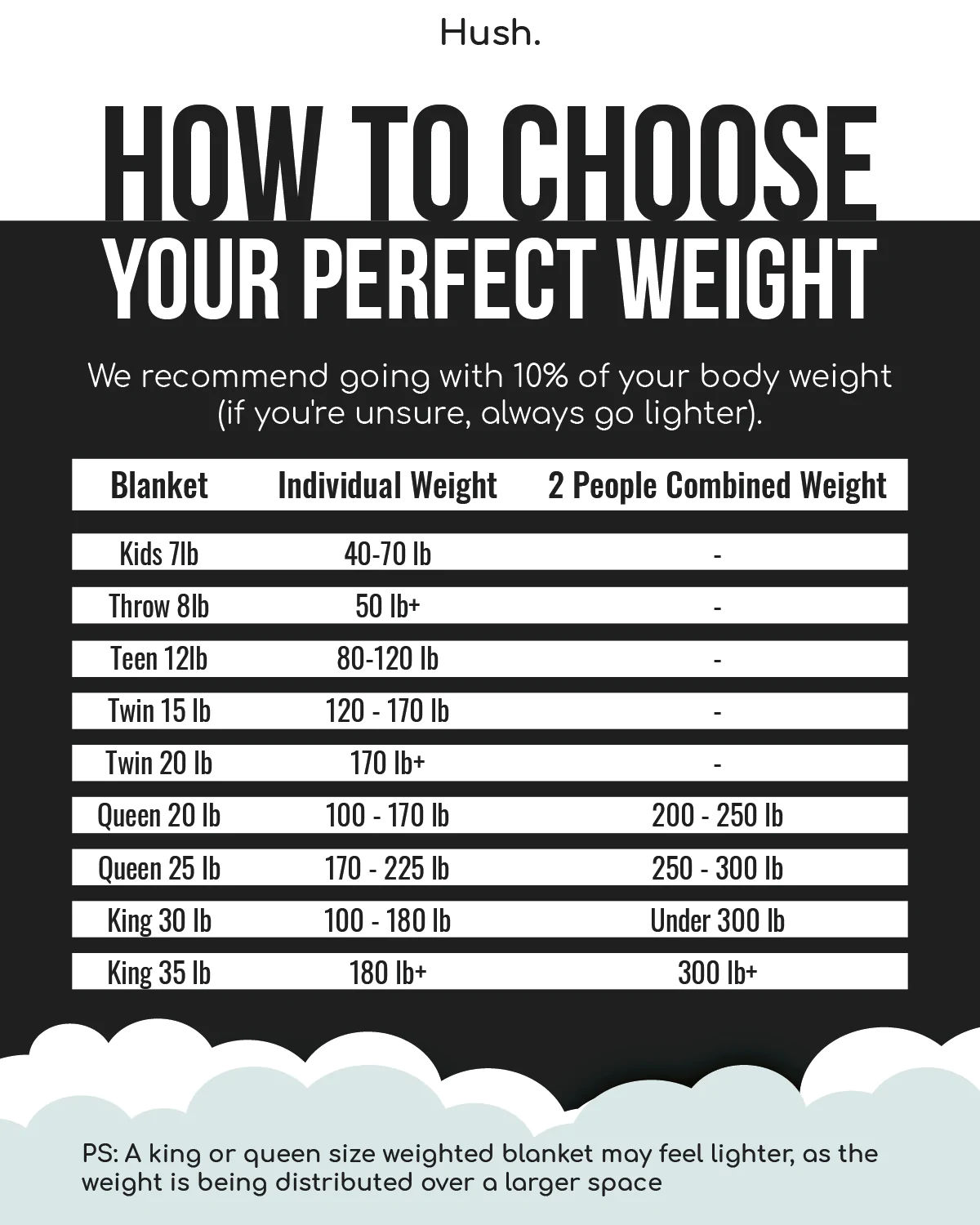
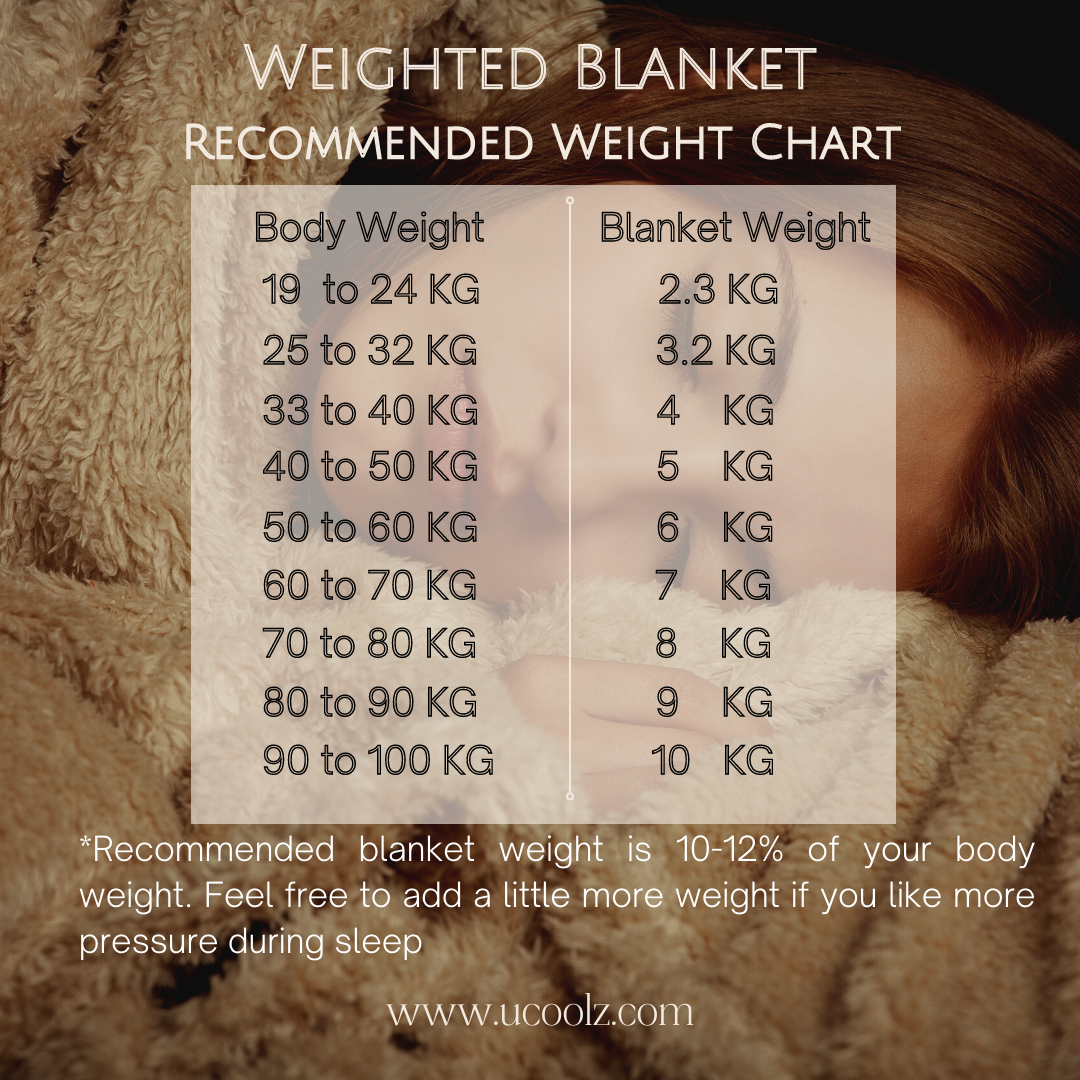
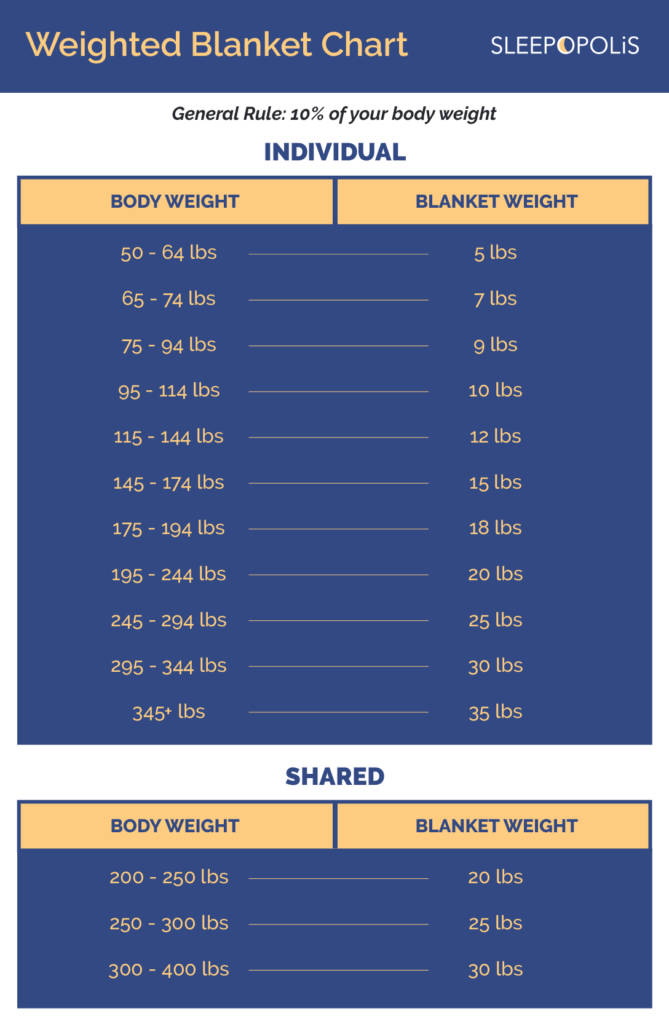
- Aim for about 7% to 12% of your body weight for adults. If you weigh 150 pounds, try a 10–12 pound blanket.
- If you are unsure, start lighter. You can always move to a heavier weight later.
- For kids, seek pediatric guidance and avoid heavy options for toddlers and young children.
- Pick the right size
- Choose a size that covers you without hanging far over the bed sides. A blanket that drapes too much can feel bulky.
- For single sleepers, a throw or twin size often works. Couples may prefer a larger throw for shared beds.
- Choose the fill and feel
- Glass beads and plastic pellets are common fills. Glass beads feel smoother and lie flatter.
- Natural fills or sewn compartments give more even weight.
- The outer fabric matters for comfort and heat control.
- Consider temperature needs
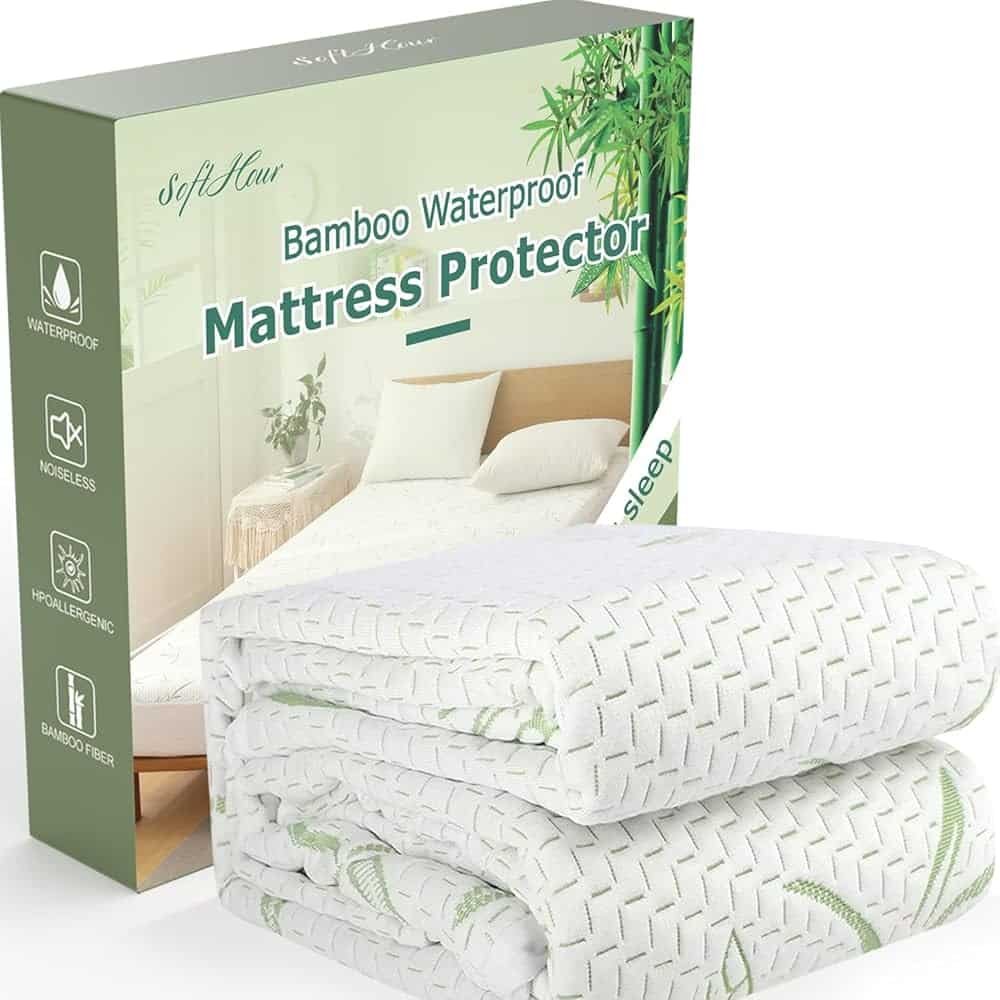
- If you sleep hot, pick breathable cotton, bamboo, or cooling fabric.
- Thicker minky covers feel cozy but can trap heat.
- Try before you buy when possible
- Test in-store or buy from sellers with a good return window.
- Check care instructions and warranty before you commit.
These steps form a clear path to choosing wisely. Keep your health needs in mind when you test options.
Materials, fills, and cover types to compare
Understanding materials makes the choice easier. Here are common options and what I learned from testing.
- Glass beads
- Dense and quiet. They spread weight evenly.
- I found glass beads press lightly and reduce bulk.
- Plastic pellets
- Cheaper and slightly noisier. They still work well.
- Sewn pockets
- Prevent bead clumping and keep pressure even.
- Look for many small pockets rather than a few large ones.
- Outer fabrics
- Cotton and bamboo are breathable. Good for hot sleepers.
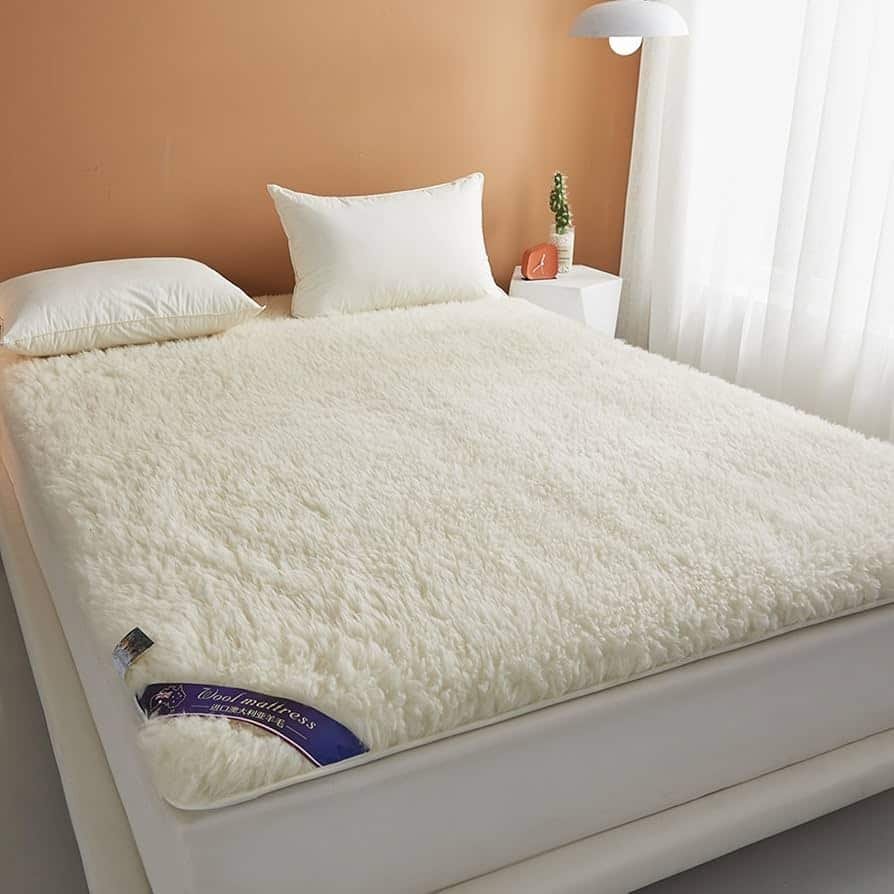
- Minky and polyester feel plush and warm.
- Removable covers make cleaning easier.
When you think about How to Choose a Weighted Blanket, match fill and fabric to how you sleep. If you move a lot at night, choose a durable fabric that washes well.

Size and weight guidelines you can use now
Picking the right weight is the most important step. Use this simple guide.
- Adults
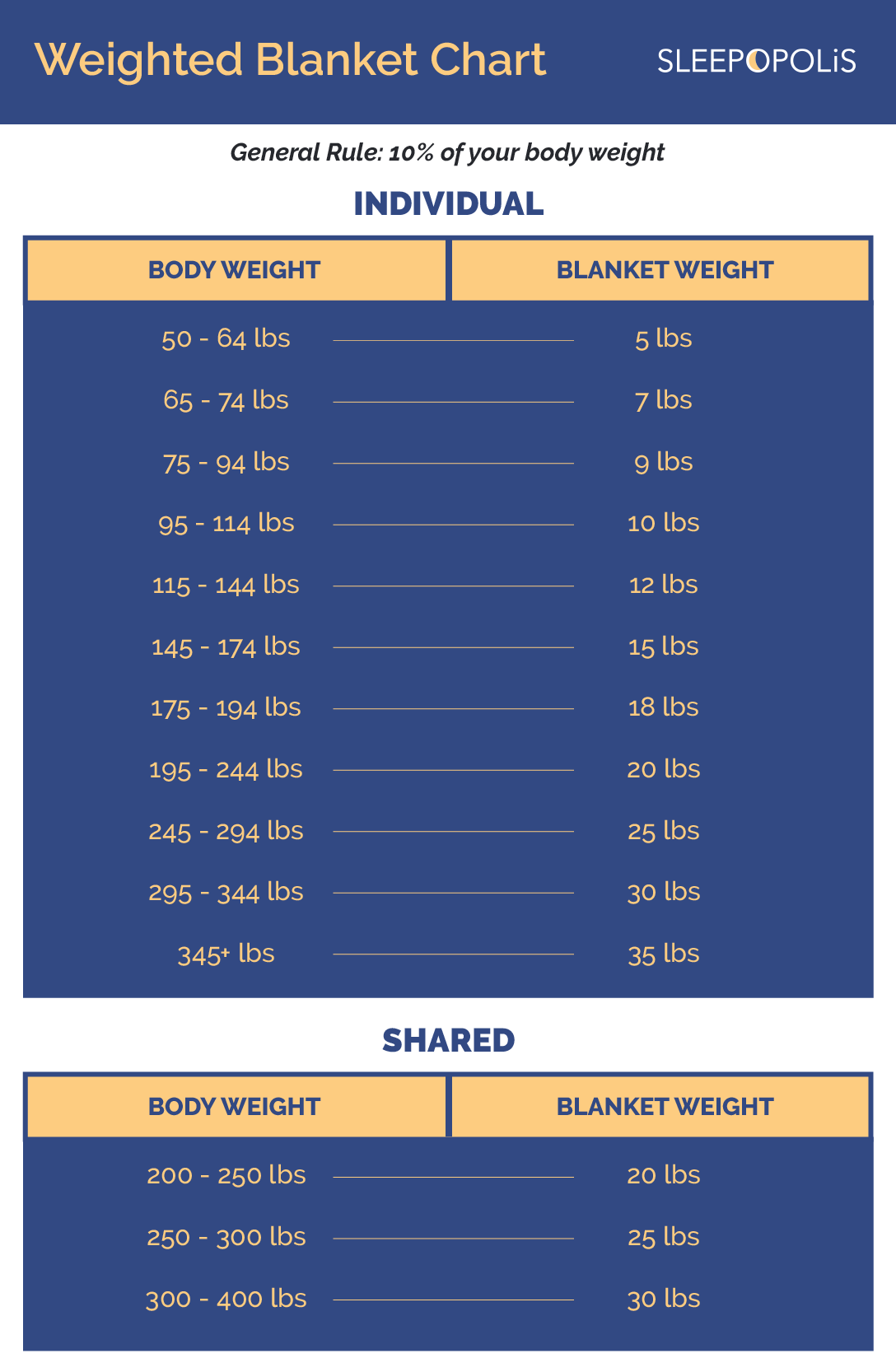
- 7% rule works well. Multiply your weight by 0.07 and 0.12 to find a range.
- If you like a tight hug, go toward 12%. If you dislike heavy pressure, stay near 7%.
- Teens and children
- Consult a doctor. Many experts limit use for young kids.
- Choose lightweight options and supervise use.
- Couples
- Two blankets may work best if you have different weight needs.
- One larger blanket can work if both partners agree on weight.
I once tried a single heavy blanket on a queen bed. It felt uneven and pulled to one side. After testing, I recommend individual blankets for most couples.
Safety, care, and trial tips
Safety matters. Follow these clear rules when you learn How to Choose a Weighted Blanket.
- Who should avoid them
- Children under 2, people with breathing problems, or those who cannot move the blanket safely should not use one.
- If you have COPD, sleep apnea, circulatory issues, or are pregnant, talk to a clinician first.
- Washing and care
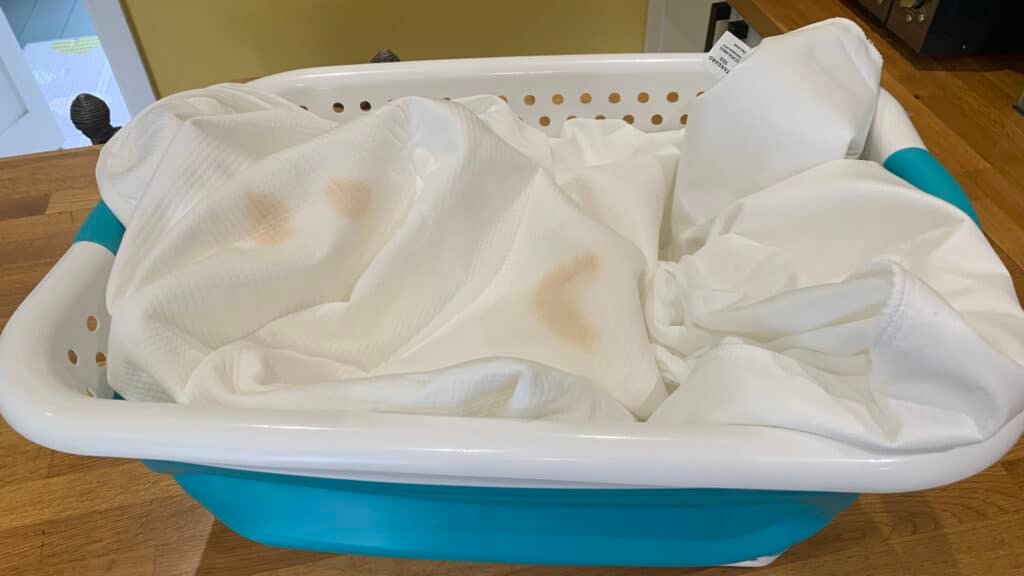
- Use machine-washable covers when possible. Many weighted blankets need spot clean or gentle cycle.
- Avoid high heat in dryers. Air dry or tumble low if allowed.
- Test the blanket’s seams and stitching before long-term use.
- Trial and returns
- Buy from sellers with a trial period or good return policy.
- Check warranty and repair options in case beads shift or seams split.
I once bought a non-washable blanket that smelled after a week. Lesson learned: choose washable covers and read care tags before buying.
Shopping checklist and smart buying tips
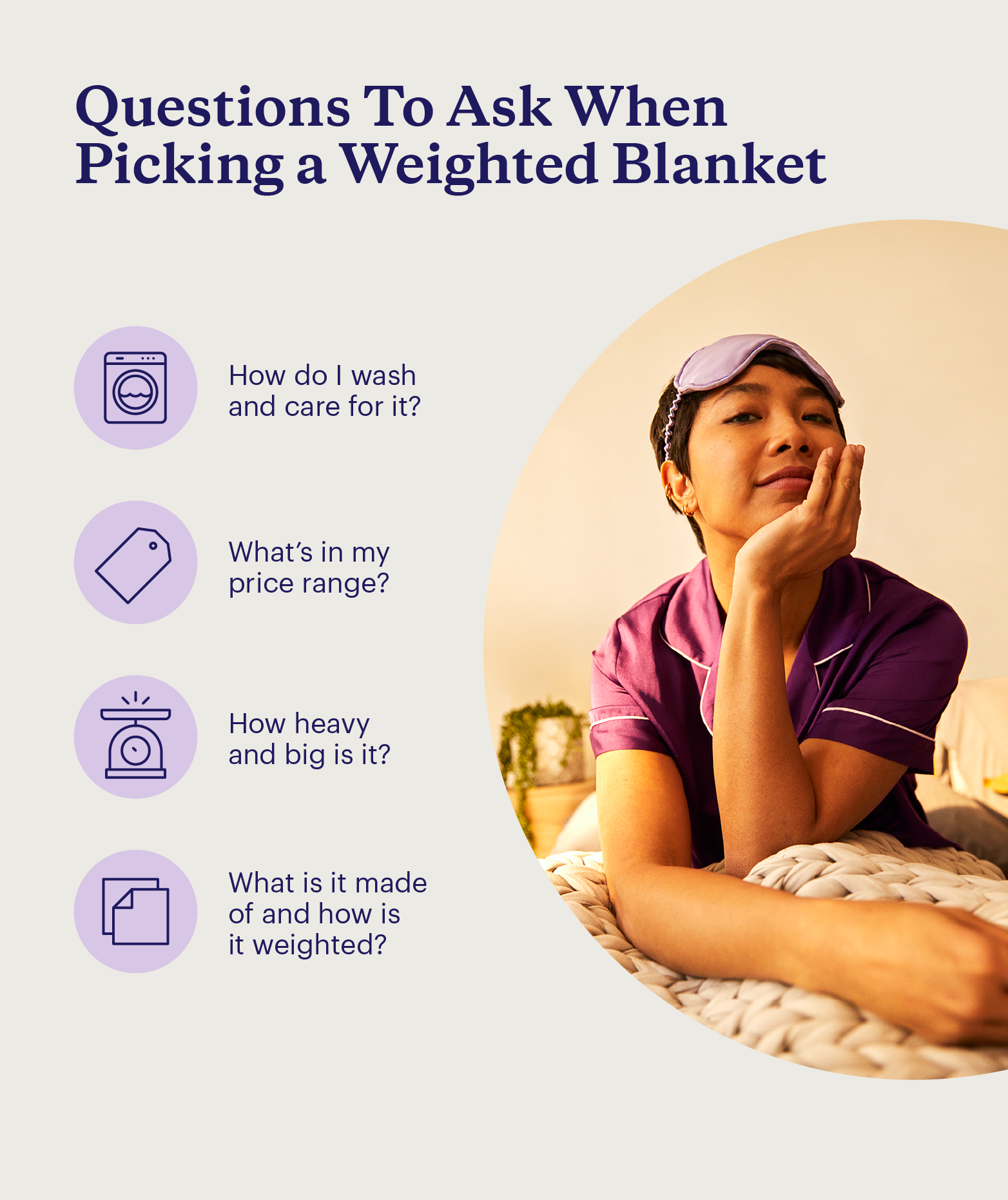
Use this checklist when you shop for a weighted blanket. It helps you compare options quickly.
- Confirm weight matches 7–12% of your body weight.
- Make sure size fits your sleep style and bed.
- Check fill type and pocket stitching.
- Pick breathable fabric if you run hot.
- Verify machine-washable cover or easy-clean option.
- Look for trial periods and clear return policies.
- Read reviews from verified buyers to learn real experiences.
- Compare price against materials and warranty.
This checklist will save you time and help you avoid common mistakes. It keeps your focus on comfort, safety, and value.
Frequently Asked Questions of How to Choose a Weighted Blanket
What weight should I choose for a 160-pound adult?
Aim for a blanket between 11 and 19 pounds, using the 7% to 12% rule. Start lighter if you are unsure and test for comfort.
Can children use weighted blankets safely?
Children can use them under guidance. Avoid for kids under 2 and consult a pediatrician for older children.
Will a weighted blanket help with anxiety?
Many people report reduced anxiety and better sleep with regular use. Results vary, and it is not a substitute for medical care.
How do I keep a weighted blanket cool?
Choose breathable fabrics like cotton or bamboo and thinner fills. Removable cooling covers help too.
Are weighted blankets machine washable?
Some are, but many require gentle wash or spot clean. Always check the care label and choose washable covers if you want easy care.
Conclusion
Choosing a weighted blanket is a small change that can make a big difference in sleep and calm. Use the 7% to 12% rule, pick the right size and fabric, and confirm safety for your needs. Test options when you can and buy with a good return policy. Take action now: check your weight range, compare fills, and try a trusted brand or trial period to see real benefits. Leave a comment with your experience or questions, or subscribe for more sleep tips.
Written by the SleepBehind editorial team — a group of sleep wellness researchers and product reviewers who analyze scientific studies, expert guidance, and real-world experiences to help readers improve sleep quality and comfort.