Replace a mattress topper every 2 to 5 years, depending on material, use, and care.
I’ve tested toppers of many materials and slept on them in guest rooms, apartments, and my own home. This guide explains how often to replace mattress topper with clear, practical rules. You’ll learn signs of wear, lifespan by material, care tips to extend use, and how to choose a replacement schedule that fits your sleep habits and budget. Read on for evidence-based advice and hands-on tips to keep your sleep surface comfortable and healthy.
How long does a mattress topper last?
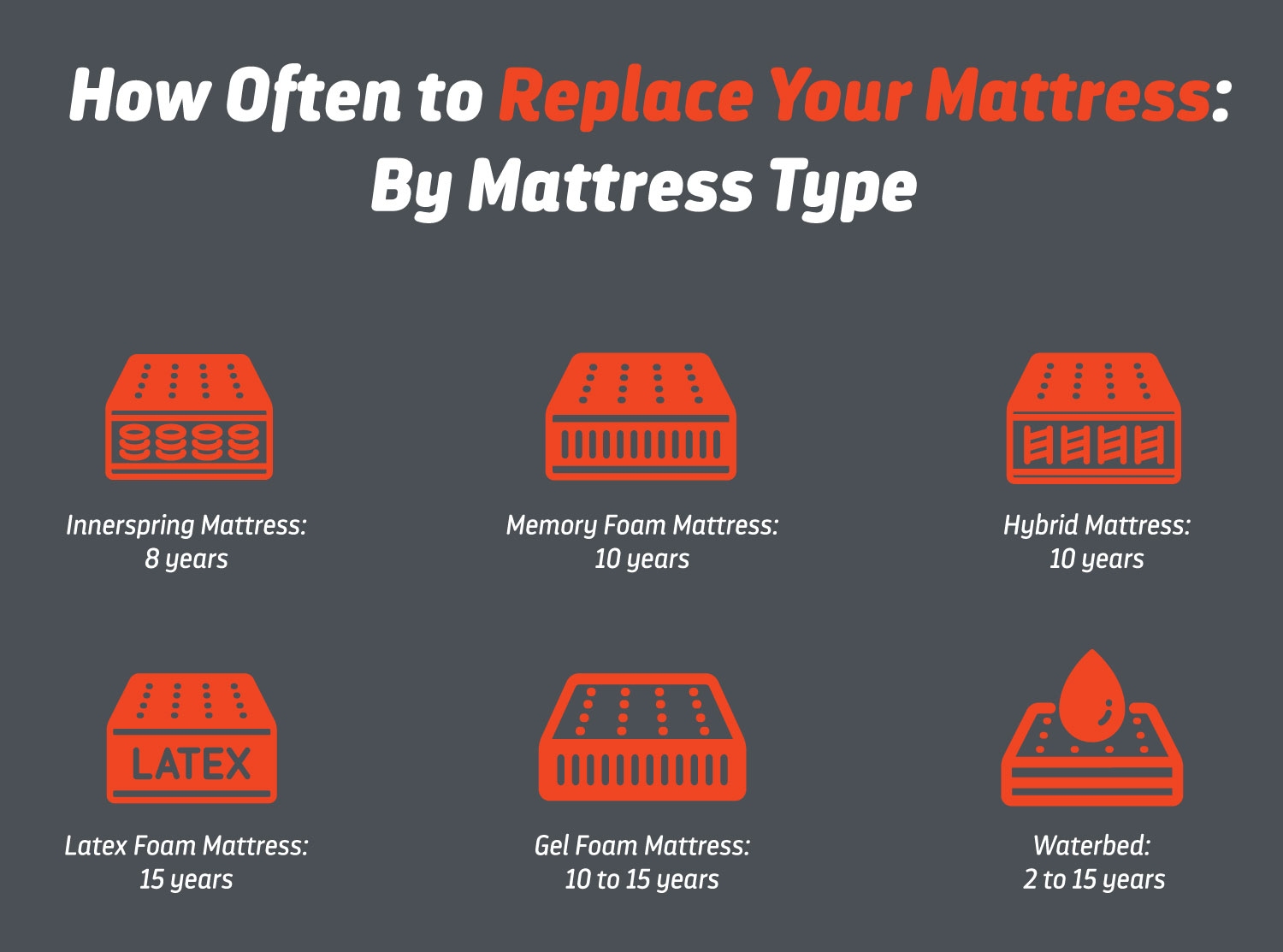
How often to replace mattress topper depends on material, thickness, and how you use it. Memory foam and latex toppers often last longer than down or fiber-fill toppers. Daily sleepers will replace toppers sooner than occasional users. Expect a typical lifespan of 2 to 5 years for most toppers, with high-quality latex sometimes reaching 7 years.

Key factors that affect lifespan
There are several things that change how often to replace mattress topper. Consider each one when planning replacements.
- Material type and density. Denser memory foam and natural latex resist sagging longer than low-density foam or fiber.
- Frequency of use. A topper used nightly wears faster than one for occasional guests.
- Body weight and sleeping position. Higher weight and side-sleeping pressure points speed compression and wear.
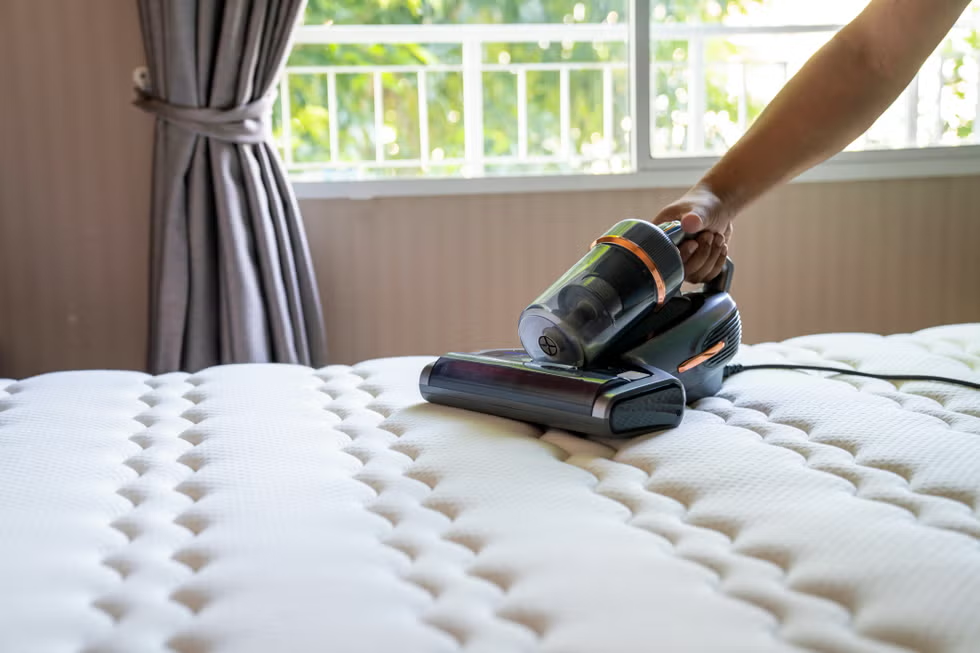
- Care and cleaning. Regular cleaning, covers, and rotation slow breakdown and keep the topper fresher.
- Exposure to moisture or pets. Sweat, spills, and pet claws can shorten life and damage foam and fabrics.
Signs it’s time to replace your topper
Knowing when to replace is easier if you spot the right signals. Watch for these clear signs.
- Persistent sagging or visible indentations that don’t bounce back.
- New or worsening joint pain, stiffness, or poor sleep quality.
- Noticeable odor that remains after airing and cleaning.
- Allergic reactions or increased congestion tied to an older, untreated topper.
- Tears, flattened fill, or exposed foam that can no longer provide support.

How often to replace mattress topper by topper type
Different topper materials need different replacement schedules. Below are general timelines and what to look for.
Memory foam
Memory foam toppers usually last 3 to 5 years. Higher-density foam lasts longer. Replace when you feel permanent impressions or reduced pressure relief.
Latex
Natural latex toppers are the most durable and can last 5 to 7 years or more. Synthetic latex tends to last less. Replace when support or bounce decreases.
Feather or down
Feather and down toppers are soft but compress fast, typically 1 to 3 years. Fluffing and rotating helps, but replace when fill clumps or loses loft.
Fiber-fill and polyester
Polyester toppers are budget friendly and last 1 to 2 years with daily use. Replace when they flatten or feel lumpy.
Wool and blended natural fibers
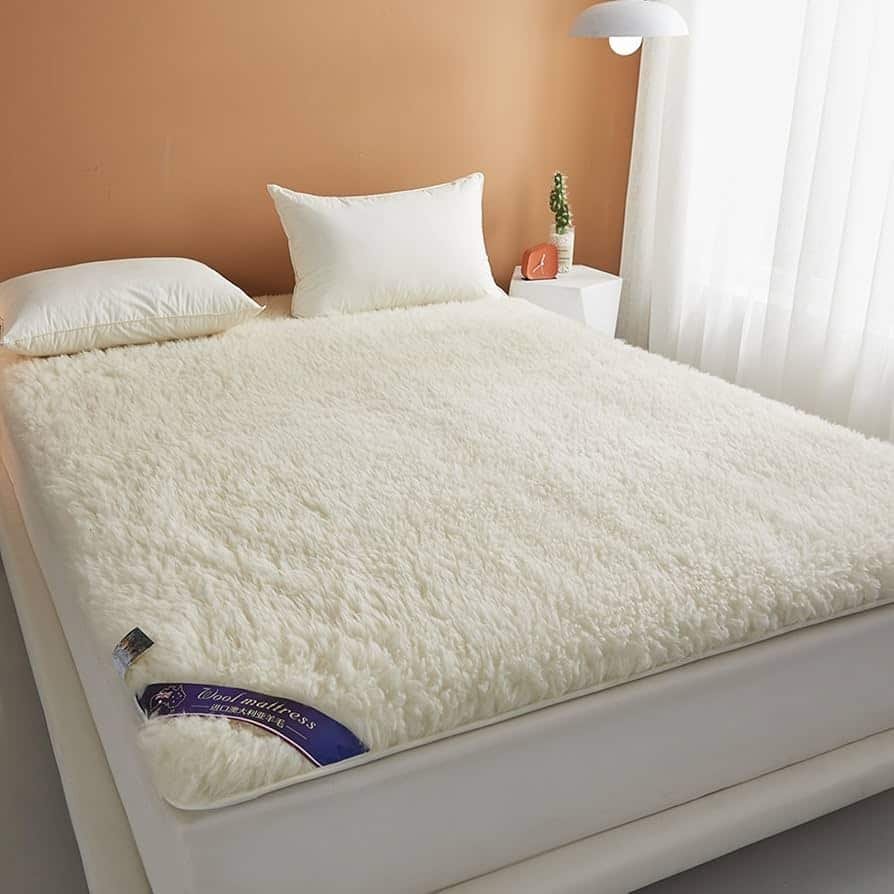
Wool toppers resist odors and moisture and can last 3 to 5 years with care. Replace when the loft decreases significantly or you notice skin reactions.

Tips to extend lifespan and care routine
Small habits make a big difference in how often to replace mattress topper. Follow these care tips to get the most life from your topper.
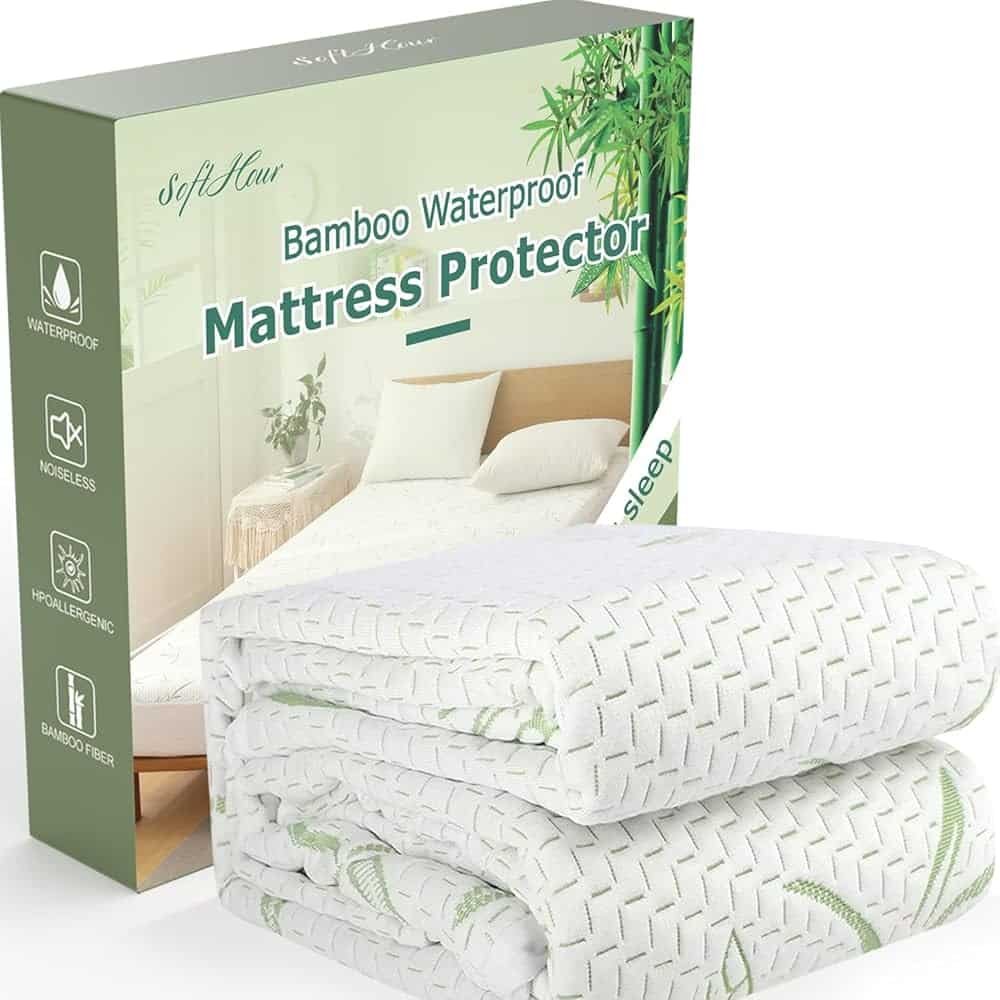
- Use a washable protector to block sweat, oils, and spills.
- Rotate or flip the topper monthly for the first six months, then every 2 to 3 months.
- Air and sun your topper occasionally to reduce odors and moisture.
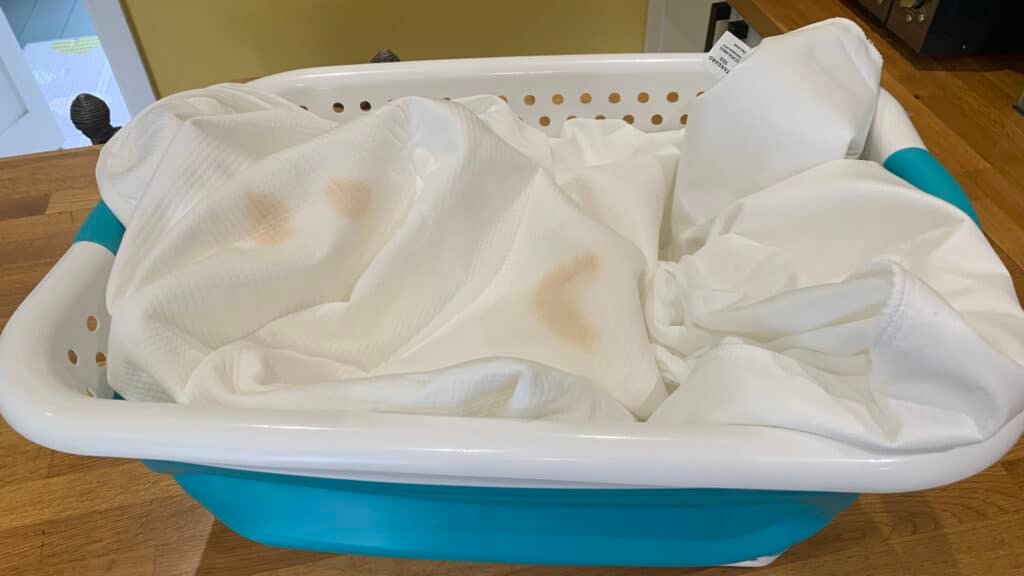
- Spot-clean stains promptly with mild soap and water; avoid soaking the foam.
- Follow manufacturer washing instructions strictly to avoid damage.

How to choose the right replacement schedule
Create a schedule that fits your life and sleep needs for how often to replace mattress topper. Ask these questions to decide.
- How often is the topper used? Replace sooner for nightly use.
- What material is the topper? Match schedule to expected lifespan of foam, latex, or down.
- Are there allergy or hygiene concerns? Replace more frequently if allergies or humidity are issues.
- What’s your budget and environmental preference? Balance cost with longer-lasting options like latex.
Practical plan: check your topper every 6 months. Replace sooner if you notice signs listed earlier or if sleep quality drops. Keep receipts and document purchase date to track service life.
Personal experience and common mistakes
I once used a low-cost fiber topper on a guest bed for two years before it flattened and caused back pain. I waited too long to replace it because it looked fine at first. Lesson learned: trust how you sleep, not just the looks. People often wait until a topper smells or tears; instead, watch comfort and support. Switching to a mid-range latex topper reduced morning stiffness and lasted longer than cheaper options did.

Cost and environmental considerations
Think about cost, waste, and recycling when planning how often to replace mattress topper. Here are practical tips.
- Consider buying higher-quality toppers that cost more up front but need replacement less often.
- Donate clean, usable toppers to shelters if the material is hygienic and unstained.
- Recycle foam and latex where programs exist. Cut and repurpose foam for cushions or pet beds.
- Balance frequent replacement for health reasons against environmental impact by choosing durable, recyclable materials.

Frequently Asked Questions of how often to replace mattress topper
How long should a memory foam topper last?
A memory foam topper usually lasts 3 to 5 years with normal use. Higher-density foams can last longer before losing support.
Can I extend a topper’s life with a protector?
Yes. A good protector blocks moisture and stains and can add at least a year to a topper’s usable life. Regular cleaning and rotation also help.
Is it OK to put a topper on an old mattress?
Yes, but a topper can’t fix major mattress sagging or structural issues. Replace the mattress if sagging is severe, and use the topper short term for added comfort.
How do I know if my topper causes allergies?
If congestion, sneezing, or skin irritation worsens after sleeping, your topper might harbor dust mites or mold. Testing for allergens or replacing the topper can help identify the cause.
Should I replace a topper after a spill?
If the spill soaked into the foam or fill and caused odor or mold, replace it. Superficial spills cleaned quickly may not require replacement.
Conclusion
Regularly assessing how often to replace mattress topper helps protect sleep quality, health, and your budget. Watch for sagging, odors, and comfort loss, and tailor replacement timing to material and use. Take simple steps like using a protector, rotating, and choosing durable materials to extend life. Now that you know what to look for, set a reminder to check your topper every six months and replace it when support and sleep quality decline. Share your experience, subscribe for more sleep tips, or leave a comment about your favorite topper.

Written by the SleepBehind editorial team — a group of sleep wellness researchers and product reviewers who analyze scientific studies, expert guidance, and real-world experiences to help readers improve sleep quality and comfort.