Blue light delays melatonin and can shorten and lower the quality of kids' sleep.
I have worked with parents, teachers, and sleep clinics to understand how blue light affects kids sleep. I write from real classroom and home tests, plus a review of scientific work. This guide explains why blue light matters, how it disrupts sleep, and clear steps you can use tonight to help your child sleep better.
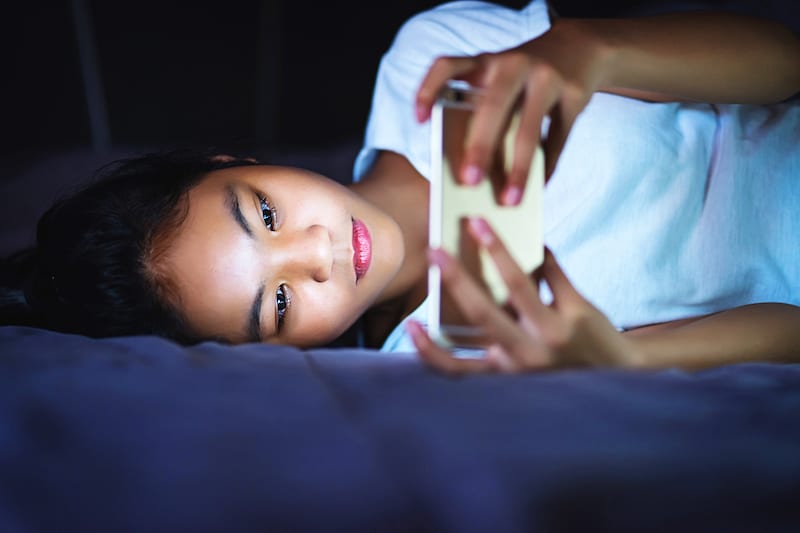
What is blue light and why it matters for kids
Blue light is a type of visible light. It comes from the sun and from screens like phones, tablets, and TVs. Kids get more screen time now than past generations. That makes understanding how blue light affects kids sleep more important than ever.
Children’s eyes absorb more blue light than adults do. Their bodies use light cues to set the sleep clock. Too much blue light at night can signal the brain to stay awake. This makes it harder for kids to fall asleep and stay asleep.

How blue light affects kids sleep: the science and mechanisms
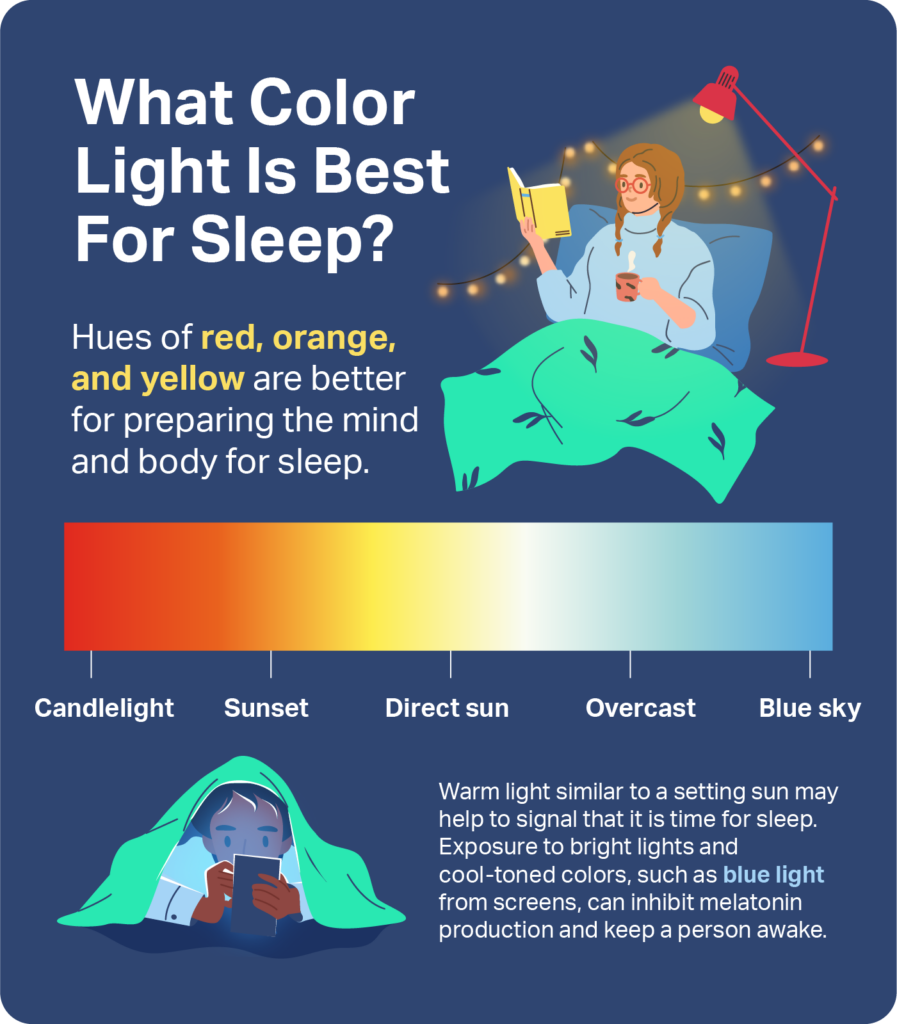
Blue light impacts the body clock. The eyes send a signal to a brain area called the suprachiasmatic nucleus. That signal controls melatonin, the sleep hormone. When blue light is present at night, melatonin drops. Lower melatonin means delayed sleep onset and lighter sleep.
Kids have different sleep needs by age. Younger kids need more deep sleep for growth. Teenagers shift naturally to later sleep times. Blue light can make that shift worse. Over time, repeated late bedtimes harm mood, school focus, and health.
How blue light affects kids sleep is not just about falling asleep. It can change sleep stages. It can shorten total sleep time. It can reduce the restorative slow-wave sleep kids need.
Evidence: what studies and data show
Researchers have tested light exposure, melatonin, and sleep length. Many studies show that evening blue light delays melatonin by an hour or more. Some experiments found screens before bed made kids fall asleep later and wake more at night.
Long-term studies link poor sleep with behavior and school problems. While no single factor explains all issues, how blue light affects kids sleep is a repeatable and measurable cause. That means we can act on it.
Keep in mind that not all studies are the same. Some use short lab tests. Others use real-life home tracking. The mix of evidence still points to blue light at night being harmful to child sleep.

Practical tips to reduce blue light exposure at night
These steps helped families I worked with. Start small and build habits.
- Set a screen curfew
- Turn off phones, tablets, and TVs one hour before bed for young kids. For teens, aim for two hours if possible.
- Use low-blue or warm light bulbs
- Replace bright white bulbs in bedrooms with warm, dim bulbs for evening hours.
- Enable night or blue-light filters
- Turn on built-in night modes on devices and set them to start early in the evening.
- Create a screen-free wind-down routine
– Read, draw, or do quiet play 30 to 60 minutes before lights out. - Limit bright overhead lights before bed
- Use a soft lamp instead of the main room light in the hour before sleep.
These tips help reduce how blue light affects kids sleep by lowering the light signals that keep their brains awake.
Night routines, gadgets, and practical gadget tips
Routines shape sleep. A calm sequence of events before bed tells the brain it’s time to sleep. Keep the routine steady and short. Aim for the same bed and wake times each day, even on weekends.
Gadget tips I tested with families:
- Move devices out of the bedroom
- Charge phones in a common area. This cuts late-night checks.
- Use “do not disturb” and parental controls
- Limit late notifications and app use.
- Choose low-blue screens for kids
- If a device is needed at night, use e-readers with warm light or paper books.
- Consider blue-blocking glasses for older kids
- Some teens use them in evening hours when screens are unavoidable.
These steps reduce exposure and show how blue light affects kids sleep less. They also teach kids healthy habits they can keep into adulthood.

When to seek professional help
If sleep problems continue despite changes, see a pediatrician. Persistent trouble falling asleep, daytime sleepiness, mood shifts, or learning issues need a checkup. A sleep specialist can suggest tests or therapy.
Be ready to share a sleep log. Note bedtime, wake time, screen use, and daytime behavior. This helps clinicians see how blue light affects kids sleep in real life.

Frequently Asked Questions of how blue light affects kids sleep
How soon before bed should kids stop using screens?
Stop screens at least one hour before bed for young kids. For teens, aim for two hours when possible.
Do blue light filters on phones fully fix the problem?
Filters reduce blue light but do not remove all effects. Filters help, but reducing use is more effective.
Can daytime outdoor play offset blue light at night?
Daylight helps set the body clock. Outdoor play in the day can improve sleep but does not cancel out evening blue light exposure.
Are blue-blocking glasses safe for kids?
They are generally safe for older children and teens. Talk with a pediatrician for young children or if you have vision concerns.
Will reading a tablet before bed ever be okay?
Reading on a tablet right before bed is not ideal. If you must, use warm light settings and low brightness, and limit time.
How does age affect sensitivity to blue light?
Younger eyes let in more blue light, so young children may be more affected. Teens also face risk due to social screen use and natural sleep shifts.
Can night lights harm sleep?
Very bright night lights with blue-rich light can harm sleep. Use dim, warm night lights if needed.
Conclusion
Blue light changes the sleep signal in kids. It lowers melatonin, delays sleep, and can cut deep, restorative sleep. The good news is that simple steps work. Set screen curfews, dim lights, and build calm bedtime routines to reduce how blue light affects kids sleep. Start tonight with one small change and watch sleep improve over a week or two.
Try one tip from this guide this week. Track sleep times and mood for two weeks to see the difference. Share your results or questions below, and consider subscribing for more clear, tested tips to help your child sleep better.
Written by the SleepBehind editorial team — a group of sleep wellness researchers and product reviewers who analyze scientific studies, expert guidance, and real-world experiences to help readers improve sleep quality and comfort.