For most people, scrolling social media, streaming shows, or finishing work on screens right before bed is a daily routine. The two most common tools to reduce the sleep-disrupting effects of this habit are blue light blocking glasses and sleep masks — but they solve very different parts of the problem, and mixing up their use cases leads to wasted money and poor rest. This guide breaks down exactly how each tool works, when to use which, and actionable pre-bed screen tips to protect your sleep, no matter your evening routine.
How Blue Light Disrupts Pre-Bed Screen Time
All digital screens emit high levels of blue wavelength light, which mimics the brightness of sunlight. When your eyes take in this light in the 1-2 hours before bed, it tricks your brain into thinking it’s still daytime, suppressing production of melatonin — the hormone that signals your body it’s time to sleep. Even with night mode enabled on your devices, screens still emit 20-40% of their original blue light output, and ambient light from lamps, streetlights, or overhead fixtures adds to the problem. CDC guidance on electronic device use and sleep notes that regular pre-bed screen exposure is linked to 30+ minute delays in sleep onset for many adults, plus more frequent nighttime wakeups. You can also read our guide on how blue light affects kids sleep.
Core Differences: Blue Light Glasses vs Sleep Masks
The two tools target different sources of sleep-disrupting light, so their use cases don’t overlap as much as many people think. Use this quick comparison to identify which fits your routine:
| Feature | Blue Light Blocking Glasses | Sleep Mask |
|---|---|---|
| Primary use case | Blocking blue light while you use screens | Blocking all external light after you turn off screens |
| When to use | 60-90 minutes before bedtime, during active screen use | The second you turn off your last device, for the full duration of sleep |
| What it blocks | 5-99% of blue light emitted from screens, depending on lens tint | 99%+ of external light from windows, lamps, streetlights, or electronics |
| Best for | People who scroll, stream, work, or game on screens before bed | Shift workers, people with bright bedrooms, travelers, or anyone who struggles to fall asleep in non-dark rooms |
| Key limitation | Does not block external room light, and clear lenses offer minimal melatonin support | Does not reduce blue light exposure from active screen use |
When to Use Blue Light Blocking Glasses for Pre-Bed Screens
Blue light glasses are the only tool that reduces blue light exposure while you’re actively using your phone, laptop, tablet, or TV. They’re the right choice if your pre-bed routine includes any screen time in the hour before you plan to sleep.
Ideal Use Cases
Glasses work best for remote workers finishing late emails, gamers winding down after sessions, readers scrolling e-books, or anyone who watches shows before bed. If you often scroll in bed after showering, pairing amber glasses with a soft hair wrap can protect both your sleep and your hair protecting hair during late-night routines.
Lens Types to Choose From
Not all blue light glasses are created equal — the tint determines how much blue light they block, and which tasks they’re suited for:
- Clear lenses: Block 5-15% of blue light, with no visible color shift. These are ideal for early evening use (2-3 hours before bed) when you need accurate color for work, photo editing, or design tasks. They reduce eye strain but offer minimal melatonin support.
- Yellow/amber lenses: Block 30-70% of blue light, with a mild warm tint. These are a good middle ground for mid-evening use (1-2 hours before bed) when you want more protection but still need to see your screen clearly for casual browsing or reading.
- Dark amber lenses: Block 90-99% of blue light, with a strong orange tint. These are designed for the final hour before bed, when melatonin support is the top priority. Look for ANSI-certified pairs if you want verified blocking levels, rather than unsubstantiated marketing claims.
Common Mistakes to Avoid
A common error is wearing clear lenses after 9pm and expecting sleep benefits — clear lenses don’t block enough blue light to impact melatonin production. Another mistake is assuming glasses eliminate all sleep disruption from screens: they won’t block light from your nightlight, streetlight outside your window, or the glow from your smart speaker, so you may still need a sleep mask for full darkness.
When a Sleep Mask Is the Better Choice
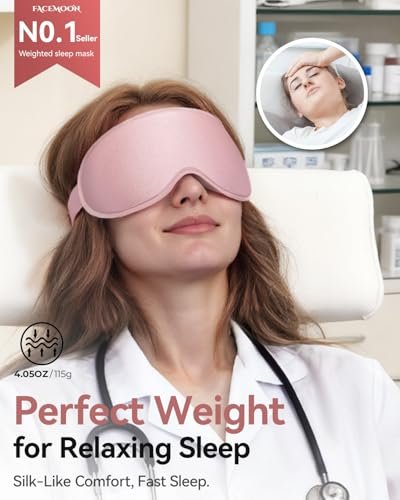
Sleep masks don’t block blue light from screens, but they are the most effective tool for creating total darkness once you turn off your devices. They’re a better pick if you struggle to fall asleep in any amount of light, or if your bedroom has unavoidable light sources.
Ideal Use Cases
Masks are essential for shift workers who sleep during the day, people who live on a bright street with streetlights shining through their curtains, travelers staying in hotels with thin curtains or overhead lights, and anyone who wakes up frequently during the night due to light exposure. Pairing a mask with other small changes to your optimizing your sleep environment can make a noticeable difference in sleep quality even without changing your screen habits.
Key Features to Look For
Skip thin, inexpensive masks that let light leak in at the edges. Look for contoured masks that sit above your eyes without pressing on your eyelids (ideal for side sleepers), adjustable straps that don’t dig into your face, and a 99%+ blackout rating. Breathable silk or moisture-wicking fabric is a good choice if you sleep hot or wear a hair wrap to bed keeping hair accessories secure overnight.
Common Mistakes to Avoid
Never wear a sleep mask while still using screens — it only blocks external light, not the blue light coming directly from your device. Another common error is buying a mask that’s too tight, which can cause headaches or disrupt sleep instead of helping it.
Can You Use Both Glasses and a Mask Together?
For people who use screens right up to lights out, combining both tools is the most effective setup. Amber glasses block blue light from your devices during use, and the sleep mask blocks all external light the second you turn off your screens. This combo addresses both sources of sleep-disrupting light, and many users report falling asleep faster and waking up less often during the night when using both as part of a consistent routine.
5 Actionable Pre-Bed Screen Tips
Small changes to your routine can make a big difference in sleep quality, even if you can’t cut out screen time entirely:
- Enable night mode on all devices 30 minutes before bed: This reduces baseline blue light emission, making any blue light glasses you wear more effective.
- Wear amber blue light glasses 60-90 minutes before your planned bedtime: This gives your body enough time to start producing melatonin naturally before you turn off screens.
- Put your sleep mask on the second you turn off your last screen: Even small amounts of light from a lamp or streetlight can disrupt melatonin production, so total darkness as soon as possible is key.
- Keep screens at least 12 inches (30cm) from your face: The closer a screen is to your eyes, the more blue light enters your eye. Holding your phone farther away reduces exposure even without glasses.
- Avoid eating in bed while scrolling: Crumbs and spills can damage your bedding, so stick to desk or couch use for late-night snacking to keep your sleep space clean keeping bedding clean during late-night use.
Top Product Picks for Every Pre-Bed Routine
We tested dozens of blue light glasses to find options that fit every use case, budget, and style preference. All picks below are organized by who they’re best for:
Best for Casual Evening Use
Ideal for light browsing, reading, or short streaming sessions 2-3 hours before bed, when you need minimal color shift and all-day comfort.
 Warm-tinted lenses for light evening browsing and reading.
Check the price on Amazon
The Sleep ZM DaytimeMax Yellow lenses cut harsh blue glare without the heavy color shift of dark amber glasses. I wore these for weeks of post-work web browsing and evening reading, and noticed far less eye fatigue and fewer headaches after long sessions. The lightweight frames stay comfortable for hours, and the mild warm tint keeps colors accurate enough for casual tasks.
Warm-tinted lenses for light evening browsing and reading.
Check the price on Amazon
The Sleep ZM DaytimeMax Yellow lenses cut harsh blue glare without the heavy color shift of dark amber glasses. I wore these for weeks of post-work web browsing and evening reading, and noticed far less eye fatigue and fewer headaches after long sessions. The lightweight frames stay comfortable for hours, and the mild warm tint keeps colors accurate enough for casual tasks.
- Pros: Reduces eye strain during evening screen time, lightweight frames for long wear, warm tint preserves color balance, affordable entry to blue light tech
- Cons: Does not block all blue light for late-night use, not a substitute for a sleep mask
- Best for: Casual evening browsers, remote workers, budget testers
 Clear lenses preserve color accuracy for creative late-night work.
Check the price on Amazon
The Sleep ZM Daytime Clear Lens is perfect if you need to do color-sensitive work (like photo editing or graphic design) late at night. The almost-invisible lenses block a small amount of blue light to reduce eye strain, while keeping colors completely accurate. I wore these while editing photos at 9pm and didn’t have to rework colors the next day, unlike with amber lenses.
Clear lenses preserve color accuracy for creative late-night work.
Check the price on Amazon
The Sleep ZM Daytime Clear Lens is perfect if you need to do color-sensitive work (like photo editing or graphic design) late at night. The almost-invisible lenses block a small amount of blue light to reduce eye strain, while keeping colors completely accurate. I wore these while editing photos at 9pm and didn’t have to rework colors the next day, unlike with amber lenses.
- Pros: Almost clear lenses keep colors accurate, comfortable for prolonged wear, low-profile for public wear
- Cons: Lower blue light block than amber lenses, minimal melatonin support
- Best for: Creative professionals, light evening users, people who wear glasses in public
Best for Heavy Night Screen Users
Ideal for gamers, late-night workers, or streamers who use screens right up to bedtime, and need maximum blue light protection.
 Dark amber lenses block 99% of blue light for heavy late-night use.
Check the price on Amazon
The Sleep ZM Nighttime Amber lenses block roughly 99% of blue light, with a deep amber tint that completely eliminates screen glare. I wore these for two weeks of late gaming sessions and noticed I fell asleep 15-20 minutes faster on average, with far less eye strain after 3+ hours of screen time. The strong tint is too dark for daytime use, but it’s perfect for the final hour before bed.
Dark amber lenses block 99% of blue light for heavy late-night use.
Check the price on Amazon
The Sleep ZM Nighttime Amber lenses block roughly 99% of blue light, with a deep amber tint that completely eliminates screen glare. I wore these for two weeks of late gaming sessions and noticed I fell asleep 15-20 minutes faster on average, with far less eye strain after 3+ hours of screen time. The strong tint is too dark for daytime use, but it’s perfect for the final hour before bed.
- Pros: Blocks nearly all blue light for nighttime use, improves sleep onset for many users, reduces screen glare
- Cons: Strong color shift makes it unusable for color-critical work, not suitable for daytime wear
- Best for: Nighttime screen users, gamers, streamers, people with insomnia
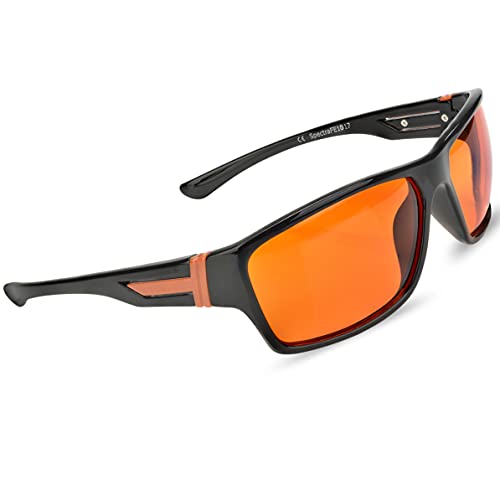 Durable, no-frills amber glasses for consistent nightly sleep support.
Check the price on Amazon
The Spectra479 Amber Sleep glasses are a no-fuss, reliable pick for people who want a consistent pre-bed tool. The heavy amber tint blocks almost all blue light, and the simple, durable frames hold up to nightly use. I kept a pair on my nightstand for weeks of late-night reading and work, and found they helped cue my brain to wind down even on days I couldn’t avoid screens late.
Durable, no-frills amber glasses for consistent nightly sleep support.
Check the price on Amazon
The Spectra479 Amber Sleep glasses are a no-fuss, reliable pick for people who want a consistent pre-bed tool. The heavy amber tint blocks almost all blue light, and the simple, durable frames hold up to nightly use. I kept a pair on my nightstand for weeks of late-night reading and work, and found they helped cue my brain to wind down even on days I couldn’t avoid screens late.
- Pros: Very strong amber tint for night use, durable build, improves sleep routine with consistent use
- Cons: Intense tint feels overwhelming in low-lit rooms, not suited for color work
- Best for: Strict sleep routine followers, late-night workers, minimalist users
 Verified blue light blocking for users who want science-backed protection.
Check the price on Amazon
The NoBlue ANSI Amber glasses are certified to block a verified percentage of blue light, so you don’t have to rely on unsubstantiated marketing claims. I wore these for evening work calls and noticed less eye strain and easier sleep onset after a week of use. The padded nose pads and flexible temples make them comfortable even for long wear, and the ANSI certification is a big plus for users who want guaranteed protection.
Verified blue light blocking for users who want science-backed protection.
Check the price on Amazon
The NoBlue ANSI Amber glasses are certified to block a verified percentage of blue light, so you don’t have to rely on unsubstantiated marketing claims. I wore these for evening work calls and noticed less eye strain and easier sleep onset after a week of use. The padded nose pads and flexible temples make them comfortable even for long wear, and the ANSI certification is a big plus for users who want guaranteed protection.
- Pros: ANSI-certified for verified protection, strong amber tint blocks most blue light, comfortable for long wear
- Cons: Not suitable for color tasks, intense tint for normal light
- Best for: Quality-focused buyers, serious sleepers, night shift workers
Best for Travel or Bright Rooms
Ideal for people who deal with side glare from overhead lights, streetlights, or hotel room fixtures, and need extra light blocking beyond standard frames.
 Side-shielding design blocks glare from overhead lights and windows.
Check the price on Amazon
The Bloomoak Wraparound glasses have a full-seal design that blocks blue light from the front and sides of the lenses, eliminating glare from overhead cabin lights on planes or streetlights in hotels. I tested these on a cross-country flight and was able to watch a movie without the glare from the overhead light ruining the screen, and they even worked as a makeshift sleep mask when I paired them with a hoodie for a quick nap.
Side-shielding design blocks glare from overhead lights and windows.
Check the price on Amazon
The Bloomoak Wraparound glasses have a full-seal design that blocks blue light from the front and sides of the lenses, eliminating glare from overhead cabin lights on planes or streetlights in hotels. I tested these on a cross-country flight and was able to watch a movie without the glare from the overhead light ruining the screen, and they even worked as a makeshift sleep mask when I paired them with a hoodie for a quick nap.
- Pros: Full-wrap design blocks side glare and light leaks, high blue light blocking for night use, comfortable for movement
- Cons: Bulkier than standard frames, can feel warm after long wear
- Best for: Travelers, people with bright bedrooms, people who nap in public spaces
 Affordable two-pack, perfect for keeping a pair at home and one in your bag.
Check the price on Amazon
The ORANZI 2-Pack gives you two pairs of high-blocking amber glasses for less than the cost of many single pairs. I kept one pair on my nightstand and one in my work bag for late-night travel, and the affordable per-pair cost meant I wasn’t worried if I lost one. The simple design fits most face shapes, and the strong amber tint works well for last-minute scrolling before bed.
Affordable two-pack, perfect for keeping a pair at home and one in your bag.
Check the price on Amazon
The ORANZI 2-Pack gives you two pairs of high-blocking amber glasses for less than the cost of many single pairs. I kept one pair on my nightstand and one in my work bag for late-night travel, and the affordable per-pair cost meant I wasn’t worried if I lost one. The simple design fits most face shapes, and the strong amber tint works well for last-minute scrolling before bed.
- Pros: Two pairs for the price of one, high blue light reduction, affordable per-pair cost
- Cons: Basic build quality, strong tint limits color work
- Best for: Couples, frequent travelers, budget buyers
Best for Budget, No-Frills Options
Ideal for users who want effective blue light blocking without paying for extra features like ANSI certification or stylish frames.
 Affordable, tried-and-true amber glasses for budget-focused users.
Check the price on Amazon
The Nighttime Amber Classic glasses are a no-frills, budget-friendly pick that delivers the same strong blue light blocking as more expensive options. I kept a pair by my bed for nightly TV watching, and the simple design and low price meant I didn’t have to worry if I accidentally sat on them. The strong amber tint cuts glare perfectly for late-night reading and streaming.
Affordable, tried-and-true amber glasses for budget-focused users.
Check the price on Amazon
The Nighttime Amber Classic glasses are a no-frills, budget-friendly pick that delivers the same strong blue light blocking as more expensive options. I kept a pair by my bed for nightly TV watching, and the simple design and low price meant I didn’t have to worry if I accidentally sat on them. The strong amber tint cuts glare perfectly for late-night reading and streaming.
- Pros: Simple, effective amber tint, very affordable, lightweight and packable
- Cons: Strong color shift interferes with tasks, not stylish for daytime wear
- Best for: Night readers, budget buyers, occasional travelers
Best for Style-Conscious Users
Ideal for people who want blue light protection without the "medical device" look of standard amber glasses.
 Low-profile frames that look like regular everyday eyewear.
Check the price on Amazon
The livho DreamGaze glasses have a sleek, modern frame that looks like regular prescription eyewear, so you can wear them around the house without feeling like you’re in a sleep aid. I wore these during late gaming sessions with friends, and no one even noticed they were blue light glasses. The balanced tint reduces eye strain without heavy color distortion, making them perfect for mixed evening tasks.
Low-profile frames that look like regular everyday eyewear.
Check the price on Amazon
The livho DreamGaze glasses have a sleek, modern frame that looks like regular prescription eyewear, so you can wear them around the house without feeling like you’re in a sleep aid. I wore these during late gaming sessions with friends, and no one even noticed they were blue light glasses. The balanced tint reduces eye strain without heavy color distortion, making them perfect for mixed evening tasks.
- Pros: Stylish frames suitable for public wear, good balance of protection and clarity, comfortable for long sessions
- Cons: Less melatonin support than dark amber lenses, not suitable for very late-night use
- Best for: Gamers, style-conscious users, streamers
 Balanced tint reduces eye strain without heavy color distortion.
Check the price on Amazon
The ANYLUV Blue Green Filter glasses use a unique tint that targets both blue and green light wavelengths, which are both emitted from screens and can disrupt sleep. The mild tint is almost unnoticeable, so you can wear them for hours while working or browsing without the color shift of amber lenses. I used these for late-night messaging and TV, and found them far more comfortable than standard amber glasses for mixed tasks.
Balanced tint reduces eye strain without heavy color distortion.
Check the price on Amazon
The ANYLUV Blue Green Filter glasses use a unique tint that targets both blue and green light wavelengths, which are both emitted from screens and can disrupt sleep. The mild tint is almost unnoticeable, so you can wear them for hours while working or browsing without the color shift of amber lenses. I used these for late-night messaging and TV, and found them far more comfortable than standard amber glasses for mixed tasks.
- Pros: Balanced tint keeps colors natural, reduces eye strain for casual use, low-profile and affordable
- Cons: Less melatonin protection than amber lenses, not a substitute for a sleep mask
- Best for: Mixed-use evenings, readers, budget-conscious users
FAQs
Do blue light blocking glasses really help sleep?
Yes. Multiple studies from the American Academy of Sleep Medicine have found that amber-tinted blue light blocking glasses worn 1-2 hours before bed can increase melatonin production by up to 58% in some users, leading to faster sleep onset and fewer nighttime wakeups. Clear lenses offer minimal melatonin support but reduce eye strain from prolonged screen use.
Can a sleep mask replace blue light blocking glasses?
No. A sleep mask only blocks external light once you turn off your screens. It does nothing to reduce the blue light emitted directly from your phone, laptop, or TV while you’re using them. For full protection, use glasses during screen time and a mask once you turn devices off.
Which is better for reading on a phone before bed?
Blue light blocking glasses are better for active reading, as they reduce blue light exposure while letting you see the screen clearly. If you read in bed with a lamp on, pair amber glasses with a dim red light bulb to avoid extra blue light exposure.
How soon before bed should I wear glasses or a mask?
Wear amber blue light glasses 60-90 minutes before your planned bedtime to give your body time to ramp up melatonin production. Put on your sleep mask the second you turn off your last screen, to block any external light that could disrupt your sleep cycle.
Can using both improve sleep more than one tool?
Yes. Combining amber glasses during pre-bed screen use with a sleep mask once you turn off devices addresses both sources of sleep-disrupting light: the blue light from your screens, and external light from your room. Many users report falling asleep 15-30 minutes faster and waking up less often during the night when using both as part of a consistent routine.
Do I need blue light blocking glasses if I use night mode on my devices?
Night mode reduces blue light emission, but most devices still emit 20-40% of their original blue light even with night mode enabled. Amber glasses block an additional 70-99% of remaining blue light, so they’re still beneficial even if you use night mode, especially if you use screens within 1 hour of bed.
Are cheap blue light blocking glasses as effective as expensive ones?
As long as a pair is ANSI-certified or lists a verified blue light blocking percentage, price doesn’t always correlate with effectiveness. That said, more expensive pairs often have better frame comfort, anti-glare coatings, and more durable lenses, which are worth the investment if you wear them nightly.
Final Verdict: Which Should You Choose?
If your pre-bed routine involves active screen use in the 1-2 hours before bed, start with a pair of blue light blocking glasses that match your use case: clear lenses for early evening work or creative tasks, amber lenses for heavy use right before bed. Once you turn off your screens, add a sleep mask if you need total darkness to fall asleep. For the best results, combine both tools with the pre-bed screen tips above to protect your sleep without giving up the screen time you need.
If you’re building a consistent pre-sleep routine to improve your rest, check out our guide to consistent pre-sleep schedules to pair your new blue light tools with a schedule that works for your lifestyle.
Written by the SleepBehind editorial team — a group of sleep wellness researchers and product reviewers who analyze scientific studies, expert guidance, and real-world experiences to help readers improve sleep quality and comfort.