Neck pain is one of the most common culprits behind fragmented, unrefreshing sleep, with millions of people waking multiple times a night due to stiffness, aching, or sharp cervical discomfort. Unlike general sleep disruptions, neck pain often creates a vicious cycle: discomfort keeps you awake, and poor sleep reduces your pain threshold, making discomfort feel worse the next day. This guide covers actionable, practical steps to break that cycle, tailored to different sleep preferences, pain causes, and lifestyle needs. All recommendations align with current clinical guidance for safe, sustainable relief.
 Neck pain is a leading cause of interrupted, unrefreshing sleep for millions of adults.
Why Neck Pain Disrupts Restful Sleep
The Biomechanics of Nighttime Discomfort
Your cervical spine (the 7 small vertebrae in your neck) is supported by tiny muscles, ligaments, and cushioning discs, all of which stay active even when you’re resting. If your head is not perfectly aligned with your spine during sleep, these structures experience uneven pressure for 7–9 hours, leading to inflammation, muscle guarding, and pain that rouses you from sleep. Pain signals also activate your sympathetic nervous system (the “fight or flight” response), which blocks deep NREM and REM sleep—the stages critical for physical repair and pain regulation. Even if you stay asleep full night, you may wake feeling unrefreshed and more sensitive to pain the next day. You can also read our guide on deep sleep tips.
Common Root Causes of Sleep-Disrupting Neck Pain
Most nighttime neck pain stems from overlapping, modifiable factors, including:
- Prolonged forward head posture from phone, laptop, or desk use, which strains cervical muscles and ligaments over time
- Sleeping with an unsupportive pillow or mattress that tilts or twists the neck out of neutral alignment
- Degenerative cervical conditions such as arthritis, herniated discs, or cervical spondylosis
- Tension and stress that tightens upper back and neck muscles, especially after long, stressful days
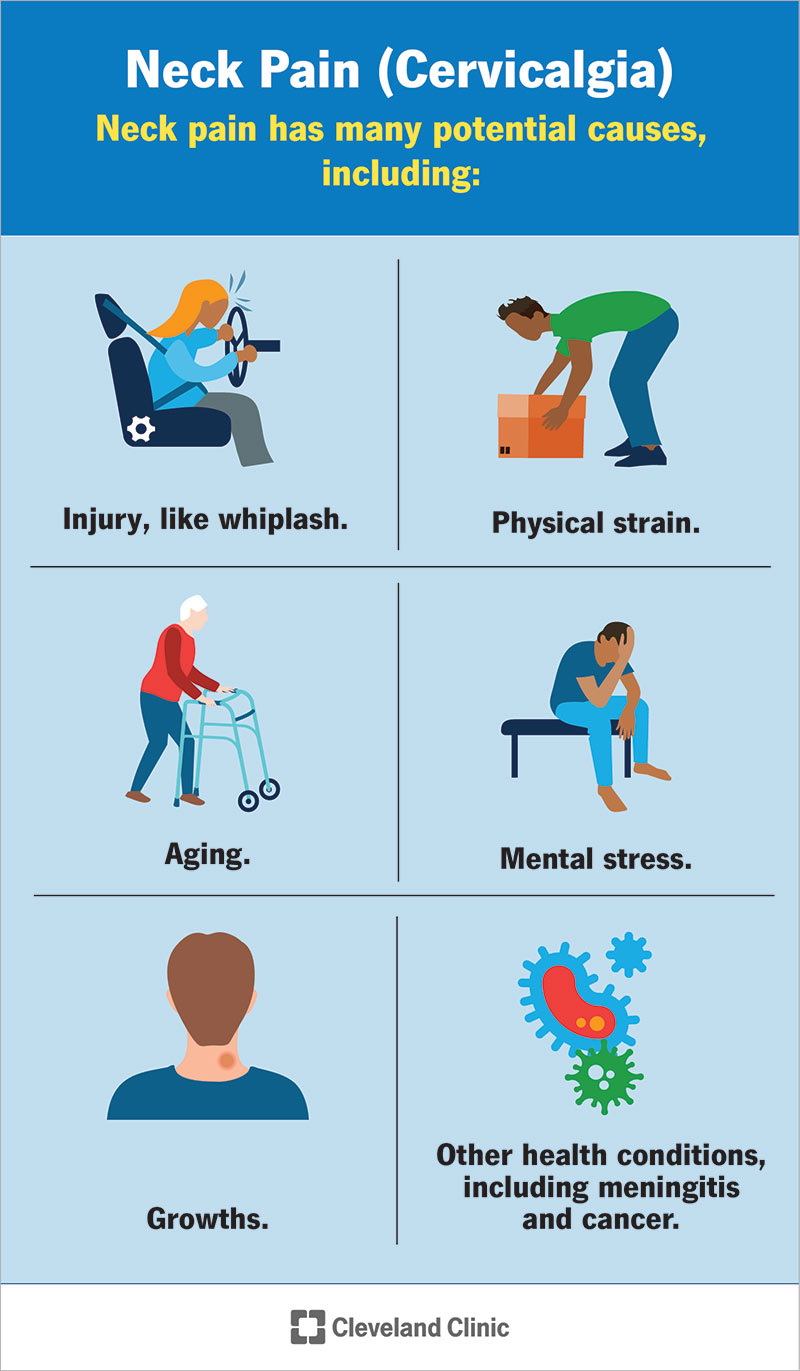
- Old injuries (such as whiplash) that leave lingering weakness or stiffness in the cervical area Identifying your primary trigger makes it easier to select targeted, effective fixes.
Best Sleep Positions to Reduce Neck Strain
The goal of any sleep position for neck pain is neutral cervical alignment: your ears stacked directly over your shoulders, chin slightly tucked, with no extreme rotation, flexion, or tilt of the head.
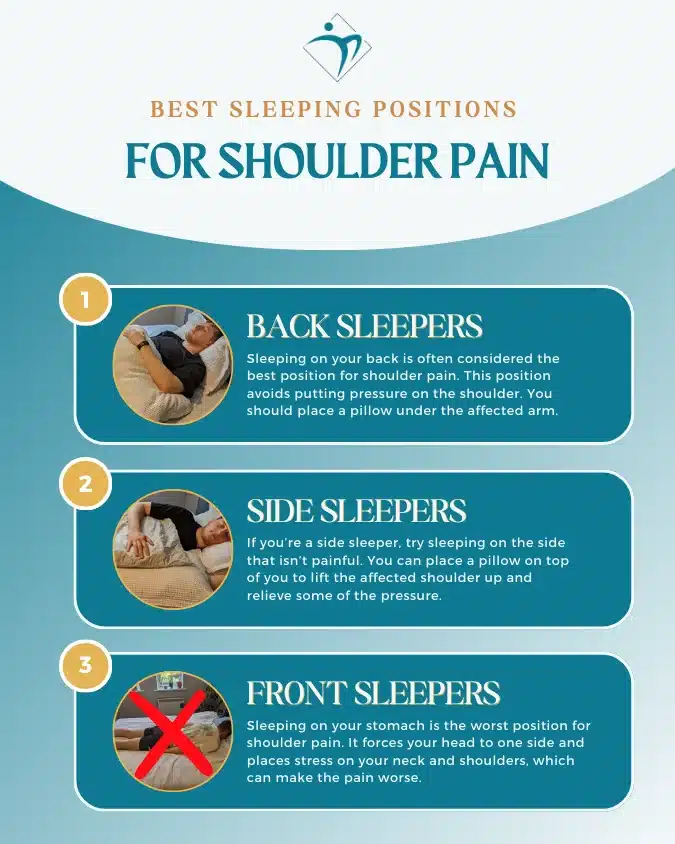
Back Sleeping: The Most Neck-Friendly Option for Most People
Back sleeping distributes weight evenly across the spine, reducing pressure on the cervical vertebrae and surrounding muscles. For optimal alignment, use a low-to-medium contoured cervical pillow that fills the natural inward curve of your neck (cervical lordosis) without pushing your head forward. If you have a flatter neck curve, a small rolled towel placed under your cervical spine (not under your head) can add extra targeted support. Avoid thick, fluffy pillows that tilt your head forward and strain your neck muscles. You can also read our guide on how to sleep with sinus congestion.
Side Sleeping: How to Get Alignment Right
Side sleeping is the second-best option for neck pain, but it requires precise pillow height to avoid strain. Your pillow should fill the exact gap between your ear and the mattress, so your head sits level with your spine, not tilted upward or downward. People with broad shoulders typically need a higher pillow than those with narrower frames to maintain alignment. If you wake up with neck pain on one side, check that your pillow is not too low, causing your head to droop and stretch the neck muscles on that side.
Stomach Sleeping: Why to Avoid It (and Temporary Fixes if You Can’t Break the Habit)
Stomach sleeping is the worst position for neck pain, as it requires you to turn your head 90 degrees to breathe, twisting your cervical spine and holding neck muscles in a shortened, strained position for hours. If you cannot break the stomach sleeping habit, use a very thin pillow (or no pillow at all) and place a small, soft pillow under your forehead to keep your neck as neutral as possible while you sleep. That said, transitioning to back or side sleeping will deliver far better long-term relief for most people. You can also read our guide on neck support pillow for chair.
How to Test Your Cervical Alignment
You can easily check if your sleep position and pillow are supporting proper alignment with these quick tests:
- For back sleeping: Lie flat and slide one hand behind your neck. There should be a small, even gap between your neck and the mattress, not a large hollow or no gap at all.
- For side sleeping: Ask a partner to check that your head is not tilted up or down, or take a photo of yourself lying on your side from behind to assess alignment. It can take 1–2 weeks to adjust to a new sleep position or pillow, so give changes time before deciding if they are working for you.
 Neutral cervical alignment, with ears stacked over shoulders, is the goal for all sleep positions.
Choosing the Right Pillow and Mattress for Neck Support
Your sleep surface is the foundation of cervical alignment, and small adjustments here often deliver the biggest improvements in nighttime neck pain.
Pillow Selection: Prioritize Height and Contour Over Material
Pillow height is the most critical factor for neck support, not just material or price. Match your pillow to your primary sleep position:
- Back sleepers: Choose a low-to-medium, contoured pillow that supports the natural curve of the neck without pushing the head forward.
- Side sleepers: Opt for a firmer, higher pillow that fills the gap between your ear and the mattress, keeping your head level with your spine.
- Stomach sleepers: Use a very thin pillow (or no pillow) to avoid extreme neck tilt. Pillow material is a personal preference: memory foam contours closely to the neck, latex is more breathable for hot sleepers, and down alternative offers a softer, plusher feel. If you opt for a cooling bamboo pillow, follow proper cleaning protocols to maintain its structure and support over time. Always use pillows with a 30-night trial period if available, as it takes time to adjust to a new support level.
Mattress Support: The Foundation of Spinal Alignment
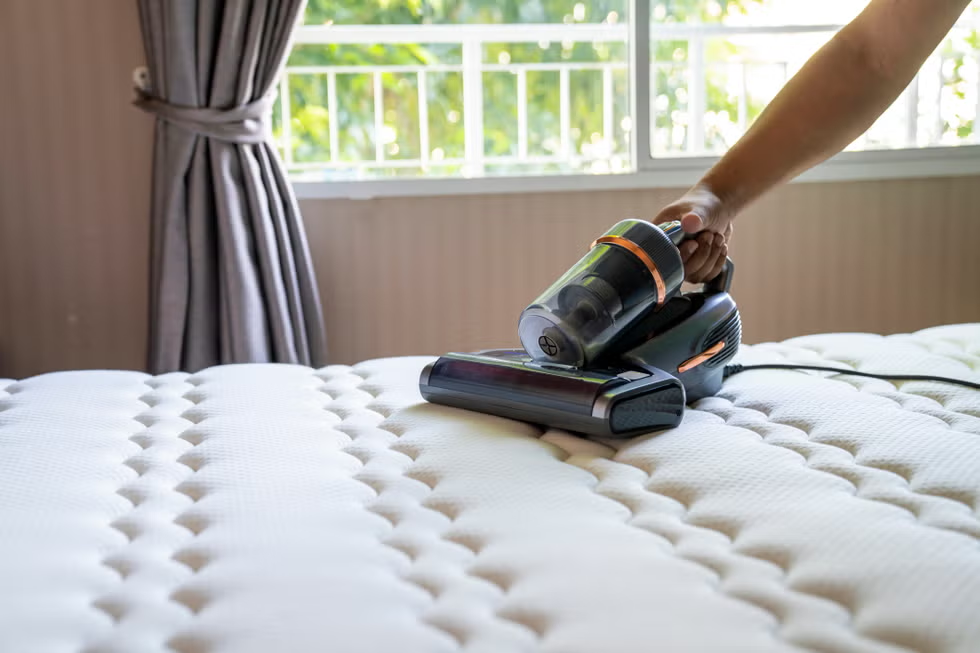
A mattress that is too soft lets your shoulders and hips sink too far, causing your spine to curve and your neck to tilt out of alignment. A mattress that is too firm fails to contour to your body, creating pressure points at the shoulders and neck that radiate pain. Medium-firm mattresses are the best choice for most people with neck pain, as they balance support and cushioning to keep the spine neutral. Heavier sleepers may prefer a firmer mattress, while lighter sleepers may find medium-firm too rigid. If you do not want to replace your full mattress, a 2–3 inch latex or memory foam topper can adjust the feel of your current bed to better support your neck. For a plusher feel without sacrificing alignment, a high-quality feather topper can add cushioning; follow tips for maintaining its loft to keep it supportive long-term. If you add a topper to fine-tune your mattress feel, check the care instructions for your specific model to avoid damaging the support layers.
When to Replace Your Pillow or Mattress
Pillows lose their support and accumulate allergens after 1–2 years of regular use, so replace them if they feel lumpy, flat, or no longer hold their shape. Mattresses typically last 7–10 years before sagging compromises spinal alignment. If you wake up with neck pain every morning despite consistent adjustments to your pillow and routine, it may be time to replace your sleep surface.
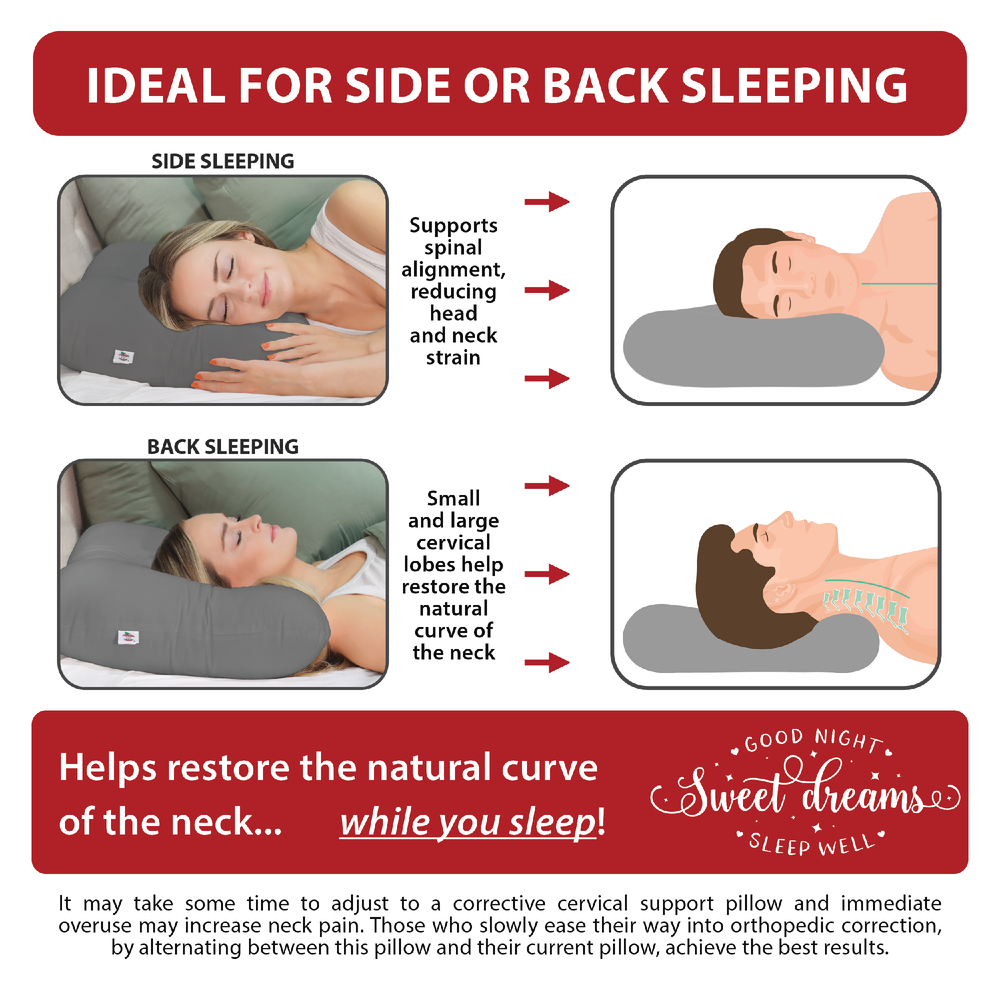 A contoured cervical pillow fills the natural curve of the neck to reduce pressure while sleeping on your back.
Bedtime Routines, Stretches, and Sleep Hygiene
Daytime muscle tension, stress, and poor habits are major contributors to nighttime neck pain, so a consistent pre-bed routine can reduce discomfort and prime your body for restful sleep.
Gentle Pre-Bed Stretches to Release Tension
Do 5–10 minutes of gentle, static stretches (no bouncing) before bed to release tight neck and upper back muscles. Use these form cues to avoid injury:
- Chin tucks: Sit or stand tall with shoulders relaxed, gently draw your chin straight back (like making a double chin) without tilting your head up or down. Hold for 5 seconds, release, repeat 10 times. This strengthens the deep cervical flexor muscles that support the neck, reducing strain over time.
- Upper trapezius stretch: Sit tall, gently tilt your right ear toward your right shoulder, placing your right hand on the left side of your head for a light stretch (do not pull hard). Hold for 20 seconds, then switch sides. Avoid shrugging your shoulders up toward your ears during the stretch.
- Levator scapulae stretch: Sit tall, reach your right arm down and behind your back, gently tilt your head to the left, then slightly rotate your chin toward your left armpit. You will feel a stretch along the right side of your neck, from the skull down to the shoulder blade. Hold for 20 seconds, switch sides. This targets the muscle that connects the neck to the shoulder, which is often tight from desk work.
- Shoulder rolls: Roll your shoulders forward 10 times, then backward 10 times to release upper back tension that often radiates to the neck.
Heat and Cold Therapy for Targeted Relief
Temperature therapy can reduce pain and stiffness before bed:
- Cold therapy (ice pack wrapped in a thin towel, applied for 10–15 minutes) is best for acute, sharp pain or inflammation from a recent strain.
- Heat therapy (warm compress, heating pad on low, or a warm shower) is best for chronic stiffness, as it increases blood flow to tight muscles and promotes relaxation. Limit heat use to 20 minutes at a time, and never fall asleep with a heating pad on to avoid burns.
Sleep Hygiene Habits That Reduce Nighttime Pain
Small adjustments to your pre-bed routine can reduce overall muscle tension and improve sleep quality:
- Stick to a consistent sleep schedule, even on weekends, to regulate your circadian rhythm and reduce stress-related muscle tightness. Consistent sleep and wake times are evidence-based practices recommended by the CDC to improve overall sleep quality.
- Limit screen use 1 hour before bed, as blue light suppresses melatonin production and can increase stress and muscle tension.
- If you wash your hair at night, sleeping with soaking wet hair can cause scalp cooling that exacerbates neck muscle tension. Opt for the healthiest drying methods to avoid adding extra strain to your neck. If you have chemically straightened hair, use gentle overnight styles to avoid scalp pulling that can radiate discomfort to the neck.
 Warm therapy before bed relaxes tight neck muscles to reduce nighttime pain and stiffness.
Pain Management Strategies for Nighttime Relief
For moderate to severe neck pain, targeted pain relief can help you fall and stay asleep. Always start with the lowest-risk options first, and consult a clinician before starting new medications or therapies.
Non-Pharmacological First-Line Options
These low-risk options are effective for most mild to moderate neck pain:
- Topical analgesics: Creams or patches with menthol, camphor, or diclofenac provide localized pain relief without systemic side effects. Apply 30 minutes before bed to the sore area, following package instructions.
- Gentle massage: Use a foam roller or tennis ball to massage the upper back and shoulders (never the front of the neck, which has delicate blood vessels) for 5–10 minutes before bed to release tight trigger points.
- Relaxation techniques: Guided body scan meditations, 4-7-8 breathing, or progressive muscle relaxation can lower cortisol levels and reduce pain perception. Even 5 minutes of deep breathing before bed can make pain feel less intense.
Over-the-Counter and Prescription Options
- Short-term use of nonsteroidal anti-inflammatory drugs (NSAIDs) like ibuprofen can reduce inflammation and pain, but should not be used for more than 7–10 days without a doctor’s supervision to avoid stomach or kidney side effects.
- If pain is severe or persistent, a clinician may prescribe muscle relaxants, topical pain medications, or recommend physical therapy, which has been shown to be highly effective for chronic neck pain when tailored to your specific needs.
- Soft cervical collars can limit neck movement and reduce pain for a few nights during acute flare-ups, but long-term use can weaken neck muscles and worsen posture. Only use a collar if advised by a healthcare provider.
When to Avoid Certain Pain Relief Methods
Avoid aggressive neck stretches, “cracking” or manipulating the neck before bed, or using heating pads on high settings, as these can irritate inflamed tissues and make pain worse. Do not ignore persistent pain for more than 4 weeks without seeking professional evaluation.
Setting Up Your Bedroom for Neck-Friendly Sleep
Small adjustments to your sleep environment can reduce nighttime movement and support consistent, pain-free rest.
Optimize Environmental Factors for Deeper Rest
- Keep your bedroom cool (60–67°F / 15–19°C, the ideal sleep temperature per sleep medicine guidelines) to reduce muscle tension and inflammation.
- Make the room as dark and quiet as possible: use blackout curtains, a sleep mask, or a white noise machine to block disruptive light and sound that can fragment sleep and amplify pain perception.
- Choose breathable, soft bedding (cotton, linen, or bamboo) to avoid overheating, which increases muscle tightness.
Ergonomic Adjustments to Prevent Nighttime Strain
- Position your alarm clock, phone charger, and lamp within easy reach so you do not have to twist your neck to access them when waking up.
- If you read or watch TV in bed, use a wedge pillow or adjustable bed frame to prop your head up at a 30–45 degree angle, so you do not hunch your neck forward for long periods.
- Avoid working on laptops or scrolling your phone in bed, as this encourages forward head posture that worsens neck strain.
- If you use a mattress protector to keep your sleep surface clean, follow cleaning guidelines for your specific model to avoid sagging that compromises spinal alignment.
Common Mistakes to Avoid When Managing Neck Pain at Night
In clinical and consumer sleep guidance, the most impactful changes for neck pain relief are almost always small, consistent adjustments rather than expensive one-time purchases. Avoid these common pitfalls that can delay relief or worsen pain:
- Buying an expensive pillow without testing it first: Pillow fit is highly individual, and a high price tag does not guarantee it will work for your sleep position and neck shape. Always use a trial period if available, and test a pillow for at least 2 weeks before deciding if it reduces your pain.
- Overdoing stretches or aggressive neck manipulation: Stretches should feel like a mild, gentle pull, not sharp pain. Aggressive stretching, cracking your neck before bed, or using high-intensity neck massagers can irritate inflamed tissues and make pain worse.
- Ignoring daytime posture: Nighttime neck pain is almost always linked to daytime habits. If you hunch over a desk all day, slouch while scrolling your phone, or sleep on a couch with no support, no amount of nighttime fixes will fully resolve your pain. Adjust your desk setup so your monitor is at eye level and your shoulders stay relaxed throughout the day.
- Sleeping on old pillows or mattresses: Even the best pillow will lose its support after 1–2 years, and sagging mattresses compromise alignment after 7–10 years. If you wake up with neck pain every morning, check if your sleep surface is past its prime.
- Using pain as a reason to avoid all movement: While rest is important for acute flare-ups, gentle daily movement (walking, gentle yoga) improves blood flow to the neck and reduces stiffness, making nighttime pain less severe over time.
 Avoiding habits that strain the neck during the day reduces nighttime discomfort.
When to Seek Professional Care
Most mild to moderate neck pain improves within 2–4 weeks with consistent home care, but certain symptoms require prompt evaluation by a healthcare provider, such as a physical therapist, orthopedist, or neurologist. Red flags outlined by the American Academy of Orthopaedic Surgeons that require same-day or urgent care include:
- Numbness, tingling, or weakness in the arms, hands, or fingers, which can indicate nerve compression
- Pain that started after a fall, car accident, or other trauma, which could signal a fracture or soft tissue injury
- Rare but serious signs of spinal cord compression: loss of coordination, balance issues, or changes in bowel or bladder function
- Pain that is severe, wakes you multiple times a night, or does not improve after 4 weeks of consistent home care A clinician may order imaging (X-ray, MRI) to rule out underlying conditions, and may recommend physical therapy, which combines targeted exercises and manual therapy to address the root cause of chronic neck pain. Early intervention reduces the risk of long-term pain and disability.
 Prompt professional care for neck pain with red flags prevents long-term complications.
Frequently Asked Questions
How can I sleep with neck pain tonight?
Start by adjusting your pillow to match your sleep position: use a low contoured pillow for back sleeping, or a higher firm pillow for side sleeping to keep your head level with your spine. Apply a warm compress to your neck for 10–15 minutes before bed to relax tight muscles, and do 5 minutes of gentle chin tucks and shoulder rolls to release tension. If pain is sharp, use a cold pack for 10 minutes before getting into bed.
Which pillow is best for neck pain?
There is no one universal “best” pillow for neck pain, as the right choice depends on your sleep position, neck shape, and personal preferences. In general, look for a pillow that maintains neutral cervical alignment, with height adjusted to fill the gap between your ear and the mattress for side sleepers, or support the natural neck curve for back sleepers. Test any pillow for at least 2 weeks before deciding if it reduces your pain.
Will a new mattress help my neck pain?
Yes, a supportive mattress is a critical part of neck pain relief, as it forms the foundation of your spinal alignment. A medium-firm mattress is the best choice for most people, as it prevents excessive sinkage that tilts the neck out of alignment. If you cannot replace your full mattress, a high-quality topper can adjust the feel of your current bed to better support your neck.
Are neck braces helpful for sleeping?
Soft cervical collars can limit neck movement and reduce pain for a few nights during acute flare-ups, but long-term use can weaken neck muscles and worsen posture over time. Only use a neck brace if recommended by a healthcare provider, and do not use it for more than a few nights at a time without medical supervision.
When should I see a doctor for neck pain?
See a doctor right away if you experience numbness, tingling, or arm weakness, pain after trauma, or changes in bowel or bladder function. For persistent pain that does not improve after 4 weeks of consistent home care, schedule an appointment with a clinician to rule out underlying conditions and get a personalized treatment plan.
Can stretching make my neck pain worse?
Gentle, static stretches (no bouncing) are safe and effective for releasing neck tension, but aggressive stretching, forcing movement into painful ranges, or “cracking” your neck before bed can irritate inflamed tissues and worsen pain. If a stretch causes sharp pain, stop immediately.
Will sleeping on my back completely eliminate my neck pain?
Back sleeping reduces neck strain for most people, but it is not a cure-all on its own. You will still need a supportive pillow, good daytime posture, and consistent pre-bed routines to see lasting improvement in nighttime neck pain.
 Common questions about managing neck pain for better sleep, answered by experts.
Conclusion
Improving your sleep while managing neck pain does not require expensive purchases or extreme lifestyle changes. Start with small, sustainable adjustments: prioritize neutral cervical alignment with a pillow that matches your sleep position, add 5 minutes of gentle stretching and heat therapy to your pre-bed routine, optimize your bedroom environment for cool, dark rest, and address daytime posture habits that contribute to tension. If you have tried these tips for 2 weeks and still experience disruptive neck pain, schedule an appointment with a physical therapist to get a personalized assessment and treatment plan. For more guidance on building a pain-free sleep routine, browse our library of evidence-based sleep resources.

Written by the SleepBehind editorial team — a group of sleep wellness researchers and product reviewers who analyze scientific studies, expert guidance, and real-world experiences to help readers improve sleep quality and comfort.