Most people assume sleep is a passive state of rest, but your body runs an active, highly coordinated repair program every night—if you get the right kind of sleep at the right time. If you’ve ever woken up after 8 hours of sleep still feeling achy, foggy, or slow to recover from a workout, your repair window may be misaligned with your sleep schedule. This guide breaks down the science of nightly repair, the exact peak hours for physical and neural recovery, the factors that shift your personal timeline, and simple, evidence-based steps to align your routine with your body’s natural healing cycle.
The Science Behind Nightly Bodily Repair
While you sleep, your body prioritizes repair processes that are impossible to complete during waking hours, when energy is directed toward movement, cognition, and digestion. The two primary drivers of nightly repair are slow-wave NREM (non-rapid eye movement) sleep, specifically Stage 3 deep sleep, and the glymphatic system, a waste-clearing network in the brain that operates almost exclusively during deep rest. During deep NREM sleep, your pituitary gland releases pulses of growth hormone, which stimulates tissue regeneration, muscle repair, and bone remodeling. Your immune system also ramps up production of cytokines, proteins that fight infection and inflammation, while cells work to repair DNA damage accumulated from UV exposure, pollution, and daily stress. The glymphatic system, meanwhile, flushes metabolic waste like beta-amyloid (a protein linked to long-term neurological decline) from the brain, a process that is far more efficient during deep sleep than during wakefulness. If you regularly experience fragmented rest, your body never completes these full repair cycles, leading to chronic fatigue, slow recovery from minor injuries, and impaired cognitive function over time.
Peak Repair Hours: What The Research Says
The exact time your body prioritizes repair depends entirely on when you fall asleep, not a fixed clock time. For people who go to bed between 10 PM and 11 PM, the peak repair window falls between 11 PM and 2 AM, but this is a rule of thumb, not a universal rule. Your repair timeline is tied to the structure of your 90-minute sleep cycles, which repeat 4-6 times per night. Deep NREM sleep clusters in the first half of your total sleep period, while REM sleep (critical for emotional processing and neural repair) becomes longer and more frequent in the second half. For an 8-hour sleep period starting at 10:30 PM, the breakdown looks like this:
| Sleep Stage | Typical Timing (for 10:30 PM bedtime) | Primary Repair Function |
|---|---|---|
| NREM Stage 1 & 2 | 10:30 PM – 12:00 AM | Memory consolidation, preparation for deep repair, reduced heart rate and blood pressure |
| NREM Stage 3 (Deep Sleep) | 12:00 AM – 2:30 AM | Peak physical repair: muscle/tissue regeneration, growth hormone release, DNA repair, immune system strengthening |
| REM Sleep | 2:30 AM – 6:30 AM (cycles lengthen as night progresses) | Neural repair, emotional processing, memory integration, brain waste clearance via the glymphatic system |
The first 2-3 sleep cycles of the night contain the highest proportion of deep NREM sleep, making the first half of your sleep period the most critical for physical repair. The second half of the night prioritizes neural and emotional repair via REM sleep, so cutting your sleep short by even 1-2 hours will disproportionately reduce your total deep sleep and repair capacity. The CDC’s sleep health guidelines confirm that consistent, high-quality sleep is critical for cellular repair, immune function, and long-term physical health, with deep sleep serving as the primary window for these processes. Research from the National Institute of Neurological Disorders and Stroke’s sleep science page further confirms that the glymphatic system, which clears metabolic waste from the brain, operates most efficiently during deep NREM sleep, reducing long-term neurological risk.
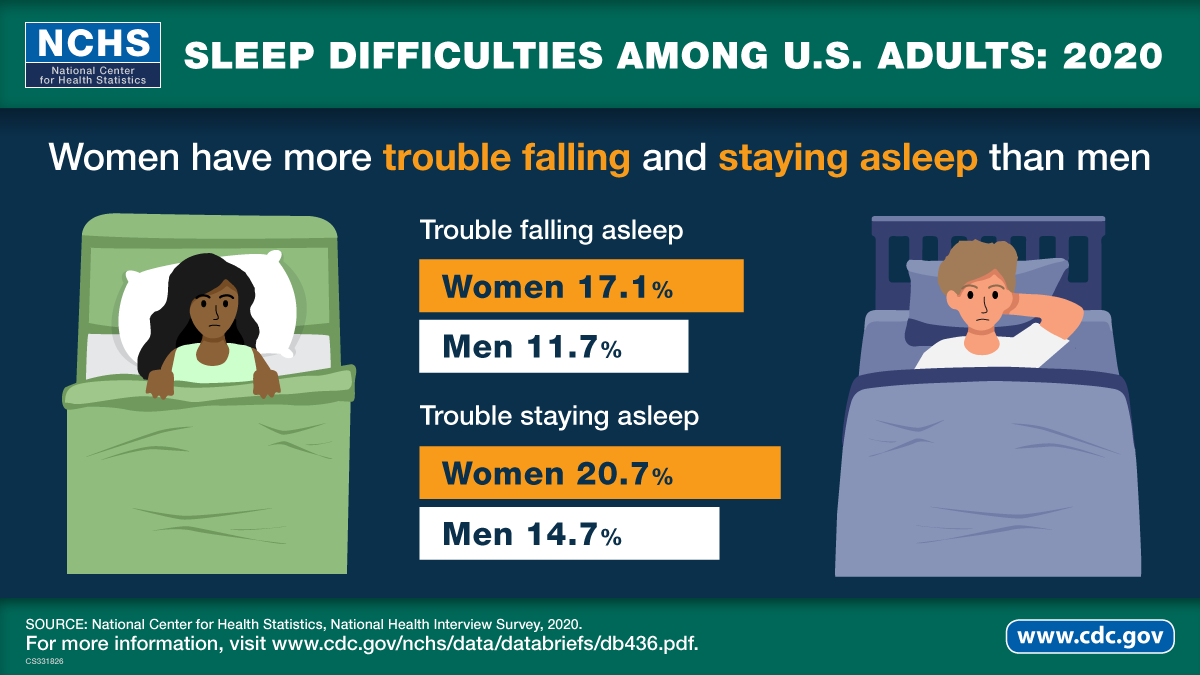 This CDC diagram illustrates the key cellular repair functions that occur during NREM deep sleep, including tissue regeneration and immune system activity.
Source: cdc.gov
This CDC diagram illustrates the key cellular repair functions that occur during NREM deep sleep, including tissue regeneration and immune system activity.
Source: cdc.gov
Key Factors That Shift Your Personal Repair Window
Your peak repair hours are not set in stone—dozens of biological and lifestyle factors can move your window earlier or later in the night, or reduce the total amount of repair you get even if you sleep 8 hours. The most common variables include:
- Age: Children and teens spend a far larger share of their night in deep NREM sleep than older adults, which is why their repair window is stronger and earlier in the night. Adults over 65 often experience lighter, more fragmented sleep, which reduces total deep sleep time and repair capacity.
- Sleep onset time: If you go to bed at 1 AM instead of 10:30 PM, your entire repair window shifts 2.5 hours later, meaning your peak physical repair will fall between 1 AM and 3:30 AM instead of the traditional 11 PM to 2 AM window.
- Light exposure: Even small amounts of blue light from screens in the hour before bed can suppress melatonin production, delaying deep sleep onset by 30 minutes or more and pushing your repair window later. Bright overhead lights in the evening have the same effect.
- Substance use: Alcohol reduces deep sleep duration by disrupting sleep cycle continuity, cutting into physical repair time even if it makes you fall asleep faster. Caffeine consumed within 6 hours of bed can reduce total deep sleep by 20% or more in sensitive people.
- Sleep disorders: Conditions like sleep apnea, which cause frequent micro-wakenings throughout the night, disrupt deep sleep cycles and prevent the body from completing full repair processes, even if you think you slept through the night.
- Shift work and jet lag: Irregular sleep schedules scramble your circadian rhythm, making it impossible to align deep sleep with the natural early-night repair window. Over time, this increases chronic inflammation and slows recovery from illness and injury.
 ScienceDaily's visual breakdown of how sleep stage progression aligns with physical and neural repair processes over a typical 8-hour night.
Source: sciencedaily.com
ScienceDaily's visual breakdown of how sleep stage progression aligns with physical and neural repair processes over a typical 8-hour night.
Source: sciencedaily.com
Actionable Steps To Align With Your Body’s Natural Repair Window
You don’t need to overhaul your entire routine to boost nightly repair—small, consistent changes are far more effective than extreme, short-term fixes. In practice, most coaching clients who struggle with low energy or slow workout recovery see measurable improvements within 2-3 weeks of adjusting just 2-3 of the following habits:
- Set a consistent sleep schedule, even on weekends: Go to bed and wake up at the same time every day, with no more than a 30-minute difference between weekdays and weekends. This regulates your circadian rhythm and ensures deep sleep clusters in the first half of your sleep period. Even a 1-hour weekend sleep-in can shift your repair window by 90 minutes or more for the next 2-3 days.
- Create a pre-sleep buffer zone: Dim overhead lights and avoid screens 90 minutes before bed to support natural melatonin production. If you need to use devices, enable blue light filters and keep brightness as low as possible.
- Optimize your sleep environment: Keep your bedroom between 65°F and 68°F (18°C to 20°C), as a cooler core body temperature is required for deep sleep. Use blackout curtains to block external light, and a white noise machine if you live in a noisy area.
- Avoid sleep-disrupting substances: Limit caffeine to before 2 PM, and avoid alcohol within 3 hours of bed. While alcohol may make you feel drowsy, it drastically reduces deep sleep quality and duration.
- Time exercise and meals correctly: Moderate aerobic exercise 3-4 hours before bed boosts deep sleep duration, but high-intensity workouts within 2 hours of bed can raise core temperature and adrenaline, delaying sleep onset. Avoid large, high-fat meals within 2 hours of bed, as digestion disrupts deep sleep continuity.
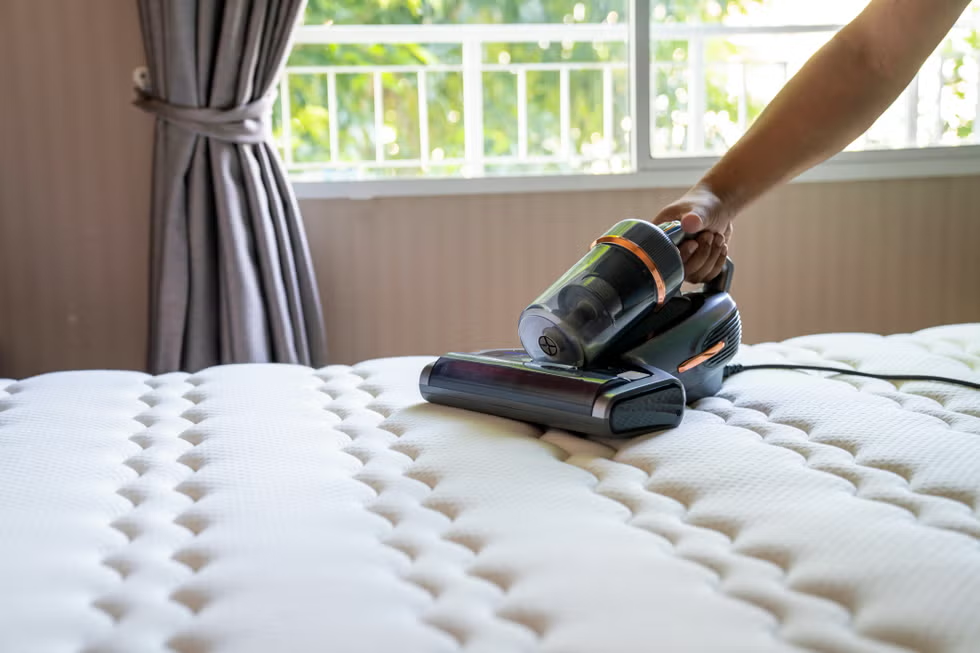
- Maintain your sleep surface: A lumpy, worn mattress topper prevents full body relaxation, reducing deep sleep duration. If you have a worn feather topper, simple rejuvenation steps can restore its support and improve sleep depth. For people with styled hair, avoiding tight, uncomfortable pre-sleep hairstyles also reduces micro-wakenings; for tips on sleeping with styled wavy hair without a bonnet, check our dedicated guide.
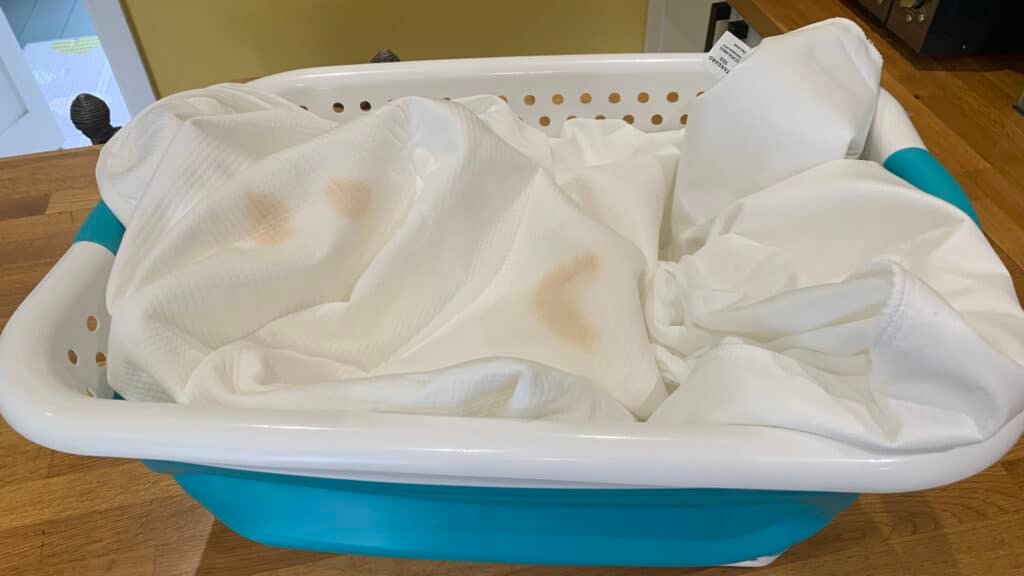
- Address underlying discomfort: Sleeping with wet hair can cause scalp irritation and temperature fluctuations that delay sleep onset, pushing your repair window later. For safer pre-bed hair routines, see the healthiest approaches for wet hair. A dirty mattress protector can also harbor allergens that disrupt sleep; regular hush mattress protector cleaning keeps your sleep surface hypoallergenic and comfortable. Pairing a steady bedtime with a low-fuss straight hair bedtime routine eliminates last-minute pre-sleep stress that can delay sleep onset.
 Harvard Health's summary of small, consistent habit changes that support longer, higher-quality deep sleep cycles.
Source: harvard.edu
Harvard Health's summary of small, consistent habit changes that support longer, higher-quality deep sleep cycles.
Source: harvard.edu
Frequently Asked Questions
Is 11 PM to 2 AM the universal repair window?
No—this is the most common window for people who go to bed between 10 PM and 11 PM. Your personal repair window is tied directly to your sleep onset time: if you go to bed at 1 AM, your peak repair hours will fall between 1 AM and 4 AM. The key is getting enough deep sleep in the first half of your total sleep period, not adhering to a specific clock time.
Does repair still happen if I go to bed very late?
Yes, repair still occurs, but it shifts later with your sleep onset. If you regularly go to bed after 1 AM, your peak repair window will fall later in the night, and you may get less total deep sleep if your wake-up time is fixed, cutting into your overall repair capacity.
Do naps help with nightly repair?
Short 20-30 minute naps can boost alertness and support minor recovery, but they do not contain the long, continuous deep NREM cycles needed for full physical repair. Long naps (over 60 minutes) can also reduce deep sleep duration later at night, further disrupting your repair window.
How does age change repair timing?
Children and teens spend a far larger share of their night in deep NREM sleep than older adults, so their repair window is stronger and earlier. Older adults often experience lighter, more fragmented sleep, which reduces total deep sleep time and repair capacity. Maintaining a consistent sleep schedule and avoiding sleep-disrupting substances becomes even more important with age.
Can supplements boost nightly repair?
Some supplements (like magnesium or glycine) may support deep sleep quality in some people, but results vary widely, and there is no supplement that can replicate the full range of repair processes that occur during natural deep sleep. Always consult a clinician before starting any new supplement, especially if you take other medications.
Can you make up for lost repair sleep on weekends?
No—sleep debt cannot be fully repaid with weekend catch-up sleep. While extra rest on weekends can reduce short-term fatigue, it does not restore the lost deep sleep cycles from the week, and the inconsistent schedule will further disrupt your circadian rhythm and repair timing for the following week.
 Sleep Foundation graphic highlighting the specific physical repair processes prioritized during deep NREM sleep.
Source: sleepfoundation.org
Sleep Foundation graphic highlighting the specific physical repair processes prioritized during deep NREM sleep.
Source: sleepfoundation.org
Final Takeaway
Your body’s peak repair window is not a fixed 11 PM to 2 AM time slot—it is the first half of your sleep period, anchored to when you fall asleep. Deep NREM sleep in the early part of your night is when physical repair, immune strengthening, and brain waste clearance happen most efficiently, while later REM cycles support emotional and neural repair. Small, consistent changes to your sleep schedule, pre-sleep routine, and sleep environment can align your routine with your body’s natural repair cycle, leading to faster workout recovery, fewer aches and pains, and better cognitive function in as little as 2 weeks. If you’re ready to improve your nightly repair, start by shifting your bedtime 15 minutes earlier each night this week, and avoid screens 1 hour before bed. Track your energy levels and muscle soreness to see the difference. For more science-backed sleep tips to optimize rest and recovery, explore our full library of sleep guides.
 Mayo Clinic's illustration of the repeating 90-minute sleep cycle, and how deep NREM stages cluster in the first half of the night.
Source: mayoclinic.org
Mayo Clinic's illustration of the repeating 90-minute sleep cycle, and how deep NREM stages cluster in the first half of the night.
Source: mayoclinic.org
How To Track Your Personal Repair Window
If you want to confirm your peak repair hours rather than relying on general timelines, simple tracking methods can give you clear, personalized data. The most accurate approach is to use a consumer sleep tracker (watch, ring, or headband) that measures heart rate variability (HRV) and movement to estimate deep sleep duration over 2-4 weeks. Look for patterns in when your deepest sleep blocks occur relative to your bedtime: if you go to bed at 11 PM and your deepest sleep is between 1 AM and 3 AM, your personal repair window is shifted 2 hours later than the average, likely due to delayed melatonin onset from evening light exposure. If you don’t use a wearable, a low-tech sleep journal works just as well. Each morning, rate your sleep quality (1-10), note your bedtime and wake time, and track how much muscle soreness, brain fog, or fatigue you feel during the day. After 2 weeks, you’ll see a clear pattern: if you feel most refreshed when you get 2+ hours of deep sleep in the first half of your sleep period, you’ve identified your optimal repair window. If you notice consistent morning aches despite meeting deep sleep targets, check if your mattress topper has lost its support or if you’re sleeping with wet hair, both of which can cause micro-wakenings that reduce deep sleep quality even if you don’t remember waking up.
Take The First Step Tonight
Aligning your sleep schedule with your body’s natural repair window doesn’t require a full routine overhaul. Start with one small, low-effort change tonight: set a consistent lights-out time 15 minutes earlier than your current average, and keep all screens out of the bedroom for the 60 minutes before bed. Track your energy levels, muscle soreness after workouts, and afternoon brain fog over the next 2 weeks to measure your progress. For more practical, science-backed tips to optimize every part of your rest and recovery, browse our full library of sleep guides.

Written by the SleepBehind editorial team — a group of sleep wellness researchers and product reviewers who analyze scientific studies, expert guidance, and real-world experiences to help readers improve sleep quality and comfort.