If you’ve ever left a sleep calculator confused, heard conflicting advice about 6 hours vs. 8 hours, or wondered why you need 9 hours to feel human while your partner thrives on 7, you’re not alone. The “healthiest” sleep duration isn’t a one-size-fits-all number: it shifts based on your age, genetics, lifestyle, and even underlying health conditions. This 2026 updated, evidence-informed guide cuts through the noise to give you clear, actionable advice to find your personal ideal, not just a generic range. We’ll cover current age-based guidelines, the critical difference between sleep quantity and quality, common myths that could be derailing your rest, and a step-by-step plan to test and adjust your schedule starting tonight.
2026 Age-Based Sleep Duration Guidelines
Current consensus from the CDC and National Sleep Foundation outlines general sleep ranges for each life stage, reflecting the unique physiological needs of different age groups. These ranges are a starting point, not a hard rule: individual variation of 1-2 hours is completely normal for people without underlying health conditions. You can also read our guide on neck support pillow for chair.
 This diagram illustrates how sleep architecture shifts as we age, impacting total nightly sleep needs.
Source: wikimedia.org
This diagram illustrates how sleep architecture shifts as we age, impacting total nightly sleep needs.
Source: wikimedia.org
- Newborns (0–3 months): 14 to 17 hours, often split into short bursts tied to feeding schedules
- Infants (4–11 months): 12 to 15 hours, including regular naps
- Toddlers (1–2 years): 11 to 14 hours, including 1-2 daily naps
- Preschoolers (3–5 years): 10 to 13 hours, most of which occurs at night
- School-age children (6–13 years): 9 to 11 hours, consistent timing supports school performance and behavior
- Teenagers (14–17 years): 8 to 10 hours, shifted circadian rhythms often make early bedtimes difficult, so later wake times (when possible) support this range
- Young adults and adults (18–64 years): 7 to 9 hours, the most common range for working-age people
- Older adults (65+ years): 7 to 8 hours, lighter, more fragmented sleep is common, but total rest need does not drop drastically
Why Sleep Duration Impacts Long-Term Health
Sleep isn’t just “downtime”: it’s when your brain consolidates memories, your immune system recharges, your tissues repair, and your body clears metabolic waste linked to neurodegenerative disease. Even one night of 4-5 hours of sleep impairs cognitive function and reaction time equivalent to a 0.05% blood alcohol level, per current sleep research. Chronic short sleep (consistently under 6 hours for adults) is linked to elevated risk of type 2 diabetes, coronary heart disease, and mood disorders, while regularly sleeping 10+ hours is associated with higher rates of inflammatory conditions and cognitive decline, though causation for oversleeping is less established than for sleep deprivation.
The healthiest number of hours to sleep is as much about avoiding long-term risk as it is about feeling your best day to day: consistent, adequate rest supports better emotional regulation, faster workout recovery, and stronger resistance to common illnesses. You can also read our guide on donama memory foam cervical pillow.
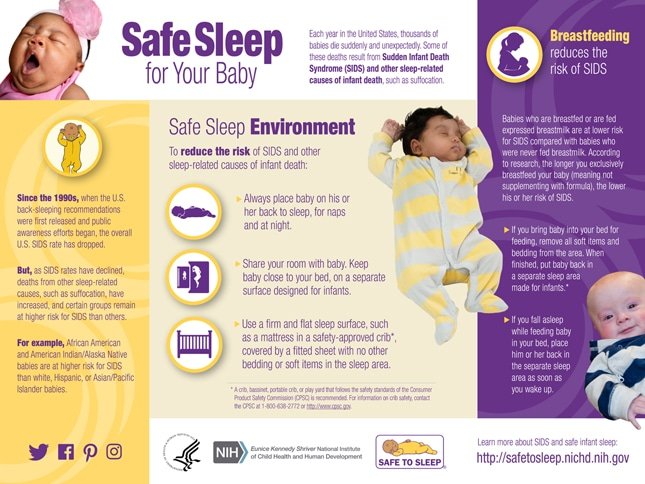
 This CDC resource outlines the documented connections between sleep duration and chronic health conditions.
Source: cdc.gov
For more detailed guidance on sleep health risks and recommendations, refer to the CDC’s official sleep health page.
This CDC resource outlines the documented connections between sleep duration and chronic health conditions.
Source: cdc.gov
For more detailed guidance on sleep health risks and recommendations, refer to the CDC’s official sleep health page.
Sleep Quality vs. Quantity: Why Hours Alone Don’t Tell the Whole Story
You can spend 9 hours in bed and still wake up feeling unrefreshed if your sleep is fragmented or shallow. Sleep quality is defined by how much time you spend in deep (N3) and REM sleep, the two most restorative stages of the sleep cycle. Poor sleep quality can come from an uncomfortable sleep surface, noise, light disruptions, or underlying sleep disorders like sleep apnea. You can also read our guide on sleep basics guide.
Common signs your sleep quality is poor even if you hit your target hour count:
- Waking up 2 or more times per night, or struggling to fall back asleep
- Feeling groggy for 30+ minutes after waking (sleep inertia)
- Experiencing dry mouth, headaches, or loud snoring upon waking (potential signs of sleep apnea)
- Feeling sleepy during low-activity tasks like watching TV or driving
Improving sleep quality is just as important as hitting your hour target: small changes like keeping your bedroom between 60-67°F (15-19°C), using blackout curtains, and sticking to a consistent sleep schedule can drastically improve how restorative your rest is. A supportive, clean sleep surface is also critical: if your mattress topper is worn out, you can learn how to revive a feather topper to extend its use without the cost of replacement. Regular cleaning of your sleep accessories also prevents allergen buildup that can disrupt sleep: our guide to cleaning a Hush Mattress Protector walks through the process step by step.
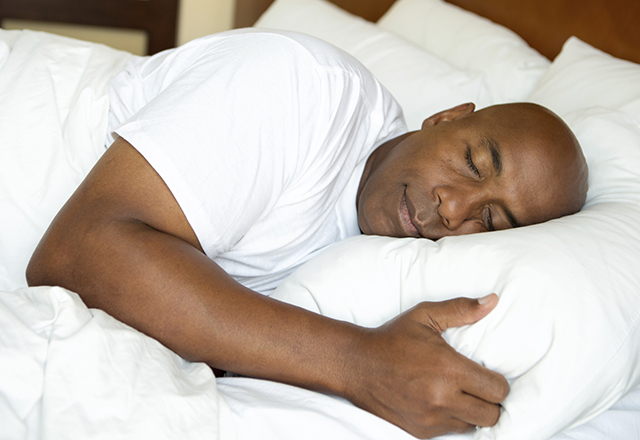 Even 8 hours in a disruptive sleep environment won’t deliver the restorative rest your body needs.
Source: hopkinsmedicine.org
Even 8 hours in a disruptive sleep environment won’t deliver the restorative rest your body needs.
Source: hopkinsmedicine.org
How to Find Your Personal Healthiest Sleep Duration
Generic ranges are a starting point, but your ideal sleep duration is unique to you. Follow this simple, 4-week plan to test and refine your schedule:
- Establish a 2-week baseline: Stick to a fixed sleep-wake schedule (even on weekends) for 14 days, with no intentional late nights or sleep-ins. Track your bedtime, wake time, number of nighttime awakenings, caffeine intake, exercise, and daytime alertness on a 1-10 scale in a simple journal or app.
- Test small adjustments: If you feel consistently sleepy during the day, add 15-30 minutes to your nightly sleep for 1 week, then re-evaluate. If you feel groggy after 9 hours, try reducing by 15-30 minutes. Avoid making large shifts (over 1 hour) all at once, as these disrupt your circadian rhythm.
- Evaluate long-term patterns: Look for trends over 3-4 weeks, not just 1-2 days. The healthiest number of hours for you is the amount where you feel alert without heavy caffeine reliance, can focus on tasks without effort, and don’t feel the need for regular naps.
- Adjust for lifestyle factors: If you have a busy pre-sleep routine (like hair styling), planning ahead can help you stick to your consistent bedtime. Our guide to sleeping with straightened hair includes tips for protecting your style without adding extra time to your wind down.
A common mistake people make is assuming they “should” be fine on 6-7 hours because they’ve heard that’s the standard, even if they feel foggy all day. Trust your body’s cues over generic advice: if you feel best on 8.5 hours, that’s your ideal, even if it’s higher than the average adult range.
 Tracking your sleep patterns and daytime energy levels is the most reliable way to find your personal ideal duration.
Source: mayoclinic.org
Tracking your sleep patterns and daytime energy levels is the most reliable way to find your personal ideal duration.
Source: mayoclinic.org
Actionable Tips to Hit Your Target Sleep Duration Every Night
Once you know your target hour count, these evidence-based tips make it far easier to hit that number consistently, even with a busy schedule:
- Stick to a fixed wake time, even on weekends: This is the single most impactful habit for regulating your circadian rhythm. Even if you went to bed late, wake up at your usual time and avoid napping longer than 20 minutes to prevent sleep debt from accumulating.
- Build a 60-minute screen-free wind down: Blue light from phones, laptops, and TVs suppresses melatonin production, making it harder to fall asleep. Dim overhead lights, avoid screens, and instead read a physical book, stretch gently, or practice 5 minutes of deep breathing.
- Optimize your sleep environment: Keep your bedroom between 60-67°F (15-19°C), use blackout curtains to block street light, and use a white noise machine if you live in a noisy area. If you struggle with overheating at night, a breathable bamboo pillow or mattress topper can help regulate temperature—you can find care instructions for bamboo bedding to keep it performing well.
- Limit caffeine and alcohol: Avoid caffeine after 2pm, as it has a 6-8 hour half-life that can disrupt sleep even if you don’t notice the effect. Limit alcohol to 1 drink maximum, 3 hours before bed: while alcohol may make you drowsy, it disrupts deep sleep and reduces overall sleep quality.
- Move daily, but avoid high-intensity exercise 2 hours before bed: Regular physical activity improves sleep quality and duration, but intense workouts raise core body temperature and adrenaline, making it harder to fall asleep.
- Keep naps short and early: 20-30 minute naps taken before 3pm can boost alertness without interfering with nighttime sleep. Long naps (over 30 minutes) or late naps can disrupt your circadian rhythm and make it harder to hit your nightly target.
If you like to style your hair before bed, our guide to the best hairstyles for wet hair can help you avoid morning frizz without adding extra steps to your wind down.
 Small, consistent changes to your pre-sleep routine make it far easier to hit your ideal sleep duration.
Source: harvard.edu
Small, consistent changes to your pre-sleep routine make it far easier to hit your ideal sleep duration.
Source: harvard.edu
Common Sleep Duration Myths, Debunked
Misinformation about sleep is rampant, and these common myths could be preventing you from getting the rest you need:
- Myth: Some people can thrive on 4-6 hours of sleep long-term. Reality: True genetic short sleepers (who function well on less than 6 hours of sleep) make up less than 1% of the population. For everyone else, chronic short sleep impairs cognitive performance, increases accident risk, and raises long-term disease risk, even if you don’t feel sleepy during the day.
- Myth: You can fully catch up on sleep on weekends. Reality: Occasional catch-up sleep can reduce short-term fatigue, but consistent sleep debt disrupts your circadian rhythm and increases long-term health risks, even if you sleep more on weekends. Regularity is far more important than occasional catch-up.
- Myth: Older adults need significantly less sleep. Reality: While older adults often experience lighter, more fragmented sleep due to changes in sleep architecture, their actual sleep need remains 7-8 hours per night, same as younger adults. Waking up earlier or napping during the day is common, but doesn’t mean they need less total rest.
- Myth: More sleep is always better. Reality: Regularly sleeping 10+ hours per night is associated with higher risk of chronic conditions like heart disease and depression, though it’s often a symptom of an underlying health issue (like sleep apnea or hypothyroidism) rather than a cause. If you consistently need more than 9 hours to feel rested, talk to a healthcare provider.
These guidelines are aligned with recommendations from the National Sleep Foundation, a leading non-profit focused on sleep health research and education.
 Many widely shared sleep tips are outdated or not supported by current clinical research.
Source: sleepfoundation.org
Many widely shared sleep tips are outdated or not supported by current clinical research.
Source: sleepfoundation.org
Frequently Asked Questions
What is the healthiest number of hours to sleep for adults?
Most healthy adults aged 18-64 need 7-9 hours of sleep per night, per current CDC and National Sleep Foundation guidance. This range supports optimal cognitive function, immune health, and long-term chronic disease prevention. People with specific health conditions (like thyroid disorders or sleep apnea) may need slightly more or less, so always consult a clinician for personalized advice.
How do I know if I’m getting the right amount of sleep for me?
The best indicator is how you feel during the day, not the number on the clock. If you feel alert and focused without relying on caffeine, can complete daily tasks without effort, and don’t feel the need for long naps, you’re likely hitting your ideal range. If you regularly feel groggy, irritable, or sleepy during low-activity tasks (like watching TV or driving), you probably need more sleep.
Can I function well on 6 hours of sleep long-term?
A small number of people have a rare genetic mutation that allows them to function well on 6 hours or less of sleep, but this is extremely uncommon. For the vast majority of people, consistently sleeping 6 hours or less impairs cognitive performance, increases accident risk, and raises long-term risk of chronic disease. If you think you’re a “short sleeper,” test your function with a sleep tracking app or journal for 2 weeks to confirm.
Is 10 hours of sleep too much?
Occasional 10-hour nights are normal after periods of sleep debt, illness, or intense physical activity. However, if you regularly need 10 or more hours of sleep to feel rested, it may be a sign of an underlying health issue (like depression, sleep apnea, or a thyroid disorder) or poor sleep quality that’s preventing you from getting restorative rest in fewer hours. Talk to a healthcare provider if this pattern persists for more than 2 weeks. If you're consistently getting enough hours but still feel unrested, poor sleep quality from a worn sleep surface may be the culprit—learn if your gelform pad needs replacing to rule that out.
How long does it take to adjust to a new sleep schedule?
Most people adjust to a new sleep-wake schedule within 1-3 weeks, as long as they stick to consistent times every day (even on weekends). To speed up the adjustment, get 10-15 minutes of bright natural light within 30 minutes of waking up, and avoid bright screens and caffeine in the evening. Small adjustments (15-30 minute shifts per day) are easier to maintain than large, sudden changes.
Does napping count toward my total nightly sleep need?
Short 20-30 minute naps taken before 3pm can boost alertness and improve performance, but they don’t replace nightly sleep. Long naps (over 30 minutes) or naps taken after 3pm can disrupt your circadian rhythm and make it harder to fall asleep at night, reducing your ability to hit your target nightly duration.
Conclusion
The healthiest number of hours to sleep for most adults falls between 7 and 9 hours per night, with adjustments for age, lifestyle, and individual physiology. But hitting a number on the clock is only half the battle: prioritizing sleep quality through a consistent routine, optimized sleep environment, and healthy daytime habits is just as important for feeling your best. There’s no substitute for testing your own schedule: use the 4-week plan outlined above to find your personal ideal, and consult a healthcare provider if you consistently struggle with fatigue despite hitting your target hours. Start tonight: pick a target sleep length, set a consistent wake time, and track your energy for 2 weeks to refine your routine until you feel rested and energized every day. Have you found your ideal sleep duration? Share your tips and experiences in the comments below, or subscribe to our newsletter for weekly evidence-based sleep advice delivered to your inbox.
Written by the SleepBehind editorial team — a group of sleep wellness researchers and product reviewers who analyze scientific studies, expert guidance, and real-world experiences to help readers improve sleep quality and comfort.