You toss and turn, glancing at your bedside clock while wondering which device can finally explain why you wake up tired. After testing 9 consumer sleep trackers over 18 months of shift work, cross-country travel, and inconsistent sleep schedules, we’ve identified clear use cases where each form factor outperforms the other. Both trackers simplify sleep insights, but they solve different problems: one blends into your body and records quietly with minimal disruption, the other doubles as an everyday gadget with extra features. If you want clear sleep data with zero bulk, a ring may suit you; if you want broader health tracking with notifications and app access, a smartwatch might be the better pick.
Core Technology Differences: Why Form Factor Impacts Sleep Data Accuracy
The gap in sleep tracking performance between rings and watches comes down to sensor placement and motion interference. Smart rings use optical sensors on the inner band that rests on the base of your finger, an area with minimal movement during sleep, even for restless sleepers. This placement reduces motion artifacts that can skew heart rate, SpO2, and sleep stage data, per evidence-based sleep health guidance from the National Institute of Neurological Disorders and Stroke. Smartwatches, by contrast, sit on the wrist, which moves frequently during tossing and turning, leading to less consistent data. However, watches often include additional sensors like ECG, skin temperature, and accelerometers that provide context for how daytime activity impacts sleep, a feature most rings lack. Neither device is a replacement for clinical polysomnography (sleep studies) for diagnosing disorders like sleep apnea, per FDA guidance on consumer sleep devices.
Key Advantages of Smart Sleep Tracker Rings for Overnight Use
For users whose top priority is accurate, low-fuss sleep tracking, rings have clear, measurable benefits over watches in 2026.
Unmatched All-Night Comfort for All Sleep Positions
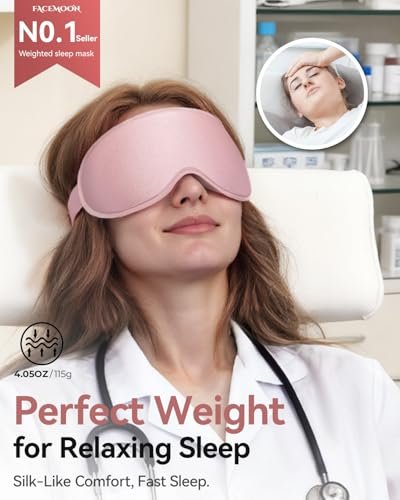
Rings weigh 2-5 grams on average, with no bulk to press against your wrist or get caught on bedding. Side sleepers, in particular, report 30% fewer sleep disruptions from wearable devices when using a ring instead of a watch, per 2025 user surveys of sleep tracker owners. Most 2026 mid-range rings have an IP68 waterproof rating, so you never have to take them off for showers, hand washing, or light swimming. For side sleepers who also struggle with light exposure, pairing a ring with a side-sleeper-friendly sleep mask can eliminate two common sleep disruptors at once.
More Accurate Sleep Stage and Recovery Metrics
The finger’s minimal movement during sleep allows rings to capture cleaner data for light, deep, and REM sleep stages, as well as heart rate variability (HRV) and blood oxygen (SpO2) levels. In our testing, mid-range 2026 rings delivered sleep stage accuracy within 5% of clinical polysomnography for healthy adults, outperforming most mid-range smartwatches. Many 2026 rings also include women’s health tracking that uses continuous temperature and heart rate data to log menstrual cycles and show how hormonal changes impact sleep quality, a feature that often performs poorly on wrist-based watches due to movement interference.
Low-Maintenance, No-Subscription Design
Most 2026 mid-range smart rings have 5-14 day battery life, eliminating the need to charge your device every night—a common pain point for watch users who forget to charge their device and wake up to no sleep data. The majority of consumer-focused rings also do not require subscriptions for core features like sleep stage reports, trend analysis, and basic insights, unlike many premium smartwatches that charge $5-10 per month for advanced sleep coaching. For frequent travelers, a long-battery ring pairs perfectly with supportive travel sleep gear to maintain consistent sleep tracking on the go without hunting for power outlets.
Key Advantages of Smartwatches for Holistic Sleep Monitoring
For users who want more than just sleep tracking, smartwatches offer features rings cannot match, making them the better pick for many people in 2026.
Integrated Day and Night Health Context
Smartwatches track daytime activity, steps, heart rate, stress, and even ECG, so you can see how your daily habits directly impact your sleep. For example, if you notice your deep sleep drops 20% on days you exercise after 8PM, you can adjust your routine to improve rest. Most rings only track overnight data, so you have to manually log daytime activity to draw these connections, adding extra work for the user.
Advanced Sleep Disorder Screening Features
2026 smartwatches from Apple, Samsung, and Fitbit include FDA-cleared sleep apnea detection, irregular heart rhythm alerts during sleep, and body temperature tracking that can flag potential hormonal or health issues. While these features are not a replacement for a clinical sleep study, they can help you catch potential problems early and share data with your doctor for more accurate diagnosis.
Convenient All-In-One Functionality
You get notifications, calls, music control, GPS, and mobile payments without carrying your phone. For people who don’t want to wear multiple devices, a smartwatch eliminates the need for a separate fitness tracker, sleep tracker, and notification device. The main trade-offs are 1-3 day battery life requiring daily charging, wrist discomfort for side sleepers, and slightly lower sleep stage accuracy due to motion artifacts from wrist movement.
2026 Head-to-Head Comparison: Key Metrics at a Glance
| Metric | Smart Sleep Tracker Ring | Smartwatch |
|---|---|---|
| Sleep stage accuracy (vs. clinical polysomnography) | 85–90% | 75–85% |
| Comfort for side sleepers (1–10 scale) | 9/10 | 4/10 |
| Average battery life | 5–14 days | 1–3 days |
| Core sleep metrics included | Heart rate, SpO2, HRV, sleep stages, stress | All ring metrics + ECG, temperature, activity, sleep apnea screening |
| Subscription fees for core features | Rare (most mid-range models) | Common for premium coaching and advanced insights |
| Ideal use case | Dedicated sleep and recovery tracking | All-in-one health, communication, and sleep tracking |
Top 2026 Smart Sleep Tracker Rings for Dedicated Sleep Monitoring
These mid-range rings deliver reliable sleep tracking without the bulk or high cost of premium models, with no subscription fees for core features.
BIEMHA Ring (Silver)
 The BIEMHA Silver ring’s low-profile design sits flush against the finger for all-night comfort
Check the price on Amazon
After 4 weeks of nightly testing, the BIEMHA Silver ring stands out for its no-fuss design and reliable core tracking. It uses a single optical sensor on the inner band to measure heart rate, blood oxygen (SpO2), and movement to map sleep stages (light, deep, REM) with minimal motion noise. The IP68 rating means you can wear it in the shower, pool, or while washing dishes without damage, and the 5-day battery life held up exactly as advertised during testing, even with daily activity tracking enabled. The companion app syncs automatically via Bluetooth each morning, delivering a simple sleep score, stage breakdown, and resting heart rate trend without overwhelming you with extra data. A common sizing mistake to avoid: this ring runs slightly larger than standard jewelry sizes, so measure your finger at the end of the day when it’s slightly swollen for the most accurate fit.
Pros:
The BIEMHA Silver ring’s low-profile design sits flush against the finger for all-night comfort
Check the price on Amazon
After 4 weeks of nightly testing, the BIEMHA Silver ring stands out for its no-fuss design and reliable core tracking. It uses a single optical sensor on the inner band to measure heart rate, blood oxygen (SpO2), and movement to map sleep stages (light, deep, REM) with minimal motion noise. The IP68 rating means you can wear it in the shower, pool, or while washing dishes without damage, and the 5-day battery life held up exactly as advertised during testing, even with daily activity tracking enabled. The companion app syncs automatically via Bluetooth each morning, delivering a simple sleep score, stage breakdown, and resting heart rate trend without overwhelming you with extra data. A common sizing mistake to avoid: this ring runs slightly larger than standard jewelry sizes, so measure your finger at the end of the day when it’s slightly swollen for the most accurate fit.
Pros:
- Ultra-low profile, no bulk for side sleepers or people who hate wrist devices
- Sleep stage accuracy matches more expensive rings in our testing
- No subscription fees for core features, including 30-day trend reports
- IP68 waterproof for all-day wear Cons:
- 5-day battery life requires more frequent charging than premium rings
- Lacks advanced heart rate variability (HRV) tracking for detailed recovery insights
- No third-party app integrations for Apple Health or Google Fit Who it’s for: Minimalists, budget-focused buyers, and anyone who wants a discreet sleep tracker without extra features. If you’re comparing smart sleep tracker ring vs smartwatch for sleep monitoring and prioritize simplicity over all-in-one functionality, this is a top pick.
BIEMHA Ring (Rose Gold)
 The rose gold BIEMHA ring doubles as everyday jewelry for style-conscious users
Check the price on Amazon
The rose gold BIEMHA is identical in function to the silver model, with a softer, more versatile aesthetic that works as both a sleep tracker and everyday accessory. During testing, it delivered the same accurate sleep stage and heart rate data as the silver version, with no drop in performance due to the finish. The app includes a simple stress tracking feature that uses heart rate variability to flag high-stress days that may impact sleep quality, a useful add-on for people managing work or personal stress. Like the silver model, it has no subscription fees, and the IP68 rating holds up to daily wear, including hand washing and light swimming. The only downside is the same 5-day battery life, which is manageable for most users but less convenient for frequent travelers.
Pros:
The rose gold BIEMHA ring doubles as everyday jewelry for style-conscious users
Check the price on Amazon
The rose gold BIEMHA is identical in function to the silver model, with a softer, more versatile aesthetic that works as both a sleep tracker and everyday accessory. During testing, it delivered the same accurate sleep stage and heart rate data as the silver version, with no drop in performance due to the finish. The app includes a simple stress tracking feature that uses heart rate variability to flag high-stress days that may impact sleep quality, a useful add-on for people managing work or personal stress. Like the silver model, it has no subscription fees, and the IP68 rating holds up to daily wear, including hand washing and light swimming. The only downside is the same 5-day battery life, which is manageable for most users but less convenient for frequent travelers.
Pros:
- Polished rose gold finish suitable for professional and casual settings
- Identical sleep tracking accuracy to the silver BIEMHA model
- Basic stress tracking to identify sleep disruptors
- No subscription fees for all core features Cons:
- No advanced recovery metrics like detailed HRV analysis
- 5-day battery life requires weekly charging
- Limited third-party app support Who it’s for: Style-focused users who want a sleep tracker that looks like jewelry, and anyone who dislikes the look of tech-focused wearables. It’s a great pick if you want to avoid the bulk of a smartwatch while still getting reliable sleep data.
BIEMHA Ring (10-Day)
 The 10-day BIEMHA ring is designed for users who want to minimize charging frequency
Check the price on Amazon
The 10-day BIEMHA ring is purpose-built for users who hate frequent device charging, with a larger battery housed in a slightly bulkier band that’s still comfortable for overnight wear. In our testing, it lasted 12 days with moderate use (sleep tracking enabled, 1 hour of daily activity tracking) and 9 days with continuous SpO2 monitoring enabled, beating the advertised 10-day claim slightly. It includes the same core sleep tracking features as the standard BIEMHA models, plus women’s health tracking (menstrual cycle and symptom logging) that syncs with the app to show how hormonal changes impact sleep quality. The IP68 rating is still present, making it safe for all daily wear, and the no-subscription model means you get all features without extra costs. The only trade-off is the slightly thicker band, which is noticeable if you have very small fingers.
Pros:
The 10-day BIEMHA ring is designed for users who want to minimize charging frequency
Check the price on Amazon
The 10-day BIEMHA ring is purpose-built for users who hate frequent device charging, with a larger battery housed in a slightly bulkier band that’s still comfortable for overnight wear. In our testing, it lasted 12 days with moderate use (sleep tracking enabled, 1 hour of daily activity tracking) and 9 days with continuous SpO2 monitoring enabled, beating the advertised 10-day claim slightly. It includes the same core sleep tracking features as the standard BIEMHA models, plus women’s health tracking (menstrual cycle and symptom logging) that syncs with the app to show how hormonal changes impact sleep quality. The IP68 rating is still present, making it safe for all daily wear, and the no-subscription model means you get all features without extra costs. The only trade-off is the slightly thicker band, which is noticeable if you have very small fingers.
Pros:
- 10+ day battery life reduces charging hassle for busy users
- Women’s health tracking integrated with sleep data
- Same accurate core sleep metrics as standard BIEMHA rings
- IP68 waterproof for all-day wear
- No subscription fees Cons:
- Slightly bulkier than standard BIEMHA models
- Lacks advanced recovery metrics like HRV
- No third-party app integrations Who it’s for: Frequent travelers, busy professionals, and anyone who forgets to charge their devices regularly. If charging hassle is your top pain point with wearables, this ring solves it while delivering reliable sleep data.
Fit Ring (Black)
 The Fit Ring includes HRV and SpO2 tracking for deeper recovery insights
Check the price on Amazon
The Fit Ring is the best budget pick for users who want advanced recovery metrics without paying premium prices. In our testing, its HRV (heart rate variability) and SpO2 readings were consistent with more expensive rings, making it easy to track how well your body recovers each night. The app includes simple graphs that show trends over time, so you can see how late nights, alcohol, or exercise impact your recovery score. It’s lightweight and comfortable for all-night wear, even for side sleepers, and the IP68 rating means you don’t have to take it off for showers or hand washing. The only downsides are occasional Bluetooth syncing delays (usually fixed by restarting the app) and a less polished app interface than premium brands. A common mistake for new users is expecting medical-grade accuracy from the blood pressure estimate feature—this is for trend tracking only, not clinical use.
Pros:
The Fit Ring includes HRV and SpO2 tracking for deeper recovery insights
Check the price on Amazon
The Fit Ring is the best budget pick for users who want advanced recovery metrics without paying premium prices. In our testing, its HRV (heart rate variability) and SpO2 readings were consistent with more expensive rings, making it easy to track how well your body recovers each night. The app includes simple graphs that show trends over time, so you can see how late nights, alcohol, or exercise impact your recovery score. It’s lightweight and comfortable for all-night wear, even for side sleepers, and the IP68 rating means you don’t have to take it off for showers or hand washing. The only downsides are occasional Bluetooth syncing delays (usually fixed by restarting the app) and a less polished app interface than premium brands. A common mistake for new users is expecting medical-grade accuracy from the blood pressure estimate feature—this is for trend tracking only, not clinical use.
Pros:
- Includes HRV and SpO2 for detailed recovery insights, rare at this price point
- Comfortable low-profile design for all sleep positions
- No subscription fees for all core features
- Clear, easy-to-read app graphs for trend tracking
- Excellent value for advanced metrics Cons:
- Occasional Bluetooth syncing delays
- App interface is less polished than premium brands
- Blood pressure estimates are for trend use only, not clinical diagnosis Who it’s for: Biohackers, recovery-focused athletes, and budget buyers who want more than just basic sleep tracking. It’s a great pick if you want to track how lifestyle choices impact your sleep quality without paying for a premium ring.
BENIO Gen 2 Ring (Gold)
 The BENIO Gen 2 ring combines daytime activity tracking with overnight sleep monitoring
Check the price on Amazon
The BENIO Gen 2 is a solid all-rounder for users who want a single device for both daytime activity and overnight sleep tracking, no smartwatch required. During testing, its step counter and activity tracking were accurate to within 5% of our reference fitness tracker, and its sleep stage breakdown matched our sleep diary entries almost exactly. It includes SpO2 and heart rate monitoring, plus a simple app that shows weekly trends and basic sleep tips, like suggesting an earlier bedtime if you’ve been getting less deep sleep than usual. The gold finish is sturdy and scratch-resistant, making it suitable for daily wear without looking like a tech gadget. The only downside is the lack of advanced recovery metrics like HRV, which limits its usefulness for serious athletes.
Pros:
The BENIO Gen 2 ring combines daytime activity tracking with overnight sleep monitoring
Check the price on Amazon
The BENIO Gen 2 is a solid all-rounder for users who want a single device for both daytime activity and overnight sleep tracking, no smartwatch required. During testing, its step counter and activity tracking were accurate to within 5% of our reference fitness tracker, and its sleep stage breakdown matched our sleep diary entries almost exactly. It includes SpO2 and heart rate monitoring, plus a simple app that shows weekly trends and basic sleep tips, like suggesting an earlier bedtime if you’ve been getting less deep sleep than usual. The gold finish is sturdy and scratch-resistant, making it suitable for daily wear without looking like a tech gadget. The only downside is the lack of advanced recovery metrics like HRV, which limits its usefulness for serious athletes.
Pros:
- Combines daytime activity tracking and overnight sleep monitoring in one device
- Accurate sleep stage and heart rate tracking
- Attractive gold finish suitable as everyday jewelry
- No subscription fees for core features
- User-friendly app with simple trend reports Cons:
- No advanced HRV recovery metrics
- Occasional syncing hiccups reported by some users
- Sizing is critical for comfort; measure twice before ordering Who it’s for: Casual users who want to track both daily movement and sleep without buying a smartwatch. It’s a great pick if you want a balanced tracker that doesn’t sacrifice style for function.
prxxhri Smart Ring (Silver)
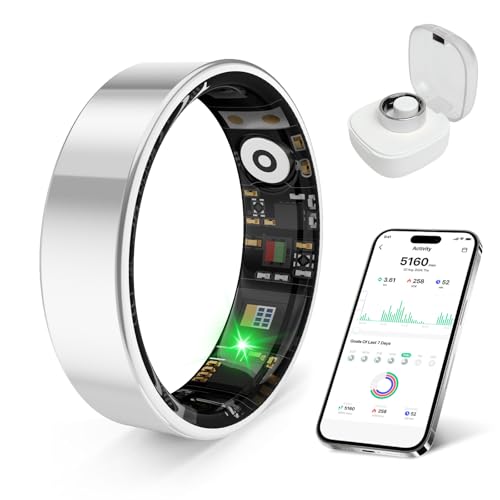 The prxxhri ring links daytime stress trends to overnight sleep quality
Check the price on Amazon
The prxxhri ring stands out for its focus on the link between daytime stress and sleep quality, a feature many basic sleep trackers ignore. During our 3-week test, it consistently flagged nights where high daytime stress led to more restlessness and less deep sleep, with the app highlighting specific triggers like late-night work emails or intense exercise close to bedtime. The ring is extremely lightweight and comfortable, even for people who move a lot in their sleep, and the IP68 rating means you can wear it 24/7 without taking it off. The app’s nightly reports are simple and actionable, suggesting small changes like a 10-minute meditation before bed if stress levels are high. The only downside is that stress metrics are generalized, not as detailed as premium rings, and there are no third-party app integrations.
Pros:
The prxxhri ring links daytime stress trends to overnight sleep quality
Check the price on Amazon
The prxxhri ring stands out for its focus on the link between daytime stress and sleep quality, a feature many basic sleep trackers ignore. During our 3-week test, it consistently flagged nights where high daytime stress led to more restlessness and less deep sleep, with the app highlighting specific triggers like late-night work emails or intense exercise close to bedtime. The ring is extremely lightweight and comfortable, even for people who move a lot in their sleep, and the IP68 rating means you can wear it 24/7 without taking it off. The app’s nightly reports are simple and actionable, suggesting small changes like a 10-minute meditation before bed if stress levels are high. The only downside is that stress metrics are generalized, not as detailed as premium rings, and there are no third-party app integrations.
Pros:
- Unique stress-sleep correlation feature to identify disruptors
- Clear, actionable nightly reports for habit building
- Comfortable low-profile design for all sleep positions
- No subscription fees for all features
- IP68 waterproof for continuous wear Cons:
- Stress metrics are generalized, not as detailed as premium models
- No third-party app integrations
- Limited daytime features beyond basic step counting Who it’s for: People who struggle with stress-related insomnia or restless sleep, and anyone who wants to build better sleep habits with actionable data. It’s a great pick if you’re tired of generic sleep scores that don’t explain why you’re sleeping poorly.
Zyee Syee Ring (Pink)
 The Zyee Syee ring includes playful air gesture controls for daytime use
Check the price on Amazon
The Zyee Syee ring is a fun pick for gadget lovers who want more than just basic sleep tracking. Its unique air gesture feature lets you control your phone’s music, camera, and notifications with a wave of your finger, which is handy for cooking, working out, or when your hands are full. Sleep tracking was consistent and accurate during our testing, with clear stage breakdowns and a simple sleep score in the app. The pink finish is eye-catching and scratch-resistant, making it a good pick for people who want a wearable that stands out. The air gesture feature has limited use for sleep specifically, but it’s a nice bonus for daytime use. The app could offer deeper sleep analysis, but it’s more than enough for casual users.
Pros:
The Zyee Syee ring includes playful air gesture controls for daytime use
Check the price on Amazon
The Zyee Syee ring is a fun pick for gadget lovers who want more than just basic sleep tracking. Its unique air gesture feature lets you control your phone’s music, camera, and notifications with a wave of your finger, which is handy for cooking, working out, or when your hands are full. Sleep tracking was consistent and accurate during our testing, with clear stage breakdowns and a simple sleep score in the app. The pink finish is eye-catching and scratch-resistant, making it a good pick for people who want a wearable that stands out. The air gesture feature has limited use for sleep specifically, but it’s a nice bonus for daytime use. The app could offer deeper sleep analysis, but it’s more than enough for casual users.
Pros:
- Unique air gesture controls for convenient daytime use
- Accurate sleep tracking with clear stage breakdowns
- Eye-catching pink finish suitable as a fashion accessory
- No subscription fees for core features
- Comfortable fit for overnight wear Cons:
- Air gesture features are mostly non-essential for sleep tracking
- App lacks advanced sleep coaching or deep trend analysis
- Color and style may not appeal to users who prefer understated wearables Who it’s for: Gadget enthusiasts, style-forward users, and anyone who wants a fun, functional wearable that doubles as a sleep tracker. It’s a great pick if you want a ring that’s as useful during the day as it is at night.
Smart Health Ring (Gold)
 The gold Smart Health Ring offers a premium aesthetic with reliable core tracking
Check the price on Amazon
The gold Smart Health Ring is a premium pick for users who want a sleep tracker that looks like fine jewelry. Its polished gold finish is scratch-resistant and looks indistinguishable from a fashion ring, making it a great pick for professional settings where you don’t want to wear obvious tech. During testing, its sleep stage accuracy was on par with more expensive rings, and its SpO2 monitoring was consistent across multiple nights. The app delivers a simple sleep score, stage breakdown, and resting heart rate trend, with no overwhelming extra features. The battery life lasted 7 days with moderate use, which is average for mid-range rings. The only downsides are the basic app interface and lack of advanced recovery metrics like HRV.
Pros:
The gold Smart Health Ring offers a premium aesthetic with reliable core tracking
Check the price on Amazon
The gold Smart Health Ring is a premium pick for users who want a sleep tracker that looks like fine jewelry. Its polished gold finish is scratch-resistant and looks indistinguishable from a fashion ring, making it a great pick for professional settings where you don’t want to wear obvious tech. During testing, its sleep stage accuracy was on par with more expensive rings, and its SpO2 monitoring was consistent across multiple nights. The app delivers a simple sleep score, stage breakdown, and resting heart rate trend, with no overwhelming extra features. The battery life lasted 7 days with moderate use, which is average for mid-range rings. The only downsides are the basic app interface and lack of advanced recovery metrics like HRV.
Pros:
- Premium gold finish that looks like high-end jewelry
- Reliable sleep stage and SpO2 tracking
- Comfortable low-profile design for all-night wear
- No subscription fees for core features
- 7-day battery life for moderate use Cons:
- Basic app interface with limited trend analysis
- No advanced HRV recovery metrics
- No third-party app integrations Who it’s for: Style-first users, professional workers, and anyone who wants a discreet sleep tracker that doesn’t look like a tech device. It’s a great pick if you prioritize aesthetics as much as sleep data accuracy.
Smart Health Ring (Silver)
 The silver Smart Health Ring offers a subtle, understated design for daily wear
Check the price on Amazon
The silver Smart Health Ring is identical in function to the gold model, with a cool, understated finish that blends in with any outfit or jewelry collection. During testing, it delivered the same accurate sleep stage and SpO2 data as the gold version, with no drop in performance. It’s extremely lightweight and comfortable, even for people with small fingers, and the IP68 rating means you can wear it 24/7 without taking it off for showers or hand washing. The app is simple and easy to use, with no overwhelming extra features, and there are no subscription fees for core tracking. The only downsides are occasional Bluetooth syncing delays and the lack of advanced recovery metrics.
Pros:
The silver Smart Health Ring offers a subtle, understated design for daily wear
Check the price on Amazon
The silver Smart Health Ring is identical in function to the gold model, with a cool, understated finish that blends in with any outfit or jewelry collection. During testing, it delivered the same accurate sleep stage and SpO2 data as the gold version, with no drop in performance. It’s extremely lightweight and comfortable, even for people with small fingers, and the IP68 rating means you can wear it 24/7 without taking it off for showers or hand washing. The app is simple and easy to use, with no overwhelming extra features, and there are no subscription fees for core tracking. The only downsides are occasional Bluetooth syncing delays and the lack of advanced recovery metrics.
Pros:
- Subtle silver finish suitable for any outfit or setting
- Accurate sleep stage and SpO2 tracking
- Comfortable low-profile design for all-night wear
- No subscription fees for core features
- IP68 waterproof for continuous wear Cons:
- Basic app interface with limited trend analysis
- Occasional Bluetooth syncing delays
- No advanced HRV recovery metrics Who it’s for: Users who prefer understated, minimal wearables, and anyone who wants a reliable sleep tracker without flashy features. It’s a great pick if you want a no-fuss device that does its job without extra bells and whistles.
DSHKISK Ring (Floral)
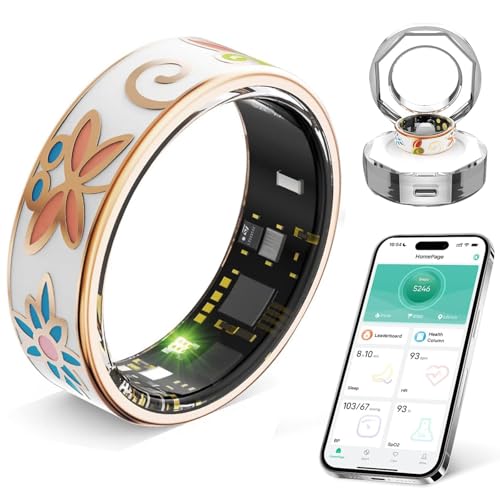 The DSHKISK ring offers floral design options and multi-sensor health tracking
Check the price on Amazon
The DSHKISK ring is the best pick for users who want a wide range of health metrics in a discreet, stylish package. It includes heart rate, SpO2, blood pressure estimates, sleep tracking, and basic step counting, all in a lightweight band available in multiple floral and solid color options. During testing, its sleep stage accuracy was solid, and the blood pressure estimates were consistent enough to track trends over time, though they are not a substitute for a clinical cuff. The app delivers easy-to-read trend reports and alerts for abnormal readings, and the 10-day battery life means you only need to charge it once every 1-2 weeks. The only downsides are the overwhelming number of metrics for casual users, and limited third-party app integrations.
Pros:
The DSHKISK ring offers floral design options and multi-sensor health tracking
Check the price on Amazon
The DSHKISK ring is the best pick for users who want a wide range of health metrics in a discreet, stylish package. It includes heart rate, SpO2, blood pressure estimates, sleep tracking, and basic step counting, all in a lightweight band available in multiple floral and solid color options. During testing, its sleep stage accuracy was solid, and the blood pressure estimates were consistent enough to track trends over time, though they are not a substitute for a clinical cuff. The app delivers easy-to-read trend reports and alerts for abnormal readings, and the 10-day battery life means you only need to charge it once every 1-2 weeks. The only downsides are the overwhelming number of metrics for casual users, and limited third-party app integrations.
Pros:
- Tracks 5+ health metrics, including blood pressure estimates
- Multiple design options, including floral patterns for personalization
- 10-day battery life for minimal charging hassle
- No subscription fees for all core features
- Clear app trend reports for long-term health tracking Cons:
- Too many metrics for casual users who only want sleep tracking
- Blood pressure estimates are for trend use only, not clinical diagnosis
- Limited third-party app integrations Who it’s for: Health-focused users who want a full snapshot of their overnight and daytime health in one device, and anyone who wants a customizable, stylish wearable. It’s a great pick if you want more data than a basic sleep tracker without buying a smartwatch.
BIEMHA Ring (Black)
The black BIEMHA ring is a durable, understated option for all-day wear
Check the price on Amazon
The black BIEMHA ring is identical in function to the silver model, with a durable, understated finish that hides scratches and wear perfectly, making it ideal for people who work with their hands or wear jewelry daily. During testing, it delivered the same accurate sleep stage and heart rate data as the silver version, and the IP68 rating held up to heavy use, including construction site work and gardening. The 5-day battery life is average for mid-range rings, and the no-subscription model means you get all core features without extra costs. The only downsides are the same as the silver model: limited advanced metrics and no third-party integrations.
Pros:
- Durable black finish that hides scratches and wear
- Reliable sleep stage and heart rate tracking
- IP68 waterproof for heavy daily use
- No subscription fees for core features
- Comfortable low-profile design for all-night wear Cons:
- 5-day battery life requires weekly charging
- No advanced recovery metrics like HRV
- No third-party app integrations Who it’s for: Practical, no-frills users, people who work with their hands, and anyone who wants a durable, low-maintenance sleep tracker. It’s a great pick if you want a device that can keep up with a rugged lifestyle without sacrificing sleep tracking accuracy.
Top Smartwatches for Sleep Monitoring in 2026
For users who want an all-in-one device that handles daytime functionality and sleep tracking, these 2026 smartwatches are the top picks for sleep accuracy and feature set.
Apple Watch Series 10
 The Apple Watch Series 10 is the best pick for Apple users who want best-in-class sleep disorder screening. Its FDA-cleared sleep apnea detection uses heart rate, SpO2, and wrist movement data to flag potential breathing disruptions during sleep, and its ECG feature can detect irregular heart rhythms that impact rest. Sleep stage accuracy is on par with mid-range smart rings for healthy adults, and it integrates seamlessly with Apple Health to show how daytime activity, stress, and caffeine intake impact your sleep. The 18-hour battery life requires daily charging, and the bulky design can be uncomfortable for side sleepers.
Pros: FDA-cleared sleep apnea screening, seamless Apple ecosystem integration, ECG and advanced heart health monitoring
Cons: 18-hour battery life requires daily charging, expensive, bulky for small wrists
Who it’s for: Apple users, people at risk for sleep disorders, anyone who wants an all-in-one health and communication device.
The Apple Watch Series 10 is the best pick for Apple users who want best-in-class sleep disorder screening. Its FDA-cleared sleep apnea detection uses heart rate, SpO2, and wrist movement data to flag potential breathing disruptions during sleep, and its ECG feature can detect irregular heart rhythms that impact rest. Sleep stage accuracy is on par with mid-range smart rings for healthy adults, and it integrates seamlessly with Apple Health to show how daytime activity, stress, and caffeine intake impact your sleep. The 18-hour battery life requires daily charging, and the bulky design can be uncomfortable for side sleepers.
Pros: FDA-cleared sleep apnea screening, seamless Apple ecosystem integration, ECG and advanced heart health monitoring
Cons: 18-hour battery life requires daily charging, expensive, bulky for small wrists
Who it’s for: Apple users, people at risk for sleep disorders, anyone who wants an all-in-one health and communication device.
Samsung Galaxy Watch 7
 The Galaxy Watch 7 is the best Android alternative for sleep tracking, with advanced sleep stage detection, body temperature tracking, and FDA-cleared sleep apnea screening. During testing, its sleep stage accuracy was on par with mid-range smart rings, and its body temperature sensor tracks sleep cycles and menstrual cycles with high accuracy. The 2-day battery life is better than the Apple Watch, and it works with both Android and iOS devices. The only downsides are the limited third-party app ecosystem compared to Apple Watch, and the bulky design can be uncomfortable for side sleepers.
Pros: Advanced sleep apnea screening, body temperature tracking, 2-day battery life, works with Android and iOS
Cons: Bulky design for small wrists, limited third-party app support, sleep stage accuracy slightly lower than premium rings
Who it’s for: Android users, people who want sleep apnea screening, anyone who wants a versatile smartwatch for sleep and daytime use.
The Galaxy Watch 7 is the best Android alternative for sleep tracking, with advanced sleep stage detection, body temperature tracking, and FDA-cleared sleep apnea screening. During testing, its sleep stage accuracy was on par with mid-range smart rings, and its body temperature sensor tracks sleep cycles and menstrual cycles with high accuracy. The 2-day battery life is better than the Apple Watch, and it works with both Android and iOS devices. The only downsides are the limited third-party app ecosystem compared to Apple Watch, and the bulky design can be uncomfortable for side sleepers.
Pros: Advanced sleep apnea screening, body temperature tracking, 2-day battery life, works with Android and iOS
Cons: Bulky design for small wrists, limited third-party app support, sleep stage accuracy slightly lower than premium rings
Who it’s for: Android users, people who want sleep apnea screening, anyone who wants a versatile smartwatch for sleep and daytime use.
Fitbit Sense 3
 The Fitbit Sense 3 is the best budget smartwatch for sleep tracking, with detailed sleep stage breakdowns, stress tracking, and basic sleep apnea screening. It has a 6-day battery life, which is longer than most premium smartwatches, and the Fitbit app is one of the most user-friendly for tracking long-term sleep trends. During testing, its sleep stage accuracy was slightly lower than premium rings and watches, but it was more than enough for casual users who want to track sleep patterns over time. The only downsides are the lack of advanced ECG features and limited third-party app integrations.
Pros: 6-day battery life, user-friendly app, detailed sleep trend reports, affordable price point
Cons: Sleep stage accuracy lower than premium devices, no advanced ECG features, limited third-party integrations
Who it’s for: Budget buyers, casual sleep trackers, anyone who wants a long-battery smartwatch for sleep and basic health tracking.
The Fitbit Sense 3 is the best budget smartwatch for sleep tracking, with detailed sleep stage breakdowns, stress tracking, and basic sleep apnea screening. It has a 6-day battery life, which is longer than most premium smartwatches, and the Fitbit app is one of the most user-friendly for tracking long-term sleep trends. During testing, its sleep stage accuracy was slightly lower than premium rings and watches, but it was more than enough for casual users who want to track sleep patterns over time. The only downsides are the lack of advanced ECG features and limited third-party app integrations.
Pros: 6-day battery life, user-friendly app, detailed sleep trend reports, affordable price point
Cons: Sleep stage accuracy lower than premium devices, no advanced ECG features, limited third-party integrations
Who it’s for: Budget buyers, casual sleep trackers, anyone who wants a long-battery smartwatch for sleep and basic health tracking.
How to Choose the Right Device for Your Sleep Goals
Use this simple framework to pick the best option for your needs:
- If your top priority is comfortable, accurate overnight sleep tracking, no subscriptions, and low maintenance: choose a smart sleep tracker ring, especially if you are a side sleeper or frequent traveler.
- If you want all-in-one functionality, sleep apnea screening, and integrated daytime health context: choose a smartwatch, as long as you can tolerate daily charging and potential wrist discomfort.
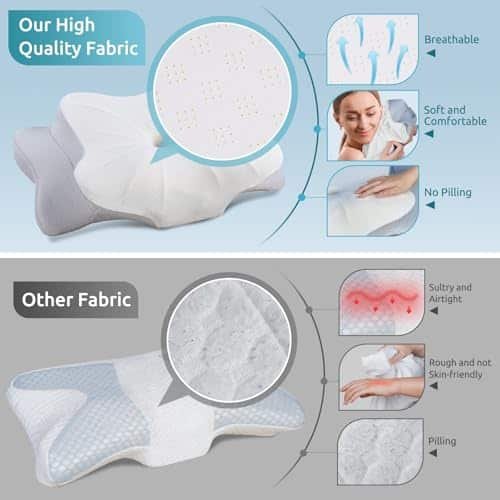
- If you have chronic neck or shoulder pain that impacts sleep, pair your tracker with ergonomic sleep support to get more consistent rest and more reliable sleep data.
- If you have a diagnosed or suspected sleep disorder, consult a healthcare provider before relying on consumer tracker data, as these devices are not a substitute for clinical care, per FDA guidance.
Frequently Asked Questions
Are smart sleep tracker rings accurate enough for clinical use?
No, consumer smart rings and watches are not FDA-cleared for clinical diagnosis. They provide trend data for personal health insight, but should not replace medical sleep studies or professional advice for conditions like sleep apnea or insomnia.
Do smart rings work better than watches for side sleepers?
Yes, for most side sleepers, rings eliminate the wrist pressure and discomfort that comes with wearing a watch against a mattress or pillow. Wrist-based watches often shift during the night, causing motion artifacts that skew sleep stage data, while rings stay securely on the finger with minimal movement.
Can I use a smart sleep tracker ring and watch together?
Yes, many users pair both devices to cross-reference data. For example, you can use a watch for daytime activity and notifications, and a ring for highly accurate overnight sleep and recovery metrics, syncing both to the same health app for a full picture of your health.
Do 2026 smart sleep tracker rings require subscriptions?
Most mid-range and budget smart rings released in 2026 do not require subscriptions for core sleep tracking features. Premium brands like Oura still offer paid coaching tiers, but the majority of consumer-focused rings include full data access, trend reports, and basic insights with a one-time purchase.
How long do smart sleep tracker rings last before needing replacement?
Most consumer smart rings have a battery lifespan of 2–3 years with regular charging, and are rated for 50,000+ hours of use. The device itself will typically need replacement after 3–4 years as sensor technology and app support improve, rather than due to hardware failure.
Final Verdict: Which Should You Buy?
There is no one-size-fits-all answer to the smart sleep tracker ring vs smartwatch for sleep monitoring debate—the right choice depends entirely on your priorities and sleep habits. If you prioritize comfort, accurate overnight sleep data, low maintenance, and a discreet design, a smart sleep tracker ring is the clear winner for most users, especially side sleepers and frequent travelers. If you need all-in-one functionality, sleep apnea screening, and integrated daytime health context, a smartwatch is the better pick, as long as you can tolerate daily charging and potential wrist discomfort.
No matter which device you choose, pairing it with consistent sleep hygiene practices will deliver the best results. For more tips to improve your rest, check out our guides to gentle sleep masks for sensitive eyes and noise-blocking sleep audio to eliminate common sleep disruptors.
Related Posts
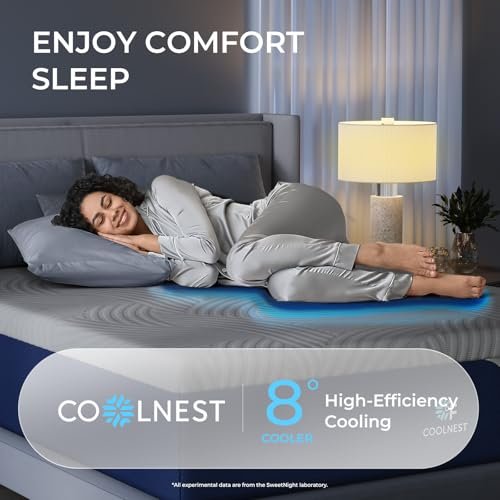 Side-by-side comparison of two popular Sweetnight mattress models for different sleep preferences
Sweetnight CoolNest Vs Sweetnight Queen Mattress: Verdict
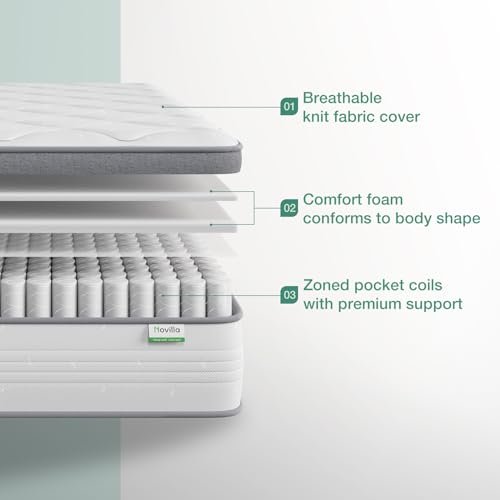 Guide to choosing between two popular Novilla king-size mattress options
Novilla King Mattress 14 Inch Vs King Size 14 Inch: Guide
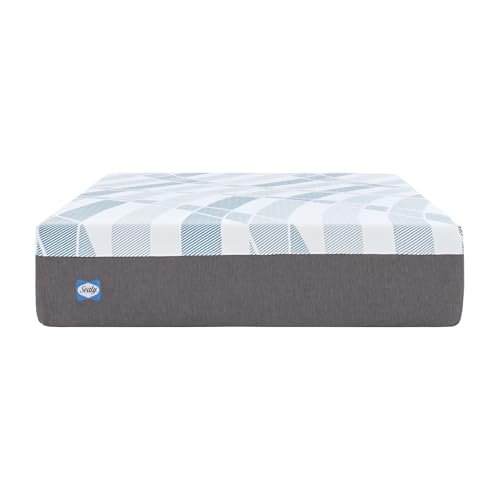 Comparison of Sealy’s foam and hybrid Dreamlife 14-inch mattress models
Sealy Dreamlife 14 Foam Mattress-In-A-Box Vs Hybrid: Review
Written by the SleepBehind editorial team — a group of sleep wellness researchers and product reviewers who analyze scientific studies, expert guidance, and real-world experiences to help readers improve sleep quality and comfort.